
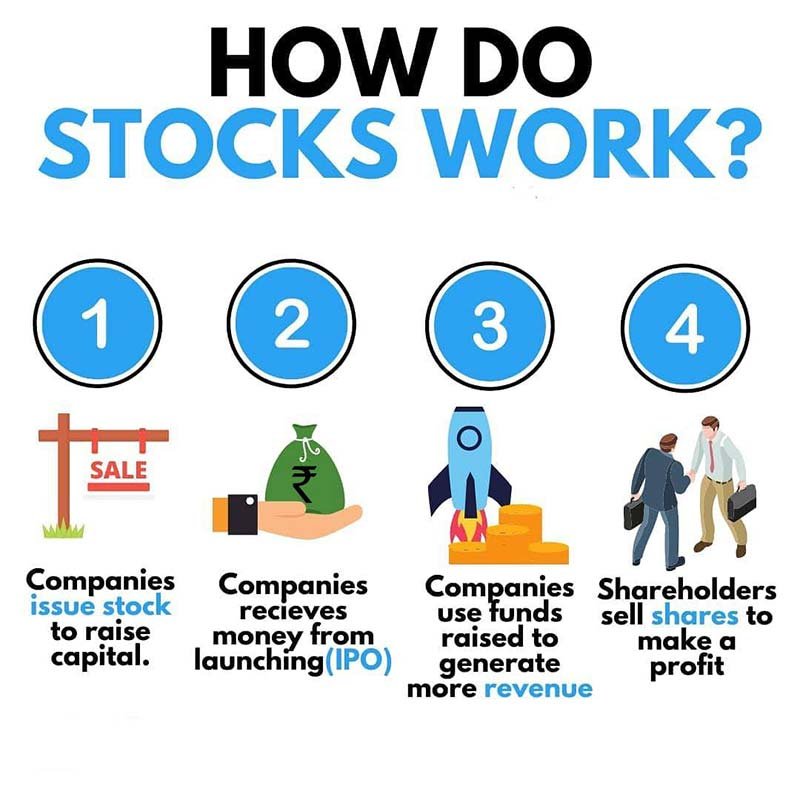
The question “how are stocks doing?” is perhaps the most frequent inquiry in the world of personal finance. Yet, the answer is rarely a simple “good” or “bad.” The stock market is a complex ecosystem of sentiment, economic data, corporate performance, and geopolitical shifts. To understand how stocks are performing today, one must look beyond the daily fluctuations of the Dow Jones Industrial Average and peer into the underlying mechanics of global wealth.
Currently, the equity markets are navigating a unique historical junction. We are transitioning from an era of “easy money” and near-zero interest rates into a period of higher borrowing costs and a renewed focus on corporate profitability. For the modern investor, assessing market health requires a multi-faceted approach that considers broad indices, macroeconomic drivers, and sector-specific trends.
The Performance of Major Indices: A Tale of Two Markets
When we ask how stocks are doing, we are usually referring to the performance of major benchmarks. These indices serve as the barometer for the overall health of the economy. However, recent performance has highlighted a significant divergence between different segments of the market.
The Dominance of the S&P 500 and the Tech-Heavy Nasdaq
The S&P 500, often considered the gold standard for U.S. stock performance, has shown remarkable resilience. Much of this growth has been concentrated in a handful of mega-cap companies. These firms, which possess massive cash reserves and dominant market positions, have acted as a “safe haven” for capital. While the index as a whole may appear to be reaching for record highs, it is essential to recognize the “concentration risk.” A significant portion of the gains in recent quarters has been driven by the “Magnificent Seven”—a group of high-performing companies that have disproportionately influenced the index’s upward trajectory.
In contrast, the Nasdaq Composite, which is more sensitive to interest rate changes due to its high concentration of growth-oriented companies, has experienced higher volatility. Investors in this space are constantly weighing the potential for future innovation against the immediate cost of capital. When rates stabilize, the Nasdaq tends to lead; when inflation fears resurface, it often feels the brunt of the sell-off.
The Lagging Performance of Small-Cap Stocks
While large-cap stocks have thrived, the Russell 2000—which tracks small-cap companies—has often told a different story. Small-cap stocks are generally more sensitive to local economic conditions and have higher debt-to-equity ratios. As interest rates remained elevated to combat inflation, these smaller companies faced higher debt servicing costs, which pressured their margins. For an investor, the disparity between the S&P 500 and the Russell 2000 suggests that while the “titans” of industry are doing well, the broader “main street” corporate environment is still navigating a challenging landscape.
Key Economic Drivers Influencing Market Sentiment
To understand why stocks are moving in a particular direction, we must look at the “gravity” of the financial world: interest rates and inflation. These two factors dictate the valuation of every company in the market.
The Role of Central Bank Policy and Interest Rates
The Federal Reserve and other global central banks are the primary architects of market movement. For the past several years, the narrative has been dominated by the fight against inflation. When the Fed raises interest rates, it becomes more expensive for companies to borrow money to fund expansion, and it makes the “discount rate” used to value future earnings higher, which typically lowers stock prices.
Currently, the market is in a “watch and wait” phase regarding rate cuts. Stocks tend to perform well when investors anticipate a “pivot”—a shift from raising rates to lowering them. This anticipation creates a tug-of-war in the market: positive economic data (like strong jobs reports) is sometimes viewed negatively by investors because it suggests the Fed might keep rates higher for longer to prevent the economy from overheating.
Inflationary Pressures and Corporate Earnings
Inflation is a double-edged sword for stocks. In the short term, companies with “pricing power” can pass higher costs on to consumers, maintaining their profit margins. This is why many consumer staples and luxury brands have seen their stocks perform well despite rising costs.
However, persistent inflation eventually erodes consumer purchasing power. If the “cost of living” outpaces wage growth, discretionary spending drops, hitting retail and travel sectors. The recent earnings seasons have highlighted a “flight to quality,” where investors are rewarding companies that demonstrate disciplined cost management and consistent revenue growth, while punishing those that rely on cheap credit or speculative business models.
Sector-Specific Performance: Identifying the Winners and Losers
Looking at the market as a single entity can be misleading. A “flat” day for the S&P 500 might mask a massive rally in energy and a total collapse in real estate. Understanding how specific sectors are doing provides a clearer picture of the investment landscape.
The Resurgence of Value and Energy Stocks
In high-interest-rate environments, “Value” stocks—companies that are considered undervalued relative to their fundamentals—often outperform “Growth” stocks. Sectors like Financials and Energy have seen significant interest. Banks, for instance, benefit from higher net interest margins (the difference between what they earn on loans and pay on deposits), while energy companies have benefited from geopolitical tensions and supply constraints that keep commodity prices elevated.
Investors looking for stability have increasingly turned to these sectors. Unlike the speculative tech firms of the previous decade, these companies often offer substantial dividends and share buyback programs, providing a “cushion” of tangible returns in a volatile market.
Challenges in Real Estate and Consumer Discretionary
On the flip side, the Real Estate sector has faced significant headwinds. Commercial real estate, in particular, is grappling with the dual challenge of high interest rates and the “work-from-home” shift, which has decreased occupancy rates in major urban centers.
Similarly, the Consumer Discretionary sector—which includes companies selling non-essential goods like high-end electronics, apparel, and cars—is highly sensitive to the economic cycle. As personal savings rates from the pandemic era have dwindled and credit card debt has reached record highs, investors are cautious about how much further the consumer can stretch their budget.
Strategy for the Modern Investor: Navigating Uncertainty
Knowing “how stocks are doing” is only half the battle; the more important question is “what should I do about it?” In an era of rapid information flow and high volatility, the strategy for personal finance must be both defensive and opportunistic.
The Importance of Diversification and Rebalancing
With the market’s gains being so concentrated in a few tech giants, the risk of a “correction” in that specific sector is high. For the individual investor, this underscores the necessity of diversification. A well-constructed portfolio should not just track the S&P 500 but should also include exposure to international markets, bonds, and perhaps alternative assets like real estate or commodities.
Rebalancing—the process of selling high-performing assets to buy underperforming ones—is a crucial discipline. If your tech stocks have grown to represent 80% of your portfolio because of their recent run, you are taking on more risk than you might realize. Selling a portion of those winners to reinvest in value stocks or fixed income can help preserve capital for the long term.
Adopting a Long-Term Perspective and Dollar-Cost Averaging
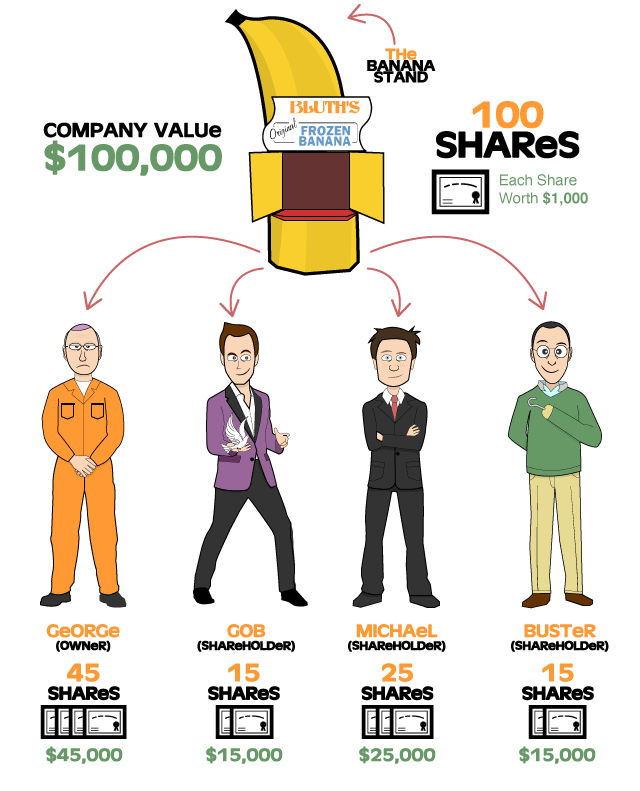
The most successful investors understand that the stock market is a “weighing machine” in the long run but a “voting machine” in the short run. Daily headlines are often noise. For those building wealth for retirement or long-term goals, the best strategy remains “Dollar-Cost Averaging” (DCA). By investing a fixed amount of money at regular intervals, regardless of the price, you naturally buy more shares when prices are low and fewer when they are high.
This psychological hedge is vital. When the question “how are stocks doing?” yields a negative answer, the disciplined investor sees a “sale” rather than a “disaster.” Over decades, the stock market has historically trended upward, rewarding those who have the patience to weather the cycles of inflation, recession, and recovery.
In conclusion, the current state of the stock market is one of cautious optimism tempered by macroeconomic reality. While large-cap indices show strength, the path forward is paved with questions about interest rates, consumer health, and geopolitical stability. By focusing on fundamentals, maintaining a diversified portfolio, and ignoring the short-term noise, investors can navigate this environment and continue their journey toward financial independence.
aViewFromTheCave is a participant in the Amazon Services LLC Associates Program, an affiliate advertising program designed to provide a means for sites to earn advertising fees by advertising and linking to Amazon.com. Amazon, the Amazon logo, AmazonSupply, and the AmazonSupply logo are trademarks of Amazon.com, Inc. or its affiliates. As an Amazon Associate we earn affiliate commissions from qualifying purchases.