
The stock market is often described as a “leading indicator” of the economy, yet for the average investor, its movements can sometimes feel disconnected from reality. Whether it is the rapid ascent of technology stocks or the sudden fluctuations triggered by a single press conference from the Federal Reserve, understanding what the stock market is doing “now” requires a deep dive into the underlying mechanics of finance, investor psychology, and macroeconomic policy.
Currently, the markets are navigating a complex transition period. We are moving away from the era of “easy money” and ultra-low interest rates into a regime where capital has a cost, and earnings quality matters more than ever. To understand the current trajectory, we must look at the interplay between central bank policies, sector-specific rotations, and the evolving strategies of retail and institutional investors alike.
The Macroeconomic Landscape: Inflation, Interest Rates, and the Fed
The single most influential factor in what the stock market is doing today is the stance of the Federal Reserve. For the past several years, the narrative has been dominated by the fight against inflation. As the central bank adjusted interest rates to cool an overheating economy, the stock market reacted with heightened volatility.
The Pivot Toward Rate Easing
After a historic series of rate hikes designed to curb post-pandemic inflation, the market is currently obsessed with the “pivot.” Investors are closely watching for signals that the Federal Reserve will begin or continue cutting interest rates. Lower interest rates generally benefit the stock market for two reasons: they lower the cost of borrowing for companies to expand, and they make the future earnings of growth-oriented companies more valuable in today’s dollars. When the market rallies on “bad” economic news (like a slight rise in unemployment), it is often because investors believe that weakness will force the Fed to lower rates sooner.
Inflation’s Lingering Shadow
While inflation has cooled significantly from its 2022 peaks, it remains a persistent concern. The stock market is currently in a “data-dependent” mode. Every Consumer Price Index (CPI) report or Producer Price Index (PPI) release creates immediate ripples in trading volume. If inflation proves “sticky”—meaning it stays above the Fed’s 2% target—the market prepares for a “higher for longer” interest rate environment. This creates a tug-of-war between optimistic bulls hoping for liquidity and cautious bears worried about a potential recession.
Sector Performance: Where the Capital Is Flowing
The stock market is not a monolith; it is a “market of stocks.” Understanding what the market is doing requires looking under the hood to see which sectors are leading and which are lagging. Recently, we have seen a massive divergence in performance across different industries.
The Continued Dominance of Big Tech and AI
The most visible trend in the current market is the concentration of gains in a handful of massive technology companies. This “flight to quality” has been driven by the explosion of generative Artificial Intelligence (AI). From a financial perspective, investors are pouring capital into companies that provide the infrastructure for AI—semiconductor manufacturers, cloud computing providers, and software giants. These companies are seen as “cash cows” with strong balance sheets that can weather economic storms, making them the primary drivers of index-level gains in the S&P 500 and Nasdaq.
Defensive vs. Cyclical Stocks
Outside of the tech bubble, the market is showing signs of caution. Defensive sectors—such as Healthcare, Utilities, and Consumer Staples—often see inflows when investors are worried about an economic slowdown. Conversely, cyclical sectors like Industrials and Materials tend to perform well when the market anticipates a period of robust growth. Currently, we are seeing a rotation. As tech valuations become stretched, some money is moving back into “value” stocks—companies with lower price-to-earnings ratios and steady dividends. This rotation is a healthy sign of a broadening market, suggesting that the rally is not solely dependent on a few tech titans.
Understanding Market Volatility and Investor Sentiment
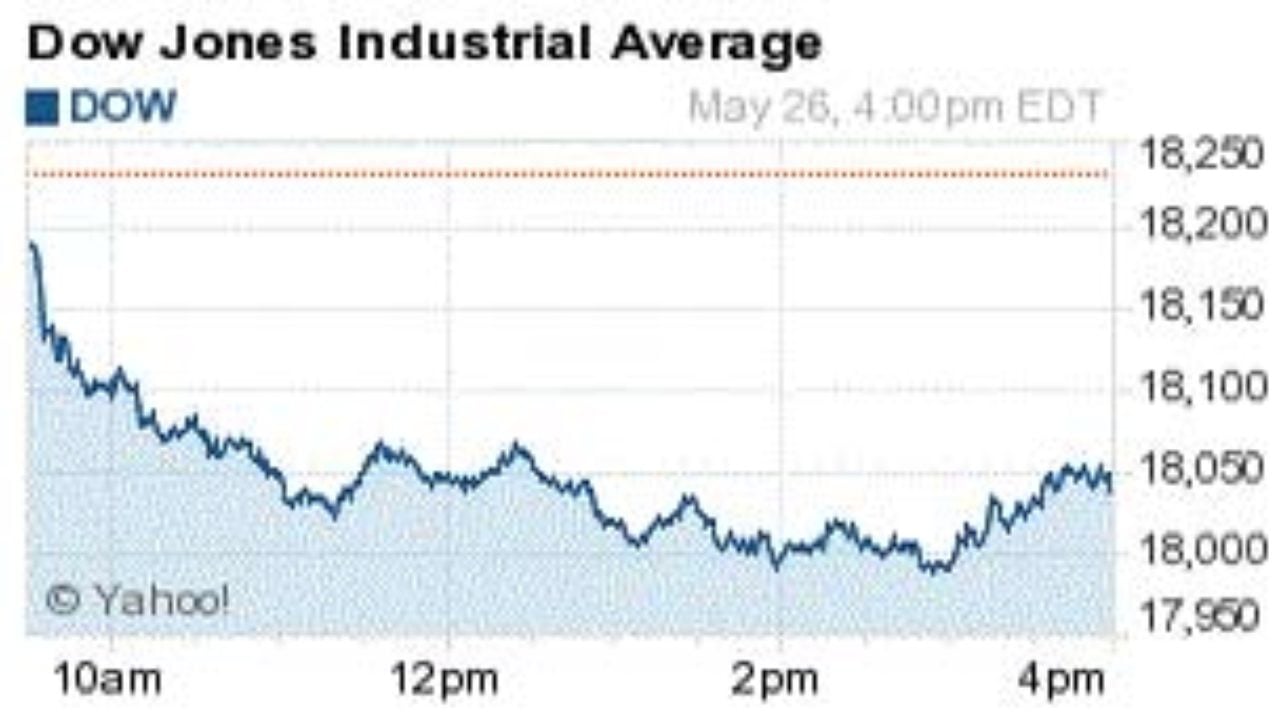
Volatility is a natural part of the market, but the drivers of volatility today are unique. Understanding the “vibe” of the market is just as important as understanding the math.
The Fear and Greed Index
Investor sentiment currently oscillates between extreme optimism and sudden bouts of anxiety. The “Fear and Greed Index,” a popular tool that measures market momentum and volatility, often shows that “greed” drives the market to new highs until a catalyst—perhaps a geopolitical event or a disappointing earnings report—triggers a sell-off. Currently, the market is characterized by “FOMO” (Fear Of Missing Out), particularly regarding AI-related stocks. This can lead to overvaluation, where stock prices exceed the actual fundamental value of the companies.
Impact of Geopolitical Uncertainty
In the modern era, the stock market is sensitive to global events. Trade tensions, regional conflicts, and election cycles all introduce “noise” into the market. Investors are currently pricing in the risks of supply chain disruptions and changes in energy prices. While the market often “climbs a wall of worry,” these external factors contribute to intraday swings that can be jarring for the unprepared investor. The key for many now is distinguishing between temporary political noise and long-term economic shifts.
Strategies for the Modern Investor
With the market at its current crossroads, the strategies that worked during the decade of near-zero interest rates may no longer be the most effective. Wealth management is shifting back toward fundamental analysis and disciplined diversification.
The Role of Passive vs. Active Investing
For years, passive investing through Index Funds and ETFs was the gold standard, as the entire market rose together. However, in a fragmented market where some sectors soar while others stagnate, “active” management is seeing a resurgence. Investors are becoming more selective, looking for companies with low debt-to-equity ratios and strong free cash flow. While low-cost indexing remains a foundational strategy for long-term wealth, the “now” of the market suggests that being mindful of sector weightings is crucial to avoid over-exposure to overvalued segments.
Rebalancing in a High-Growth Environment
Because certain sectors (like Tech) have grown so rapidly, many investors’ portfolios are now “top-heavy.” If you started with a 60/40 split between stocks and bonds, the recent stock market run might have pushed your portfolio to 80/20. Rebalancing—the act of selling high-performing assets to buy underperforming ones—is a vital strategy in the current climate. It allows investors to lock in profits and maintain a risk profile that aligns with their long-term financial goals, rather than getting swept up in the momentum of the moment.
Looking Ahead: Long-Term Outlook and Risk Management
What the stock market is doing now is setting the stage for the next decade of returns. While the short-term fluctuations can be distracting, successful investing in this climate requires a focus on risk management and a realistic outlook.
Diversification Beyond Equities
In the current financial landscape, the stock market isn’t the only game in town. High interest rates have made “cash” and fixed-income assets attractive again. High-yield savings accounts, Certificates of Deposit (CDs), and Treasury bonds currently offer returns that haven’t been seen in over fifteen years. For many investors, “what the market is doing” involves a strategic shift toward these safer assets to provide a cushion against potential equity market volatility. This balanced approach is a hallmark of sophisticated personal finance in the current era.

Preparing for a Potential Correction
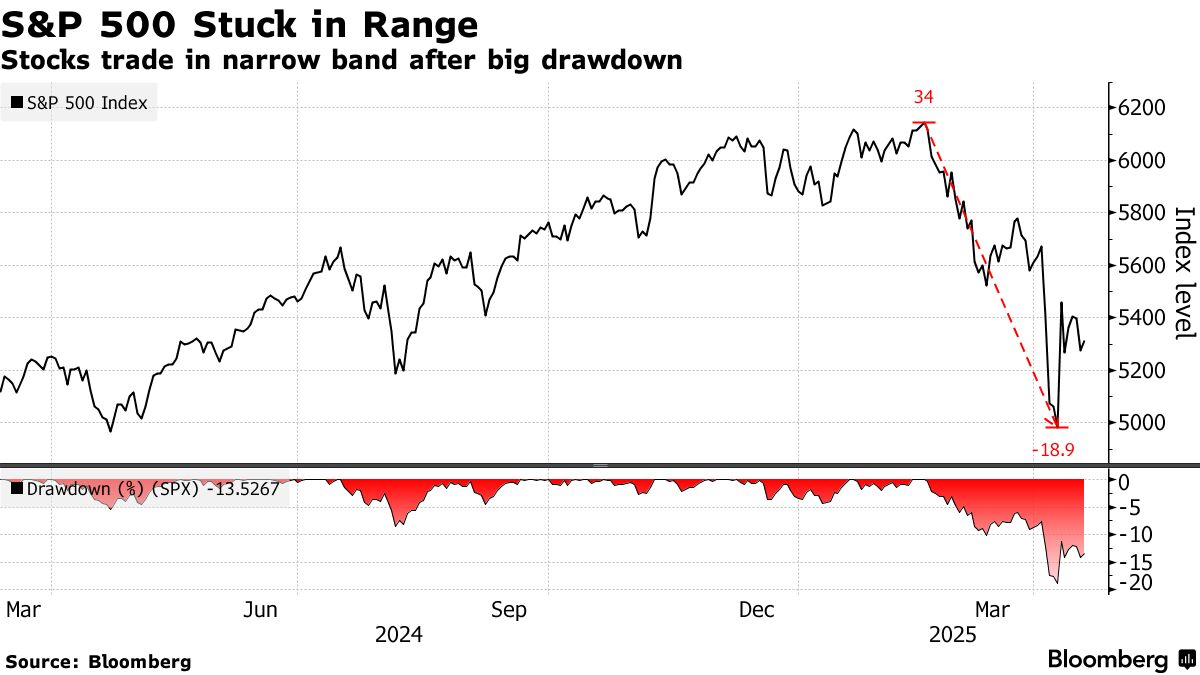
No bull market lasts forever. Market corrections—defined as a 10% drop from recent highs—are a normal and healthy part of the financial cycle. They clear out “excess” and bring valuations back to earth. Wise investors are currently “stress-testing” their portfolios. This involves asking: “How would my financial plan change if the market dropped 20% tomorrow?” By having an emergency fund and a long-term time horizon, investors can view market dips not as disasters, but as opportunities to buy quality companies at a discount.
In conclusion, the stock market today is a tale of two realities: a high-octane race driven by technological innovation and a cautious dance dictated by central bank policy. For the individual investor, the best course of action is to stay informed but not reactive. By understanding the macroeconomic forces at play, monitoring sector rotations, and adhering to a disciplined investment strategy, you can navigate the “now” of the stock market with confidence and clarity. The goal is not to predict the next peak or trough, but to build a resilient financial future that can withstand whatever the market decides to do next.
aViewFromTheCave is a participant in the Amazon Services LLC Associates Program, an affiliate advertising program designed to provide a means for sites to earn advertising fees by advertising and linking to Amazon.com. Amazon, the Amazon logo, AmazonSupply, and the AmazonSupply logo are trademarks of Amazon.com, Inc. or its affiliates. As an Amazon Associate we earn affiliate commissions from qualifying purchases.