
For investors, traders, and financial enthusiasts, the question “what did the Nasdaq close at today?” is more than a simple inquiry into a numerical value. It is a daily ritual that provides a snapshot of the health of the growth-oriented sector of the global economy. The Nasdaq Composite, along with its more concentrated sibling, the Nasdaq-100, serves as a primary barometer for innovation, technology, and consumer discretionary spending.
Understanding the closing price requires more than a glance at a ticker; it necessitates an appreciation of the mechanisms that drive these numbers and the implications they hold for personal wealth management. In this comprehensive guide, we will explore the technicalities of the market close, the factors that influence daily fluctuations, and how modern investors can use this information to build more resilient portfolios.
The Mechanics of the Market: How the Nasdaq Closing Price is Determined
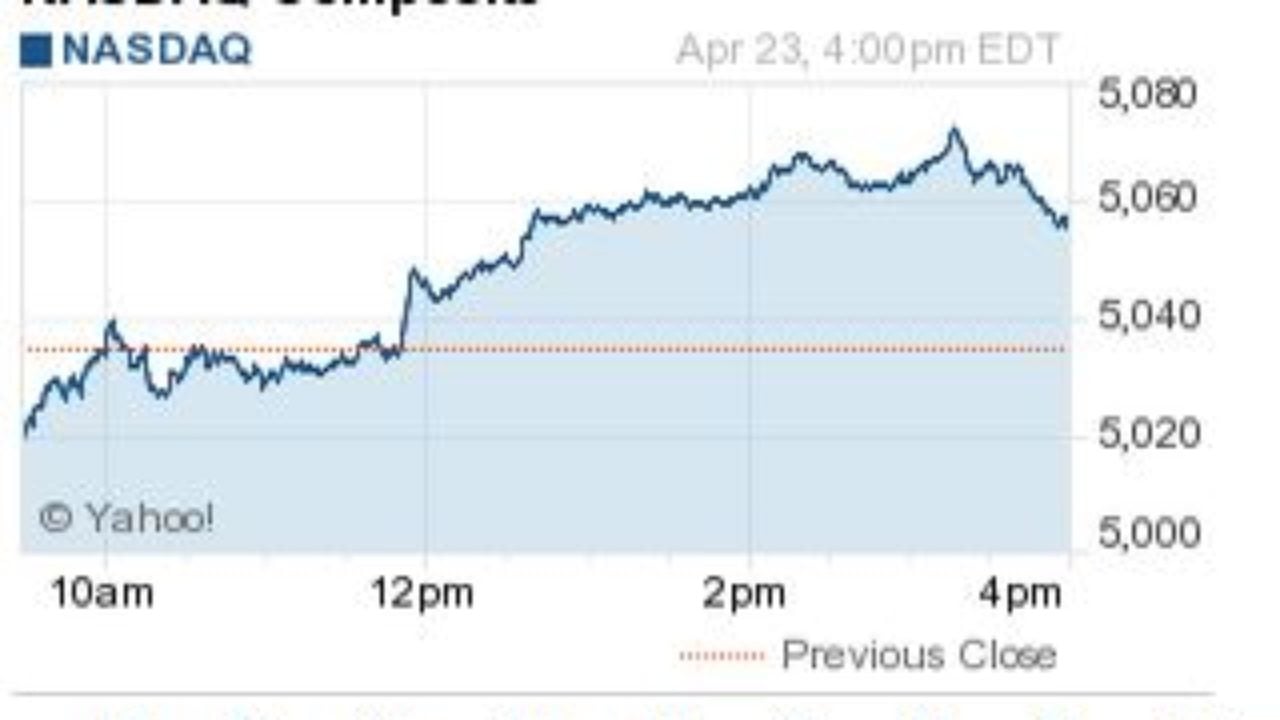
The closing price of an index like the Nasdaq is not merely the final trade recorded at 4:00 PM Eastern Time. Instead, it is the result of a highly sophisticated and regulated process designed to ensure transparency, liquidity, and fairness.
The Nasdaq Closing Cross
The Nasdaq utilizes a specialized mechanism known as the “Closing Cross” to determine the official closing price for each security listed on its exchange. As the trading day nears its end, the exchange’s systems begin to aggregate all “market-on-close” (MOC) and “limit-on-close” (LOC) orders. These are specific instructions from investors to buy or sell shares at the final price of the day.
At precisely 4:00 PM, the Nasdaq Closing Cross matches these orders in a single, automated auction. This process is vital because it concentrates liquidity into a single moment, minimizing the price volatility that might occur if these large orders were processed sequentially. For the investor, this means the closing price represents a true consensus of value for that trading session.
Settlement and the Role of Institutional Liquidity
While retail investors might see the closing price on a news app, institutional investors—such as pension funds, mutual funds, and insurance companies—rely on this number for “settlement.” Many derivative contracts, options, and index-tracking funds use the official close to calculate the Net Asset Value (NAV) of their holdings.
Because institutional players handle billions of dollars, their activity in the final minutes of trading—often referred to as “the power hour”—can significantly sway the index. Understanding that the close is a product of professional institutional balancing helps individual investors recognize that the number reflects the “smart money’s” final stance for the day.
Why the Closing Number Dictates Global Sentiment
The Nasdaq is often viewed as a leading indicator of risk appetite in the financial markets. Unlike the Dow Jones Industrial Average, which focuses on legacy industrial giants, the Nasdaq is heavily weighted toward high-growth companies.
Benchmark for Growth and Innovation
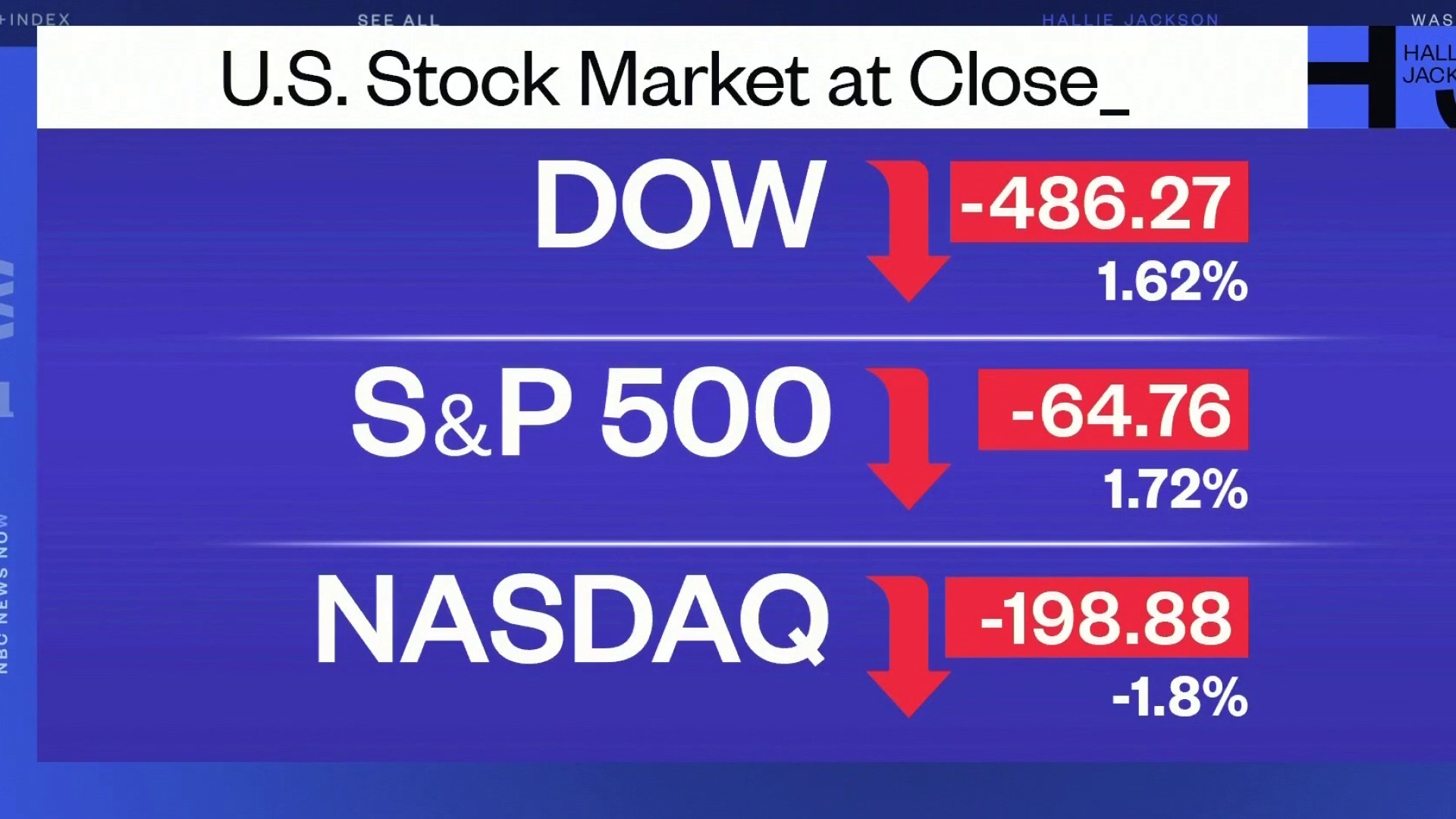
The companies that make up the Nasdaq—ranging from semiconductor giants to biotechnology pioneers—are typically characterized by high price-to-earnings (P/E) ratios and significant investments in research and development. When the Nasdaq closes higher, it often signals that investors are willing to take on more risk in exchange for potential future growth. Conversely, a sharp decline in the Nasdaq close often suggests a “risk-off” environment, where capital flows out of speculative assets and into safer havens like Treasury bonds or gold.
Influence on Mutual Funds and ETFs
Most modern retirement accounts, such as 401(k)s and IRAs, are heavily exposed to the Nasdaq through exchange-traded funds (ETFs) like the QQQ. Because these funds are designed to replicate the performance of the index, the daily close directly dictates the fluctuation in a household’s net worth. For an investor, monitoring the close is not just about tracking “the market”; it is about tracking the real-time valuation of their long-term savings. A string of positive closes builds momentum and investor confidence, while a “death cross” (a technical pattern involving moving averages) can trigger automated sell-offs across the globe.
Factors Influencing Today’s Market Performance
When we ask what the Nasdaq closed at, we must also ask why it closed there. The daily movement of the index is a reaction to a complex web of economic data and corporate developments.
Interest Rates and the Cost of Capital
Perhaps the single most influential factor in today’s Nasdaq performance is the trajectory of interest rates set by the Federal Reserve. Because many Nasdaq-listed companies rely on debt to finance their rapid expansion, higher interest rates increase their cost of capital. Furthermore, high-growth stocks are valued based on the discounted value of their future cash flows. When rates rise, those future earnings are worth less in today’s dollars, often leading to a lower closing price. Therefore, the Nasdaq close is frequently a direct reflection of the market’s interpretation of the latest Fed minutes or inflation data (CPI).
Sector Weighting and the Tech Influence
The Nasdaq is not a monolith; it is a weighted index. This means that a handful of massive companies—often referred to as the “Magnificent Seven”—have a disproportionate impact on where the index closes. If companies like Apple, Microsoft, or Nvidia have a strong day based on earnings beats or product breakthroughs, the Nasdaq may close in the green even if hundreds of smaller companies in the index declined. For the savvy investor, analyzing the “breadth” of the market—how many stocks actually rose versus how many fell—is crucial for determining if a positive close is sustainable or merely driven by a few outliers.
Strategic Asset Allocation: Interpreting the Data for Long-Term Success
While the daily closing price is a valuable data point, the challenge for the modern investor is to use this information without falling prey to short-term emotional reactions.
Distinguishing Between Signal and Noise
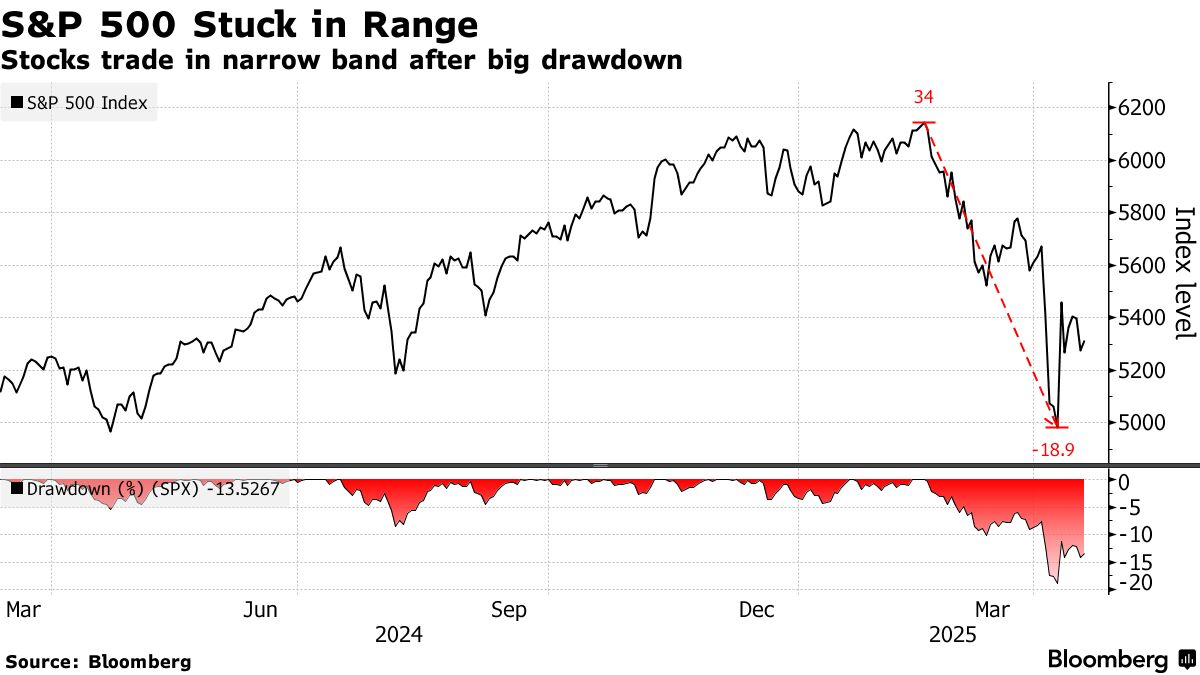
In the era of 24-hour financial news, every minor dip or spike in the Nasdaq close is treated as an emergency or a miracle. However, for a personal finance strategy to succeed, one must distinguish between “noise” (temporary volatility) and “signal” (long-term structural shifts). A single day’s close rarely changes the fundamental thesis of a well-diversified portfolio. Instead of reacting to the daily number, investors should look at moving averages—such as the 50-day or 200-day average—to identify where the trend is heading. This approach mitigates the risk of “panic selling” during a temporary market correction.
Utilizing Financial Tools for Real-Time Analysis
To better understand the Nasdaq close, investors should leverage modern financial tools and platforms. Tools like Bloomberg Terminal, Morningstar, or even advanced retail platforms like Fidelity and Schwab provide “post-market” analysis that explains the drivers behind the day’s movement.
By looking at “Heat Maps,” which visualize the performance of different sectors within the Nasdaq, an investor can see if the closing price was influenced by a rally in software, a slump in biotech, or a neutral day in hardware. Utilizing these tools allows for a more granular understanding of business finance, moving the investor away from guesswork and toward data-driven decision-making.
Conclusion: The Closing Ticker as a Strategic Asset
“What did the Nasdaq close at today?” is a question that serves as the gateway to understanding the broader financial landscape. The closing price is the culmination of global economic policy, institutional liquidity, and corporate performance. By understanding the mechanics of the Closing Cross, the influence of interest rates, and the importance of market breadth, investors can transform a simple number into a powerful strategic asset.
In the world of money and investing, knowledge is the ultimate hedge against volatility. Whether the Nasdaq closes at a record high or enters a period of consolidation, the disciplined investor remains focused on the underlying fundamentals. By treating the daily close as one chapter in a much longer economic story, you can navigate the complexities of the market with professional insight and long-term confidence. The goal is not just to know the number, but to understand the value it represents for your financial future.
aViewFromTheCave is a participant in the Amazon Services LLC Associates Program, an affiliate advertising program designed to provide a means for sites to earn advertising fees by advertising and linking to Amazon.com. Amazon, the Amazon logo, AmazonSupply, and the AmazonSupply logo are trademarks of Amazon.com, Inc. or its affiliates. As an Amazon Associate we earn affiliate commissions from qualifying purchases.