
Purchasing a home is arguably the most significant financial transaction of a lifetime. For most individuals, the bridge between the dream of homeownership and the reality of a front-door key is a mortgage. However, the question “What house loan can I qualify for?” is not answered by a single number. Instead, it is determined by a complex interplay of your financial history, current income, debt obligations, and the specific loan products available in the market. Understanding these variables is the first step toward securing a loan that fits your financial profile without overextending your resources.
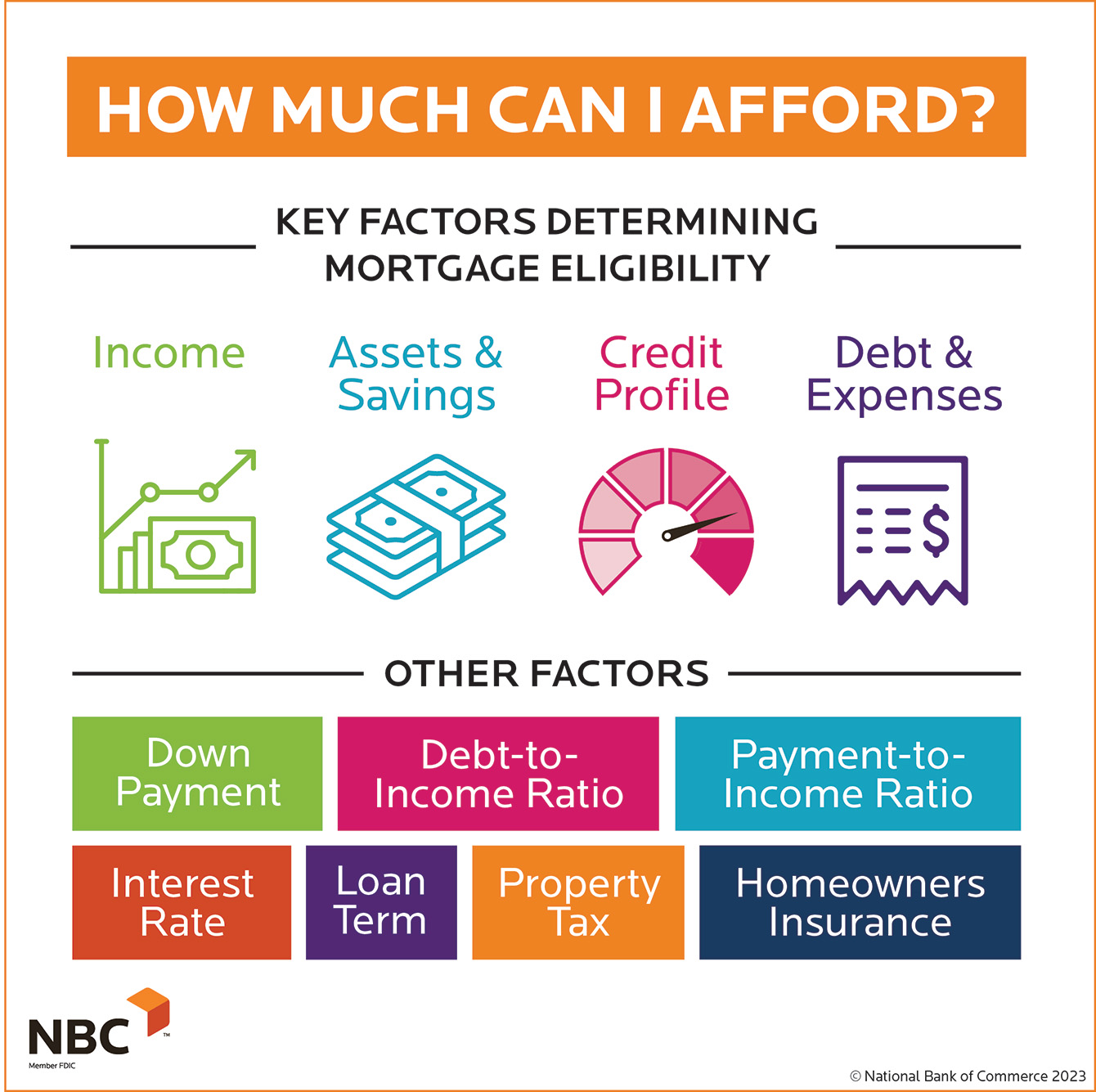
Understanding the Core Determinants of Mortgage Qualification
Before a lender approves an application, they must assess the risk of the investment. From a professional financial perspective, this risk assessment hinges on three primary pillars: your ability to pay, your history of paying, and your skin in the game.
The Debt-to-Income Ratio (DTI)
The Debt-to-Income ratio is perhaps the most critical metric used by lenders. It compares your total monthly debt obligations to your gross monthly income. Lenders typically look at two types of DTI: the “front-end” and the “back-end.”
The front-end ratio focuses solely on housing costs—principal, interest, taxes, and insurance (PITI). Generally, lenders prefer this to be below 28%. The back-end ratio includes all other recurring debts, such as student loans, car payments, and credit card minimums. To qualify for a conventional loan, a back-end DTI of 43% is often the ceiling, though some programs allow for higher ratios if the borrower has significant cash reserves or a high credit score.
Credit Score and Its Impact on Interest Rates
While your income determines the size of the loan you can afford, your credit score determines the cost of that loan. In the realm of personal finance, your FICO score acts as a shorthand for your financial reliability.
A score of 740 or higher generally grants access to the best interest rates and lowest insurance premiums. If your score sits between 620 and 680, you may still qualify for a conventional loan, but you will likely face “loan-level price adjustments,” which increase your interest rate. For those with scores below 620, government-backed options like FHA loans become the primary pathway to qualification.
Proof of Income and Employment Stability
Lenders seek predictability. They want to see that your income is not only sufficient but also stable. Typically, this requires two years of consistent employment in the same field. If you are a W-2 employee, this is verified through pay stubs and tax returns. If you are self-employed or a business owner, the documentation is more rigorous, often requiring two years of profit-and-loss statements and balance sheets. Lenders will “average” your income over the last two years, which can be a hurdle if your earnings fluctuate significantly.
Exploring the Different Types of House Loans
Qualification is not a “one size fits all” process. Different loan products have different barriers to entry. By understanding which category you fall into, you can target the specific loan type that matches your financial standing.
Conventional Loans (Conforming vs. Non-Conforming)
Conventional loans are the standard of the mortgage world. They are not insured by the federal government but instead follow guidelines set by Fannie Mae and Freddie Mac. To qualify for a “conforming” conventional loan, you generally need a credit score of at least 620 and a DTI below 43-50%.
“Non-conforming” or “Jumbo” loans are for properties that exceed local loan limits. Because these involve larger sums of money, the qualification standards are much stricter, often requiring a credit score above 700, a lower DTI, and significant cash reserves (often 6 to 12 months of mortgage payments in the bank).
FHA Loans: Accessibility for Lower Credit
The Federal Housing Administration (FHA) insures these loans, which allows lenders to accept lower credit scores and smaller down payments. You can qualify for an FHA loan with a credit score as low as 580 with a 3.5% down payment. If your score is between 500 and 579, you may still qualify, but a 10% down payment is required. FHA loans are a powerful tool for those whose financial history has some “bruises” or for first-time buyers who haven’t yet built a massive savings account.

VA and USDA Loans: Zero Down Payment Options
For specific demographics, the government offers highly specialized loans. VA loans are available to veterans, active-duty service members, and eligible surviving spouses. They offer the distinct advantage of 0% down payments and no private mortgage insurance (PMI).
Similarly, USDA loans are designed to encourage homeownership in rural and some suburban areas. Like VA loans, they offer 100% financing. To qualify for a USDA loan, both the property and the borrower must meet specific criteria, including income limits that ensure the program serves those with low-to-moderate incomes.
Calculating Your Down Payment and Closing Costs
A major part of qualifying for a loan is demonstrating that you have the liquid assets to close the deal. Many prospective buyers focus solely on the monthly payment, but the upfront costs are the gatekeepers of the process.
The 20% Myth vs. Modern Reality
There is a long-standing belief in personal finance that you must have a 20% down payment to buy a house. While 20% is ideal because it allows you to avoid Private Mortgage Insurance (PMI) and lowers your monthly interest, it is not a requirement for most loans.
Conventional programs exist for as little as 3% down for first-time buyers, and FHA requires 3.5%. However, from a wealth-building perspective, the more you put down, the less you pay in interest over the life of the loan. When determining what you qualify for, you must balance your desire for a low monthly payment with your available liquid cash.
Factoring in Private Mortgage Insurance (PMI)
If you put down less than 20% on a conventional loan, you will be required to pay PMI. This is an insurance policy that protects the lender if you default. The cost of PMI varies based on your credit score and the size of your down payment, typically ranging from 0.2% to 1.5% of the loan amount annually. On an FHA loan, you pay a Mortgage Insurance Premium (MIP), which usually lasts for the entire life of the loan. These costs must be factored into your DTI calculations when determining your maximum loan amount.
Preparing for Out-of-Pocket Closing Costs
Beyond the down payment, you must qualify with enough cash to cover closing costs. These typically range from 2% to 5% of the home’s purchase price. They include appraisal fees, title insurance, loan origination fees, and government recording fees. If you are tight on cash, you may qualify for “seller concessions,” where the seller pays a portion of these costs, but in a competitive market, this can make your offer less attractive.
Strategic Steps to Improve Your Loan Eligibility
If the current numbers don’t add up to the loan you want, there are strategic financial moves you can make to shift the scales in your favor. Mortgage qualification is a snapshot in time, and that snapshot can be improved with disciplined financial management.
Debt Management and Credit Repair
To increase the loan amount you qualify for, you must either increase your income or decrease your debt. Since increasing income often takes time, paying down revolving debt (like credit cards) is the fastest way to lower your DTI.
Furthermore, you should avoid taking on any new debt in the six months leading up to a mortgage application. A new car loan or a large credit purchase can lower your credit score and increase your DTI, potentially disqualifying you from a loan you would have otherwise received.
Improving Your Cash Position
Saving more money does more than just increase your down payment; it creates “compensating factors.” Lenders look favorably on “reserves”—money left in your accounts after the down payment and closing costs are paid. Having three to six months of living expenses in a liquid account can sometimes persuade a lender to overlook a slightly higher DTI or a borderline credit score.

The Power of Pre-Approval
Finally, the most accurate way to answer “What house loan can I qualify for?” is to seek a professional pre-approval. Unlike a pre-qualification, which is a surface-level estimate, a pre-approval involves a lender verifying your documentation and running your credit. This not only gives you a concrete budget but also signals to sellers that you are a serious, financially vetted buyer. In the modern real estate market, a pre-approval letter is the currency of the realm, proving that you have done the financial legwork to back up your offer.
aViewFromTheCave is a participant in the Amazon Services LLC Associates Program, an affiliate advertising program designed to provide a means for sites to earn advertising fees by advertising and linking to Amazon.com. Amazon, the Amazon logo, AmazonSupply, and the AmazonSupply logo are trademarks of Amazon.com, Inc. or its affiliates. As an Amazon Associate we earn affiliate commissions from qualifying purchases.