
Interest rates act as the heartbeat of the global economy, dictating the flow of capital, the cost of borrowing, and the rewards for saving. For the better part of the last decade, consumers and investors lived in an era of historically low rates, where money was “cheap” and growth was the primary objective. However, the economic landscape has shifted dramatically. Today, we find ourselves in a high-interest-rate environment driven by the Federal Reserve’s aggressive attempts to curb inflation.
Understanding what interest rates are right now—and more importantly, how they affect your personal bottom line—is essential for making informed financial decisions. Whether you are looking to buy a home, manage credit card debt, or optimize your investment portfolio, the current rate environment requires a strategic approach.
The Federal Funds Rate: The Engine of the Economy
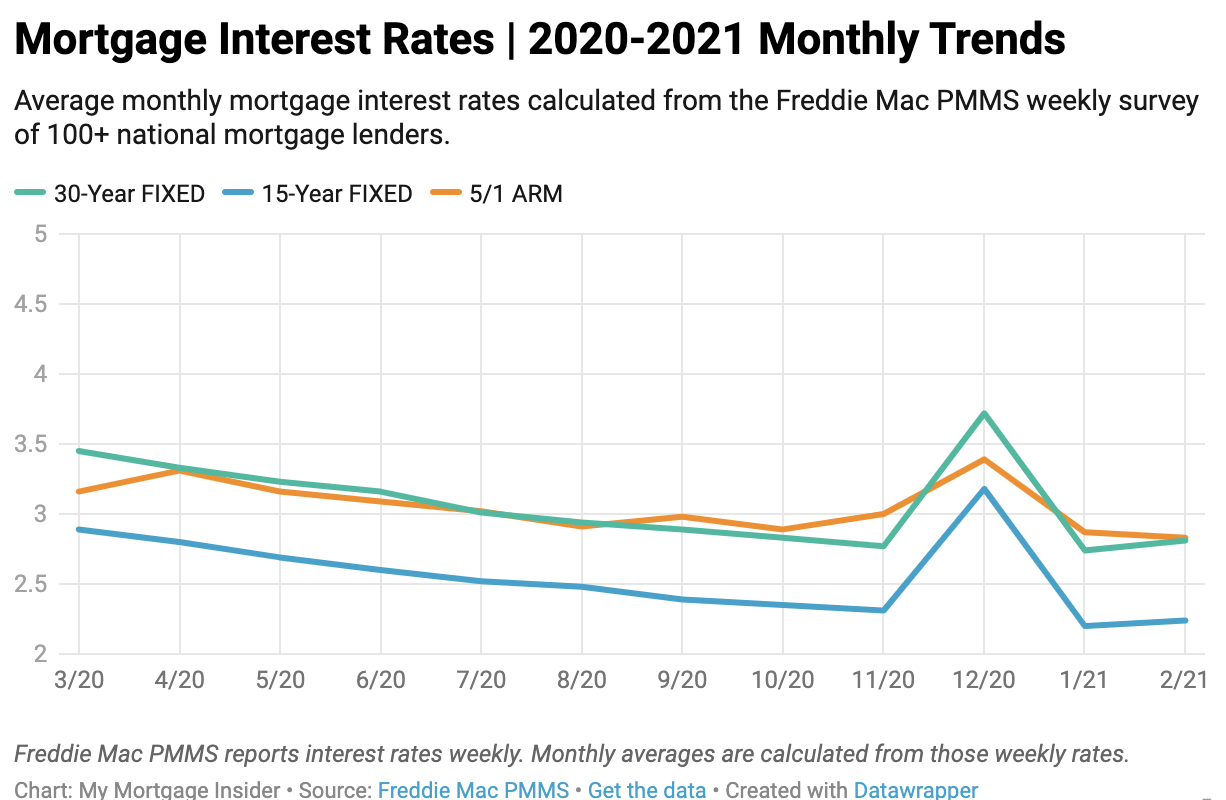
At the core of every interest rate you encounter—from your savings account to your mortgage—is the Federal Funds Rate. This is the target interest rate set by the Federal Open Market Committee (FOMC) at which commercial banks borrow and lend their excess reserves to each other overnight. While it may sound like a technicality for bankers, it is the primary tool used by the Federal Reserve to manage economic growth and stability.
The Fed’s Battle Against Inflation
In recent years, the Federal Reserve has executed one of the swiftest rate-hiking cycles in history. After keeping rates near zero during the pandemic to stimulate the economy, the central bank was forced to pivot as inflation reached 40-year highs. By raising the federal funds rate to a range of 5.25% to 5.50%, the Fed effectively increased the cost of borrowing across the entire economy. The goal is simple: by making it more expensive to borrow money, spending slows down, demand decreases, and inflation eventually cools.
How the Prime Rate Affects You
When the Fed moves the federal funds rate, the “Prime Rate” follows suit. The Prime Rate is the base interest rate that commercial banks charge their most creditworthy corporate customers. Most consumer lending products, such as credit cards, home equity lines of credit (HELOCs), and certain personal loans, are tied directly to the Prime Rate. When the Fed holds rates at a two-decade high, the Prime Rate typically hovers around 8.5%, meaning consumers are paying significantly more for revolving debt than they were just a few years ago.
The Housing Market: Navigating Mortgage Rates Today
Perhaps no sector is more sensitive to interest rate fluctuations than the real estate market. For many Americans, the dream of homeownership is intrinsically linked to the monthly mortgage payment, which is heavily influenced by the 10-year Treasury yield and the Federal Reserve’s monetary policy.
The Reality of the 7% Mortgage
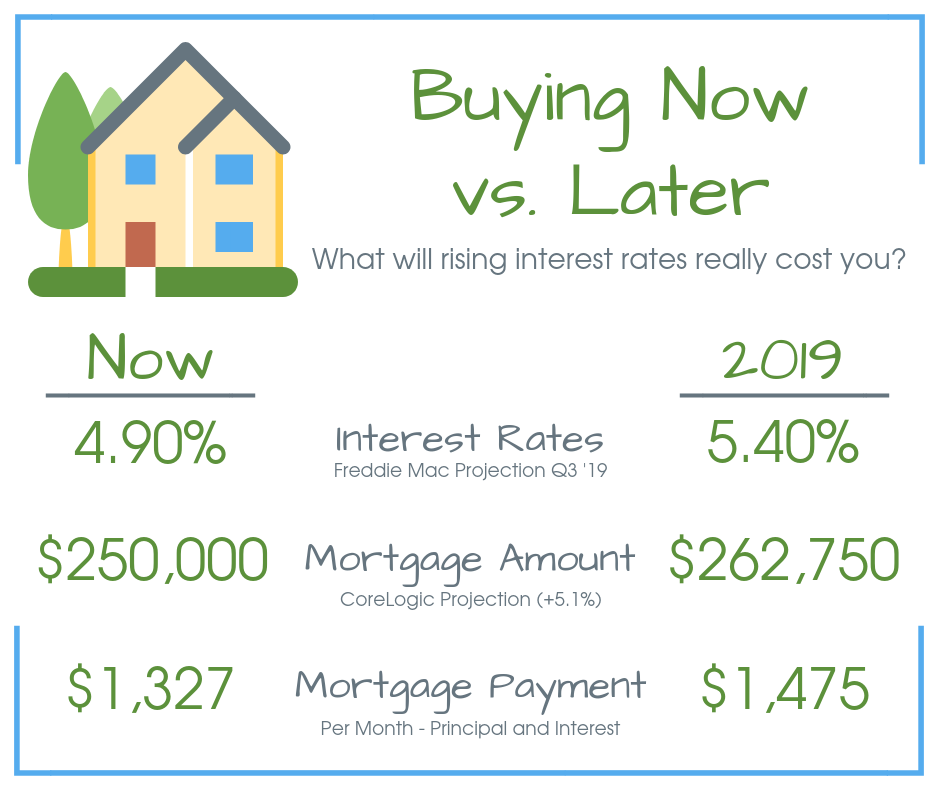
For much of 2021, homebuyers enjoyed 30-year fixed-rate mortgages below 3%. Today, those rates have settled into a higher range, often fluctuating between 6.5% and 7.5% depending on market volatility and the borrower’s credit score. This shift has a profound impact on purchasing power. For example, a $400,000 mortgage at 3% results in a monthly principal and interest payment of roughly $1,686. At 7%, that same loan jumps to approximately $2,661—a nearly $1,000 monthly increase for the exact same house.
Fixed vs. Adjustable-Rate Mortgages (ARMs)
In a high-rate environment, many borrowers are reconsidering Adjustable-Rate Mortgages (ARMs). An ARM typically offers a lower “teaser” rate for an initial period (such as 5 or 7 years) before adjusting based on market conditions. While this can provide short-term relief, it carries the risk of even higher payments in the future if rates do not decline. Conversely, the 30-year fixed mortgage remains the gold standard for stability, allowing homeowners to “lock in” their cost regardless of how high the Fed might push rates in the future.
The “Lock-In” Effect and Housing Supply
The current interest rate environment has created a unique phenomenon known as the “lock-in effect.” Many current homeowners are sitting on mortgages with rates below 4%. These homeowners are hesitant to sell their houses because doing so would mean trading their low-interest debt for a new mortgage at 7%. This has led to a decrease in housing inventory, keeping home prices high despite the increased cost of borrowing.
Consumer Credit: The Rising Cost of Debt
While mortgages are the largest form of debt for most households, daily financial life is often managed through credit cards, auto loans, and personal loans. In the current high-rate climate, the cost of carrying a balance has become an urgent financial concern.
The Record-High Cost of Credit Card Debt
Credit card interest rates are notoriously high, but they have reached unprecedented levels recently. The average credit card APR (Annual Percentage Rate) is now well above 20%. Because most credit cards have variable rates tied to the Prime Rate, every time the Fed raises rates, your credit card interest increases almost immediately. For consumers carrying a balance, this creates a “debt treadmill” where a larger portion of each payment goes toward interest rather than the principal balance.
Auto Loans and Personal Financing
The days of 0% or 1.9% financing from auto manufacturers are largely over, except for specific promotional periods on select models. For the average buyer with good credit, new car loan rates are now averaging between 7% and 9%, while used car rates can climb into the double digits. Similarly, personal loans—often used for debt consolidation or home improvement—have seen their rates climb. Financial experts now suggest that consumers prioritize paying down high-interest debt more aggressively than ever before to avoid the compounding effects of these elevated rates.
The Silver Lining: Maximizing Returns on Savings
While high interest rates are a burden for borrowers, they are a boon for savers. For over a decade, keeping money in a traditional bank account yielded almost no return. Today, the script has flipped, offering a rare opportunity for conservative investors to grow their wealth with minimal risk.
High-Yield Savings Accounts (HYSA) and Money Market Funds
The most accessible way to benefit from high rates is through a High-Yield Savings Account. While “big-box” traditional banks may still offer measly rates of 0.01%, online banks and credit unions are currently offering APYs (Annual Percentage Yields) between 4.5% and 5.5%. For an emergency fund of $20,000, the difference between a traditional account and a high-yield account can mean an extra $1,000 in interest earnings per year.
Certificates of Deposit (CDs) and Treasury Bills
For those who do not need immediate access to their cash, Certificates of Deposit (CDs) and U.S. Treasury Bills offer a way to “lock in” today’s high rates for a set period.
- CDs: Many banks are offering 12-month CDs with rates exceeding 5%. This is an excellent strategy if you believe interest rates will fall in the near future, as it guarantees your return even if the market shifts.
- Treasury Bills: T-Bills are backed by the full faith and credit of the U.S. government and currently offer yields that rival or exceed high-yield savings accounts. They are also exempt from state and local taxes, making them particularly attractive for investors in high-tax states.
Impact on Investment Strategy
High interest rates also change the calculus for the stock market. When “risk-free” assets like Treasury bonds offer a 5% return, investors demand higher potential returns from the stock market to justify the risk. This often leads to increased volatility in equity markets, particularly for high-growth tech companies that rely on future earnings. For the individual investor, the current environment suggests a more balanced approach—reallocating some capital toward fixed-income assets while maintaining long-term equity positions.
Conclusion: Adapting to the “New Normal”
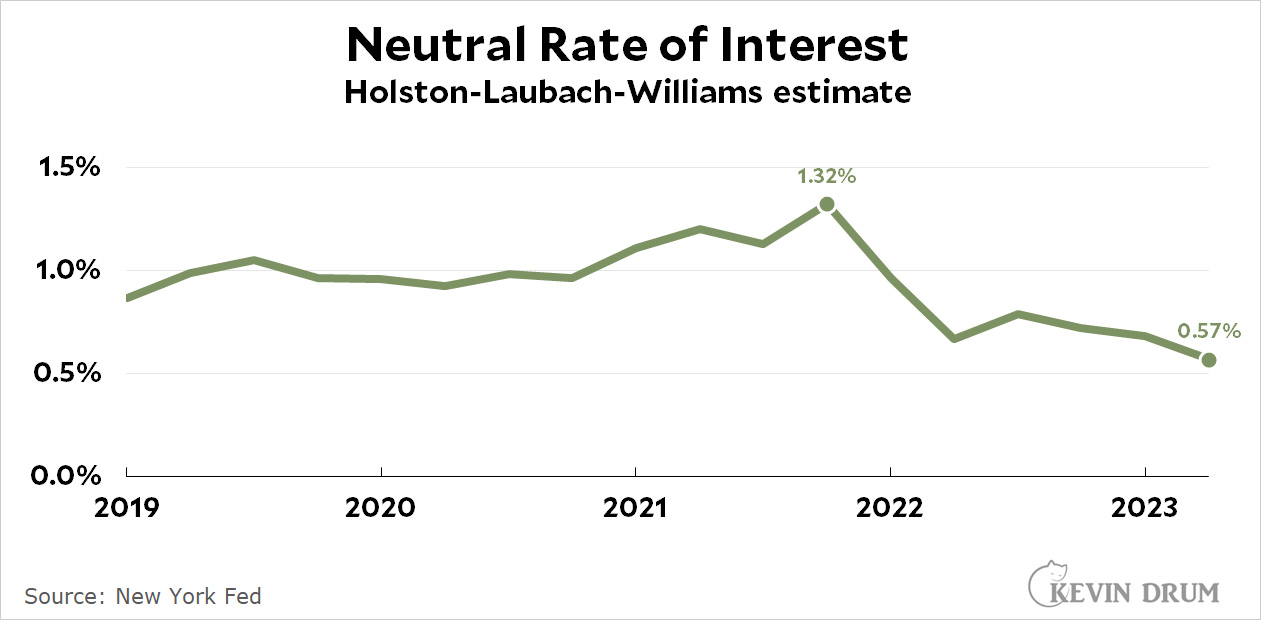
Interest rates “right now” represent a significant departure from the era of easy money. We are currently in a period of stabilization, where the Federal Reserve is watching data closely to decide when—or if—to begin cutting rates. For the consumer, the message is clear: borrowing is expensive, and saving is rewarding.
To navigate this environment successfully, focus on three core actions:
- Eliminate Variable Debt: Prioritize paying off credit cards and HELOCs that are sensitive to rate hikes.
- Shop for Yield: Don’t let your cash sit idle in a low-interest checking account; move it to an HYSA or CD to take advantage of 5% yields.
- Be Strategic with Real Estate: If you must buy a home, focus on the purchase price rather than just the rate, knowing that you may be able to refinance if rates drop in the future.
By understanding the mechanics behind these rates, you can move from being a passive observer of the economy to an active manager of your financial future. The current rates may be high, but with the right strategy, they can be managed—and even leveraged—to build long-term wealth.
aViewFromTheCave is a participant in the Amazon Services LLC Associates Program, an affiliate advertising program designed to provide a means for sites to earn advertising fees by advertising and linking to Amazon.com. Amazon, the Amazon logo, AmazonSupply, and the AmazonSupply logo are trademarks of Amazon.com, Inc. or its affiliates. As an Amazon Associate we earn affiliate commissions from qualifying purchases.