
When embarking on the journey of homeownership, the question “what is the interest rate for a mortgage?” is often the first one asked. However, the answer is rarely a single, static number. Mortgage interest rates are the heartbeat of the real estate market and a pivotal factor in personal finance. They determine not only your monthly payment but also the total cost of your home over several decades. To navigate this complex landscape, one must understand that interest rates are a confluence of global economic shifts, central bank policies, and individual financial health.
The Mechanics of Mortgage Interest Rates: Fixed vs. Variable Structures
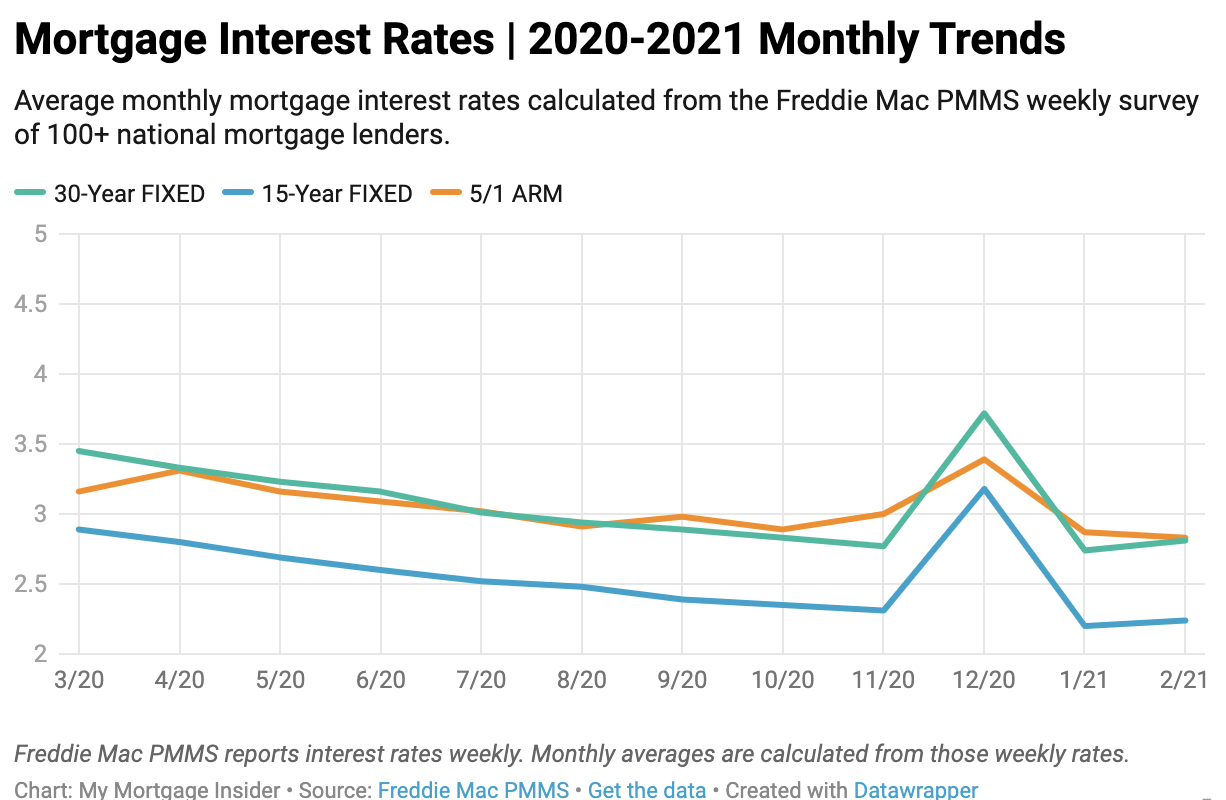
At its most basic level, a mortgage interest rate is the cost of borrowing money from a lender to purchase property. This cost is expressed as a percentage of the loan amount. However, the structure of that interest can vary significantly, impacting your long-term financial planning.
Fixed-Rate Mortgages: Stability and Predictability
The most common type of mortgage is the fixed-rate loan, typically spanning 15 or 30 years. In this structure, the interest rate remains identical from the first payment to the last. This provides a hedge against inflation and market volatility. For a homeowner, a fixed rate offers the ultimate peace of mind; regardless of whether the economy booms or busts, the principal and interest portion of the monthly mortgage payment remains unchanged. From a personal finance perspective, this allows for precise long-term budgeting.
Adjustable-Rate Mortgages (ARMs): Calculated Risk
An Adjustable-Rate Mortgage (ARM) usually begins with a lower interest rate than a fixed-rate loan for a set period (such as 5, 7, or 10 years). After this initial period, the rate adjusts periodically based on a specific financial index. While the starting rate is attractive, ARMs carry the risk of rising payments in the future. These are often utilized by savvy investors or professionals who plan to sell the property or refinance before the adjustment period begins.
The Annual Percentage Rate (APR) vs. The Base Rate
It is crucial for borrowers to distinguish between the “sticker price” interest rate and the Annual Percentage Rate (APR). While the interest rate determines your monthly payment, the APR includes the interest rate plus other costs, such as lender fees, mortgage insurance, and points. When comparing offers from different financial institutions, the APR is the more accurate metric for the total cost of the loan.
Macroeconomic Factors: Why Mortgage Rates Fluctuate
Individual lenders do not set rates in a vacuum. Instead, mortgage rates are influenced by a complex web of macroeconomic indicators and government interventions. Understanding these can help potential buyers time their entry into the market.
The Role of the Federal Reserve and Central Banks
While the Federal Reserve does not directly set mortgage rates, its control over the federal funds rate—the rate at which banks lend to each other overnight—has a powerful “trickle-down” effect. When the Fed raises rates to combat inflation, the cost of borrowing increases across the board, including for mortgages. Conversely, when the economy needs a boost, the Fed may lower rates, making home loans more affordable.
Inflation and the 10-Year Treasury Yield
Mortgage rates are often closely tied to the yield on 10-year Treasury bonds. Investors in the bond market are sensitive to inflation; if they expect inflation to rise, they demand higher yields to maintain their purchasing power. Because mortgage-backed securities (MBS) compete for the same investors as Treasury bonds, when bond yields go up, mortgage rates typically follow suit. Keeping an eye on the “10-year” is a professional strategy for predicting where mortgage rates are headed.
Economic Growth and Housing Market Demand
When the economy is strong, consumer confidence is high, and more people want to buy homes. This increased demand for loans can lead lenders to raise rates. Conversely, during economic downturns, demand for housing may drop, prompting lenders to lower rates to attract borrowers. The balance of supply and demand in the housing market acts as a constant regulator of the current interest rate environment.
Personal Financial Factors: How Your Profile Determines Your Rate
While market trends set the “floor” for interest rates, your personal financial health determines how far above that floor your specific rate will be. Lenders use a process called underwriting to assess the risk of lending to you.
The Power of the Credit Score
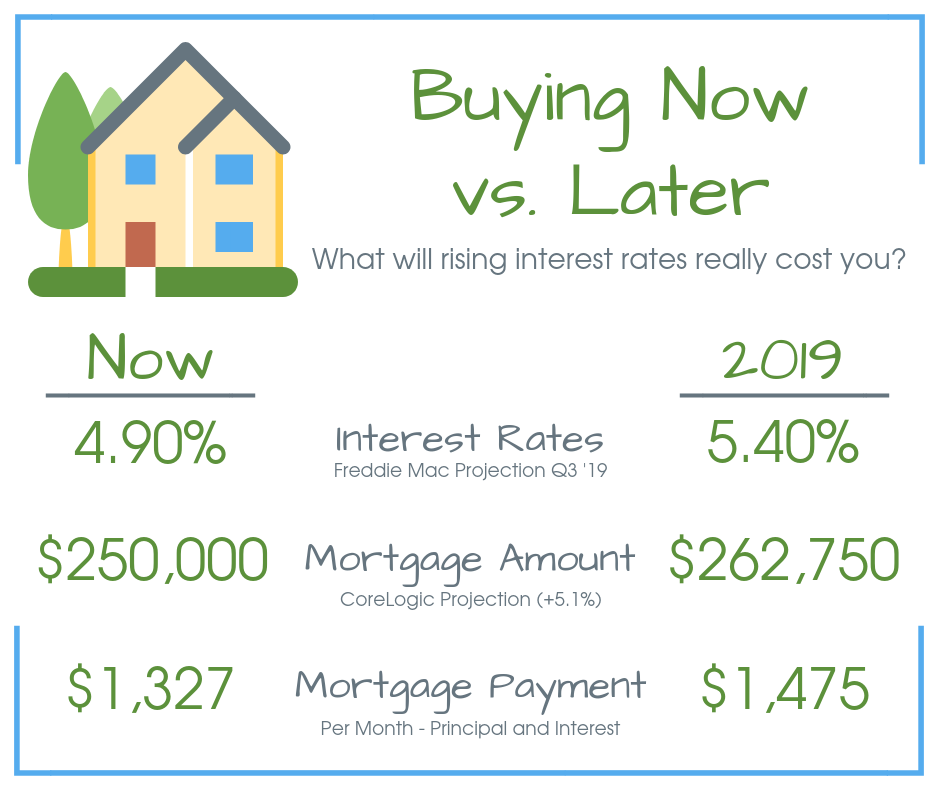
Your credit score is perhaps the single most influential factor in the mortgage rate you are offered. Lenders view a high credit score as evidence of financial responsibility. A borrower with a “Very Good” to “Exceptional” score (740+) will almost always qualify for the lowest available rates. On the other hand, a “Fair” score may result in a rate that is 1% to 2% higher, which can translate into hundreds of thousands of dollars in extra interest over the life of a 30-year loan.
Debt-to-Income (DTI) Ratio and Employment History
Lenders want to ensure that you have sufficient income to cover your new mortgage along with your existing debts (credit cards, car loans, student debt). A lower DTI ratio indicates a lower risk of default. Furthermore, most lenders look for a stable two-year employment history within the same field. Stability in income suggests to the bank that you are a reliable “bet,” which can help in securing a competitive rate.
The Impact of Down Payments and Loan-to-Value (LTV)
The more skin you have in the game, the less risk the lender carries. A down payment of 20% or more typically secures a better interest rate and allows you to avoid Private Mortgage Insurance (PMI). A lower Loan-to-Value (LTV) ratio tells the lender that even if the housing market dips, the loan is still well-collateralized by the property’s equity.
Strategies to Secure the Best Possible Rate
Securing a mortgage is a negotiation, not a passive acceptance of an offer. There are several proactive steps a borrower can take to optimize their financial position before signing the dotted line.
Shopping Around and Comparing Loan Estimates
One of the biggest mistakes home buyers make is only talking to their primary bank. Research shows that comparing quotes from at least three different lenders—including credit unions, national banks, and mortgage brokers—can save a borrower thousands of dollars. Each lender has different overhead costs and risk appetites, which results in varied rate offers.
Buying Points: Prepaying Interest
If you plan to stay in your home for a long time, you might consider “buying points.” One point typically costs 1% of the loan amount and reduces your interest rate by a specific increment (usually 0.25%). This is essentially a trade-off: you pay more upfront to secure a lower monthly payment and lower total interest over the life of the loan. Calculating the “break-even point”—the moment where your monthly savings exceed the initial cost of the points—is a vital financial exercise.
Locking in Your Rate
Mortgage rates can change multiple times in a single day. Once you find a rate that fits your budget, you can request a “rate lock.” This agreement guarantees that your interest rate won’t change between the time you apply for the loan and the time you close, provided you close within a specific timeframe (usually 30 to 60 days). In a rising-rate environment, a rate lock is an essential tool for protecting your financial plan.
The Long-term Impact of Interest Rates on Wealth Building
The interest rate on a mortgage is not just a monthly expense; it is a major factor in your overall net worth and wealth accumulation strategy.
The Reality of Amortization
In the early years of a mortgage, the majority of your monthly payment goes toward interest rather than the principal balance. This is known as amortization. A higher interest rate extends the time it takes to build significant equity in the home. By securing even a slightly lower rate, you accelerate the rate at which you own the asset outright, thereby increasing your net worth faster.
Refinancing as a Financial Tool
Interest rates are not permanent. If rates drop significantly after you have purchased your home, you can “refinance” your mortgage. This involves taking out a new loan at the lower rate to pay off the old one. Successful refinancing can lower your monthly payments, shorten the loan term, or allow you to tap into home equity for other investments. However, one must always account for closing costs to ensure the refinance makes financial sense.
Opportunity Cost and Investment Strategy
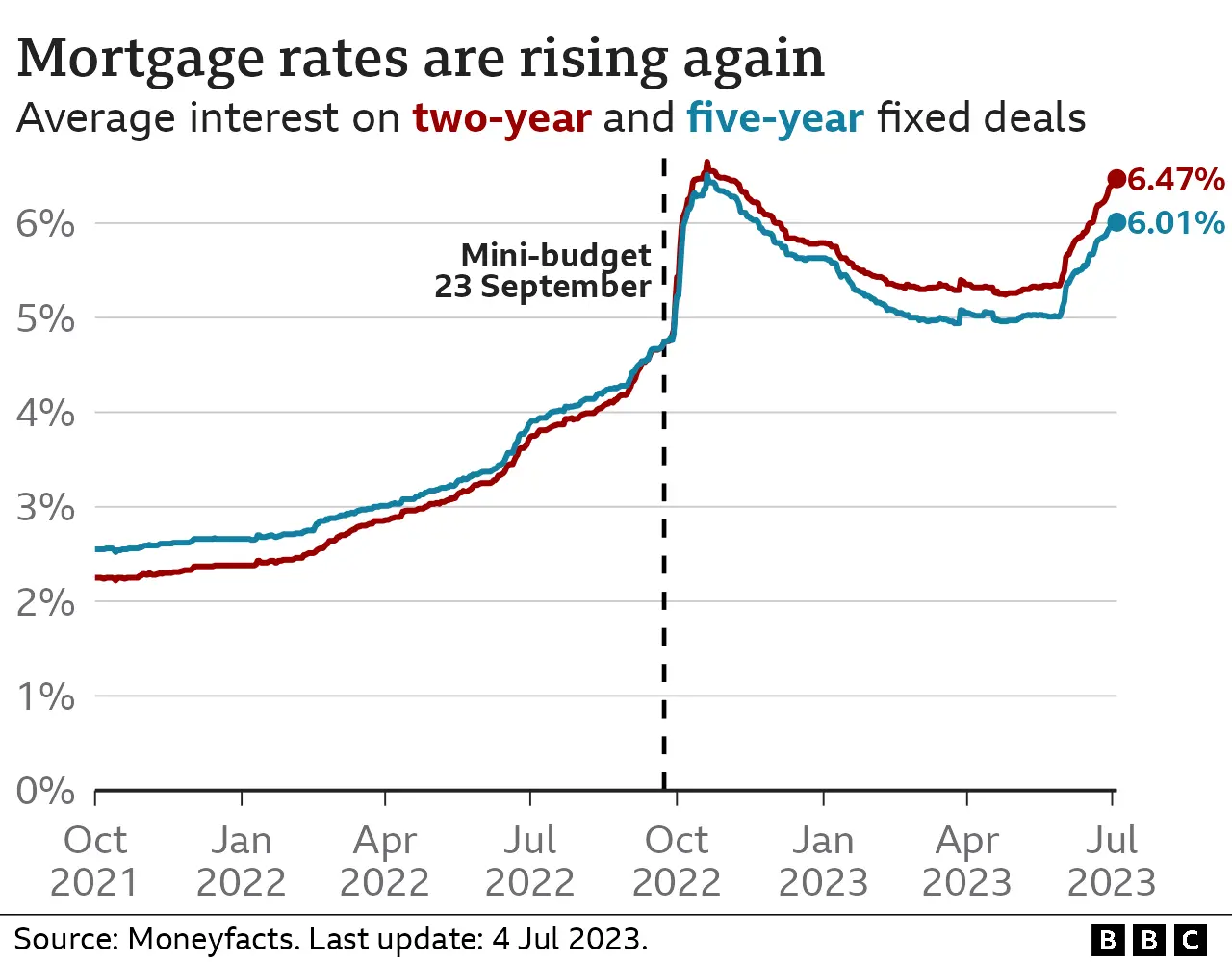
From a broad personal finance perspective, the mortgage interest rate must be compared to the potential returns of other investments. If you have a mortgage rate of 3%, but the stock market is returning an average of 7%, it may make more sense to pay the minimum on the mortgage and invest your extra cash. However, if mortgage rates are high (e.g., 7% or 8%), paying down the mortgage early offers a “guaranteed return” on your money that is hard to beat elsewhere.
In conclusion, the question of “what is the interest rate for a mortgage” is the starting point for a deep dive into your financial future. By understanding the interplay between market forces and personal financial health, you can make an informed decision that secures not just a house, but a solid foundation for long-term wealth.
aViewFromTheCave is a participant in the Amazon Services LLC Associates Program, an affiliate advertising program designed to provide a means for sites to earn advertising fees by advertising and linking to Amazon.com. Amazon, the Amazon logo, AmazonSupply, and the AmazonSupply logo are trademarks of Amazon.com, Inc. or its affiliates. As an Amazon Associate we earn affiliate commissions from qualifying purchases.