
The landscape of personal finance is often defined by cycles, and perhaps no cycle is more closely watched by the average consumer than that of the mortgage market. For potential homebuyers and current homeowners alike, the question “What is the current interest rate for home loans?” is not just a matter of curiosity; it is a fundamental pivot point for financial planning. In the current economic climate, interest rates have transitioned from the historic lows seen in the early 2020s to a more volatile, elevated range. This shift has profound implications for monthly affordability, long-term wealth accumulation, and the broader real estate market.
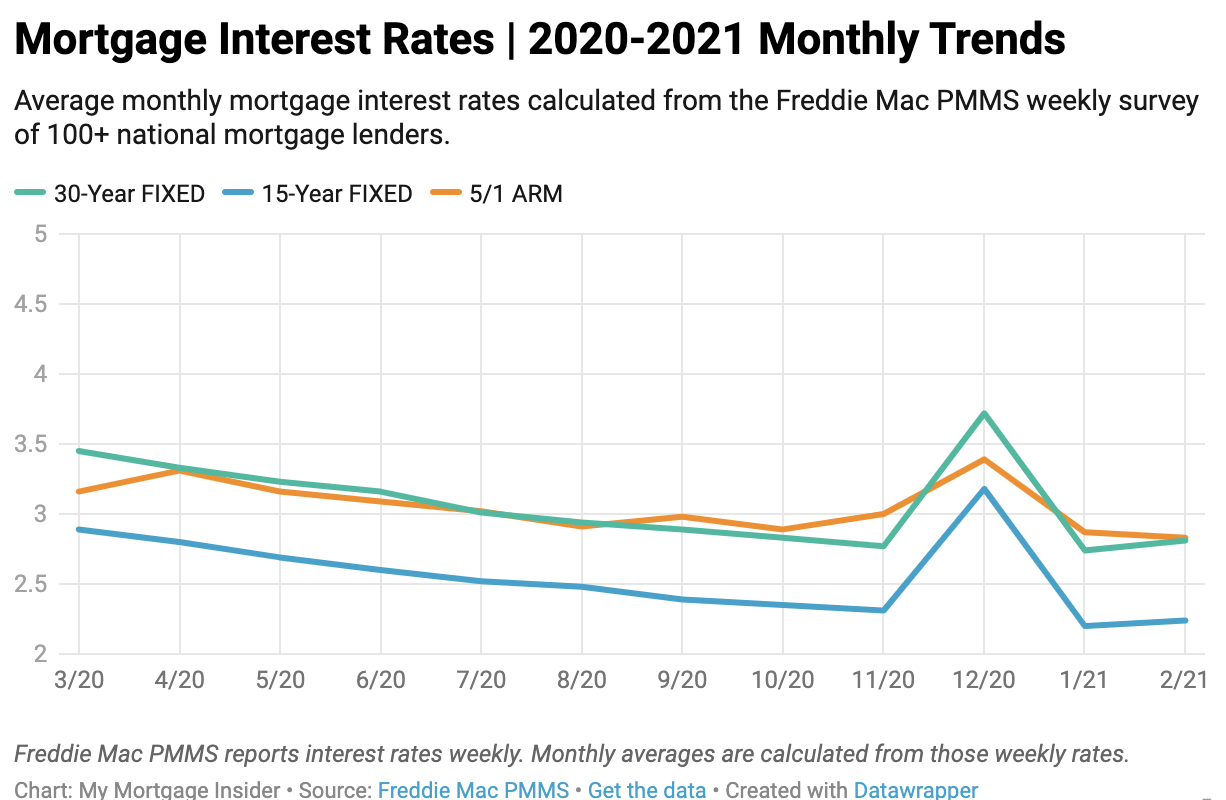
Navigating this environment requires more than just a cursory glance at a daily ticker. It demands an understanding of the macroeconomic forces at play, the nuances of different loan products, and the personal financial metrics that lenders use to determine an individual’s specific rate.
1. The Macroeconomic Forces Shaping Today’s Mortgage Rates
Interest rates do not exist in a vacuum. They are the result of a complex interplay between government policy, investor sentiment, and global economic health. To understand where rates are today, one must look at the pillars of the financial system.
The Role of the Federal Reserve and Monetary Policy
While the Federal Reserve does not directly set mortgage rates, its influence is paramount. The Fed controls the federal funds rate—the interest rate at which commercial banks borrow and lend to one another overnight. When the Fed raises this rate to combat inflation, the cost of borrowing increases across the board. Mortgage lenders respond by raising rates on home loans to maintain profit margins and account for the increased cost of capital. In recent years, the Fed’s aggressive stance on curbing inflation has been the primary driver behind the upward trajectory of mortgage costs.
Inflation and the 10-Year Treasury Yield
Mortgage rates are most closely tethered to the 10-year Treasury bond yield. Investors view mortgages as long-term debt securities. When inflation is high, the future value of the interest payments investors receive is eroded. Consequently, they demand higher yields to compensate for that risk. If the 10-year Treasury yield rises due to inflation concerns or a strong economy, mortgage rates almost invariably follow suit. Tracking the “spread” between the 10-year yield and the 30-year fixed mortgage rate is a key strategy for financial analysts seeking to predict short-term movements.
Global Economic Stability and Market Volatility
In times of global uncertainty—be it geopolitical conflict or financial instability in foreign markets—investors often flock to the safety of U.S. Treasuries. This “flight to quality” can temporarily drive down yields, providing a brief window of lower mortgage rates. Conversely, a booming global economy can lead to higher rates as capital flows into riskier, higher-return assets like stocks, leaving the bond market (and mortgage-backed securities) with less demand.
2. Decoding Mortgage Products: Which Rate Fits Your Strategy?
When a consumer asks about the “current rate,” they are often met with a range of numbers. This is because the interest rate is highly dependent on the type of loan product selected. Choosing the right structure is a critical component of a sound personal finance strategy.
The 30-Year Fixed-Rate Mortgage: The Gold Standard
The 30-year fixed-rate mortgage remains the most popular choice for American homebuyers. Its primary appeal lies in its stability. Regardless of how high inflation climbs or how the Fed moves, the interest rate and the principal-and-interest payment remain constant for three decades. While the rates for these loans are typically higher than shorter-term or adjustable options, the “insurance” of a fixed payment provides invaluable peace of mind for long-term budgeting.
The 15-Year Fixed-Rate Mortgage: Building Equity Faster
For those with a higher risk tolerance and greater monthly cash flow, the 15-year fixed-rate mortgage offers a significantly lower interest rate compared to its 30-year counterpart. The financial benefit is twofold: a lower rate means less interest paid over the life of the loan, and the shorter term ensures the home is owned outright in half the time. However, the trade-off is a much higher monthly payment, which can limit a household’s liquid savings.
Adjustable-Rate Mortgages (ARMs): Calculated Risk
In a high-interest-rate environment, ARMs often see a surge in popularity. An ARM typically offers a lower “teaser” rate for an initial period (such as 5, 7, or 10 years). After this period, the rate adjusts annually based on market indices. For a buyer who intends to sell the home or refinance before the adjustment period begins, an ARM can be a savvy financial tool to save thousands in interest. However, if market rates remain high when the adjustment kicks in, the borrower faces the risk of “payment shock.”

Government-Backed Loans: FHA, VA, and USDA
The current interest rates for government-backed loans often differ from conventional loans. FHA (Federal Housing Administration) loans, designed for those with lower credit scores or smaller down payments, may offer slightly lower interest rates but come with the added cost of mandatory mortgage insurance premiums (MIP). VA loans for veterans often boast the lowest rates on the market with no down payment requirement, representing a significant financial benefit for those who have served.
3. The Personal Finance Variables: Optimizing Your Individual Rate
A “market rate” is merely a benchmark. The actual rate a lender offers a borrower is tailored to their specific financial profile. Understanding these variables allows a consumer to take proactive steps to lower their borrowing costs.
The Critical Weight of Credit Scores
In the eyes of a lender, a credit score is a proxy for risk. Borrowers with “Excellent” credit (typically 760 and above) are rewarded with the lowest available rates. Those in the “Fair” or “Good” categories may find themselves paying 0.5% to 1.5% more in interest. Over the life of a $400,000 loan, even a 1% difference in the interest rate can result in over $100,000 in additional interest payments. Improving a credit score by paying down revolving debt and ensuring on-time payments is perhaps the most effective way to “lower” the current interest rate for a home loan.
Debt-to-Income Ratio (DTI) and Down Payment Size
Lenders also examine the Debt-to-Income ratio—the percentage of gross monthly income that goes toward paying debts. A lower DTI suggests a borrower is less likely to default, which can sometimes lead to better rate offers. Similarly, a larger down payment reduces the Loan-to-Value (LTV) ratio. If a borrower can put down 20% or more, they not only avoid Private Mortgage Insurance (PMI) but also signal to the lender that they have “skin in the game,” often resulting in a more competitive rate.
Discount Points: Paying Upfront to Save Later
A common tactic in mortgage financing is the purchase of “discount points.” One point typically costs 1% of the loan amount and reduces the interest rate by approximately 0.25%. This is essentially “prepaid interest.” From a personal finance perspective, this requires a break-even analysis: if the monthly savings generated by the lower rate take five years to recoup the upfront cost of the points, and the borrower plans to stay in the home for ten years, buying points is a winning strategy.
4. Strategic Navigation: Timing and Tactics in a Changing Market
With interest rates constantly in flux, the timing of a home purchase or a refinance becomes a strategic exercise. While one cannot “time the market” perfectly, certain tactics can mitigate the impact of high rates.
The Power of the Rate Lock
Once a borrower finds a rate they are comfortable with, the “rate lock” becomes their best friend. A rate lock guarantees the interest rate for a specific period (usually 30 to 60 days) while the loan is being processed. In a rising rate environment, failing to lock in a rate can result in a higher monthly payment by the time the deal closes. Some lenders even offer “lock and shop” programs, allowing buyers to freeze a rate before they have even found a property.
Refinancing: The “Marry the House, Date the Rate” Philosophy
A popular sentiment in high-rate markets is the idea of “marrying the house and dating the rate.” This implies that a buyer should purchase the home they want now, even at a higher interest rate, with the intention of refinancing later when rates drop. While this is a viable financial strategy, it requires a buffer. A borrower must be able to afford the current payment comfortably, as there is no guarantee when—or if—rates will return to previous lows.
Comparing Lenders and Negotiation
Many consumers settle for the first rate quoted by their primary bank. However, mortgage rates can vary significantly between retail banks, credit unions, and online mortgage brokers. Savvy borrowers should obtain at least three “Loan Estimates.” By showing a competitor’s offer to another lender, borrowers can often negotiate lower origination fees or a slightly better interest rate, proving that in the world of finance, it pays to shop around.

Conclusion: Perspective on the Long-Term Financial Journey
While the question “What is the current interest rate for home loans?” is a snapshot in time, the answer should be viewed through the lens of a long-term financial journey. Even at 6% or 7%, current rates are historically moderate when compared to the double-digit rates of the 1980s.
For the disciplined investor and homeowner, the goal is not necessarily to find the lowest rate in history, but to find a rate that fits within a sustainable monthly budget and allows for the accumulation of home equity. By understanding the macroeconomic drivers, choosing the right loan product, optimizing personal credit, and employing smart negotiation tactics, individuals can secure a home loan that serves as a foundation for future financial stability rather than a burden. In the end, the “best” rate is the one that allows you to secure the asset while maintaining the liquidity needed to fund the rest of your life’s ambitions.
aViewFromTheCave is a participant in the Amazon Services LLC Associates Program, an affiliate advertising program designed to provide a means for sites to earn advertising fees by advertising and linking to Amazon.com. Amazon, the Amazon logo, AmazonSupply, and the AmazonSupply logo are trademarks of Amazon.com, Inc. or its affiliates. As an Amazon Associate we earn affiliate commissions from qualifying purchases.