
The question of “what are the mortgage rates right now” is more than just a search for a percentage; it is a search for clarity in an increasingly complex financial ecosystem. For prospective homeowners, real estate investors, and those looking to refinance, mortgage rates represent the single most significant factor in determining the long-term cost of debt. In recent years, the market has transitioned from historic lows to a period of heightened volatility, making it essential for anyone involved in personal finance to understand the mechanisms behind these fluctuations.
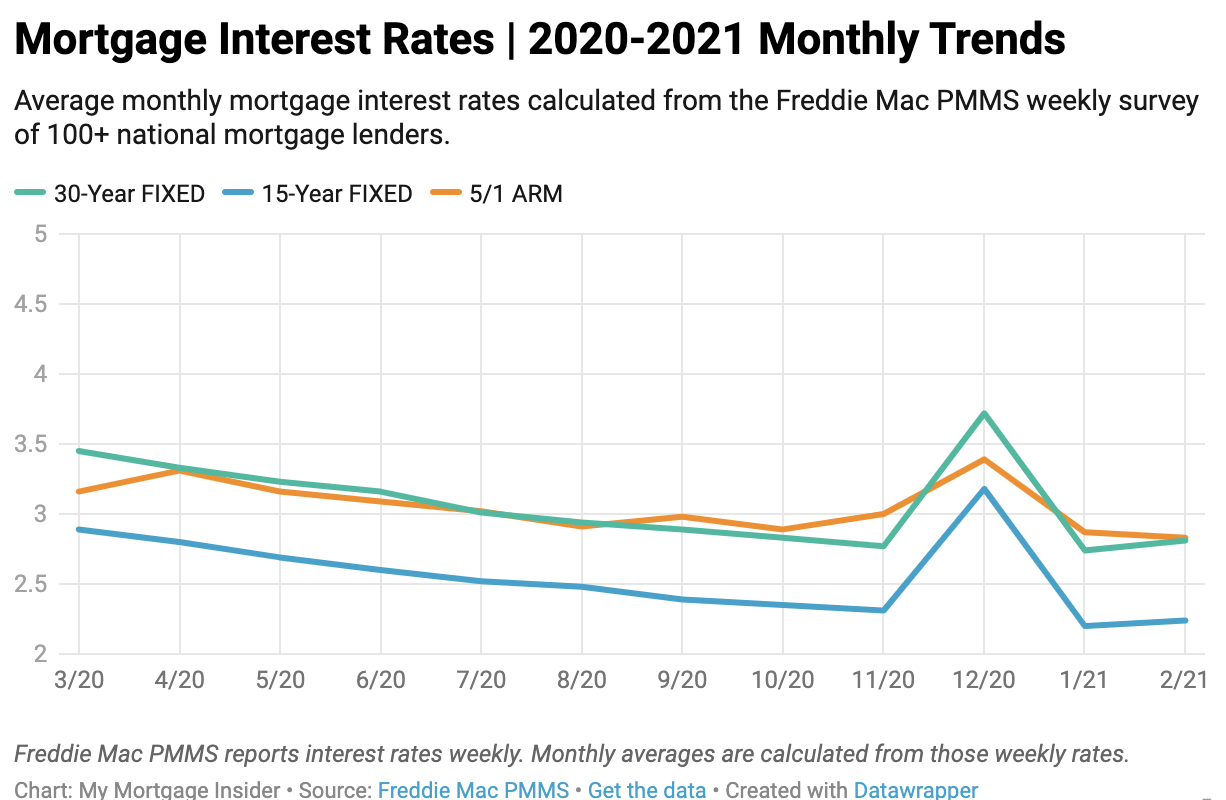
Understanding mortgage rates requires looking beyond a daily ticker. It involves analyzing macroeconomic policy, individual financial health, and the various loan products available in the marketplace. This guide provides an in-depth analysis of the current state of mortgage rates, the factors that drive them, and strategies for securing the most favorable terms in today’s economy.
1. Understanding the Macroeconomic Drivers of Mortgage Rates
Mortgage rates do not exist in a vacuum. They are the result of a complex interplay between government policy, investor sentiment, and global economic health. While many believe the Federal Reserve sets mortgage rates directly, the reality is more nuanced.
The Role of the Federal Reserve and the Federal Funds Rate
The Federal Reserve (the Fed) influences mortgage rates through its control of the federal funds rate—the interest rate at which commercial banks borrow and lend to one another overnight. When the Fed raises rates to combat inflation, the cost of borrowing increases across the board. While this doesn’t move mortgage rates in a 1:1 ratio, it sets the “floor” for lending costs. When the Fed signals a “hawkish” stance (inclination to raise rates), mortgage lenders typically price in those expectations ahead of time, leading to a rise in consumer rates.
The Influence of 10-Year Treasury Yields
Historically, there is a strong correlation between the 10-year Treasury note yield and the 30-year fixed-rate mortgage. Mortgage-backed securities (MBS) compete with Treasury bonds for investor dollars. Because mortgages are considered slightly riskier than government debt, they must offer a higher yield (the “spread”). Currently, as Treasury yields fluctuate based on economic data—such as employment reports and GDP growth—mortgage rates tend to follow suit within a few days or even hours.
Inflation and Its Impact on Purchasing Power
Inflation is the natural enemy of fixed-income investments like mortgages. If a lender issues a 30-year loan at 6%, and inflation rises to 5%, the real return for the lender is only 1%. To protect their profit margins, lenders demand higher interest rates during periods of high inflation. Conversely, when inflation data shows signs of cooling, mortgage rates often stabilize or decline as the market anticipates a more favorable environment for long-term lending.
2. Factors That Influence Your Specific Mortgage Rate
While the national average gives a baseline, the rate you are actually quoted depends heavily on your personal financial profile. Lenders use a risk-based pricing model to determine how likely a borrower is to default on their loan.
The Significance of Credit Scores
Your credit score is perhaps the most influential factor within your control. Lenders generally categorize borrowers into “tiers.” Those with a “prime” score (typically 760 or higher) receive the lowest advertised rates. As the credit score drops, the interest rate increases to compensate the lender for the higher risk. Over the life of a 30-year loan, a difference of just 1% in the interest rate—driven by a lower credit score—can result in tens of thousands of dollars in additional interest payments.
Loan-to-Value (LTV) Ratios and Down Payments
The amount of “skin in the game” you have also dictates your rate. The Loan-to-Value (LTV) ratio compares the loan amount to the appraised value of the home. A borrower putting down 20% (an 80% LTV) is seen as less risky than a borrower putting down only 3.5%. Higher down payments often unlock lower interest rates and eliminate the need for Private Mortgage Insurance (PMI), further reducing the monthly financial burden.
Debt-to-Income (DTI) Ratio Considerations
Lenders analyze your Debt-to-Income ratio to ensure you have the cash flow to manage a new mortgage. This ratio compares your total monthly debt obligations (including the projected mortgage payment) to your gross monthly income. While a high DTI might not always disqualify a borrower, it can lead to “pricing adjustments” where the lender increases the interest rate to offset the perceived risk of a tight monthly budget.
3. Comparing Different Mortgage Products
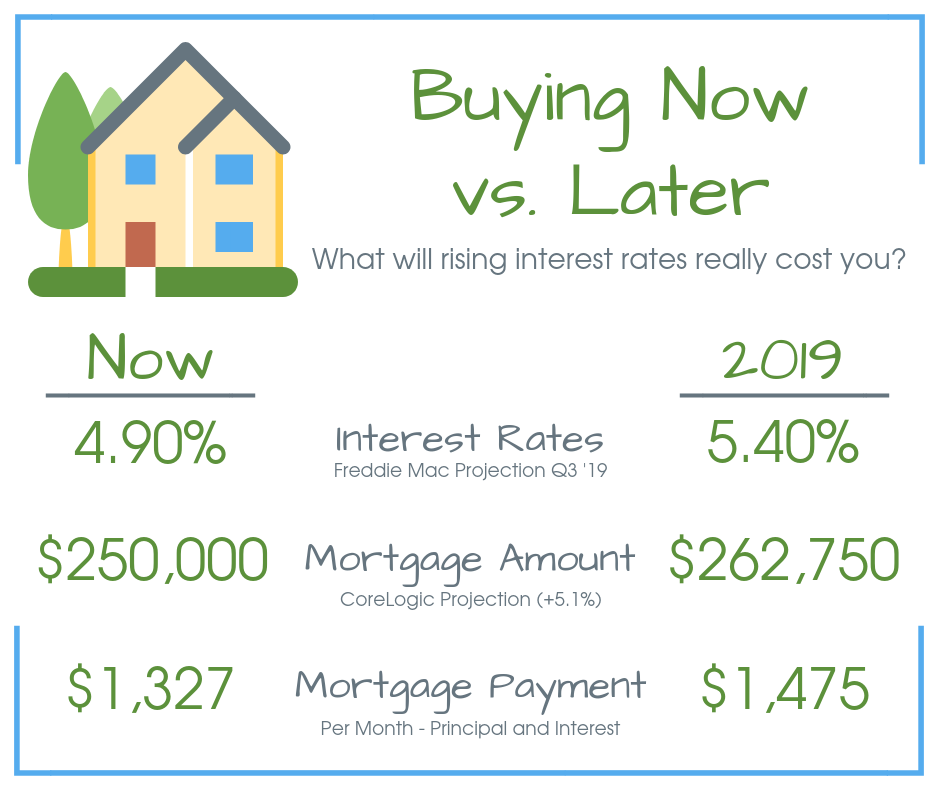
The “current rate” varies significantly depending on the type of loan product you choose. Not all mortgages are created equal, and the right choice depends on your financial goals and the length of time you plan to stay in the home.
Fixed-Rate vs. Adjustable-Rate Mortgages (ARMs)
The 30-year fixed-rate mortgage remains the gold standard for stability. It offers a consistent payment for three decades, protecting the borrower from future rate hikes. However, in high-rate environments, Adjustable-Rate Mortgages (ARMs) often become more attractive. ARMs typically offer a lower initial interest rate for a set period (such as 5, 7, or 10 years). After that, the rate adjusts based on market indices. For borrowers who plan to sell or refinance before the adjustment period, an ARM can be a strategic way to lower monthly costs.
Government-Backed Loans: FHA, VA, and USDA
For those who may not meet the strict requirements of conventional loans, government-backed options offer a different rate structure. FHA loans, backed by the Federal Housing Administration, often have lower interest rates than conventional loans for borrowers with lower credit scores. VA loans, available to veterans and active-duty service members, frequently offer the most competitive rates in the market with the added benefit of no down payment. USDA loans provide similar benefits for those purchasing homes in designated rural areas.
Jumbo Loans for High-Value Properties
When a loan amount exceeds the conforming limits set by the Federal Housing Finance Agency (FHFA), it is classified as a “Jumbo” loan. Because these loans cannot be purchased by Fannie Mae or Freddie Mac, they carry different risks for lenders. Interestingly, Jumbo rates can sometimes be lower than conventional rates, as lenders compete for high-net-worth clients who bring significant deposits and auxiliary business to the bank.
4. Strategies for Securing the Lowest Rate Possible
In a fluctuating market, being proactive can save you a significant amount of money. Rates can change multiple times in a single day, so having a strategy in place is essential.
Shopping Around and Comparing Loan Estimates
One of the most common mistakes borrowers make is only checking with their primary bank. Research shows that borrowers who obtain at least three different quotes can save thousands of dollars over the life of the loan. When comparing offers, look at the “Loan Estimate” form, which is a standardized document. Focus not just on the interest rate, but on the Annual Percentage Rate (APR), which includes the interest rate plus lender fees and points, providing a more accurate picture of the total cost.
Buying Down the Rate with Discount Points
If you have extra cash upfront, you can “buy down” your interest rate by paying discount points. One point typically costs 1% of the total loan amount and reduces your interest rate by a specific increment (often 0.25%). This is an investment; you must calculate the “break-even point”—the number of months it will take for the monthly savings to equal the upfront cost. If you plan to stay in the home long-term, buying points can be a highly effective financial move.
Locking in Your Rate at the Right Time
Once you find a rate you are comfortable with, you can “lock” it. A rate lock guarantees that your interest rate won’t change between the time you apply and the time you close, provided the loan closes within a specific timeframe (usually 30 to 60 days). In a rising rate environment, locking early is crucial. Some lenders also offer “float-down” provisions, which allow you to lock in a rate but also take advantage if rates happen to drop before you close.
5. The Outlook for the Future Housing Market
The trajectory of mortgage rates “right now” is heavily dependent on the path of the broader economy. As we look toward the coming quarters, several factors will dictate whether rates trend downward or remain “higher for longer.”
Predictive Trends and Economic Indicators
Economists closely watch the Consumer Price Index (CPI) and employment data. If the labor market remains tight and inflation stays above the Fed’s 2% target, rates are likely to remain elevated. However, if the economy shows signs of a significant slowdown, the Fed may pivot toward rate cuts, which would eventually pull mortgage rates lower. Staying informed on these macro trends allows borrowers to time their entry into the market more effectively.
The Inventory “Lock-in” Effect
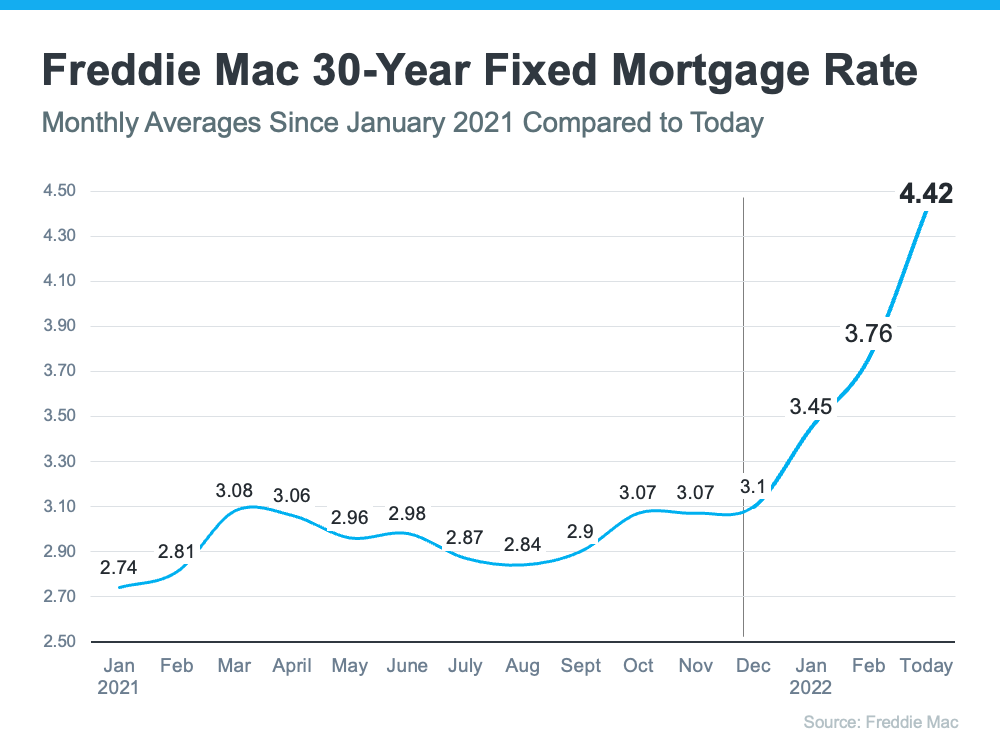
A unique aspect of the current market is the “lock-in” effect. Many homeowners currently hold mortgages with rates between 2% and 4% from the pandemic era. Moving would mean trading that low rate for a significantly higher one, which has led to a shortage of existing homes for sale. This supply-and-demand imbalance keeps home prices high even when rates are elevated. For buyers, this means that even if rates stay stagnant, the competition for available homes remains fierce.
Long-term Investment Implications
From a personal finance perspective, the decision to buy “right now” shouldn’t be based solely on the interest rate. Real estate is historically a long-term hedge against inflation. Even at 6% or 7%, mortgage rates are still within historical norms when viewed over a 50-year horizon. For many, the ability to build equity and benefit from property appreciation outweighs the temporary pain of a higher interest rate—especially since the option to refinance always remains on the table if rates drop in the future.
In conclusion, “what the mortgage rates are right now” is a snapshot of a moving target. By understanding the underlying economic forces, optimizing your personal financial profile, and choosing the right loan product, you can navigate this environment with confidence. Finance is about strategy, and in the world of mortgages, a well-informed strategy is the most valuable asset you can have.
aViewFromTheCave is a participant in the Amazon Services LLC Associates Program, an affiliate advertising program designed to provide a means for sites to earn advertising fees by advertising and linking to Amazon.com. Amazon, the Amazon logo, AmazonSupply, and the AmazonSupply logo are trademarks of Amazon.com, Inc. or its affiliates. As an Amazon Associate we earn affiliate commissions from qualifying purchases.