
The rapid evolution of Generative Pre-trained Transformers (GPT) has fundamentally altered the global technological landscape. For developers, researchers, and tech enthusiasts, access to OpenAI’s ChatGPT Plus—and by extension, the GPT-4o model, DALL-E 3, and advanced data analysis tools—is no longer a luxury but a professional necessity. However, for users operating within the borders of Iran, the intersection of international sanctions and local internet restrictions creates a complex technical barrier.
Accessing ChatGPT Plus from Iran is not merely a matter of having the funds; it is a multi-layered technical challenge involving IP obfuscation, identity verification bypassing, and the navigation of international digital payment infrastructures. This guide provides a deep dive into the technical methodologies required to successfully subscribe to and maintain a ChatGPT Plus account from within a restricted jurisdiction.
The Technical Architecture of Geo-Restrictions and IP Integrity
The primary hurdle in accessing OpenAI services from Iran is geofencing. OpenAI utilizes sophisticated detection mechanisms to identify and block traffic originating from sanctioned regions. To bypass these, a user must not only change their IP address but ensure that their digital footprint appears entirely consistent with a supported region, such as the United States, Germany, or the United Arab Emirates.
Understanding IP Geofencing and the Necessity of Dedicated IPs
Standard Virtual Private Networks (VPNs) often provide shared IP addresses. These IPs are frequently flagged by security platforms like Cloudflare, which OpenAI uses to protect its infrastructure. When hundreds of users attempt to access ChatGPT from the same “exit node” IP, that IP is blacklisted, leading to “Access Denied” errors or constant CAPTCHA challenges.
For a stable ChatGPT Plus experience, technical users should opt for a Dedicated IP or a Residential Proxy. A dedicated IP ensures that you are the sole user of that specific address, significantly reducing the likelihood of being flagged as a bot or a “proxy user.” Furthermore, the protocol used matters; WireGuard and V2Ray (VMess/VLess) protocols currently offer superior obfuscation compared to older protocols like OpenVPN, which are more easily detected by Deep Packet Inspection (DPI) systems.
The Critical Role of DNS Leak Protection
Even with a robust VPN, a “DNS leak” can reveal your true location. If your browser sends DNS queries to a local Iranian ISP while the data traffic goes through a tunnel, OpenAI’s servers can detect the discrepancy. To mitigate this, users must configure their systems to use encrypted DNS (DNS over HTTPS or DNS over TLS). Tools like 1.1.1.1 (Cloudflare) or Google Public DNS should be hard-coded into the network settings or the VPN client to ensure that every layer of the connection points to a supported region.
Overcoming Authentication Hurdles: Virtual Numbers and Identity Verification
Once the network layer is secured, the next technical challenge is account verification. OpenAI requires a valid phone number from a supported country to register an account. Iranian +98 numbers are strictly prohibited and will not receive the necessary SMS verification code.
Bypassing the SMS Verification Gatekeeper
The solution involves utilizing non-VoIP (Voice over Internet Protocol) virtual numbers. Many “free” online SMS services provide VoIP numbers, which are easily detected and rejected by OpenAI’s verification system. Technical users typically turn to specialized SMS activation services that provide temporary access to “real” SIM card numbers from countries like England, Poland, or the United States.
When selecting a country for your virtual number, it is imperative that it matches the region of your IP address. If your VPN is set to a Dutch server but you provide a US phone number, it creates a “regional mismatch” flag in OpenAI’s fraud detection system. This can lead to an immediate account shadowban or a refusal to process the subscription payment later.
Securing the Account Against Sudden Revocation
Digital hygiene is paramount once the account is active. To prevent the “Technical Ban”—where an account is terminated due to detected suspicious activity—users must avoid switching between different VPN countries frequently. The most effective strategy is to dedicate a specific browser profile (using Chrome’s “People” feature or Firefox Multi-Account Containers) solely to ChatGPT. This profile should have its cache and cookies cleared before the first login and should never be accessed without the designated VPN active.
Digital Payment Infrastructures for the Restricted User
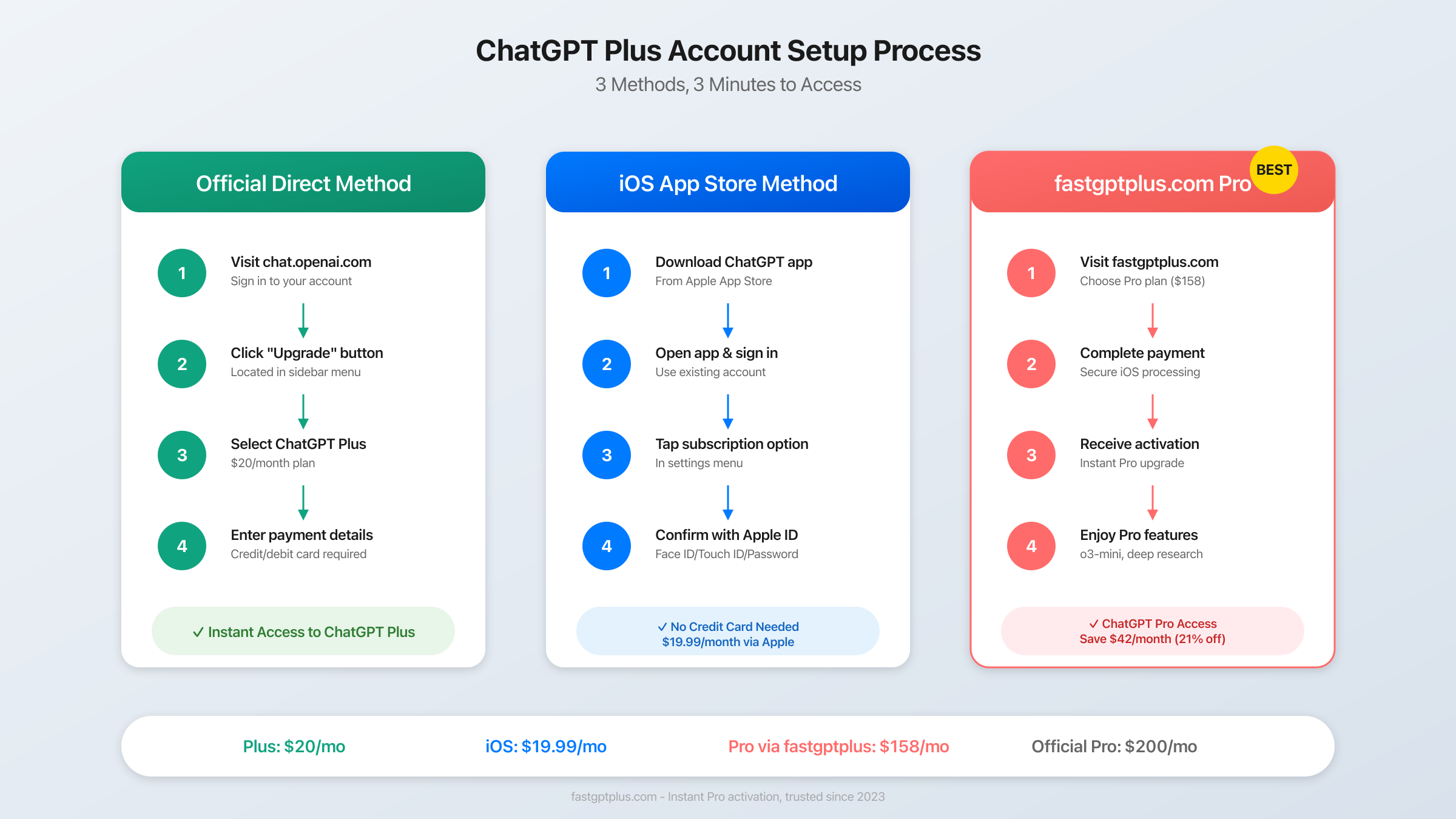
The most significant barrier is the “How to Pay” aspect. Because Iranian banking systems are disconnected from the SWIFT network and major credit card processors like Visa and Mastercard do not operate locally, a traditional transaction is impossible.
Virtual Credit Cards (VCC) and International FinTech Bridges
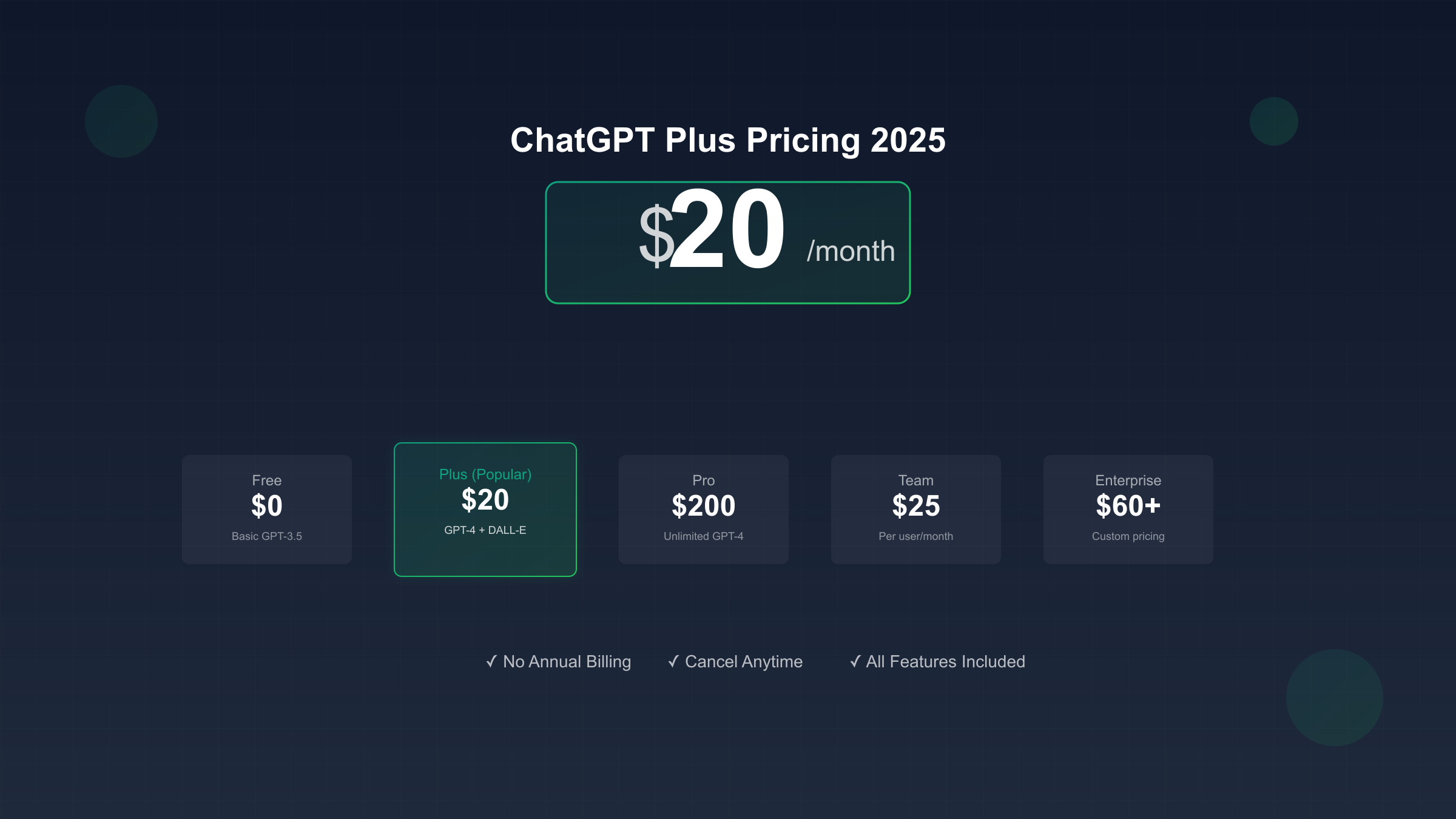
To pay for the $20/month ChatGPT Plus subscription, Iranian users must leverage intermediary FinTech platforms. These services act as a bridge, allowing users to exchange local currency (Rial) or cryptocurrency for a Virtual Credit Card (VCC) issued by a bank in a supported region.
Platforms such as Pyypl, RedotPay, or NobleVCC provide users with a digital card including a 16-digit number, CVV, and expiry date. These cards are often issued from jurisdictions like the UAE or Hong Kong. From a technical standpoint, these are “Prepaid” cards. While OpenAI accepts many prepaid cards, they are more likely to be rejected than “Debit” or “Credit” cards. Therefore, users must ensure the billing address they provide in the OpenAI payment portal matches the “Zip Code” or “Postal Code” associated with the VCC’s issuing country.
Utilizing Crypto-to-Fiat Gateways
For the tech-savvy user, cryptocurrency offers the most streamlined path to funding a ChatGPT Plus account. By using a decentralized wallet or a global exchange, users can purchase USDT (Tether). This USDT can then be transferred to a VCC provider that accepts crypto deposits.
The technical workflow usually looks like this:
- Purchase USDT on a local Iranian exchange.
- Transfer USDT (via TRC-20 or ERC-20 networks) to a service like RedotPay.
- Convert USDT to USD within the app.
- Use the generated virtual Visa card details on the OpenAI checkout page.
This method bypasses the need for traditional banking history and provides a layer of financial privacy that is often necessary when dealing with cross-border software subscriptions in restricted zones.
Optimizing the ChatGPT Plus Experience in a Low-Bandwidth Environment
Internet connectivity in Iran can be volatile, with high latency and periodic packet loss. For a high-performance tool like ChatGPT Plus, which relies on real-time streaming of text, maintaining a stable connection is a technical priority.
Managing Latency and API Stability
Users who require ChatGPT for coding or integrated workflows might find the web interface sluggish over a VPN. In these instances, utilizing the OpenAI API (Application Programming Interface) through a local “Reverse Proxy” can be more efficient. A reverse proxy allows the user to connect to a middle-man server located in a neutral zone (like Turkey or the UAE), which then forwards the requests to OpenAI’s US servers. This can significantly reduce the “Time to First Token” and prevent the connection from timing out during long responses.
Privacy Protocols and Browser Fingerprinting
Modern anti-fraud systems use “browser fingerprinting” to identify users. This includes checking your system time, installed fonts, and screen resolution. If your system time is set to Tehran Time (GMT+3:30) while your IP is from New York, it is a clear indicator of proxy usage.
To maintain the technical integrity of the account:
- Synchronize your operating system clock with the VPN’s target location.
- Disable WebRTC in your browser to prevent your local IP from leaking through the browser’s real-time communication protocols.
- Use extensions like “CanvasBlocker” to prevent websites from uniquely identifying your hardware configuration.
Conclusion: The Democratization of Artificial Intelligence
Accessing ChatGPT Plus from Iran is a testament to the ingenuity of the global tech community. While the barriers—both geopolitical and technical—are significant, they are not insurmountable. By understanding the underlying architecture of IP geofencing, securing robust non-VoIP authentication, and utilizing modern FinTech and cryptocurrency bridges, Iranian users can successfully integrate world-class AI into their professional lives.
The effort required to bypass these restrictions is substantial, but the reward—access to the most advanced LLM currently available—is a vital step in ensuring that the digital divide does not leave talented developers and researchers behind. As AI continues to evolve, the technical strategies used to access these tools will likely become more sophisticated, mirroring the constant cat-and-mouse game between global software providers and the users who rely on them in restricted regions.
aViewFromTheCave is a participant in the Amazon Services LLC Associates Program, an affiliate advertising program designed to provide a means for sites to earn advertising fees by advertising and linking to Amazon.com. Amazon, the Amazon logo, AmazonSupply, and the AmazonSupply logo are trademarks of Amazon.com, Inc. or its affiliates. As an Amazon Associate we earn affiliate commissions from qualifying purchases.