
In the world of personal finance, few expenses are as volatile or as psychologically taxing as airfare. Unlike a standard consumer good with a fixed price tag, a plane ticket is a commodity subject to extreme fluctuations, often changing price multiple times within a single hour. For the financially conscious traveler, mastering the “when” of booking flights is not merely about snagging a bargain; it is a sophisticated exercise in market timing, risk management, and capital allocation.
Understanding the mechanics of airline pricing allows individuals to treat travel as a managed expense rather than an unpredictable drain on their liquid assets. To optimize your travel budget, one must look beyond simple “hacks” and instead analyze the economic structures that govern the aviation industry.
1. The Economics of Dynamic Pricing and Yield Management
To understand when to book a flight, one must first understand how airlines set their prices. Airlines utilize a strategy known as “yield management” or “revenue management.” This is a variable pricing strategy based on anticipating and influencing consumer behavior to maximize profits from a fixed, perishable inventory—the seats on a plane.
The Role of Sophisticated Algorithms
Airlines employ thousands of analysts and highly advanced AI-driven algorithms that monitor supply and demand in real-time. These systems are designed to ensure that the airline extracts the maximum “willingness to pay” from every passenger. Business travelers, who often book last minute and have rigid schedules, are willing to pay a premium, whereas leisure travelers are more price-sensitive and book further in advance. The goal for the consumer is to find the intersection where the airline’s need to fill seats outweighs their desire to capture a high-paying corporate flyer.
Understanding Fare Buckets
A single flight may have over a dozen different “fare buckets” or price tiers for the same economy cabin. As the lower-priced buckets are sold out, the system automatically moves to the next, more expensive tier. This is why prices can jump significantly overnight. From a financial perspective, booking early is essentially an attempt to secure a spot in the lowest possible fare bucket before the “market” of other travelers depletes that inventory.
The Perishability of the Asset
An airline seat is a “perishable” asset. Once the plane takes off, an empty seat has a value of zero. However, airlines would often rather fly with an empty seat than lower the price so much that they “devalue” their brand or lose out on a potential high-paying last-minute customer. This creates a high-stakes game of chicken between the consumer’s budget and the airline’s bottom line.
2. Defining the “Goldilocks Window” for Optimal Booking
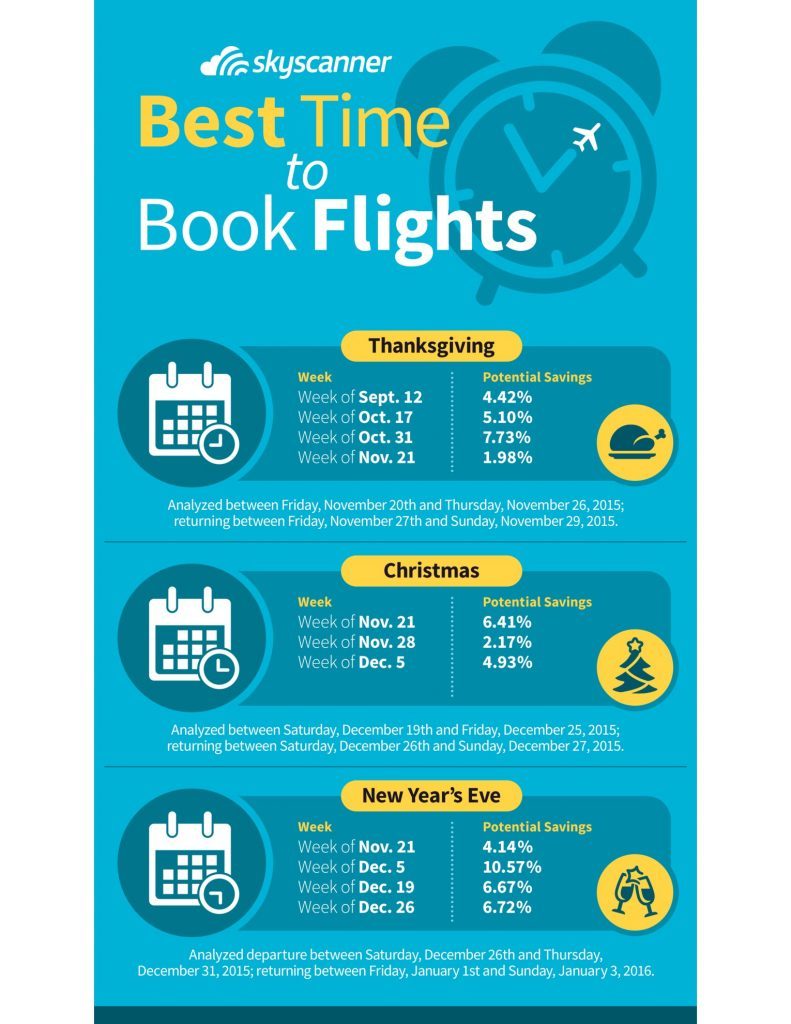
The most common question in travel finance is how far in advance one should commit capital to a flight. While there is no universal “magic day,” historical data provides a “Goldilocks Window”—a period where prices are statistically at their lowest before the sharp incline of the final 21 days.
Domestic vs. International Timelines
For domestic travel within the same continent, the financial sweet spot generally falls between one and three months before departure. Booking too early (more than six months out) can actually be suboptimal, as airlines haven’t yet begun to aggressively manage the seat inventory for that specific flight. For international travel, the window shifts significantly earlier. Financial analysts suggest monitoring and booking international routes between four and eight months in advance, especially for peak seasons like summer or the December holidays.
Debunking the “Tuesday Booking” Myth
A long-standing myth in personal finance circles is that flights are cheaper if purchased on a Tuesday at midnight. While this may have had a grain of truth decades ago when airlines manually pushed fare updates, modern algorithmic pricing has rendered this obsolete. Today, the day of the week you buy the ticket is far less important than the day of the week you fly. Statistically, departing on a Tuesday or Wednesday offers the highest return on investment (ROI) in terms of savings, often costing 20% to 30% less than Friday or Sunday departures.
The 21, 14, and 7-Day Price Hikes
In the world of corporate finance, travel is often a last-minute necessity. Airlines capitalize on this by programmed price “cliffs” at the 21-day, 14-day, and 7-day marks before a flight. These milestones represent the points where the algorithm shifts from attracting leisure travelers to capturing high-intent business travelers. If you find yourself needing to book within these windows, you are effectively paying a “convenience tax” that can double or triple your travel expenses.

3. Leveraging Financial Tools and Data for Market Arbitrage
In the modern era, travelers have access to the same type of data that was once exclusive to travel agents and airline analysts. Utilizing these tools allows for a form of “market arbitrage,” where you can identify undervalued flights and strike when the price is right.
Price Tracking and Volatility Alerts
Financial tools like Google Flights, Hopper, and Kayak allow users to “track” a route. These platforms use historical data to predict whether a fare is likely to rise or fall. From a personal finance perspective, setting these alerts is a passive way to monitor the market without the opportunity cost of manual searching. When the tool indicates that prices are “low for this route,” it is a signal to execute the trade and book the flight.
Credit Card Points and Reward Arbitrage
The most sophisticated travel “investors” don’t just use cash; they use points and miles as a secondary currency. The value of a point fluctuates just like the dollar. When cash prices are high, the “cents per point” (CPP) value often increases, making it a more efficient use of your rewards capital. Conversely, when cash prices are at an all-time low, it is often better to save your points for a future high-value redemption. Calculating the CPP before every booking ensures you are using the most efficient “currency” for that specific transaction.
Hidden-City Ticketing and Financial Risks
Techniques such as “hidden-city ticketing”—where a passenger books a flight with a layover in their actual destination and skips the second leg—can offer massive savings. However, this carries significant financial risk. Airlines have cracked down on this practice, often voiding return tickets or freezing frequent flyer accounts. In a professional financial strategy, the risk of losing your accumulated “brand equity” with an airline often outweighs the short-term savings of a single ticket.
4. Risk Mitigation: Insurance, Flexibility, and Opportunity Cost
A common mistake in travel budgeting is focusing solely on the “sticker price” while ignoring the potential for loss. Every flight booking is an investment that carries a degree of risk, including cancellation, delays, or price drops after purchase.
The Value of Refundable vs. Non-Refundable Math
When booking, you are often presented with the choice to pay a premium for a “refundable” or “flexible” fare. To make a sound financial decision, you must calculate the “risk premium.” If a refundable ticket costs $100 more, you are essentially buying an insurance policy for $100. If there is a greater than 10% chance your plans will change, and the total ticket cost is $1,000, the math justifies the more expensive fare.
Travel Insurance as Capital Protection
For high-cost international itineraries, travel insurance serves as a hedge against “black swan” events—illness, political unrest, or carrier insolvency. While it feels like an added expense, it protects your primary capital. Many premium credit cards offer this as a built-in financial perk, which should be factored into the annual fee of the card itself. If your card offers primary trip cancellation insurance, the “effective cost” of your flight is lower because you don’t need to purchase third-party protection.
Dealing with Post-Purchase Price Drops
In some jurisdictions and with certain airlines, if the price of your flight drops after you book, you can claim the difference in travel vouchers. While this doesn’t put cash back in your pocket immediately, it creates “store credit” for future travel, effectively lowering your long-term travel expenditures. Monitoring prices even after you have purchased is a hallmark of a disciplined financial approach to travel.

Conclusion: The Disciplined Path to Affordable Travel
Booking a flight at the right time is not about luck; it is about the disciplined application of economic principles. By understanding the cycles of yield management, identifying the Goldilocks Window, leveraging data-driven tools, and managing risk through insurance and rewards, you can significantly reduce one of your largest discretionary expenses.
In the broader context of personal finance, the money saved through strategic booking is capital that can be redirected toward investments, savings, or more frequent experiences. Treat your next flight booking not as a chore, but as a strategic acquisition, and the financial rewards will follow.
aViewFromTheCave is a participant in the Amazon Services LLC Associates Program, an affiliate advertising program designed to provide a means for sites to earn advertising fees by advertising and linking to Amazon.com. Amazon, the Amazon logo, AmazonSupply, and the AmazonSupply logo are trademarks of Amazon.com, Inc. or its affiliates. As an Amazon Associate we earn affiliate commissions from qualifying purchases.