
In the modern landscape of personal finance, traditional currency is no longer the only asset class that demands diligent management. Loyalty points and frequent flyer miles—specifically those within the American Airlines AAdvantage program—have evolved into a sophisticated form of “private currency.” With a valuation that often fluctuates between 1.2 and 1.7 cents per mile, a substantial balance of AAdvantage miles represents a significant financial asset.
However, the utility of this asset is often locked behind the complexity of transfer protocols. Unlike a simple bank wire, transferring American Airlines miles requires a deep understanding of the financial trade-offs, partner ecosystems, and the cost-benefit analysis of transaction fees. This guide explores the strategic methodologies for transferring and leveraging AAdvantage miles to ensure you achieve the highest possible return on your digital equity.
1. The Financial Valuation of AAdvantage Miles
Before initiating any transfer, a savvy investor in the travel space must understand the underlying value of the asset. American Airlines miles are not a static commodity; their value is derived from the “yield” achieved when they are redeemed for high-cost travel.
Understanding Miles as a Secondary Currency
In the world of personal finance, miles are a hedge against the rising costs of the travel industry. When you hold AAdvantage miles, you are essentially holding a “travel credit” that is decoupled from inflation in the dollar-denominated ticket market. To manage these effectively, one must view the AAdvantage account not just as a perk, but as a specialized savings account. The “interest” is earned through strategic spending and flying, and the “dividend” is realized at the moment of redemption.
Determining the Cent-Per-Point (CPP) Threshold
The golden rule of miles management is the CPP calculation: (Cash Price of Ticket – Taxes/Fees) / Number of Miles Required. Before transferring miles—which often incurs a fee—you must ensure the resulting redemption exceeds a baseline threshold of 1.5 cents per mile. If a transfer facilitates a business-class booking to Europe that would otherwise cost $5,000 for 100,000 miles, you are achieving a 5-cent-per-point valuation, a massive win for your personal balance sheet. Conversely, transferring miles for a low-cost domestic flight may result in a net financial loss once transfer fees are accounted for.
2. Internal Transfers: Navigating the Costs of Moving Miles Between Accounts
One of the most common requests in the AAdvantage program is the “gift” or transfer of miles from one individual’s account to another. From a financial perspective, this is often where many consumers make suboptimal choices.
The Cost of Convenience: Analyzing Transfer Fees
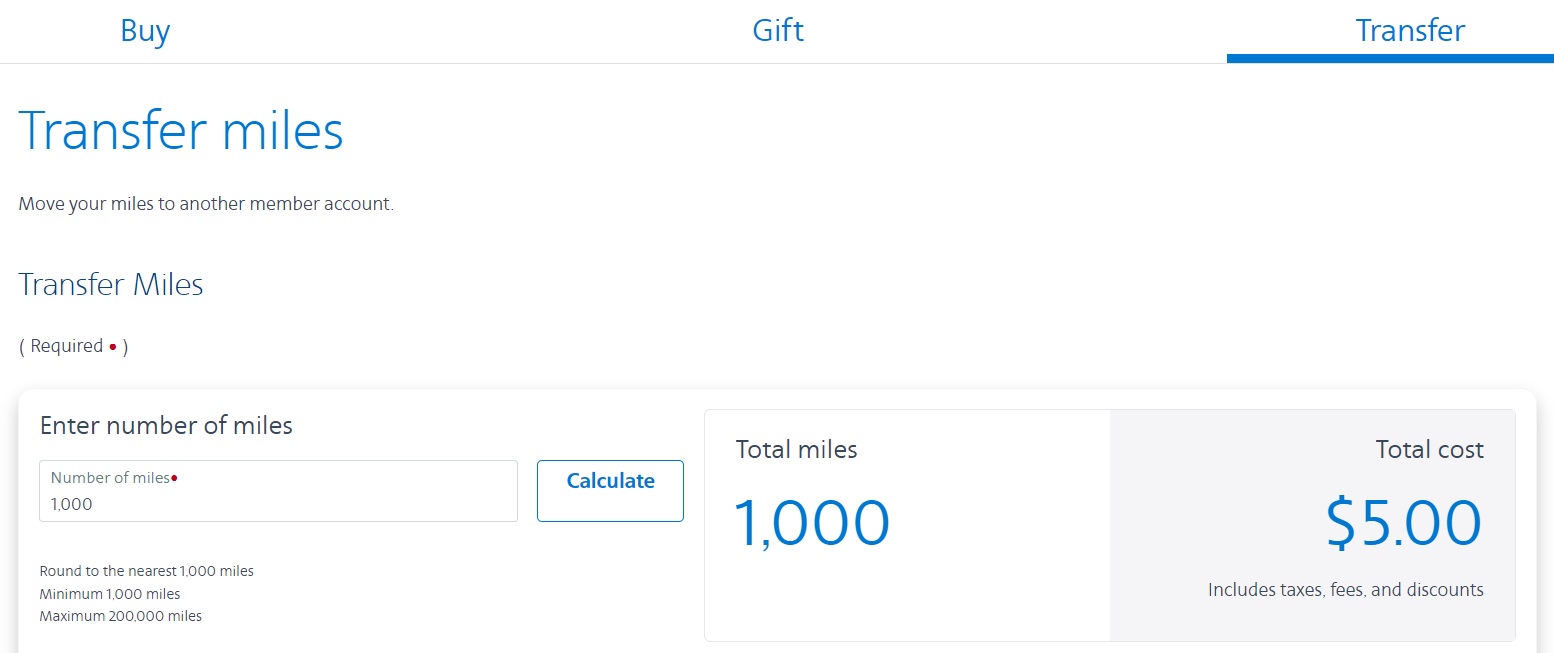
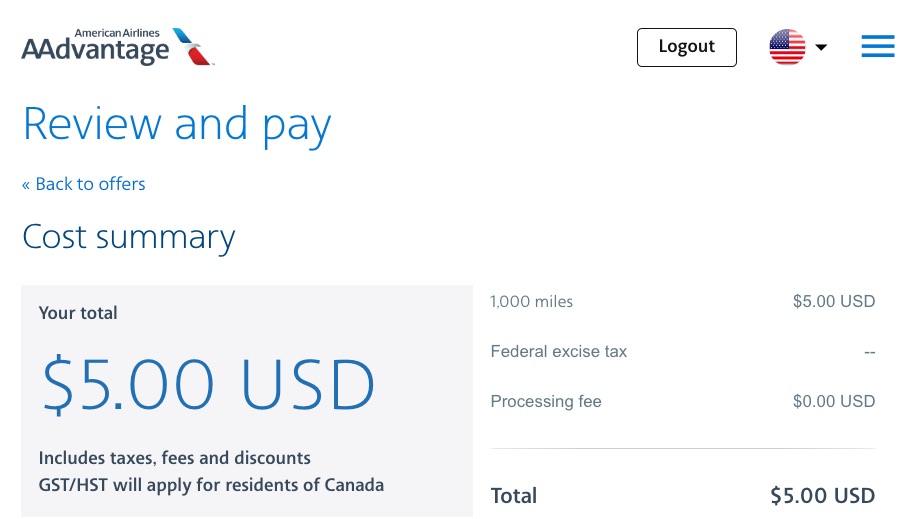
American Airlines allows members to transfer miles to other AAdvantage members, but it is rarely free. Typically, the program charges a fee per mile transferred, plus a processing fee per transaction. From a personal finance standpoint, this is an immediate “tax” on your assets. For example, if it costs $150 to transfer 10,000 miles, you are effectively buying those miles at 1.5 cents each. If your ultimate redemption value is only 1.2 cents, you have effectively lost money in the transaction.
When Internal Transfers Make Financial Sense
The only time an internal transfer is a sound financial move is for “topping off” an account. If a family member is 5,000 miles short of a high-value international award ticket that would save $2,000 in cash, paying the transfer fee is a marginal cost compared to the utility gained. In this scenario, the transfer acts as a bridge to unlock the value of a larger, illiquid asset. Outside of these specific “bridge” scenarios, it is usually more financially prudent to book the flight for the other person directly from the account that holds the miles.
3. Strategic External Transfers: Leveraging the Oneworld Alliance
The true power of American Airlines miles lies in their portability across the Oneworld Alliance. While you cannot “transfer” the physical miles into a British Airways or Cathay Pacific account, you can “transfer the value” by booking partner airline seats through the American Airlines portal.
Leveraging the Oneworld Ecosystem
The AAdvantage program is a gateway to a global network including Qatar Airways, Qantas, and Japan Airlines. From a wealth management perspective, the goal is to find “arbitrage” opportunities. For instance, using AAdvantage miles to book a seat on a partner airline often costs fewer miles than booking the same seat through the partner’s own loyalty program. This is the essence of maximizing your digital assets: identifying which “market” (airline) offers the best price for your “capital” (miles).
Using Partner Portals for Enhanced Yield
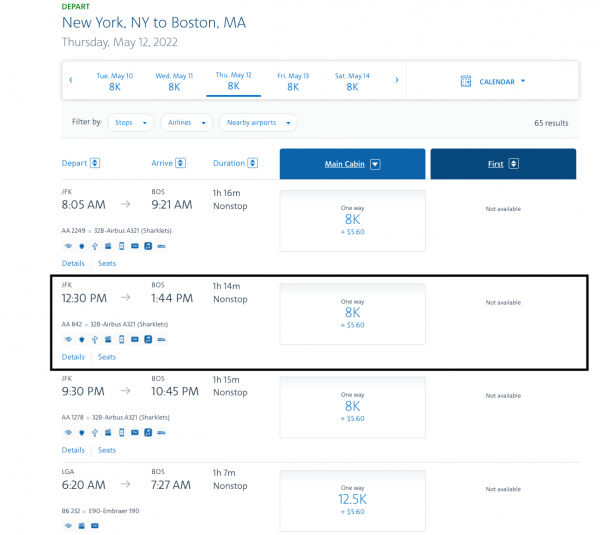
While the miles stay within your AAdvantage account, the “transfer of utility” occurs when you book premium cabin travel on partners. Strategic travelers often look for “sweet spots” in the AAdvantage award chart, such as 70,000 miles for a first-class seat on a partner airline that retails for over $10,000. This results in a staggering return on investment (ROI) that far exceeds any traditional high-yield savings account or stock market index.
4. Financial Tools and Inbound Transfers: Converting Credit Card Points
While American Airlines is notoriously protective of its ecosystem—meaning you cannot transfer points from major banks like Amex or Chase directly to AAdvantage—there are specific financial tools that allow for inbound transfers.
The Role of Bilt Rewards and Specialized Credit Cards
As of the current financial landscape, Bilt Rewards is one of the few major flexible point currencies that transfers 1:1 to American Airlines. For those looking to consolidate their financial holdings, Bilt serves as a vital conduit. By paying rent or using the Bilt credit card, consumers can funnel points into their AAdvantage account, effectively “laundering” their daily expenses into high-value travel assets. This is a critical strategy for anyone looking to build a massive miles balance without relying solely on frequent flying.
Capitalizing on Transfer Bonuses and Marriott Bonvoy
Another sophisticated move involves the Marriott Bonvoy program. Marriott points can be transferred to AAdvantage at a 3:1 ratio. While this may seem like a poor exchange rate, Marriott often provides a 5,000-mile bonus for every 60,000 points transferred. From a portfolio management perspective, this is a “rebalancing” act. If you have an excess of hotel points and a deficit of airline miles for a high-value trip, the 3:1 transfer (with the bonus) can be a strategic way to liquidate one asset to fund another more pressing financial need.
5. Risk Management and Security in Miles Transactions
As with any financial asset, the security of your AAdvantage miles is paramount. With the rise of “mileage brokers” and digital theft, protecting your travel equity is a key component of personal financial security.
Protecting Your Travel Equity
AAdvantage accounts are frequent targets for hackers because miles are easily liquidated into flights or gift cards. To protect your assets, it is essential to treat your AAdvantage login with the same level of security as your primary bank account. This includes using two-factor authentication (2FA) and unique, complex passwords. Furthermore, you should regularly audit your account statements to ensure no unauthorized transfers or redemptions have occurred.
Avoiding Terms of Service (ToS) Violations
From a legal and financial standpoint, it is vital to remember that American Airlines technically owns the miles; you simply have a right to use them. Selling your miles to a third-party broker is a violation of the ToS and can result in the immediate seizure of all assets in your account and a lifetime ban from the program. This represents a total loss of your digital investment. If you need to “liquidate” your miles, do so through legitimate channels like booking travel for friends or family, rather than engaging in the high-risk gray market of mileage selling.
Conclusion: The Sophisticated Approach to Miles Management
Transferring American Airlines miles is not merely a technical task; it is a financial decision that requires an understanding of valuation, fees, and opportunity costs. By treating miles as a strategic asset—calculating CPP, avoiding unnecessary transfer taxes, and leveraging partner alliances—you can transform a simple loyalty program into a powerful tool for global mobility and wealth preservation. In the modern economy, the most successful individuals are those who manage every decimal point of their net worth, including the miles in their AAdvantage account.
aViewFromTheCave is a participant in the Amazon Services LLC Associates Program, an affiliate advertising program designed to provide a means for sites to earn advertising fees by advertising and linking to Amazon.com. Amazon, the Amazon logo, AmazonSupply, and the AmazonSupply logo are trademarks of Amazon.com, Inc. or its affiliates. As an Amazon Associate we earn affiliate commissions from qualifying purchases.