
Determining the exact cost of a plane ticket is often likened to hitting a moving target. For the financially conscious traveler, understanding the price of a flight is not merely about looking at a number on a screen; it is about deconstructing a complex financial ecosystem governed by dynamic pricing, global economic shifts, and personal capital management. Whether you are planning a domestic business trip or an international sabbatical, mastering the financial variables behind airfare is essential for maintaining a healthy bottom line.
Understanding the Economics of Airline Pricing
To understand why a seat on the same flight can cost two different passengers vastly different amounts, one must look at the sophisticated revenue management systems employed by airlines. Unlike traditional retail, where prices remain relatively static, airline pricing is fluid, designed to maximize the “Yield per Available Seat Mile” (RASM).

Dynamic Pricing and Market Demand
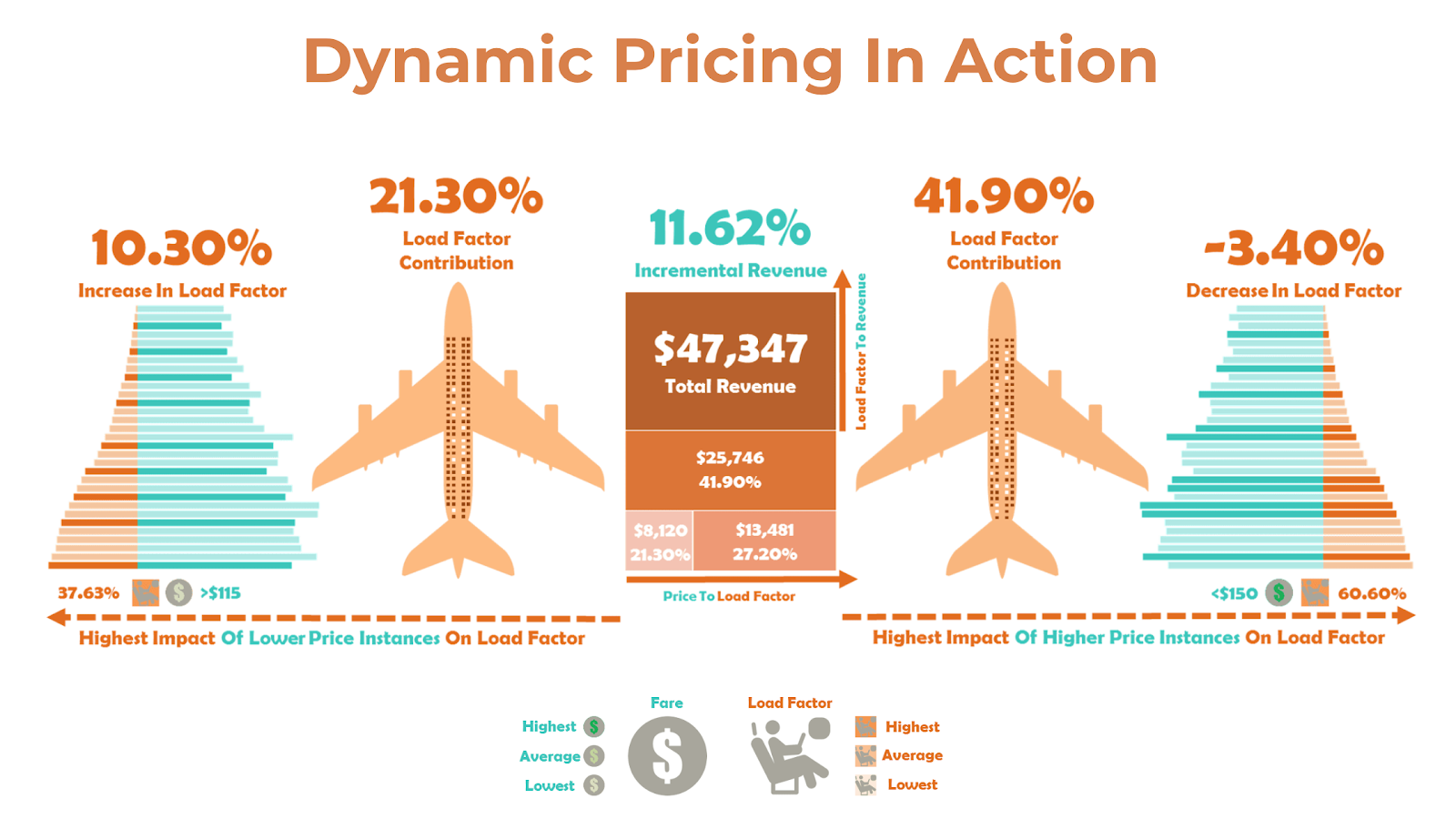
Airlines utilize complex algorithms that adjust prices in real-time based on supply and demand. This is known as dynamic pricing. When demand is low, prices drop to incentivize bookings and cover the fixed costs of operating the aircraft. As the flight date approaches and seats fill up, the algorithm identifies the remaining inventory as high-value, specifically targeting business travelers who have less flexibility and higher willingness to pay. From a financial perspective, the “cost” of a ticket is a reflection of current market liquidity and the time-value of the remaining inventory.
The Impact of Fuel Costs and Operating Expenses
A significant portion of your ticket price is a direct pass-through of the airline’s operating expenses. Jet fuel typically accounts for 20% to 30% of an airline’s total operating costs. When global oil prices fluctuate, airlines often implement fuel surcharges to protect their profit margins. Additionally, labor costs, maintenance, and airport landing fees contribute to the “floor price” of a ticket. As an investor in your own experiences, understanding these macro-economic factors helps you predict when fares might rise across the board due to inflationary pressures.
Strategic Budgeting for Domestic vs. International Travel
Allocating capital for travel requires a bifurcated approach depending on your destination. The financial profile of a short-haul domestic flight differs significantly from a long-haul international journey, not just in ticket price, but in the ancillary costs that impact your total travel ROI.
Calculating the All-In Cost (Beyond the Base Fare)
The biggest mistake in personal finance regarding travel is budgeting only for the “sticker price” of the ticket. Modern aviation has shifted toward an unbundled model, especially with Low-Cost Carriers (LCCs). To find the true cost, you must factor in:
- Baggage Fees: Often ranging from $30 to $100 per segment.
- Seat Selection: A psychological upsell that can add 10-15% to the fare.
- On-board Services: Meals and connectivity that used to be included.
- Taxes and Regulatory Fees: On international routes, these can sometimes exceed the base fare itself.
When evaluating a “cheap” ticket, perform a “Net Cost Analysis” to ensure that the unbundled fare doesn’t end up costing more than a premium carrier’s all-inclusive ticket.
Sinking Funds for Annual Travel Goals
For those who view travel as a consistent part of their lifestyle, the most effective financial strategy is the use of a “Sinking Fund.” Rather than reacting to a high ticket price with high-interest credit card debt, savvy financial planners set aside a fixed monthly amount into a high-yield savings account (HYSA) dedicated to travel. If an average international ticket costs $1,200, saving $100 a month ensures that the capital is ready when a “deal” manifests, allowing you to strike when the market is at its lowest without disrupting your daily cash flow.
Financial Hacks to Lower Your Travel Expenses
In the world of personal finance, saving money is functionally equivalent to earning it. Reducing the cost of a plane ticket is an exercise in arbitrage—finding the gap between the airline’s desired profit and the actual market value.
Leveraging Credit Card Rewards and Miles
One of the most powerful tools for optimizing travel costs is the strategic use of credit card rewards. By channeling everyday business or personal expenses through cards that offer “Transferable Points” (such as Chase Ultimate Rewards or Amex Membership Rewards), you effectively create a secondary currency.
The ROI on points can be significant. For example, a business class ticket that costs $4,000 in cash might be available for 60,000 points. If those points were earned through standard spending, you have essentially “purchased” a luxury asset for a fraction of its market value. This is a classic example of financial optimization where the “cost” of the ticket becomes the opportunity cost of the points spent.
The “Goldilocks” Booking Window: Timing Your Purchase
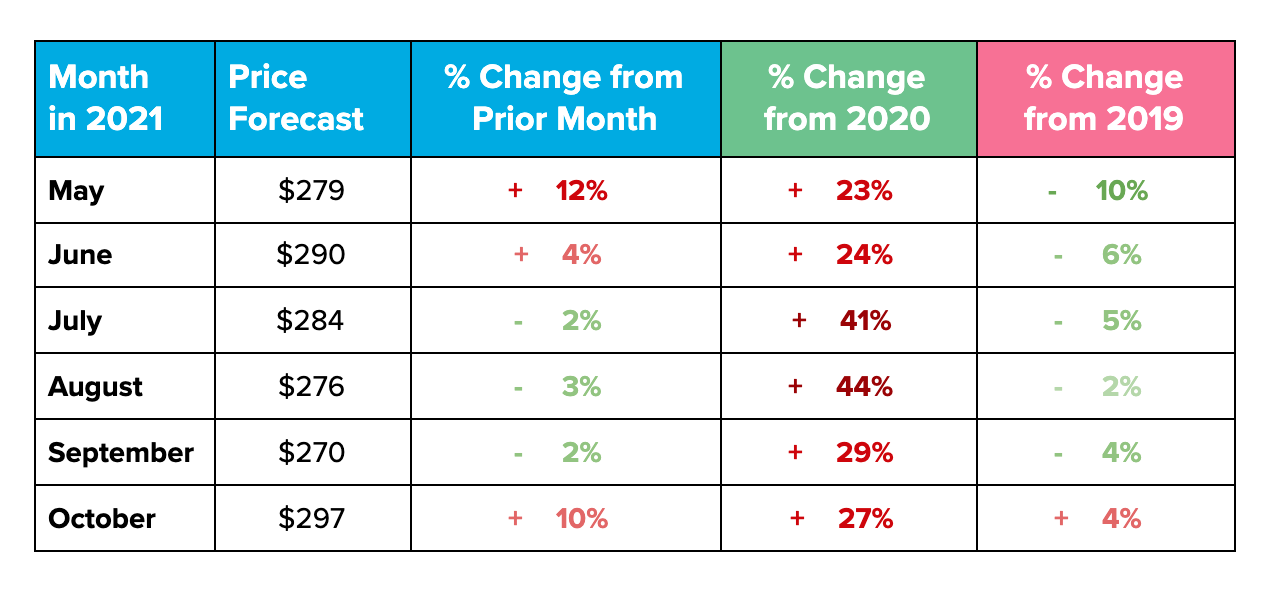
Timing is a critical variable in the cost equation. Historical data suggests a “Goldilocks” window for booking domestic flights (typically 1 to 3 months in advance) and international flights (2 to 8 months in advance). Booking too early can be just as expensive as booking too late, as airlines haven’t yet begun to discount unsold inventory. Using financial tracking tools like Google Flights or Hopper allows you to monitor price volatility and execute your purchase at the local minima of the price curve.
Managing Travel Debt and Smart Payment Solutions
While travel is an investment in personal growth, it should never compromise your financial stability. How you pay for a plane ticket is just as important as how much you pay.
The Risks of “Buy Now, Pay Later” for Flights
A rising trend in the travel industry is the integration of “Buy Now, Pay Later” (BNPL) services at checkout. While these services offer the allure of low monthly payments, they can be a financial trap. Many BNPL options for travel carry high interest rates—sometimes exceeding 20-30% APR—if not paid within a promotional period. From a wealth-building perspective, financing a depreciating experience (a flight) with high-interest debt is a net negative for your net worth. It is always more fiscally responsible to save the principal in advance.
Currency Exchange and Foreign Transaction Fees
When booking international flights on foreign carriers, many travelers overlook the hidden costs of currency conversion. If a ticket is priced in Euros and you pay with a card that charges a 3% foreign transaction fee, you are voluntarily increasing your ticket cost. Utilizing a credit card with “No Foreign Transaction Fees” and paying in the “Local Currency” (to avoid poor Dynamic Currency Conversion rates at checkout) are small but vital steps in protecting your capital.
Conclusion: Mastering the Financial Architecture of Travel
So, how much does a plane ticket cost? The answer is not a single figure, but a result of your timing, your choice of financial tools, and your understanding of market dynamics. By shifting your perspective from that of a “consumer” to that of a “financial manager,” you can navigate the complexities of airfare with precision.
By accounting for all-in costs, leveraging rewards as a form of alternative capital, and avoiding the pitfalls of high-interest travel debt, you ensure that your journeys provide a high emotional return without a devastating financial cost. In the end, the most expensive plane ticket is the one that wasn’t planned for; the cheapest is the one purchased through disciplined budgeting and strategic execution.
aViewFromTheCave is a participant in the Amazon Services LLC Associates Program, an affiliate advertising program designed to provide a means for sites to earn advertising fees by advertising and linking to Amazon.com. Amazon, the Amazon logo, AmazonSupply, and the AmazonSupply logo are trademarks of Amazon.com, Inc. or its affiliates. As an Amazon Associate we earn affiliate commissions from qualifying purchases.