
In the realm of personal finance, few expenses are as volatile or as difficult to predict as the cost of an airline ticket. For the modern traveler, understanding “how much” a flight costs is not merely a matter of checking a price tag; it is an exercise in navigating a complex financial ecosystem driven by real-time data, global economic shifts, and sophisticated revenue management strategies.
Whether you are planning a corporate retreat or a personal sabbatical, airfare often represents the single largest upfront investment of the journey. To manage this expense effectively, one must look beyond the surface-level numbers and understand the underlying economic principles that dictate the fluctuations in your shopping cart.

1. The Financial Architecture of Dynamic Pricing
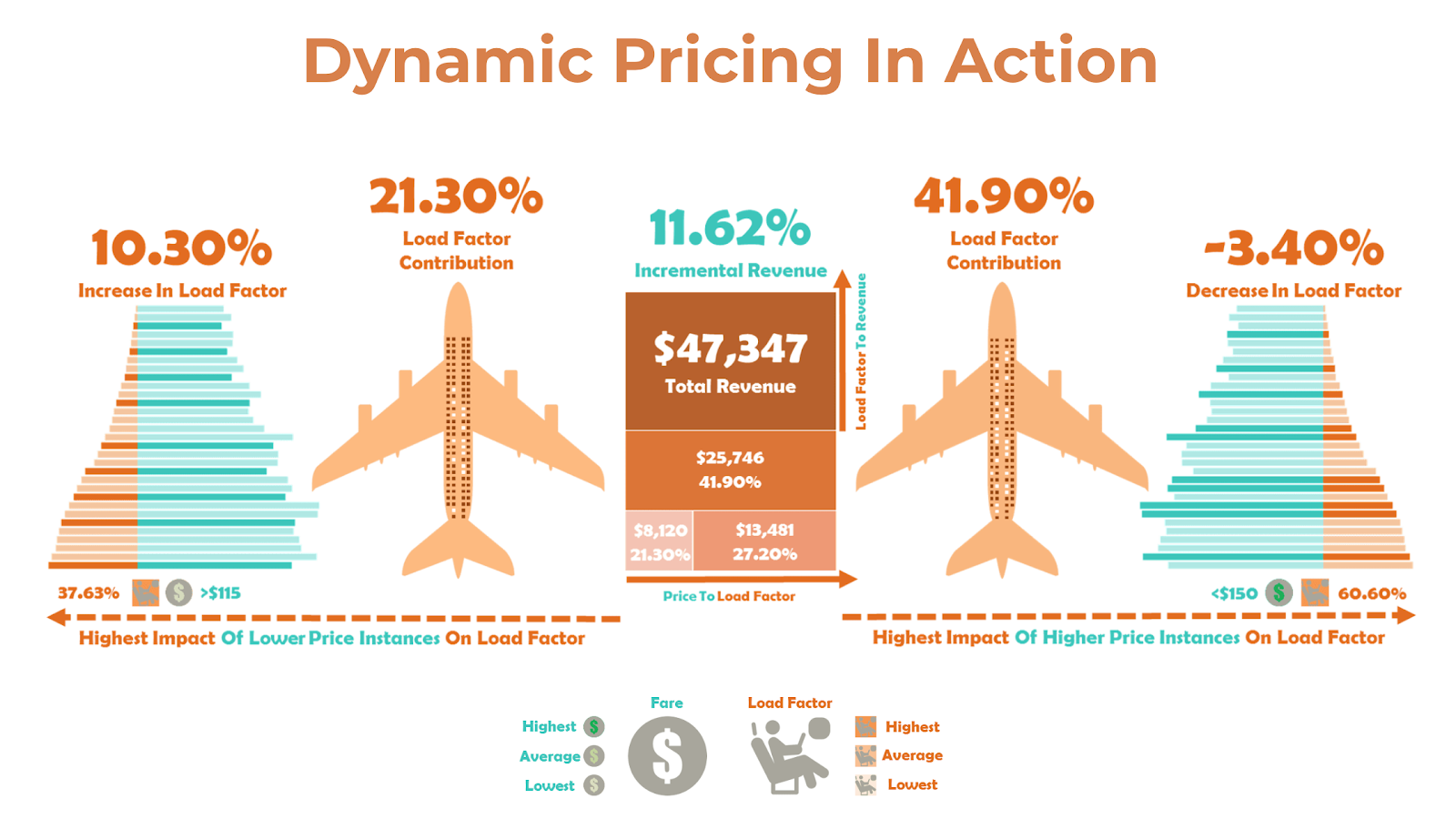
The price of an airline ticket is rarely static because airlines utilize a strategy known as dynamic pricing. This is a sophisticated financial model where prices fluctuate based on real-time demand, remaining inventory, and external market pressures.
The Role of Revenue Management
Airlines employ “Revenue Management” teams whose primary goal is to ensure that every seat on an aircraft generates the maximum possible income. This is achieved through price discrimination—charging different customers different prices for the essentially same service based on their willingness to pay. A business traveler booking a last-minute flight to a financial hub is less price-sensitive than a family planning a summer vacation six months in advance. The airline’s algorithms identify these personas and adjust the “yield” accordingly.
Fixed vs. Variable Operating Costs
To understand the price you pay, you must understand the airline’s balance sheet. Roughly 20% to 30% of an airline’s operating expenses are tied to fuel costs, which are highly sensitive to global oil markets. When crude oil prices rise, airlines often implement “fuel surcharges” to protect their margins. Other fixed costs, such as aircraft leasing, maintenance, and labor contracts, create a “price floor.” An airline cannot sell tickets below a certain average price without risking insolvency, which is why we rarely see prices drop below a specific threshold even during low-demand periods.
Supply and Demand Elasticity
Airfare is a textbook example of supply and demand. During “peak” seasons—such as the December holidays or summer break—the demand for seats far exceeds the supply. In economic terms, the demand becomes “inelastic,” meaning consumers are willing to pay significantly higher prices because the necessity of travel outweighs the cost. Conversely, during “dead zones” (like mid-January or late September), airlines lower prices to stimulate demand and cover their fixed operating costs.
2. Budgeting for Air Travel: Beyond the Base Fare
When asking how much airline tickets are, many consumers make the mistake of looking only at the “base fare.” In the modern aviation industry, the ticket price is often just the starting point of a larger financial transaction.
The Rise of Ancillary Revenue
In the last two decades, the airline industry has shifted toward an “unbundled” pricing model. This allows airlines to advertise a low lead-in price while generating significant profit through ancillary revenue. This includes fees for checked baggage, seat selection, priority boarding, and in-flight meals. For the budget-conscious traveler, these “hidden” costs can increase the total cost of a ticket by 30% to 50%. When calculating your travel budget, it is essential to perform a “Total Cost of Ownership” (TCO) analysis rather than just comparing the sticker price.
Tax and Regulatory Surcharges
A significant portion of your ticket price does not go to the airline at all. Government-imposed taxes, airport authority fees, and security charges are often baked into the final price. International flights are particularly susceptible to these, with some jurisdictions charging hundreds of dollars in “departure taxes.” Understanding these non-negotiable costs helps in identifying whether a “sale” is truly a bargain or if the savings are being offset by high regulatory fees.
Fare Classes and Ticket Flexibility
In personal finance, “optionality” has a price. Airlines categorize seats into various “fare buckets” or classes (not to be confused with cabin classes like Economy or Business). A “Basic Economy” ticket is the cheapest but offers zero flexibility—no refunds, no changes, and no upgrades. A “Flexible” or “Refundable” fare may cost double or triple the price. From a financial planning perspective, you are paying a premium for an insurance policy against a change in your schedule.
3. Strategic Financial Timing: When to Invest in Your Ticket
Market timing is a controversial topic in investing, but in the world of airfare, the timing of your purchase is one of the most significant variables in determining the final cost.
The “Sweet Spot” for Capital Allocation
Data from financial analysts in the travel sector suggests that there is a “sweet spot” for booking domestic and international flights. For domestic travel, booking 28 to 60 days in advance typically yields the lowest price. For international routes, the window extends to 3 to 6 months. Booking too early can be just as expensive as booking too late, as airlines haven’t yet released their promotional “low-yield” seats to the market.
The Opportunity Cost of Waiting
While some travelers wait for “last-minute deals,” this is increasingly a high-risk financial strategy. Modern predictive analytics allow airlines to fill planes much more efficiently than in the past. If a flight is not filling up, the airline may cancel the flight or consolidate it rather than slashing prices to the bone. The opportunity cost of waiting—potentially missing out on your preferred dates or paying a 200% premium a week before departure—often outweighs the potential savings of a last-minute drop.
Seasonality and the “Value” Calendar
If your goal is to minimize expenditure, you must align your travel with the “value calendar.” Traveling mid-week (Tuesday or Wednesday) is almost universally cheaper than traveling on Sundays or Fridays, which are high-traffic days for leisure and business travelers respectively. By shifting your “investment” by just 48 hours, you can often see a 20% to 40% reduction in the total ticket cost.
4. Leveraging Financial Tools and Rewards for Maximum Value
To truly master the cost of airline tickets, one must treat airfare as a managed asset. This involves using financial instruments and loyalty programs to offset the cash outlay.
Credit Card Arbitrage and Points
High-earning travelers often use “travel hacking” as a form of financial arbitrage. By using credit cards that offer high multipliers on travel spend, you can earn “currency” (miles/points) that can be redeemed for future tickets. When done correctly, the “return on investment” (ROI) on a travel credit card’s annual fee can be several thousand dollars. However, this requires a disciplined approach to personal finance; carrying a balance and paying interest on a travel card will quickly negate any savings gained from the points.
The Valuation of Frequent Flyer Miles
Not all miles are created equal. In the world of business finance, it is important to assign a “cents per mile” (CPM) value to your rewards. If a ticket costs $500 or 50,000 miles, you are getting 1 cent per mile of value. If that same 50,000 miles can buy a $2,000 Business Class seat, the value jumps to 4 cents per mile. Evaluating ticket prices through the lens of CPM allows you to decide when to pay cash and when to “spend” your digital assets.
Corporate Rates and Group Purchasing
For those managing business finances, “standard” airline prices are often negotiable. Companies that spend a certain threshold on travel annually can enter into corporate contracts with airlines, securing fixed-rate discounts or “soft” benefits like free changes and priority standby. Similarly, booking for groups of 10 or more often triggers a different pricing department within the airline, which can offer “blocked” pricing that protects against the volatility of the retail market.
Conclusion
How much are airline tickets? The answer is a moving target, dictated by global economics, corporate strategy, and your own financial planning. By viewing airfare as a complex financial product rather than a simple commodity, you can navigate the market with greater precision.
By understanding the mechanics of dynamic pricing, accounting for ancillary costs, timing your purchases with market trends, and leveraging financial tools like rewards programs, you can significantly reduce your travel overhead. In the end, the goal is not just to find the cheapest flight, but to achieve the highest possible value for your financial capital.
aViewFromTheCave is a participant in the Amazon Services LLC Associates Program, an affiliate advertising program designed to provide a means for sites to earn advertising fees by advertising and linking to Amazon.com. Amazon, the Amazon logo, AmazonSupply, and the AmazonSupply logo are trademarks of Amazon.com, Inc. or its affiliates. As an Amazon Associate we earn affiliate commissions from qualifying purchases.