
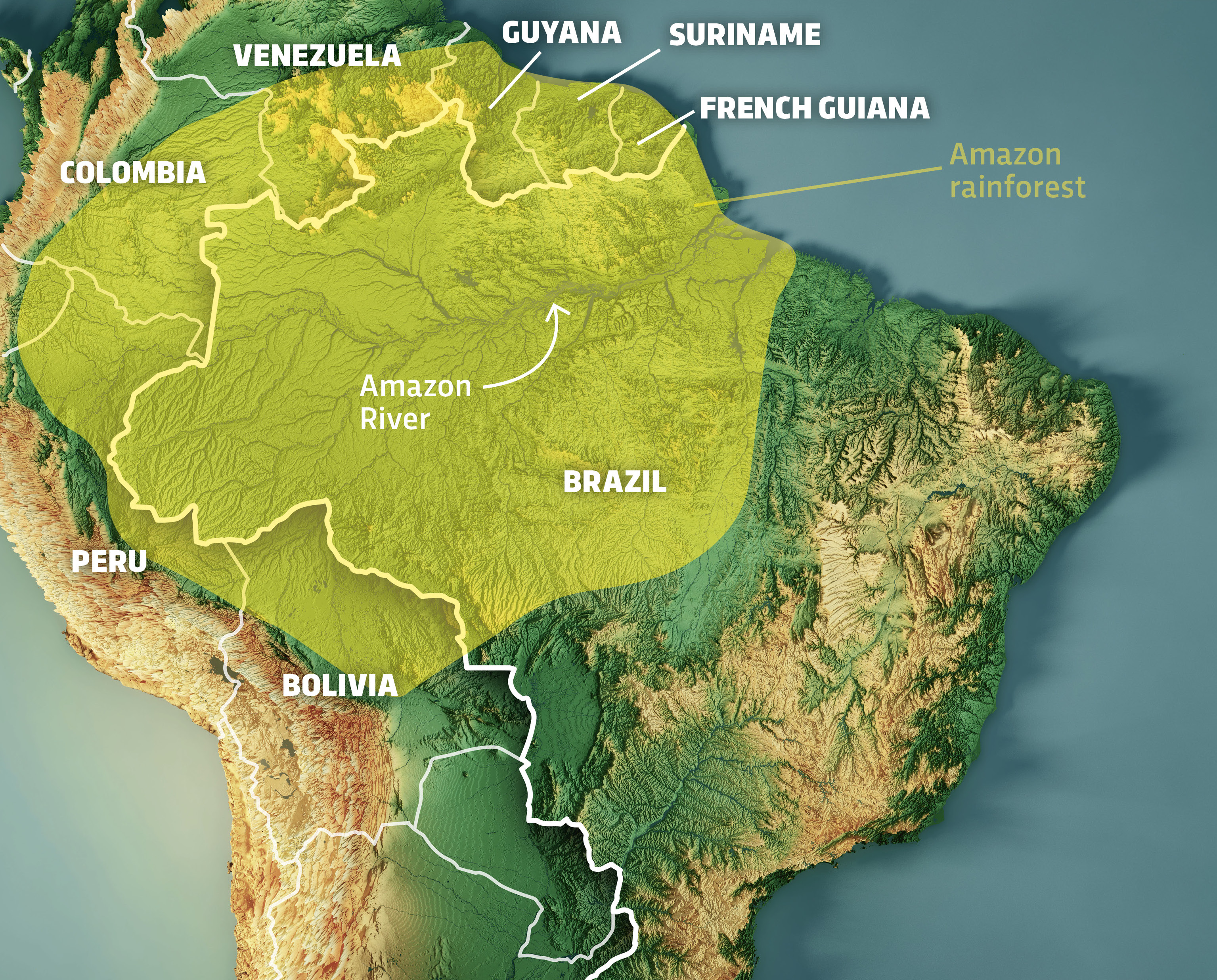
The Amazon Rainforest is more than just a vast expanse of trees and rivers; it is a global icon, a symbol of unparalleled biodiversity, and a critical component of the planet’s ecological balance. For many, its very name evokes a powerful image – a ‘brand’ synonymous with life, mystery, and natural wonder. But to truly understand this colossal entity and its multifaceted global identity, one must first address a fundamental geographical question: what country is the Amazon Rainforest in?
The simple answer is that the Amazon Rainforest is not confined to a single nation. It spans across nine countries in South America, making it a truly transnational natural wonder. The vast majority, approximately 60%, lies within Brazil. The remaining portion is distributed among Peru (13%), Ecuador (2%), Colombia (10%), Bolivia (8%), Venezuela (5%), Guyana (3%), Suriname (2%), and French Guiana (an overseas department of France). This geographical spread inherently complicates its “brand management,” as its identity and future are inextricably linked to the policies, priorities, and perceptions of diverse national governments and cultures. This introductory geographical insight is merely the foundation upon which its complex global brand identity is built.
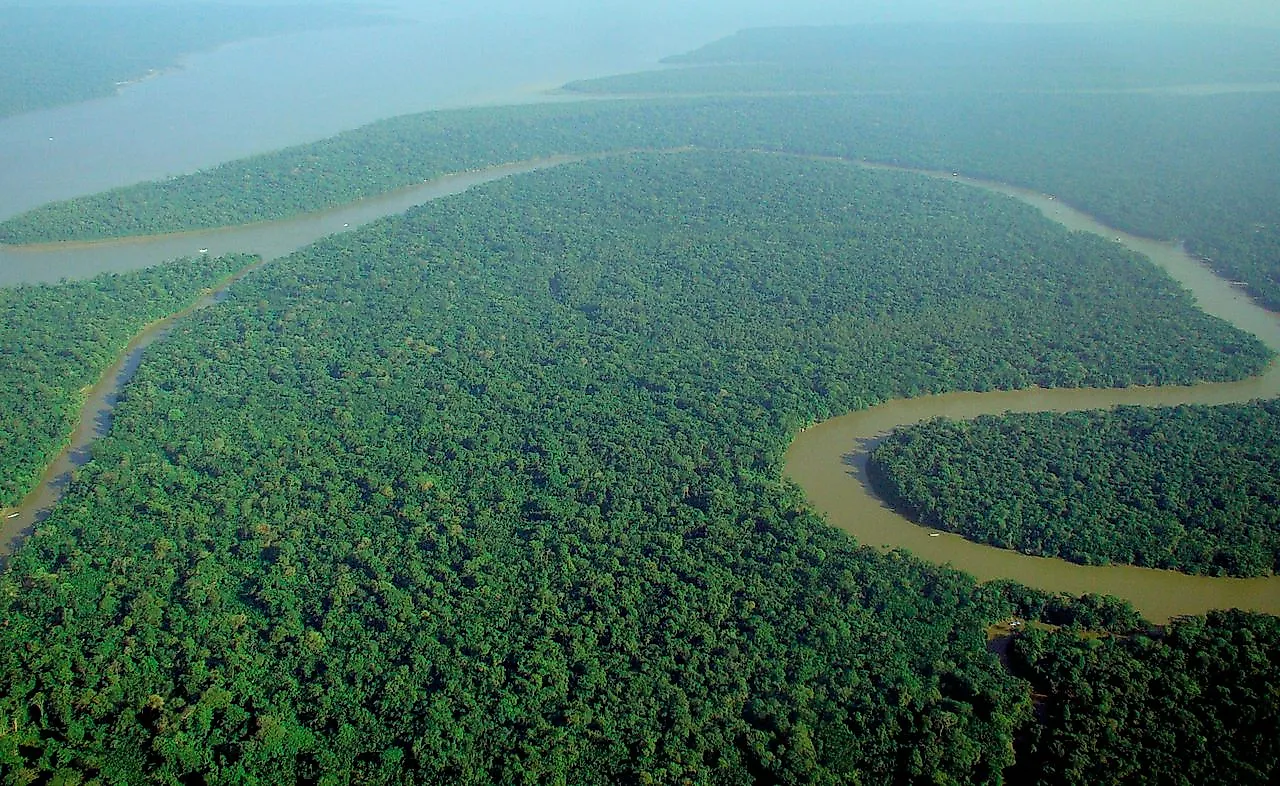
The Amazon’s Enduring Global Brand: Beyond Borders
The Amazon, as a ‘brand,’ possesses an unparalleled global recognition. It is a potent symbol, instantly recognizable across continents, transcending language barriers and cultural divides. This recognition isn’t merely about its geographical location but about the profound ecological, cultural, and even spiritual values it represents. Its brand equity is enormous, built over millennia of natural evolution and centuries of human interaction, yet it remains perpetually at risk.
A Brand of Unrivaled Ecological Significance
The ‘brand’ of the Amazon is fundamentally built upon its unique selling proposition: unparalleled ecological significance. It is home to an estimated 10% of the world’s known species, an astonishing repository of biodiversity that scientists continue to unravel. This includes millions of insect species, hundreds of thousands of plant species, and thousands of mammals, birds, and fish. It houses more than half of the world’s remaining rainforests and plays a crucial role in regulating global climate patterns, acting as the “lungs of the Earth” by absorbing vast amounts of carbon dioxide and producing oxygen.
This intrinsic value forms the core of its global brand image: a powerhouse of life, a vital climate regulator, and a treasure trove of potential scientific discovery. This image is carefully curated and amplified by scientific communities, environmental organizations, and educational institutions worldwide. They ‘market’ the Amazon as irreplaceable, framing its loss not just as an ecological disaster but as a profound threat to humanity’s collective future. The emotional resonance of this brand messaging – of a pristine, ancient wilderness under threat – is a powerful tool in galvanizing international support for its protection.
The Geopolitical Canvas of a Planetary Icon
While its primary location is Brazil, the Amazon’s presence across nine nations transforms it into a geopolitical asset and liability. Each of these countries contributes to, and is affected by, the Amazon’s global ‘brand narrative.’ For Brazil, holding the largest share, the Amazon is a defining national characteristic, influencing its international relations, economic policies, and cultural identity. Similarly, for Peru, Ecuador, Colombia, and the others, their portions of the Amazon contribute to their national ‘brand’ as biodiverse nations rich in natural heritage.
This shared ownership presents a unique challenge in brand management. There is no single “CEO” or “marketing department” for the Amazon. Instead, its identity is shaped by a complex interplay of national sovereignty, indigenous rights, economic development imperatives, and international environmental pressures. The global community often views the Amazon as a shared heritage, exerting pressure on individual nations to act as responsible stewards. This external scrutiny can clash with national interests, creating tension and influencing how each country chooses to ‘brand’ its Amazonian territories – as a resource for development, a sacred indigenous land, or a global ecological sanctuary.
Perceptions and Projections: The Amazon’s Public Image
The public image of the Amazon is dynamic, constantly evolving in response to events, media narratives, and advocacy efforts. Historically, it has been romanticized as an untouched wilderness, a source of exotic plants and animals, and the home of ancient cultures. More recently, its brand narrative has been heavily influenced by the undeniable realities of deforestation, wildfires, illegal mining, and the struggles of its indigenous populations.
This shift in perception has transformed the Amazon’s brand from one of serene majesty to one of urgent crisis. Environmental groups actively cultivate this narrative of urgency, employing vivid imagery and compelling stories to highlight threats and mobilize action. News outlets globalize local issues, projecting images of burning forests and displaced communities. This “crisis branding” aims to provoke empathy and action, but it also creates a complex image for the nations involved, who must manage their reputations amidst international criticism and pressure. The challenge is to maintain the brand’s core identity of wonder while effectively communicating the threats to its existence.
Brand Strategy for a Natural Wonder: Conservation and Stakeholders
Managing the ‘brand’ of the Amazon is an intricate exercise in global collaboration, advocacy, and strategic communication. It involves a diverse array of stakeholders, each with their own interests, objectives, and methods of influencing the Amazon’s public image and future. The strategies employed range from grassroots activism to high-level diplomatic negotiations, all aimed at protecting this invaluable natural asset.
Branding for Preservation: The Role of NGOs and International Campaigns
Non-governmental organizations (NGOs) play a pivotal role in “marketing” the Amazon’s preservation. Groups like WWF, Greenpeace, Conservation International, and countless local organizations employ sophisticated branding and communication strategies to raise awareness, educate the public, and solicit financial support. They craft compelling narratives, often using powerful visual content – stunning photography of its wildlife, heartbreaking images of destruction, and poignant stories from indigenous communities – to evoke emotional responses.
These campaigns strategically position the Amazon as a ‘product’ that needs saving, highlighting its immense value (biodiversity, climate regulation) and the dire consequences of its loss. They often create calls to action, framing donations or political engagement as direct investments in the Amazon’s future. By leveraging digital platforms, social media, and traditional media, these NGOs work to maintain the Amazon’s prominent position in the global consciousness, ensuring its brand remains top-of-mind for potential donors, policy makers, and consumers.
Corporate Identity and the Amazon: Navigating Responsibility
The corporate world’s interaction with the Amazon’s brand is complex and often contentious. For many global corporations, particularly those involved in agriculture, mining, timber, or even technology (such as Amazon Inc. itself, which shares the namesake but is distinct from the rainforest), their operations or supply chains intersect directly or indirectly with the Amazon region. This creates significant corporate social responsibility (CSR) challenges and opportunities for brand building.
Companies are increasingly pressured by consumers and investors to demonstrate sustainable practices and minimize their environmental footprint in the Amazon. Those that fail to do so risk severe brand damage, accusations of greenwashing, and boycotts. Conversely, companies that actively invest in sustainable sourcing, indigenous community partnerships, and conservation efforts can enhance their corporate identity, bolstering their brand as environmentally conscious and socially responsible. This delicate balance requires transparent reporting, credible certifications, and genuine commitment to avoiding exploitation while seeking to contribute positively to the region. The brand integrity of a corporation can be significantly impacted by its perceived relationship with the Amazon.
National Branding: Countries as Stewards of the Amazon’s Legacy
For the nine Amazonian nations, managing the rainforest is a central aspect of their national branding on the international stage. Their image as responsible global citizens, attractive investment destinations, or leaders in sustainable development can be significantly enhanced or diminished by their environmental policies and actions in the Amazon. Nations like Brazil and Colombia, with significant portions of the rainforest, frequently face international scrutiny over deforestation rates and protection efforts.
These governments often engage in public diplomacy to shape their national brand, highlighting conservation initiatives, promoting sustainable tourism, and showcasing indigenous cultures. However, they also face immense domestic pressures for economic development, which can often conflict with conservation goals. The challenge is to develop a national brand narrative that balances sovereignty and economic progress with environmental stewardship, communicating a commitment to the Amazon’s future without alienating international partners or domestic constituencies. Their success in this balancing act directly influences how the world perceives their leadership and values.
The Future of the Amazon Brand: Challenges and Opportunities
The Amazon’s brand is at a crossroads. Its powerful image as a global treasure is constantly battling narratives of destruction and existential threat. The future of this critical ecosystem, and by extension its brand, hinges on addressing pressing challenges while capitalizing on opportunities for innovation and sustainable engagement.
Protecting the Brand’s Core Value: Combating Deforestation and Misinformation
The most immediate threat to the Amazon’s brand integrity is ongoing deforestation and degradation. Each lost acre diminishes its ecological value and weakens its global image as an intact natural wonder. Combating this requires robust enforcement of environmental laws, sustainable land-use policies, and global consumer awareness regarding supply chains that may contribute to destruction.
Furthermore, the Amazon’s narrative is often subject to misinformation and politicization, which can dilute the urgency of its plight or misrepresent the facts. Safeguarding the ‘brand’ necessitates transparent data, accurate reporting, and counteracting narratives that downplay environmental damage or blame conservation efforts for economic stagnation. The fight for the Amazon’s future is also a fight for its narrative – ensuring that its true story and importance resonate globally.
Innovating the Amazon Brand: Ecotourism, Sustainable Practices, and Indigenous Knowledge
Beyond protection, there’s a significant opportunity to innovate the Amazon brand through sustainable engagement. Ecotourism, when managed responsibly, can provide economic alternatives for local communities, creating a vested interest in preservation while allowing visitors to experience the rainforest’s magic firsthand. This direct engagement can foster a deeper appreciation and stronger advocacy for its protection.
Investing in sustainable agricultural practices, such as agroforestry and responsible harvesting of non-timber forest products, can also strengthen the Amazon’s brand as a source of sustainable resources. Critically, integrating and respecting the invaluable knowledge of indigenous communities – who have been the Amazon’s original stewards for millennia – is paramount. Their traditional practices and profound understanding of the ecosystem represent an unparalleled asset for its long-term survival and can enrich the Amazon’s brand with cultural depth and wisdom.

Digital Storytelling and the Amazon: Leveraging Tech for Brand Engagement
In an increasingly digital world, technology offers powerful tools for amplifying the Amazon’s brand and fostering global engagement. High-definition documentaries, virtual reality experiences, interactive online maps, and social media campaigns can bring the rainforest directly to audiences worldwide, transcending geographical barriers. These platforms can educate, inspire, and mobilize individuals and organizations to support conservation efforts.
Satellite monitoring and AI-powered analytics can provide real-time data on deforestation and environmental changes, enabling rapid response and increasing transparency – crucial for holding governments and corporations accountable. By strategically leveraging digital storytelling and technological advancements, the Amazon’s brand can maintain its global relevance, inspiring a new generation of advocates and ensuring its voice is heard in the ongoing conversation about planetary health. The future of the Amazon, in essence, is not just about its physical preservation but also about the sustained power and positive influence of its global brand.
aViewFromTheCave is a participant in the Amazon Services LLC Associates Program, an affiliate advertising program designed to provide a means for sites to earn advertising fees by advertising and linking to Amazon.com. Amazon, the Amazon logo, AmazonSupply, and the AmazonSupply logo are trademarks of Amazon.com, Inc. or its affiliates. As an Amazon Associate we earn affiliate commissions from qualifying purchases.