
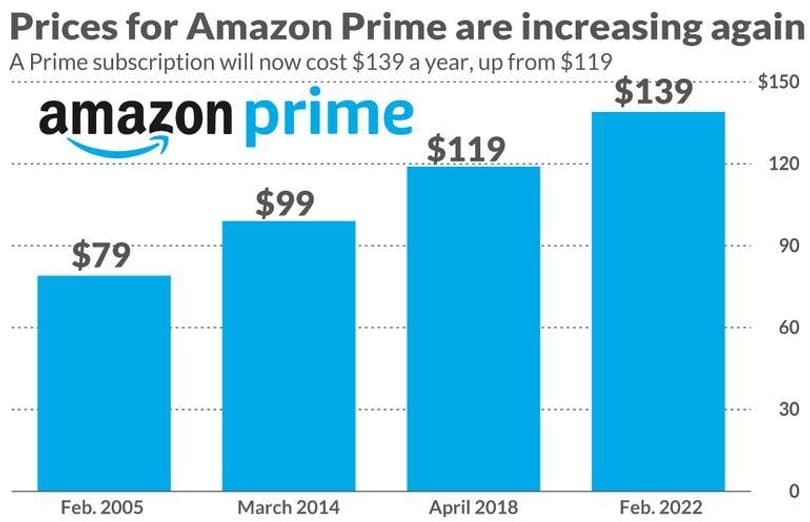
In the landscape of modern personal finance, few line items are as ubiquitous as the Amazon Prime subscription. What began in 2005 as a simple $79-per-year loyalty program designed to offer “all-you-can-eat” two-day shipping has evolved into a sprawling ecosystem of digital services, grocery perks, and retail dominance. Today, for tens of millions of households, the question is no longer “Should I have Prime?” but rather “What is this actually costing me?”
To understand the cost of Amazon Prime, one must look beyond the simple deduction from a checking account. A sophisticated financial analysis requires evaluating the direct membership fees, the secondary costs of “add-on” services, the opportunity cost of the capital, and—perhaps most importantly—the behavioral impact the service has on consumer spending habits. This article breaks down the financial architecture of Amazon Prime to determine its true impact on your bottom line.
1. Breaking Down the Price Tag: Subscription Tiers and Direct Costs
The most immediate answer to the cost of Amazon Prime is found in its tiered pricing structure. Over the last decade, Amazon has aggressively adjusted its pricing to reflect its expanding service list and the rising logistical costs of last-mile delivery.
Monthly vs. Annual Plans
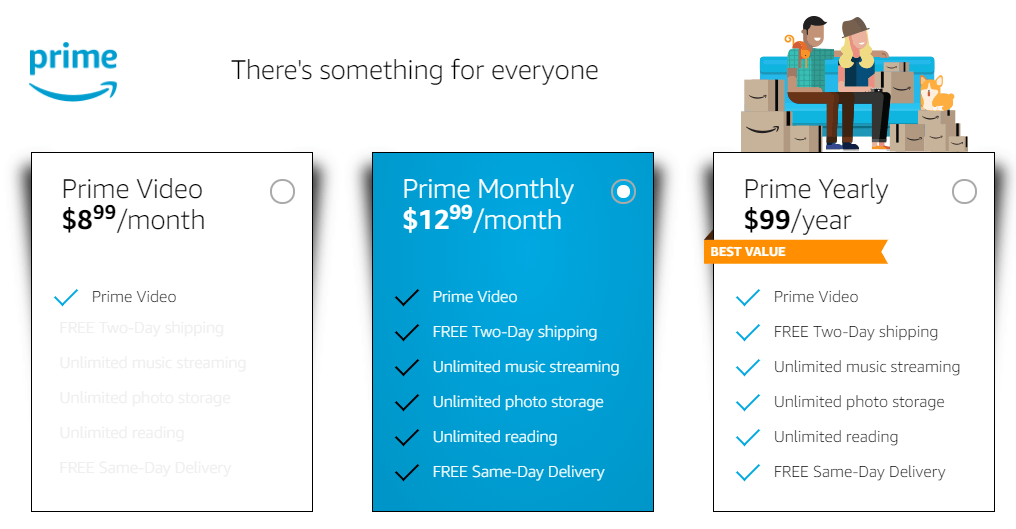
As of 2024, the standard consumer price for Amazon Prime stands at $14.99 per month or $139 per year. From a personal finance perspective, the annual plan is the superior choice for long-term users, offering roughly a 23% discount compared to the month-to-month commitment. However, the monthly plan serves as a strategic tool for “seasonal” shoppers who may only need the service during the holiday corridor or for specific home improvement projects.
Specialized Memberships: Student and Government Assistance Discounts
Amazon utilizes a “penetration pricing” strategy for specific demographics to build long-term brand loyalty. Prime Student is currently priced at $7.49 per month or $69 per year, available to those with a valid .edu email address. Similarly, Prime Access offers a discounted rate of $6.99 per month for recipients of qualifying government assistance programs like SNAP or EBT. For these cohorts, the ROI (Return on Investment) is significantly easier to achieve, as the cost of the subscription is often offset by just two or three avoided shipping fees.
The Hidden Costs of Add-on Channels and Services
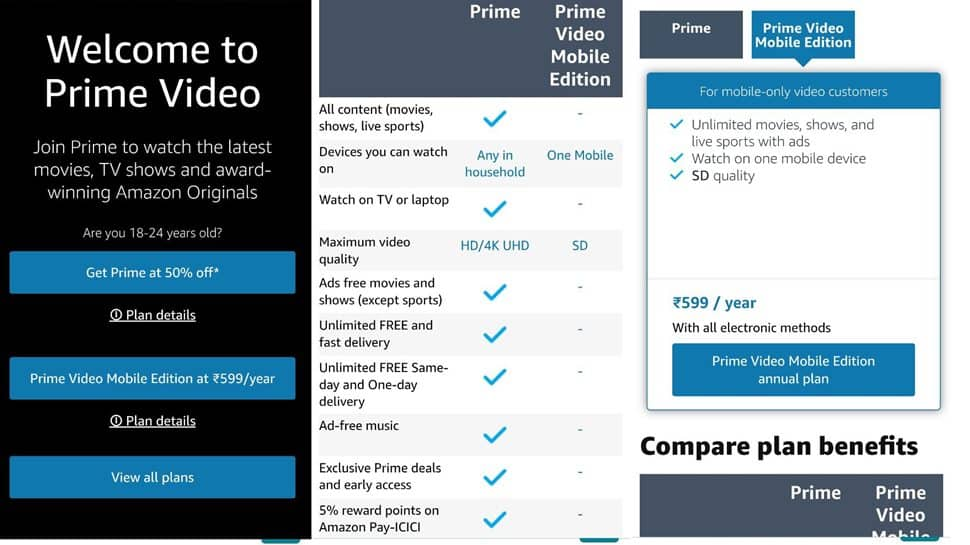
A common financial pitfall for Prime members is the “ecosystem creep.” While the base membership includes Prime Video and Amazon Music Prime, these are often “freemium” gateways. To access premium content, users frequently find themselves paying for:
- Prime Video Channels: Subscriptions to Paramount+, Max, or MGM+ (ranging from $5.99 to $15.99/month).
- Amazon Music Unlimited: An upgrade for audiophiles that costs an additional $9.99/month.
- Audible: While separate, it is often bundled in the consumer’s mind, adding another $14.95/month.
When these “hidden” costs are aggregated, a “Prime household” can easily spend upwards of $500 annually on the ecosystem without realizing the cumulative drain on their discretionary income.
2. The ROI Equation: Is the Membership Worth the Investment?
To determine if Prime is a sound financial move, a consumer must calculate their “break-even point.” This is the point at which the savings generated by the membership exceed the annual fee.
Quantifying Shipping Savings in the E-commerce Age
The primary value proposition remains shipping. With standard shipping on non-Prime orders often costing between $5.95 and $9.95, a member opting for the $139 annual plan needs to place approximately 15 to 24 orders per year to justify the cost on shipping alone. For the average American household, which now relies on e-commerce for everything from toothpaste to electronics, this threshold is typically met within the first four months of the year.
The Digital Value Proposition: Streaming, Reading, and Gaming
For the budget-conscious consumer, Amazon Prime can be viewed as a substitute for other standalone services. If a household cancels a $15/month Netflix subscription in favor of Prime Video, the membership effectively pays for itself.
- Prime Reading: Offers a rotating library of thousands of e-books, potentially saving heavy readers hundreds of dollars a year.
- Prime Gaming: Provides free monthly games and a Twitch subscription, a value of roughly $5/month for gamers.
When these services are utilized as replacements rather than additions, the net cost of Prime can arguably be viewed as “negative.”
Grocery Savings through Whole Foods and Amazon Fresh
Amazon’s acquisition of Whole Foods Market introduced a brick-and-mortar financial component to Prime. Members receive an additional 10% off sale items and exclusive weekly deals. For a family spending $200 a week on groceries, utilizing these discounts could theoretically save $20–$40 monthly, further subsidizing the cost of the membership.
3. The Behavioral Economics of Prime: How Convenience Influences Spending
While the math of shipping savings seems straightforward, the “true cost” of Prime often manifests in how it alters a consumer’s relationship with money. Amazon’s business model is predicated on reducing “friction,” but in personal finance, friction is often a necessary barrier to impulse spending.
The “Sunk Cost” Fallacy in Subscription Models
Once a consumer pays the $139 annual fee, they often feel a psychological pressure to “get their money’s worth.” This leads to a phenomenon known as the sunk cost fallacy, where the member prioritizes shopping on Amazon over other retailers—even if a competitor has a lower price—simply because they have already “paid” for the shipping. Over a year, paying a 5-10% premium on individual items to justify a membership can result in hundreds of dollars in lost savings.
Frictionless Shopping and the Rise of Impulse Purchases
The “Buy Now” button is a masterpiece of behavioral engineering. By removing the time spent entering credit card details or considering the total cost of a cart, Amazon Prime encourages micro-transactions. Data suggests that Prime members spend an average of $1,400 per year on the platform, compared to roughly $600 for non-members. This $800 discrepancy represents the “convenience tax”—spending that might not have occurred if the consumer had to wait or pay for shipping.
Strategies to Mitigate Unnecessary Spending
To maintain financial discipline while keeping Prime, experts suggest:
- The 24-Hour Rule: Place items in the cart but wait 24 hours before hitting “Buy Now.”
- Tracking Annual Spend: Use personal finance apps to aggregate Amazon spending into a single category to visualize the total outflow.
- Removing Saved Cards: Forcing yourself to re-enter card details can re-introduce the “friction” needed to prevent impulse buys.
4. Comparative Market Analysis: Prime vs. The Competition
Amazon no longer holds a monopoly on the “membership for shipping” model. For a consumer looking to optimize their finances, it is essential to compare Prime against its rising competitors.
Walmart+ and Target Circle 360
Walmart+ is the most direct competitor, priced at $98 per year ($41 cheaper than Prime). It offers free shipping with no minimum, free delivery from stores, and—critically for those with long commutes—significant savings on fuel at Exxon, Mobil, and Murphy stations. For rural households or those who prioritize grocery delivery over digital streaming, Walmart+ often provides a better financial return.
Target Circle 360 is the newest entrant, focusing on “Shipt” integration for same-day delivery. While it lacks the robust media library of Prime, its lower price point and integration with the Target RedCard (offering 5% off) make it a formidable alternative for suburban families.
Evaluating Multi-Platform Subscription Fatigue
The danger in the current economy is “subscription stacking.” Many households pay for Prime, Walmart+, Netflix, and Disney+. From a wealth-building perspective, this is inefficient. A critical part of assessing the cost of Prime is determining if it can be your only retail subscription. If you find yourself paying for Prime but still doing 90% of your shopping at Target or Costco, the Prime membership becomes a “ghost expense”—a recurring charge for a service that provides no actual utility.
5. Optimizing Your Personal Finance Strategy with Prime
If you determine that the benefits of Amazon Prime outweigh the costs, the final step is to integrate it into your broader financial strategy to maximize every dollar spent.
Leveraging the Amazon Prime Rewards Visa Card
For those with disciplined credit habits, the Amazon Prime Rewards Visa (issued by Chase) is the most effective way to “zero out” the cost of the membership. The card offers 5% cash back on all Amazon and Whole Foods purchases.
- The Math: If you spend $2,780 annually on Amazon (including groceries and household essentials), the 5% cash back ($139) completely covers the cost of your Prime membership. For high-spending households, the card turns Prime from an expense into a net-positive revenue stream.
When to Cancel: Indicators of a Poor Financial Fit
Financial circumstances and lifestyle needs change. A Prime membership should be re-evaluated annually based on the following red flags:
- Low Order Frequency: If you place fewer than 15 orders a year, you are likely overpaying for shipping via the membership fee.
- Unused Digital Perks: If you don’t watch Prime Video or use Amazon Music, you are paying for a “bundle” where 70% of the value is wasted.
- Increased Debt: If your Amazon “Buy Now” habit is contributing to credit card balances, the convenience of Prime is actively destroying your net worth.
In conclusion, the cost of Amazon Prime is not a static $139. It is a dynamic financial variable that depends on your spending volume, your use of digital substitutes, and your ability to resist the lure of frictionless consumption. By treating Prime as a business investment rather than a basic necessity, you can ensure that this retail giant works for your budget, rather than against it.
aViewFromTheCave is a participant in the Amazon Services LLC Associates Program, an affiliate advertising program designed to provide a means for sites to earn advertising fees by advertising and linking to Amazon.com. Amazon, the Amazon logo, AmazonSupply, and the AmazonSupply logo are trademarks of Amazon.com, Inc. or its affiliates. As an Amazon Associate we earn affiliate commissions from qualifying purchases.