
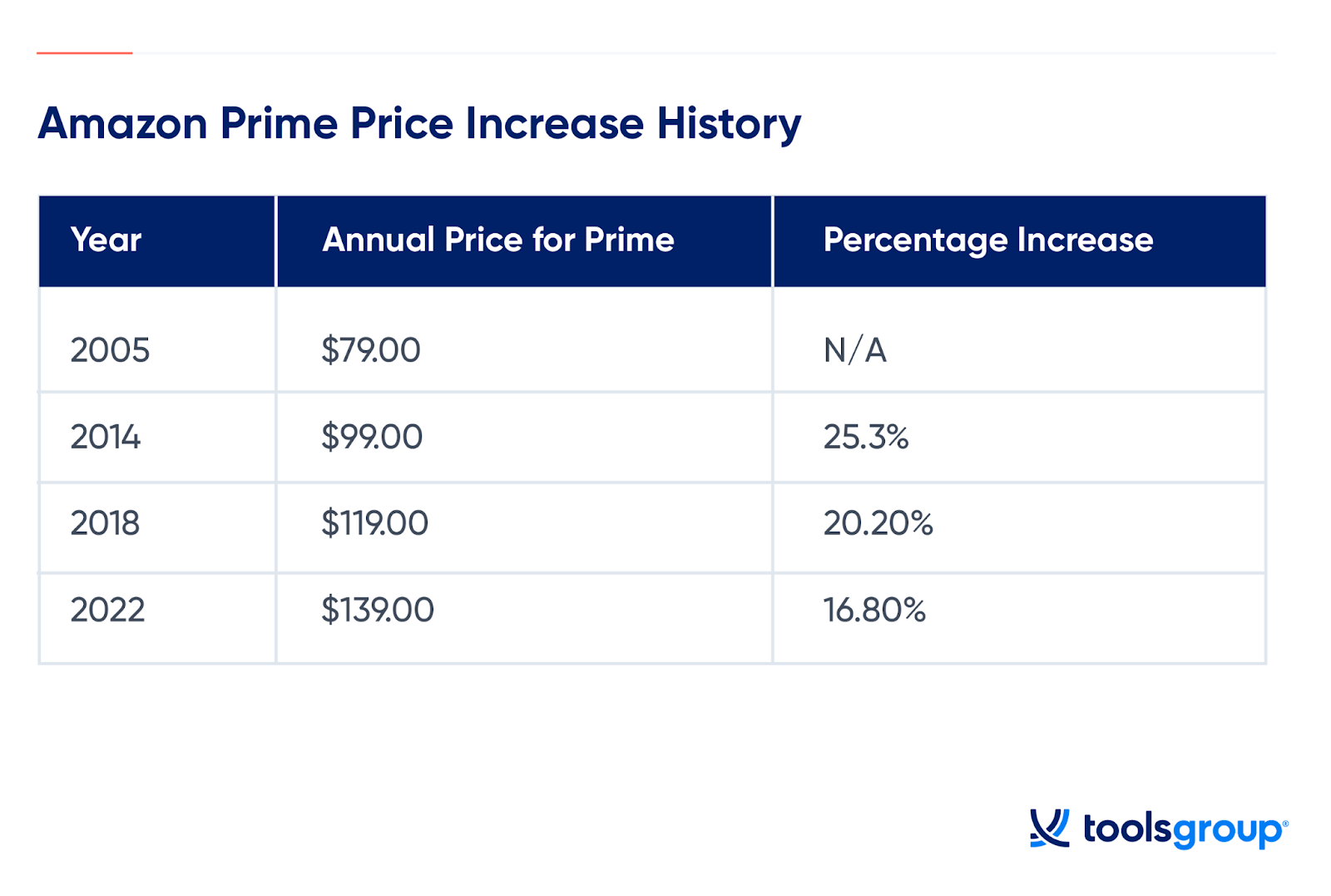
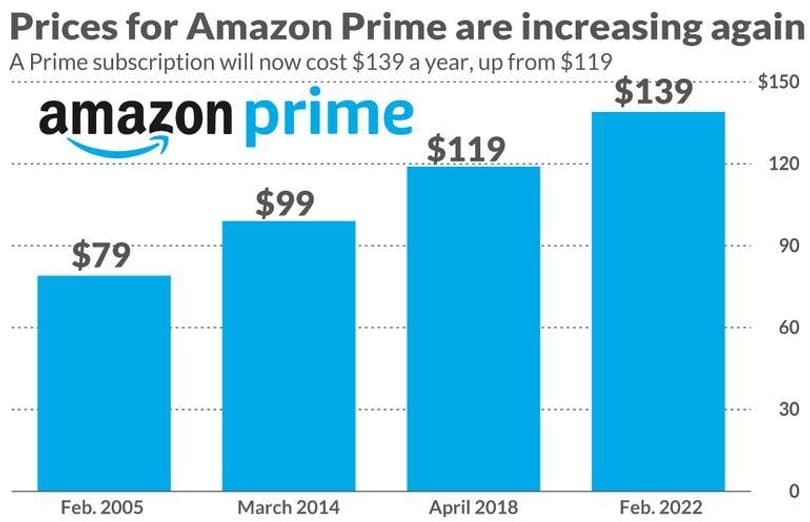
In the landscape of modern personal finance, few line items in a household budget are as ubiquitous—or as frequently debated—as the Amazon Prime membership. What began in 2005 as a simple $79-per-year “all-you-can-eat” express shipping program has evolved into a multi-faceted financial ecosystem. Today, determining the cost of Amazon Prime is no longer just about looking at a single price tag; it requires a sophisticated analysis of consumer behavior, opportunity costs, and the tangible ROI (Return on Investment) of its various digital and physical benefits.
For the budget-conscious consumer, the central question is: Does the annual fee justify the expenditure, or has “subscription creep” turned a convenience into a financial drain? To answer this, we must deconstruct the current pricing tiers and weigh them against the multifaceted value proposition Amazon offers.
The Current Pricing Landscape: Understanding Your Outlays
As of 2024, the cost of Amazon Prime is structured to cater to different liquidity needs and demographic profiles. The standard consumer faces a binary choice: the monthly flexibility of $14.99 or the discounted annual commitment of $139. From a purely mathematical standpoint, the annual plan offers a significant saving of approximately $40 per year compared to the monthly cadence. However, the “Money” niche perspective requires us to look deeper into the cash flow implications of these choices.
Monthly vs. Annual: A Cash Flow Analysis
For many households, an upfront payment of $139 represents a significant “lump sum” expense that can disrupt a tight monthly budget. Conversely, the $14.99 monthly fee, while more expensive in the long run, provides the flexibility to “churn” the subscription—activating it during high-volume shopping months like December and canceling it during leaner periods. This strategic toggling is a sophisticated way to manage online spending without committing to a permanent fixed cost.
Discounted Tiers: Prime Student and Prime Access
Amazon has strategically segmented its pricing to capture demographics with lower disposable income but high long-term value.
- Prime Student: At $7.49 per month or $69 per year, this tier is an aggressive play for the younger demographic. For students, the ROI is often cleared by the savings on textbooks and dorm supplies alone.
- Prime Access: Designed for recipients of qualifying government assistance (such as SNAP or EBT), this tier costs $6.99 per month. From a social and financial equity perspective, this allows lower-income households to access the same logistics-based savings—lower fuel costs and time saved—that wealthier households enjoy.
The ROI of Prime: Beyond the “Free” Shipping
To truly understand the cost of Amazon Prime, one must quantify the “hidden” dividends of the membership. In personal finance, value is defined as the cost of a service subtracted from the cost you would have otherwise incurred to obtain those same benefits elsewhere.
The Logistics Dividend
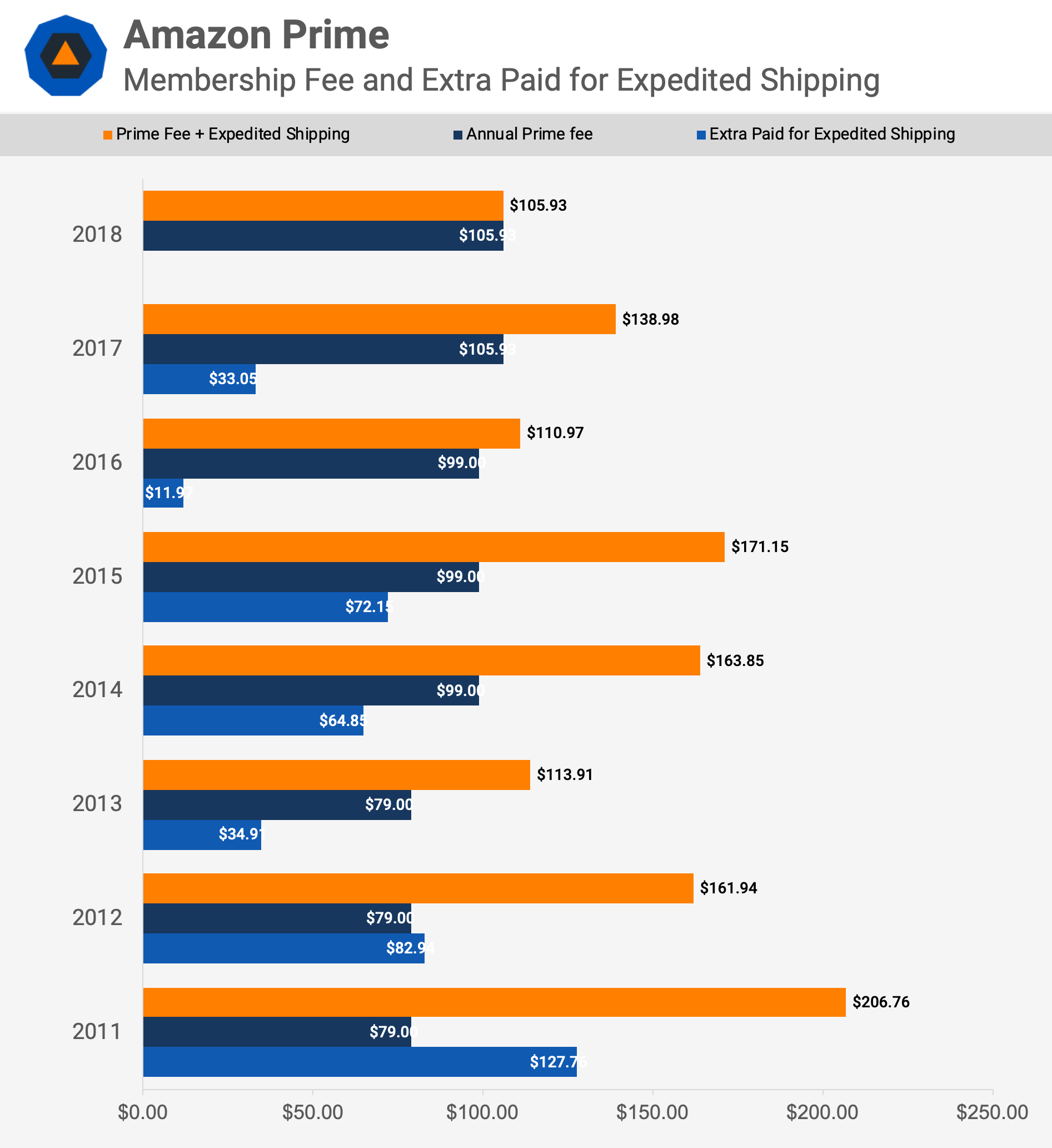
The primary value driver remains shipping. With the average cost of standard shipping for non-Prime items ranging between $5.99 and $9.99, a Prime member only needs to place 14 to 23 orders per year to “break even” on the annual fee. In an era of high inflation and rising fuel prices, the ability to have a single $15 item delivered to your doorstep—saving you a 20-minute drive to a brick-and-mortar store—represents a tangible saving in both gasoline and the “time-cost of money.”
Digital Consolidation and Subscription Substitution
A major component of the Prime value proposition is its role as a “subscription aggregator.” To calculate the true cost, one must look at the services Prime replaces:
- Prime Video: In a market where Netflix, Max, and Disney+ cost between $10 and $20 each, Prime Video offers a comparable library. If a household cancels a standalone streaming service in favor of Prime Video, the membership essentially pays for itself.
- Amazon Music Prime: For casual listeners, this eliminates the need for a $10.99/month Spotify or Apple Music subscription.
- Prime Reading and First Reads: For avid readers, the rotating library of e-books provides a direct alternative to purchasing individual titles or a Kindle Unlimited subscription ($11.99/month).
When these services are bundled, the $139 annual fee can effectively replace $300–$400 in annual standalone digital subscriptions.
Leveraging the Ecosystem for Household Budgeting
Beyond the digital perks, Amazon Prime offers specific tools designed to optimize a household’s recurring expenses. For the savvy financial planner, these features can turn the membership into a net-positive asset.
Grocery Optimization: Whole Foods and Amazon Fresh
Amazon’s integration with Whole Foods Market provides members with an extra 10% off sale items and exclusive “member-only” deals. For families who shop for organic or high-end groceries, these incremental savings can easily exceed the $11.58 monthly cost of the membership. Furthermore, the “Subscribe & Save” feature—often offering up to 15% off recurring household essentials like detergent, diapers, and pantry staples—automates savings that would otherwise require manual couponing and physical trips to multiple discount retailers.
The Amazon Visa Synergy
From a personal finance perspective, the most powerful way to offset the cost of Prime is through the Amazon Prime Visa Card. This card offers 5% back on all Amazon and Whole Foods purchases. If a household spends $2,780 annually on Amazon (roughly $231 per month on groceries, home goods, and electronics), the cash back earned ($139) covers the entire cost of the Prime membership. This creates a “closed-loop” financial system where the membership facilitates the savings that eventually pay for the membership itself.
Prime Pharmacy: Healthcare Cost Management
The introduction of Prime Pharmacy and the “RxPass” ($5/month for all-you-can-access generic medications) is a significant financial development. For uninsured or underinsured individuals, the discounts on prescription medications through Prime can represent hundreds, if not thousands, of dollars in annual savings, fundamentally altering the “cost” of the membership from an entertainment expense to a healthcare necessity.
The “Prime Trap”: Analyzing the Financial Downside
A professional analysis of the cost of Amazon Prime would be incomplete without addressing the “spending bias” it creates. While the membership offers many ways to save, it is also designed to increase the frequency and frictionlessness of spending.
The Psychology of “Free” Shipping
In behavioral economics, “free” is a powerful emotional trigger. Once the annual fee is paid, consumers often feel a psychological need to “get their money’s worth.” This leads to a phenomenon known as the sunk cost fallacy, where members place smaller, more frequent orders for items they might not have purchased otherwise. The lack of a shipping barrier often leads to impulse buying, which can derail a strict personal budget.
The Opportunity Cost of Market Comparison
The convenience of Prime often discourages price comparison. Because the shipping is “free,” members are less likely to check if a product is cheaper at a local competitor or another online retailer. This “loyalty tax” can quietly erode the savings gained from the membership. A disciplined financial approach requires members to occasionally “audit” their purchases to ensure they aren’t paying a premium for the convenience of 2-day delivery.
Final Verdict: Is Amazon Prime a Sound Financial Investment?
The true cost of Amazon Prime is subjective and depends entirely on how the user integrates the service into their broader financial strategy.
For the passive user—someone who only orders occasionally and doesn’t use the streaming or grocery benefits—the $139 fee is a net loss. In this scenario, the user is subsidizing the benefits of more active members.
For the strategic user, however, Amazon Prime is a sophisticated financial tool. By consolidating streaming services, leveraging the 5% cash-back credit card, utilizing the Subscribe & Save discounts for household essentials, and taking advantage of the RxPass for healthcare, the membership doesn’t just “pay for itself”—it becomes a source of significant annual household “profit.”
Ultimately, the decision to maintain a Prime membership should be treated like any other investment. It requires an annual audit of usage statistics and a cold, hard look at the “savings vs. spend” ratio. In the modern economy, convenience is a commodity, and Amazon Prime is its most prominent marketplace; just ensure you are the one profiting from the convenience, rather than the one paying for the privilege of spending more.
aViewFromTheCave is a participant in the Amazon Services LLC Associates Program, an affiliate advertising program designed to provide a means for sites to earn advertising fees by advertising and linking to Amazon.com. Amazon, the Amazon logo, AmazonSupply, and the AmazonSupply logo are trademarks of Amazon.com, Inc. or its affiliates. As an Amazon Associate we earn affiliate commissions from qualifying purchases.