
For the modern consumer, time is the ultimate currency. While we live in an era of 24/7 digital connectivity, the physical bank branch remains a cornerstone of the financial ecosystem. Whether you are a small business owner needing to deposit the day’s cash receipts, a homebuyer picking up a cashier’s check, or an investor seeking a face-to-face consultation, knowing “what time Chase Bank closes” is more than a simple Google search—it is a vital component of effective personal and business money management.
In this guide, we will explore the nuances of Chase Bank’s operating hours, the strategic importance of “business day” cutoffs, and how to navigate your financial needs when the physical doors are locked.
1. Navigating Standard Operating Hours and Regional Variations
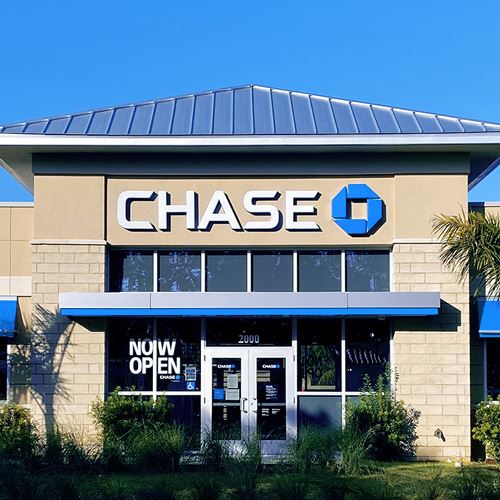
Chase Bank, a subsidiary of JPMorgan Chase & Co., operates one of the largest branch networks in the United States. Because it serves diverse markets—from the bustling streets of Manhattan to quiet suburban corridors—hours are not universal. However, Chase follows a generalized schedule that allows for predictable financial planning.
Standard Weekday Hours
Most Chase Bank branches open their doors at 9:00 AM local time. Closing times typically fall between 5:00 PM and 6:00 PM from Monday through Friday. In major metropolitan hubs or high-traffic commercial zones, you may find branches that remain open until 7:00 PM to accommodate commuters. Conversely, branches located inside professional buildings or more remote areas might close strictly at 5:00 PM.
Weekend Availability
One of the reasons Chase remains a leader in the “Money” sector is its commitment to weekend accessibility.
- Saturdays: A significant majority of Chase branches are open on Saturdays. These hours are usually truncated, typically running from 9:00 AM to 1:00 PM, 2:00 PM, or 4:00 PM.
- Sundays: Traditionally, Chase branches are closed on Sundays. While a handful of flagship locations in specialized markets might offer limited Sunday services, it is safest to assume that physical branch banking is unavailable on the first day of the week.
Federal Reserve Holidays
As a member of the Federal Reserve System, Chase Bank observes all federal holidays. On these days, physical branches are closed, and the “processing” of many financial transactions is paused. These holidays include:
- New Year’s Day
- Martin Luther King Jr. Day
- Presidents’ Day
- Memorial Day
- Juneteenth National Independence Day
- Independence Day (July 4th)
- Labor Day
- Indigenous Peoples’ Day (Columbus Day)
- Veterans Day
- Thanksgiving Day
- Christmas Day
2. The Strategic Importance of “The Business Day” in Money Management
In the world of finance, there is a distinct difference between “the time the doors close” and “the end of the business day.” Understanding this distinction is critical for anyone managing tight cash flows or making time-sensitive investments.
The 5:00 PM Rule and Processing Cutoffs
Even if your local Chase branch stays open until 6:00 PM, the “business day” for transaction processing often ends earlier—typically at 5:00 PM or even 2:00 PM for certain types of wire transfers. If you walk into a branch at 5:30 PM to deposit a check, the funds may not begin the clearing process until the following business day.
For business owners, this lag can impact payroll or vendor payments. To maximize liquidity, it is essential to coordinate your branch visits with these internal processing “cutoff times.” If you are managing a high-volume account, always ask your branch manager for the specific cutoff times for ACH transfers and check clearing.
Transaction Deadlines and Interest Accrual
For those managing high-yield savings accounts or paying down credit card balances, timing is everything. A payment made before the close of the business day is credited as “on time,” preventing late fees and interest charges. If you miss the closing time of your local branch, you aren’t necessarily out of luck, but you must shift your strategy to Chase’s digital or automated platforms to ensure your money is where it needs to be before the clock strikes midnight.
3. Beyond the Lobby: Leveraging 24/7 Financial Tools

When the physical branch closes, your ability to manage your money does not stop. Chase has invested billions into its infrastructure to ensure that “closing time” is merely a transition from physical to digital service.
The Power of Chase ATMs
Chase ATMs are far more than just cash dispensers. Most Chase locations feature “eATMs” that are available 24/7 in a secure outer lobby. These machines allow you to:
- Deposit Checks and Cash: Most deposits made at an ATM before 8:00 PM ET are considered received on that business day.
- Withdraw Specific Denominations: Many newer machines allow you to choose between $1, $5, $20, and $100 bills.
- Cardless Access: Using the Chase Mobile app, you can access the ATM via your phone’s NFC (Near Field Communication) sensor, even if you’ve forgotten your physical wallet.
The Chase Mobile® App and Online Banking
For the vast majority of personal finance tasks, you do not need the branch to be open. The Chase Mobile app provides a comprehensive suite of tools that function regardless of the hour.
- QuickDeposit℠: You can scan and deposit checks from your smartphone at 11:00 PM on a Saturday. While the funds won’t clear instantly, you have initiated the process much faster than waiting for Monday morning.
- Zelle® Integration: For immediate person-to-person transfers, Chase’s integration with Zelle allows for the movement of money in minutes, bypassing traditional “banking hours” entirely.
- Security Controls: If you lose your debit card after the bank has closed, you can use the app to “lock” the card instantly, protecting your assets until you can speak with a representative.
4. When the Physical Branch is Irreplaceable
Despite the convenience of apps and ATMs, certain financial milestones require the physical presence of a banker. Knowing the closing time is paramount when you need services that can only be performed in person.
Notary Services and Signature Guarantees
If you are finalizing a real estate deal or a legal settlement, you may require a Notary Public or a Medallion Signature Guarantee. These services are regulated and require a physical witness. Because these specialized staff members may not be available for the entire duration of the branch’s open hours, it is highly recommended to book an appointment through the Chase website rather than walking in ten minutes before closing.
Safe Deposit Boxes
For those who store physical gold, property deeds, or family heirlooms in a safe deposit box, access is strictly limited to the hours the vault is manned. Unlike the ATM lobby, there is no “after-hours” access for safe deposit boxes. If you need your documents for an early morning meeting on Monday, you must plan your visit for Friday afternoon or Saturday morning.
Large Cash Transactions and Currency Exchange
If you need to withdraw a significant amount of cash (typically over $3,000 to $5,000) or exchange currency for international travel, you should visit the branch well before closing. These transactions require additional verification and, in the case of foreign currency, may require the branch to pull from their specific reserves or order the funds in advance.
5. Proactive Financial Planning: Tips for the Chase Customer
To ensure you never find yourself staring at a “Closed” sign when you have an urgent financial need, consider these proactive strategies:
- Use the “Find a Branch” Tool: The Chase website and mobile app have a GPS-enabled locator that provides real-time hours for every branch and ATM nearby. This is especially useful when traveling, as branch hours in a rural area may differ significantly from those in a city.
- Schedule a Meeting: If you need to discuss a mortgage, a small business loan, or investment strategies with a J.P. Morgan Advisor, use the online scheduling tool. This ensures a banker is dedicated to your needs and prevents the frustration of waiting in line as closing time approaches.
- Understand the “Float”: If you are depositing a large check to cover an upcoming bill, remember that “closing time” is your deadline. Utilizing the branch before 5:00 PM ensures the fastest possible access to your funds.
- Check for “Drive-Up” Services: Some Chase branches in suburban areas offer drive-up teller windows. These windows occasionally open 30 minutes earlier or stay open 30 minutes later than the main lobby, providing a convenient window for busy professionals.

Conclusion
In the landscape of personal and business finance, Chase Bank stands as a pillar of reliability. While their digital tools offer unprecedented freedom, the physical branch remains an essential tool for complex transactions and personal consultations. By understanding the nuances of Chase’s closing times, holiday schedules, and processing cutoffs, you can manage your money with greater precision and less stress.
Remember: the goal is not just to know when the bank closes, but to master the tools available to you so that your financial life continues to move forward 24 hours a day, 7 days a week.
aViewFromTheCave is a participant in the Amazon Services LLC Associates Program, an affiliate advertising program designed to provide a means for sites to earn advertising fees by advertising and linking to Amazon.com. Amazon, the Amazon logo, AmazonSupply, and the AmazonSupply logo are trademarks of Amazon.com, Inc. or its affiliates. As an Amazon Associate we earn affiliate commissions from qualifying purchases.