
In the modern era of instant digital transfers and mobile wallets, the traditional paper cheque remains a surprisingly resilient tool in the world of personal and business finance. Whether you are paying rent to a landlord who prefers physical records or settling a large transaction where a paper trail is paramount, cheques offer a level of formality that digital pings sometimes lack. However, the physical nature of a cheque introduces specific risks: it can be lost in the mail, stolen, written for the wrong amount, or issued to a vendor who fails to deliver promised services.

When these situations arise, knowing how to “cancel” a cheque—formally known as issuing a stop payment order—is a critical financial literacy skill. This process allows an account holder to instruct their financial institution not to honor a specific cheque when it is presented for payment. Navigating this process requires speed, precision, and an understanding of the banking regulations that govern these transactions.
Understanding the Mechanics of a Stop Payment Order
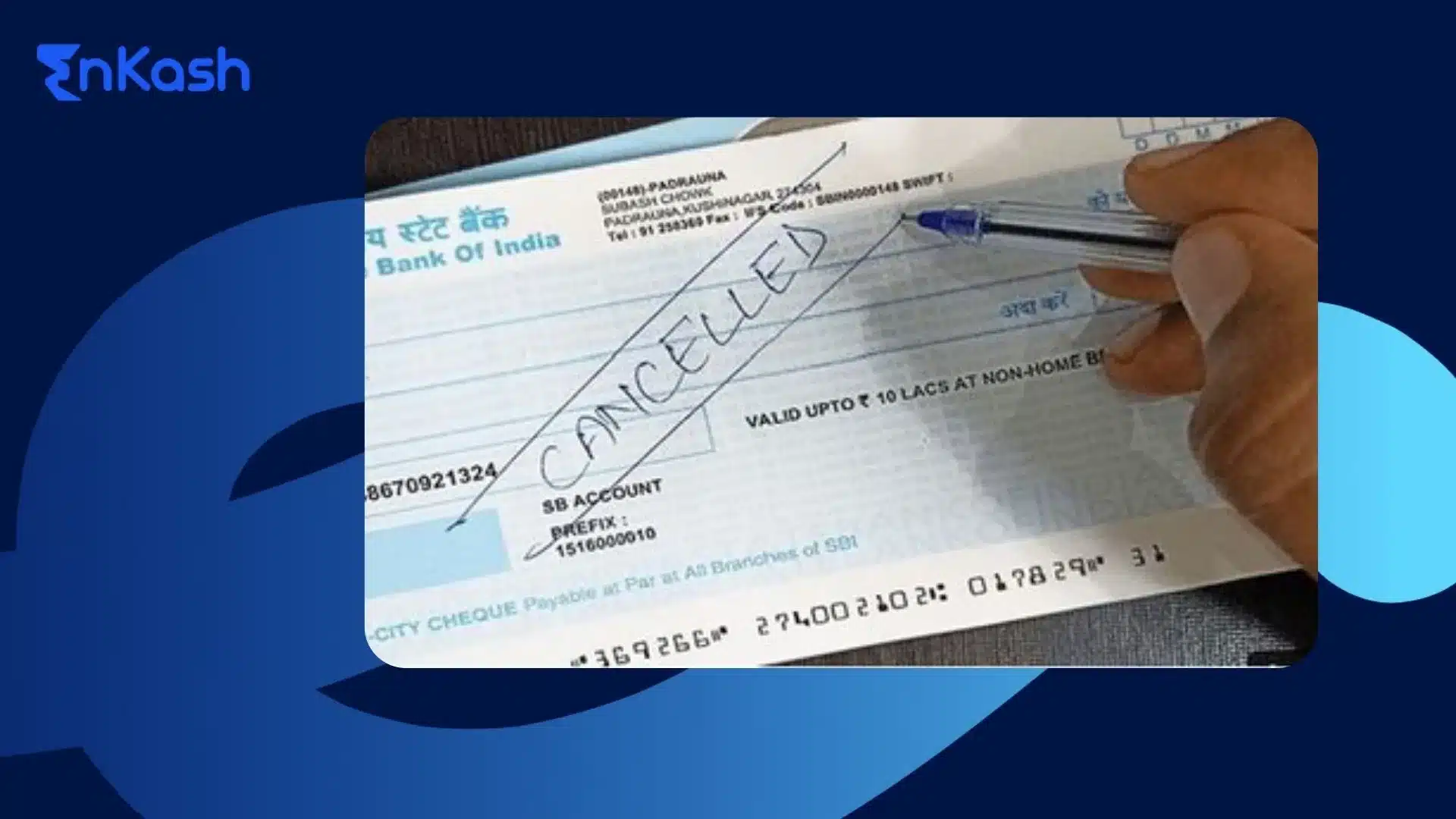
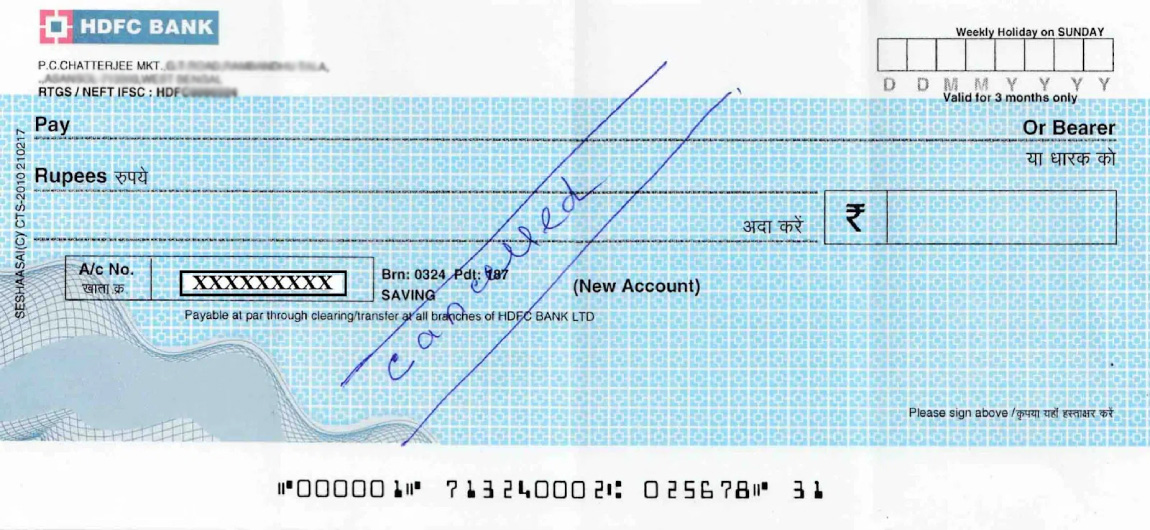
A stop payment order is a formal request made to a financial institution to cancel a cheque or payment that has not yet been processed. It is important to distinguish this from “voiding” a cheque. Voiding occurs before you hand the cheque over (by writing “VOID” across the front), whereas a stop payment occurs after the cheque has left your hands but before it has been cleared by the banking system.
When Should You Cancel a Cheque?
There are several legitimate reasons why a consumer or business owner might need to initiate a stop payment. The most common scenario is a lost or stolen cheque. If a cheque falls into the wrong hands, it can be altered or fraudulently cashed. Another frequent reason involves disputes with merchants. If you have written a cheque for a service that was never rendered or for goods that arrived damaged, a stop payment acts as a safeguard for your funds. Lastly, administrative errors—such as writing the wrong amount or the wrong date—necessitate a cancellation to prevent an incorrect debit from your account.
The Legal and Financial Implications
It is vital to understand that stopping payment on a cheque does not legally absolve you of a debt. If you owe a party money and you cancel the cheque used to pay them, the underlying obligation still exists. In some jurisdictions, stopping payment on a cheque without a valid legal reason (such as fraud or failure of consideration) can be viewed as a breach of contract or, in extreme cases, “bad faith.” Always ensure that your reason for cancellation is documented, especially in business-to-business transactions where legal disputes over “stop payments” can become complex.
Oral vs. Written Stop Payment Orders
Banking regulations, such as the Uniform Commercial Code (UCC) in the United States, typically differentiate between oral and written stop payment requests. An oral request (made over the phone) is often only binding for 14 calendar days. To make the stop payment effective for a longer period—usually six months—the bank will require a written confirmation. Failing to follow up a phone call with a written request could result in the cheque being cashed after the two-week window expires.
The Step-by-Step Process of Cancelling a Cheque
Once you realize a cheque needs to be cancelled, time is of the essence. The window for stopping a payment closes the moment the recipient cashes the cheque or the bank processes the clearing.
Contacting Your Financial Institution
The first step is to contact your bank immediately. Most major financial institutions offer three primary channels for this: online banking portals, mobile apps, or customer service hotlines. For immediate peace of mind, the mobile app is often the fastest route. Most apps have a “Services” or “Cheque Management” section where a stop payment can be initiated with a few taps. If the situation involves potential fraud or theft, speaking directly with a representative is advisable, as they may need to flag your account for additional security monitoring.
Information Required for a Successful Cancellation
To stop a payment, you must provide the bank with specific details to ensure they flag the correct instrument. If you provide incorrect information, the bank may not be held liable if the cheque is accidentally cashed. You will need:
- The Cheque Number: This is the most critical piece of information.
- The Exact Amount: Banks often use automated systems to flag cheques by the dollar amount.
- The Payee’s Name: Who the cheque was made out to.
- The Date of the Cheque: To help the bank identify the specific transaction.
- Your Account Number: The account from which the funds would be drawn.
Online Banking vs. In-Person Requests
While digital methods are faster, visiting a branch can be beneficial if you have lost an entire range of cheques. A bank teller can help you place a stop payment on a series of cheque numbers (e.g., cheques #101 through #110) in one transaction. Furthermore, an in-person visit allows you to receive a physical, stamped receipt of the stop payment order, which serves as a vital paper trail if the bank erroneously clears the cheque later.
Fees, Timelines, and Limitations
Cancelling a cheque is rarely a free service. Because it requires manual intervention and the flagging of the bank’s automated clearing systems, institutions charge for the convenience.
Associated Costs of Stop Payments
Most banks charge a fee ranging from $15 to $35 per stop payment request. For individuals on “Premium” or “Gold” banking tiers, this fee is often waived as a perk of the account. For businesses that issue hundreds of cheques a month, these fees can add up, which is why many corporations utilize “Positive Pay” services. Positive Pay is an automated fraud detection tool where the company sends the bank a list of all cheques issued; if a cheque is presented that doesn’t match the list, the bank flags it automatically, often at a lower per-item cost than individual stop payments.
Expiration and Renewal of Orders
A stop payment order is not permanent. As mentioned, oral orders typically last 14 days, while written or digital orders usually last six months. This timeframe aligns with the industry standard for “stale-dated” cheques—most banks will not honor a cheque that is more than six months old. However, it is not a guarantee. If the cheque is for a significant sum, you should mark your calendar to renew the stop payment order before the six-month window closes to ensure continued protection.
When a Cheque Cannot Be Cancelled
It is a common misconception that all cheques can be cancelled. Certified cheques, cashier’s cheques, and money orders are much harder—and sometimes impossible—to stop. This is because these instruments represent a guarantee of funds by the bank itself, rather than a personal promise to pay. To stop a cashier’s cheque, you usually have to prove the instrument was lost or stolen and may be required to purchase an “indemnity bond” to protect the bank against the loss if the original cheque is eventually cashed.
Enhancing Financial Security in a Digital World
While knowing how to cancel a cheque is a necessary defensive move, the best strategy is to minimize the risks associated with physical cheques through better financial habits and digital alternatives.
Moving Toward ACH and Secure Digital Transfers
For recurring payments or large transactions, consider using ACH (Automated Clearing House) transfers or wire transfers. These methods are generally more secure because they do not involve a physical piece of paper that can be intercepted or altered. In the business world, “Virtual Credit Cards” are becoming a popular alternative to cheques for vendor payments. These allow you to set a specific limit and expiration date for a single transaction, essentially providing a “self-cancelling” mechanism that cheques lack.
Protecting Your Account Post-Cancellation
If you cancelled a cheque because it was stolen or your chequebook was lost, simply stopping one or two cheques may not be enough. If a bad actor has your chequebook, they have your routing number and account number. With this information, they could potentially initiate unauthorized electronic withdrawals. In cases of theft, the most professional and secure recommendation is often to close the compromised account entirely and move your funds to a new account with a different number.
The Role of Positive Pay for Businesses
For business owners, the “Money” niche focuses heavily on cash flow management and loss prevention. Implementing “Positive Pay” through your commercial banking suite is the gold standard. By proactively telling the bank which cheques are valid, you move from a reactive stance (cancelling a cheque after an error) to a proactive stance (preventing unauthorized cheques from ever hitting your balance).
In conclusion, the ability to cancel a cheque is a powerful tool in your financial arsenal. It provides a “delete key” for physical transactions, offering protection against fraud, loss, and commercial disputes. By acting quickly, providing accurate details, and understanding the costs and limitations involved, you can maintain control over your liquid assets and ensure your personal or business finances remain secure. Regardless of how digital our world becomes, the principles of monitoring your outgoings and knowing how to halt a transaction remain timeless pillars of sound money management.
aViewFromTheCave is a participant in the Amazon Services LLC Associates Program, an affiliate advertising program designed to provide a means for sites to earn advertising fees by advertising and linking to Amazon.com. Amazon, the Amazon logo, AmazonSupply, and the AmazonSupply logo are trademarks of Amazon.com, Inc. or its affiliates. As an Amazon Associate we earn affiliate commissions from qualifying purchases.