
In an era where digital transactions dominate and the traditional banking landscape is rapidly evolving, reloadable Visa cards have emerged as a cornerstone of modern personal finance. Often referred to as prepaid debit cards, these financial tools offer the convenience of a credit card without the risk of accumulating debt or the requirement of a rigorous credit check. Whether you are looking to stick to a strict budget, enhance your online security, or provide a financial tool for a family member, knowing where to purchase and how to evaluate these cards is essential.

This guide explores the various avenues for acquiring a reloadable Visa card, the fee structures associated with them, and the strategic financial advantages they offer in today’s economy.
Top Retail and Online Destinations to Purchase Reloadable Visa Cards
The accessibility of reloadable Visa cards is one of their primary appeals. Unlike traditional bank accounts, which require in-person visits or lengthy online verification processes, these cards can often be purchased and activated within minutes.
Major Retailers and Big-Box Stores
For most consumers, the local retail environment is the most convenient starting point. Major nationwide chains carry a variety of reloadable Visa options, typically located in the “Gift Card” mall or near the checkout lanes.
- Walmart: As a leader in alternative financial services, Walmart offers several Visa-branded prepaid options, including the Walmart MoneyCard. These are easily accessible and often come with integrated features designed for frequent shoppers.
- Target: Similar to Walmart, Target stocks a variety of prepaid cards. Their selection often includes major players like Netspend or Green Dot.
- Pharmacies and Drugstores: CVS, Walgreens, and Rite Aid are ubiquitous sources for reloadable cards. These locations are particularly useful for quick “Vanilla” brand Visa cards, which are designed for immediate use and easy reloading via their respective networks.
- Grocery Chains: Supermarkets like Kroger, Publix, and Safeway also provide a wide array of reloadable cards, often allowing you to load funds directly at the register or the customer service desk.
Digital Platforms and Direct-to-Consumer Providers
If you are not in a rush to hold a physical card in your hand today, ordering a card online directly from a provider often yields better long-term terms and lower fees.
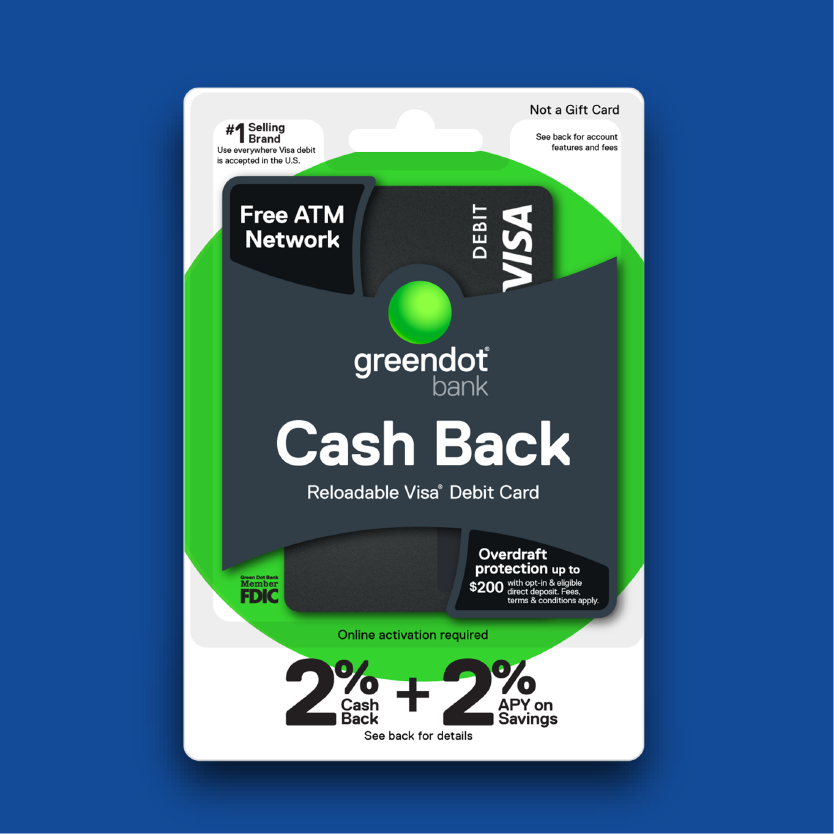
- Netspend and Green Dot: These are the giants of the prepaid industry. By visiting their websites, you can request a personalized card that includes your name embossed on the front. This adds a layer of professionalism and allows for easier use at locations that might require a “verified” card, such as car rental agencies or hotels.
- Bluebird by American Express (Visa Version): While traditionally associated with Amex, many similar digital-first providers offer Visa-backed reloadable cards with robust mobile apps. These platforms allow you to manage your balance, deposit checks via your smartphone camera, and set up automated transfers.
Financial Institutions and Traditional Banks
Many people overlook the fact that traditional banks also offer reloadable Visa products. Institutions like Chase (with their “Liquid” card, now often integrated into their standard checking) or PNC Bank offer prepaid options for those who want a relationship with a major bank without the risk of overdraft fees associated with a standard checking account. These are excellent options for consumers who want the security of a large institution but the guardrails of a prepaid limit.
Evaluating the Cost Structure: Understanding Fees and Limits
In the world of personal finance, the “cost” of a tool is just as important as its utility. Reloadable Visa cards are not free to operate, and understanding the fee schedule is critical to ensuring the card helps—rather than hinders—your financial health.
Common Fee Schedules to Watch For
When purchasing a card, you must look past the initial “purchase price” (often ranging from $2.95 to $5.95) and examine the ongoing costs.
- Monthly Maintenance Fees: Many cards charge a monthly fee ranging from $5 to $10. Some providers will waive this fee if you meet a minimum monthly deposit requirement, such as $500 or $1,000 via direct deposit.
- Reload Fees: Unless you use direct deposit, adding money to your card can cost money. Retailers like Walmart or CVS often charge a “swipe reload” fee of $3.74 to $5.95 per transaction.
- ATM Withdrawal Fees: While you can use these cards at ATMs, you will often face a fee from both the card issuer and the ATM owner. Seeking out cards with a “no-fee” ATM network (like Allpoint) can save you significant money over time.
- Inactivity Fees: If you stop using your card for 90 days or more, some issuers will begin deducting a fee from your remaining balance.
Transaction and Withdrawal Limits
Every reloadable Visa card comes with a set of “limits” defined by the issuer’s risk management policies. These typically include:
- Daily Spending Limits: Most cards cap daily purchases at $2,500 to $5,000.
- Maximum Balance: Unlike a traditional savings account, prepaid cards often have a maximum balance limit, frequently capped at $10,000 or $15,000.
- ATM Limits: Daily cash withdrawals are usually limited to $300 to $500. Knowing these limits is vital if you intend to use the card for larger expenses like monthly rent or emergency repairs.

Strategic Benefits of Using Reloadable Cards for Personal Finance
Beyond the convenience of purchase, reloadable Visa cards serve as powerful instruments for sophisticated financial planning and risk mitigation.
Budgetary Control and Debt Prevention
One of the most significant advantages of a reloadable card is the “hard limit” it places on spending. Unlike a credit card, where you might be tempted to spend up to a high credit limit, or a debit card with “overdraft protection” that allows you to spend money you don’t have for a $35 fee, a prepaid card simply stops working when the balance reaches zero.
This makes them ideal for “envelope system” budgeting. You can load a specific amount for “Discretionary Spending” or “Groceries” onto a dedicated card, ensuring you never exceed your planned budget for the month.
Enhanced Security for Online and Physical Transactions
With the rise of data breaches, many consumers are hesitant to link their primary bank account or high-limit credit cards to every online subscription or retail site. A reloadable Visa card acts as a “buffer.” By only keeping a small amount of money on the card, you limit your exposure. If the card details are compromised, the thief only has access to the pre-loaded funds, and your main life savings remain untouched and unlinked.
Bridging the Gap for the Underbanked Population
For millions of individuals who may not have access to traditional banking due to past credit challenges or lack of documentation, the reloadable Visa card is a gateway to the modern economy. It allows for:
- Direct Deposit: Getting paid up to two days faster than paper checks.
- Online Bill Pay: Paying utilities and rent without the need for expensive money orders.
- Electronic Record Keeping: Providing a digital trail of expenses that is far more secure and organized than a cash-based lifestyle.
How to Maximize the Utility of Your Reloadable Visa Card
Simply owning a card is the first step; utilizing its full feature set is what transforms it into a true financial asset.
Utilizing Direct Deposit and Bill Pay Features
The most efficient way to use a reloadable Visa is to set up a direct deposit. Not only does this usually eliminate the monthly maintenance fee, but it also eliminates the “reload fee” you would pay at a retail register. Most modern reloadable cards also offer an “Online Bill Pay” suite. This allows you to send electronic payments or even have the provider mail a physical check on your behalf, effectively turning your prepaid card into a full-service checking alternative.
Integrating with Mobile Wallets and Apps
Most top-tier Visa prepaid cards are now compatible with Apple Pay, Google Pay, and Samsung Pay. By adding your card to a mobile wallet, you add another layer of security (via tokenization) and increase the convenience of your transactions. Furthermore, the companion apps for these cards often feature real-time transaction alerts, which are essential for monitoring your balance and detecting unauthorized use instantly.
Choosing the Right Card for Your Specific Financial Goals
In conclusion, the question of “where to buy” a reloadable Visa card is secondary to the question of “which card fits your lifestyle.” If you need a card for a one-time secure online purchase, a “Vanilla” Visa from a local CVS is a perfect, low-friction solution. However, if you are looking for a long-term banking alternative, a personalized card from a provider like Green Dot or a major bank, ordered online and funded via direct deposit, is the superior financial choice.
By carefully weighing the fee structures against the features—such as ATM access, mobile app quality, and reload networks—you can select a tool that provides the security and flexibility required to navigate the modern financial world. A reloadable Visa card is more than just a piece of plastic; when used strategically, it is a shield against debt and a bridge to greater financial inclusion.
aViewFromTheCave is a participant in the Amazon Services LLC Associates Program, an affiliate advertising program designed to provide a means for sites to earn advertising fees by advertising and linking to Amazon.com. Amazon, the Amazon logo, AmazonSupply, and the AmazonSupply logo are trademarks of Amazon.com, Inc. or its affiliates. As an Amazon Associate we earn affiliate commissions from qualifying purchases.