
American Express (Amex) gift cards are among the most versatile financial instruments available for consumers today. Whether received as a corporate incentive, a holiday gift, or purchased as a budgeting tool, these cards offer a bridge between cash and the digital economy. However, unlike standard credit cards linked to a line of credit, gift cards operate under a specific set of financial protocols. Navigating the online landscape with an Amex gift card requires a nuanced understanding of digital payment gateways, merchant processing, and balance management.
In this guide, we will explore the strategic use of Amex gift cards within the “Money” niche, focusing on how to maximize their utility, secure your funds, and integrate them seamlessly into your personal finance ecosystem.
1. The Financial Architecture of Amex Gift Cards: Preparation and Registration
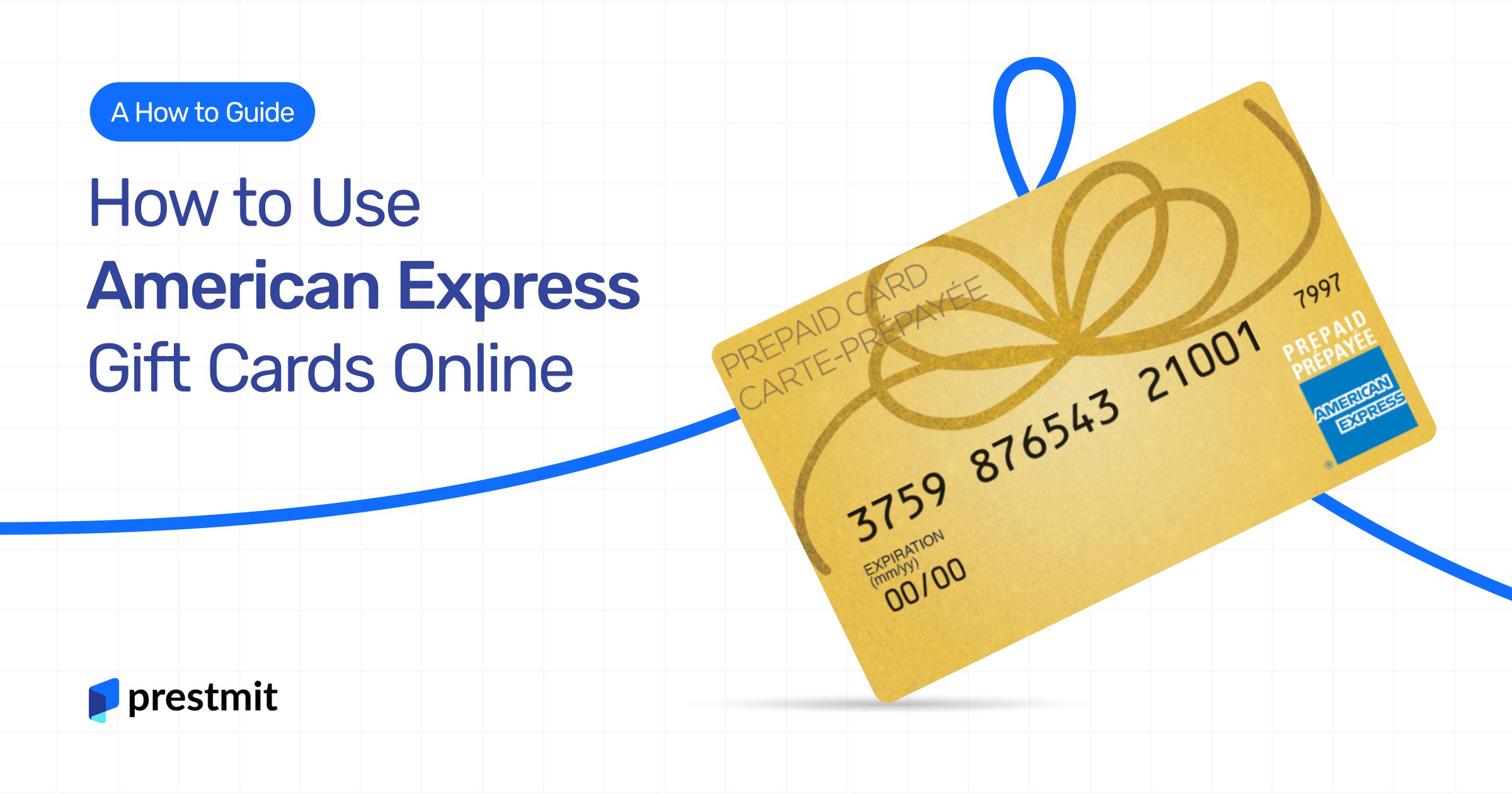
Before a single cent can be spent online, one must understand the financial architecture of the American Express gift card. Unlike a traditional bank-issued debit card, a gift card is “prepaid,” meaning its value is finite and stored within a closed-loop or semi-open-loop system.
Understanding the Difference Between Physical and eGift Cards
Amex offers two primary formats: the physical plastic card and the digital eGift card. From a financial management perspective, the eGift card is often superior for online use because it is delivered instantly and eliminates the risk of physical theft. However, both formats require the same level of scrutiny regarding their unique identification numbers—the 15-digit card number, the 4-digit Security Code (CID) on the front, and the expiration date.
The Critical Role of Card Registration
One of the most common reasons an online transaction fails is a “billing address mismatch.” Most online retailers use Address Verification Systems (AVS) as a fraud prevention measure. When you use a standard credit card, the merchant verifies that the billing address you entered matches the one on file with your bank.
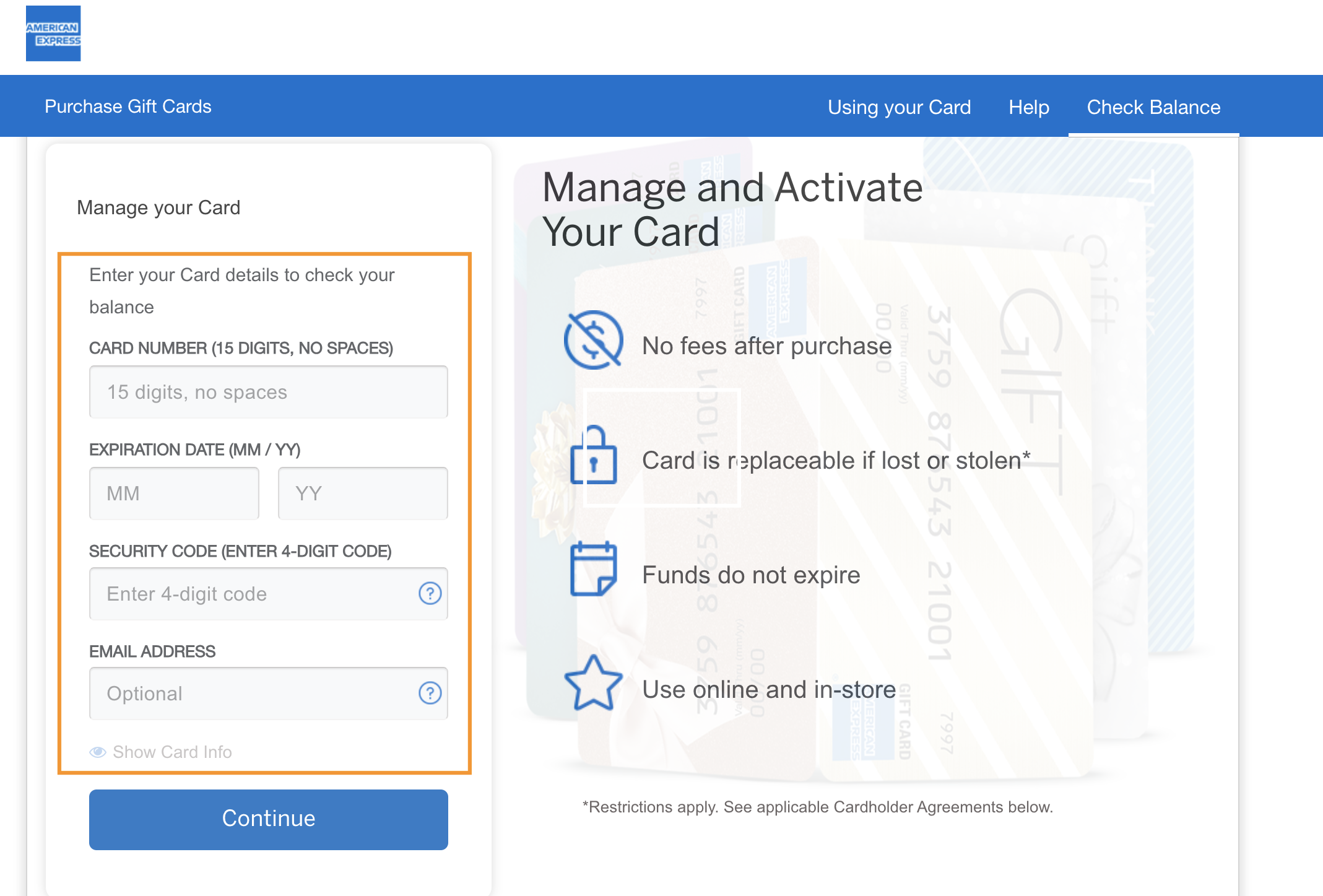
To use an Amex gift card online effectively, you must often register the card on the official Amex Gift Card website. During this process, you associate your name and a billing address with the card. This step is a vital financial safeguard that ensures your card is recognized by sophisticated e-commerce payment gateways.
Checking Your Available Balance
Prudent financial management dictates that you always know your exact balance before attempting a purchase. Online transactions often involve “temporary holds” or “pre-authorizations” (common in hospitality or gas stations). If your purchase amount plus any potential hold exceeds the card’s balance, the transaction will be declined immediately. Always use the Amex balance checker tool to confirm your liquid funds down to the penny.
2. Executing Online Transactions: A Step-by-Step Financial Workflow
Once your card is registered and your balance is confirmed, the next phase is the execution of the transaction. This process is more than just entering numbers; it is about understanding how digital ledgers interact during a checkout.
Navigating the Checkout Screen
When you reach the payment page of an online retailer, you should treat the Amex gift card as a “Credit Card” rather than a “Gift Card.” This is a crucial distinction. The “Gift Card” field on most websites is reserved for that specific store’s branded gift cards (e.g., an Amazon or Target gift card). Because American Express operates on its own global network, it functions as a standard credit card processor.
- Select Payment Method: Choose “Credit Card” or “Amex.”
- Enter Card Details: Input the 15-digit number and the 4-digit CID found on the front of the card.
- Billing Information: Use the exact name and address you registered with Amex.
Managing Pre-Authorization Holds
In the world of personal finance, “liquidity” is key. Some merchants, particularly those in the travel or service industry, may place a temporary hold on funds that is higher than the actual purchase price. For example, a $50 hotel booking might trigger a $75 hold to cover incidentals. If your Amex gift card only has $60 on it, the transaction will fail. As a rule of thumb for online shopping, ensure your card balance exceeds the total cart value by at least 1–2% to account for any unexpected processing fees or holds.
Dealing with Transaction Declines
If a transaction is declined despite having sufficient funds, the issue is likely rooted in the merchant’s security settings. Some high-risk retailers do not accept prepaid cards because they lack a permanent link to a verified bank account. In such cases, the best financial workaround is to link the Amex gift card to a third-party payment processor like PayPal. By adding the card to a digital wallet, you add a layer of verification that many merchants are more likely to accept.
3. Maximizing Value: Strategies for Residual Balances and Split Payments
A common financial pitfall of gift cards is the “residual balance”—that awkward $1.43 or $4.75 left on a card that is too small for a standalone purchase. Leaving these balances unused is essentially giving money back to the issuer.
The Art of Split-Tender Transactions
A split-tender transaction occurs when you use two different forms of payment for a single purchase. While many automated online checkouts do not support this, some major retailers (and most brick-and-mortar stores with online components) do. You can use the remaining balance of your Amex gift card first, and then cover the “overage” with a standard credit or debit card. This ensures that every cent of the gift card’s value is extracted.
Converting Small Balances into Store Credit
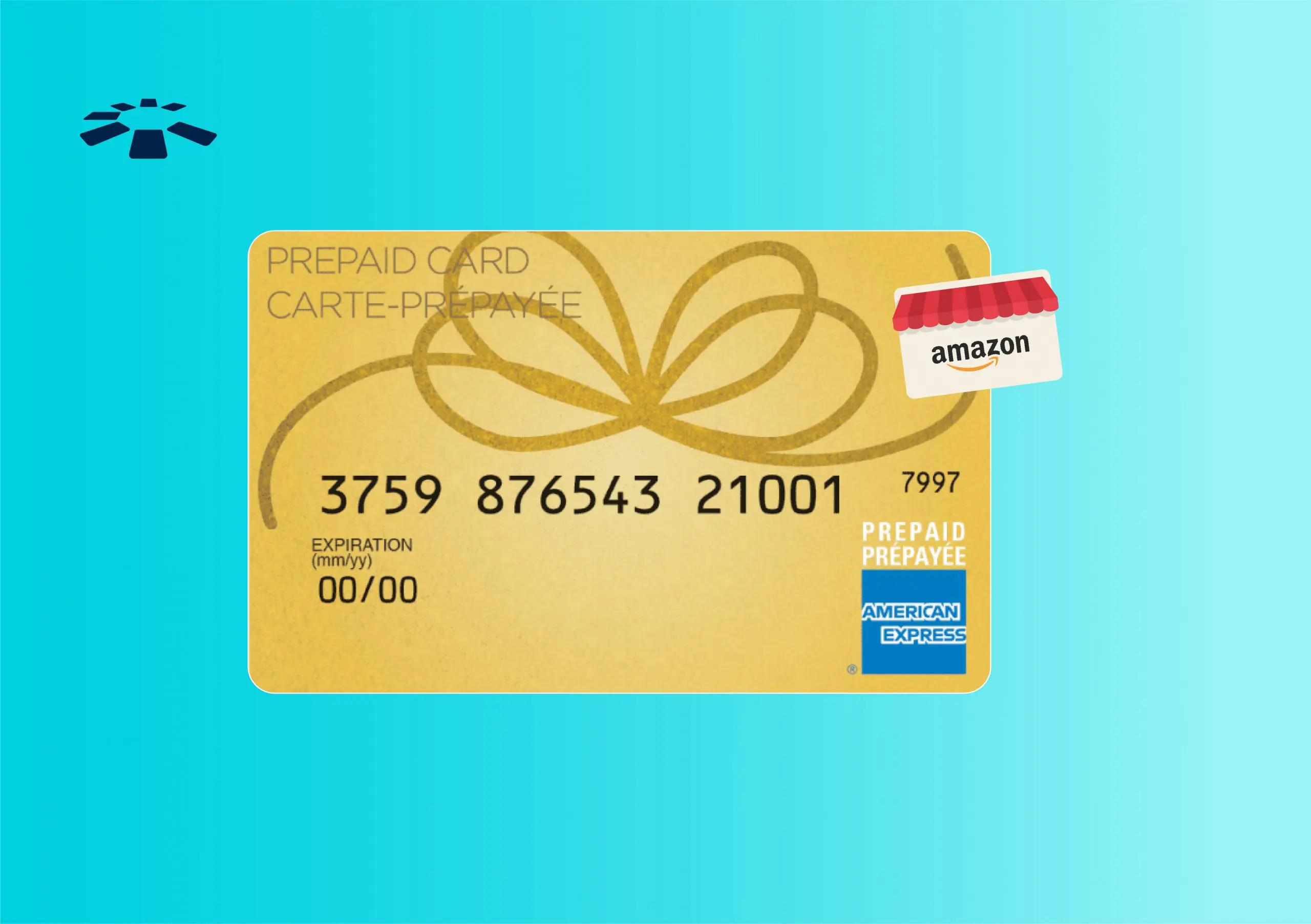
If a retailer does not allow split-tender payments, a savvy financial move is to use the remaining Amex balance to purchase a digital gift card for a store you frequent (like Amazon or Starbucks). Most of these platforms allow you to buy gift cards for custom amounts. If you have $6.12 left on your Amex card, you can buy a $6.12 Amazon balance reload. This moves the money from a restrictive Amex environment into a more flexible store credit environment where it can be combined with other funds later.
Avoiding Maintenance Fees
While federal laws have limited the types of fees that can be charged on gift cards, some older or specific types of promotional cards may carry “monthly maintenance fees” if the card remains inactive for a certain period. From a wealth-preservation standpoint, it is always best to exhaust the funds on an Amex gift card within the first six months of receipt to avoid any potential erosion of value.
4. Security, Disputes, and Fraud Prevention in the Digital Space
Security is the cornerstone of any financial discussion. Because Amex gift cards are not always linked to a personal identity in the same way a platinum credit card is, they require a different approach to security.
Protecting Your Digital Asset
Once an Amex gift card is used online, its details exist in the digital ether. To protect your money, only use your card on websites with “https://” encryption and a valid SSL certificate. Avoid saving the gift card information in the “auto-fill” or “save for later” settings of a merchant’s website. Since these cards lack the robust fraud protection of a standard Amex Credit Card (which often includes $0 fraud liability), once the funds are gone, they are incredibly difficult to recover.
Understanding the Limitations of Disputes
In a traditional banking scenario, if a merchant fails to deliver a product, you can “chargeback” the transaction. With a gift card, the process is much more complex. American Express allows for some level of dispute resolution, but the burden of proof is higher, and the timeline for recovery is often longer. For this reason, it is financially wise to use gift cards only with reputable, well-established online retailers.
What to Do if the Card is Lost or Stolen
If your card details are compromised, you must act immediately. Contact Amex Gift Card support to freeze the remaining balance. You will typically need the original card number and the security code. Keeping a photo or a digital record of the card’s front and back in a secure password manager is a vital “Money” habit that can save you from a total loss of funds.
5. Integrating Gift Cards into a Broader Financial Budget
Beyond simple transactions, an Amex gift card can be used as a strategic tool for personal budgeting and disciplined spending.
Using Gift Cards for “Discretionary Spending”
One effective financial strategy is to use Amex gift cards to “silo” your money. If you have a monthly budget of $200 for “wants” (hobbies, gaming, or dining out), loading that amount onto a gift card can prevent you from dipping into your primary savings or checking accounts. Once the card is empty, your spending for that category is done for the month. This provides a hard ceiling on expenditures that a credit card simply cannot offer.
Anonymous Spending and Privacy
In an era where data is a currency, some users prefer the Amex gift card for the privacy it affords. While you must register an address for online use, the card is not tied to your Social Security number or your credit report. For individuals looking to maintain a smaller digital footprint regarding their purchasing habits, the gift card serves as a useful financial buffer.
The Gift Card as a Debt Prevention Tool
For those working to climb out of debt, credit cards can be a temptation. An Amex gift card provides the convenience of the American Express network—accepted globally—without the risk of accruing interest or falling into a debt trap. It is a “pay-now-shop-later” model that aligns perfectly with a debt-free financial philosophy.
Conclusion
Using an Amex gift card online is more than just a matter of “plug and play.” It requires a proactive approach to registration, an understanding of merchant processing, and a strategic plan for exhausting the card’s value. By treating these cards as serious financial instruments, you can navigate the online marketplace with confidence, ensuring that your money is secure, your transactions are seamless, and your personal budget remains intact. Whether you are using it for a one-time purchase or as a recurring budgeting tool, the American Express gift card remains a powerful asset in the modern digital economy.
aViewFromTheCave is a participant in the Amazon Services LLC Associates Program, an affiliate advertising program designed to provide a means for sites to earn advertising fees by advertising and linking to Amazon.com. Amazon, the Amazon logo, AmazonSupply, and the AmazonSupply logo are trademarks of Amazon.com, Inc. or its affiliates. As an Amazon Associate we earn affiliate commissions from qualifying purchases.