
In the dynamic world of credit card rewards, few currencies hold as much intrigue and potential as American Express Membership Rewards (MR) points. Touted for their flexibility and perceived high value, these points are a cornerstone of many personal finance strategies. However, the seemingly simple question of “how much are American Express rewards points worth?” belies a complex answer, one that varies significantly based on how you choose to redeem them. Unlike a fixed monetary value, the worth of an Amex point is highly fluid, ranging from a paltry half-cent to an exceptional two cents or even more per point. Understanding this spectrum and mastering the art of high-value redemption is crucial for anyone looking to truly capitalize on their spending.
This article delves deep into the valuation of American Express Membership Rewards points, dissecting the various redemption options, highlighting optimal strategies, and exposing common pitfalls. We will equip you with the knowledge to not only understand the inherent worth of your points but also to consistently unlock their maximum potential, transforming your everyday spending into extraordinary travel experiences or tangible financial benefits.
Understanding the Base Value of Membership Rewards Points
The journey to understanding the true value of your Amex points begins with recognizing their baseline worth. While not always the most exciting or lucrative, these standard redemption options provide a foundation for comparison and illustrate the minimum value you can expect.
The Standard Redemption Rate
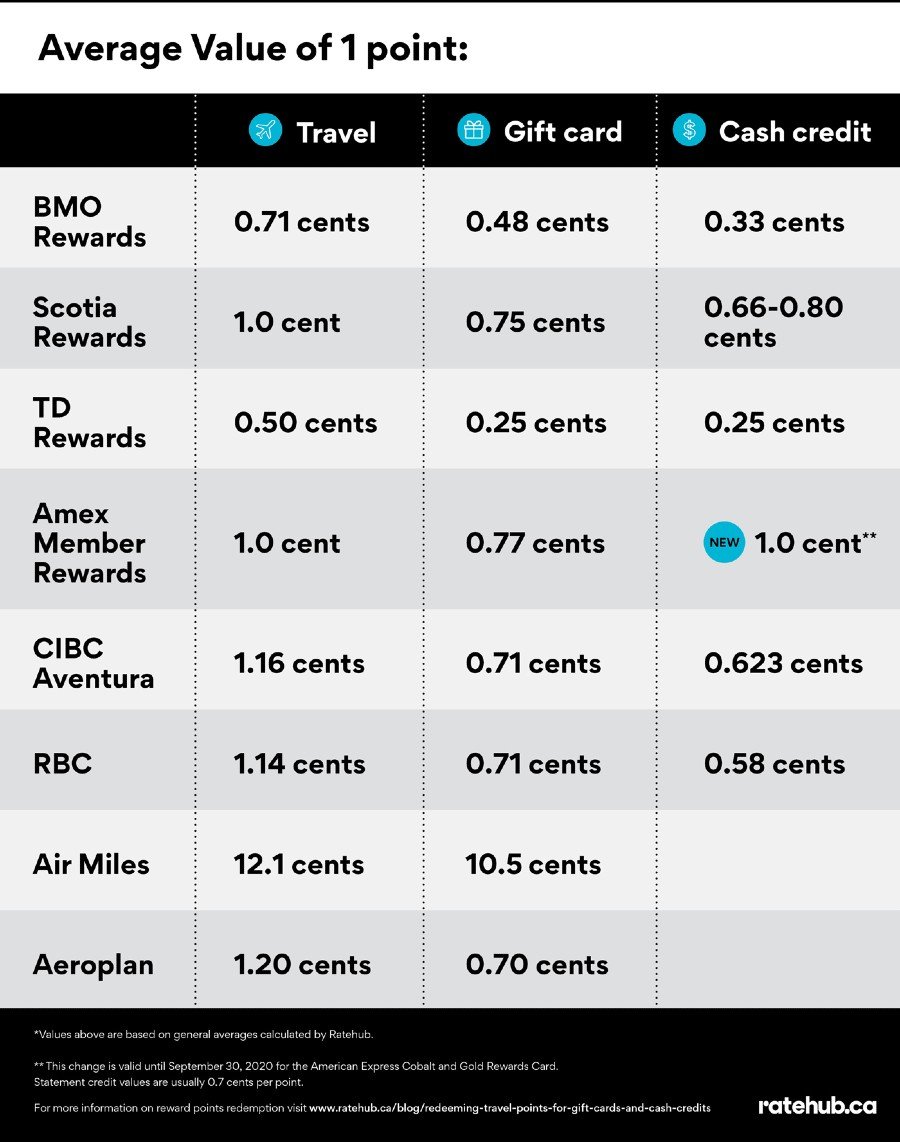
For many straightforward redemptions, American Express Membership Rewards points hover around a value of 0.5 to 1 cent per point. This typically applies to options that offer convenience over maximization. For instance:
- Statement Credits: One of the easiest ways to redeem, often yielding a disappointing 0.6 cents per point. While it reduces your credit card bill, it’s generally considered a poor use of valuable points.
- Gift Cards: These frequently offer a value of 0.7 to 1 cent per point, depending on the merchant and any ongoing promotions. While better than statement credits, they rarely represent the best value.
- Shopping with Points (e.g., Amazon, PayPal): Beware of these options, as they often provide a meager 0.5 to 0.7 cents per point. This is almost universally a suboptimal redemption and should be avoided if possible.
- Booking Travel Directly through Amex Travel (for hotels, rental cars, cruises): While flights booked via Amex Travel can sometimes reach 1 cent per point (especially for Business Platinum cardholders), other travel bookings like hotels or car rentals often fall into the 0.7 to 0.8 cents per point range.
Factors Influencing Base Value
Several factors can influence even these baseline redemption rates. The specific American Express card you hold plays a significant role. Cards like the Amex Platinum Card or Gold Card, which earn points at accelerated rates for specific categories, might occasionally offer slightly better base redemption options or bonuses compared to entry-level cards. Furthermore, Amex sometimes runs targeted promotions for certain redemption types, temporarily boosting their value. However, these are exceptions rather than the norm. The key takeaway here is that while these redemptions are simple and accessible, they rarely represent the peak value of your points.
Why the Base Value Isn’t Always the Best Value
The reason the base value is rarely the best value lies in the fundamental design of rewards programs. Credit card issuers offer various redemption tiers, knowing that many cardholders will opt for the easiest, most straightforward options. These lower-value redemptions help the issuer manage program costs while still providing a perceived benefit. Savvy consumers, however, understand that the true power of flexible points currencies like Amex MR lies in their strategic transferability to partner loyalty programs, which we will explore next.
Maximizing Your Points: High-Value Redemption Strategies
The true magic and financial power of American Express Membership Rewards points are unlocked through strategic redemptions that consistently yield values far exceeding the standard 1 cent per point. This is where your points transform from a simple discount into a gateway for luxury travel and aspirational experiences.
Transferring Points to Airline Partners
This is, by far, the most effective strategy for maximizing the value of your Amex points. American Express boasts an extensive network of airline transfer partners, including major carriers like Delta Air Lines, British Airways, Air Canada Aeroplan, Singapore Airlines, Emirates, and many more.
- Unlocking Premium Travel: By transferring your MR points to an airline loyalty program, you can redeem them for award flights. The sweet spot here is often booking business or first-class international flights, where cash prices can be exorbitant. A flight that might cost $5,000 in cash could be acquired for 50,000 to 100,000 points, effectively yielding a value of 2 cents per point or higher.
- Leveraging Transfer Bonuses: Amex frequently offers transfer bonuses to specific airline partners (e.g., a 25% bonus when transferring to Virgin Atlantic Flying Club). This means 1,000 MR points could become 1,250 airline miles, amplifying your redemption power even further. A 2-cent per point redemption suddenly becomes a 2.5-cent redemption with a bonus.
- Finding “Sweet Spots”: Different airline programs have their own award charts and redemption quirks, often referred to as “sweet spots.” For example, using Virgin Atlantic Flying Club miles to book Delta One flights can be a fantastic deal, or leveraging Avianca LifeMiles for Star Alliance premium cabins. Researching these specific opportunities is key.
Transferring Points to Hotel Partners
While generally not as lucrative as airline transfers, moving your MR points to hotel loyalty programs can still offer decent value, often exceeding 1 cent per point, especially for high-end stays. Amex’s primary hotel partners include Marriott Bonvoy and Hilton Honors.
- Strategic Stays: For luxury hotel redemptions, particularly during peak seasons or for expensive properties, transferring points can make sense. You might find a $500/night hotel room for 50,000 points, yielding 1 cent per point, which is a fair value, though still less than the top airline redemptions.
- Conversion Ratios: Be mindful of the conversion ratios. Marriott Bonvoy transfers at a 1:1 ratio, while Hilton Honors often converts at 1:2 (1 MR point = 2 Hilton points), but Hilton points typically have a lower per-point value than Marriott points.
Using Pay with Points for Travel via Amex Travel
While not a “transfer” in the traditional sense, the Amex Travel portal offers a specific redemption that can provide a solid, consistent value, particularly for flights.
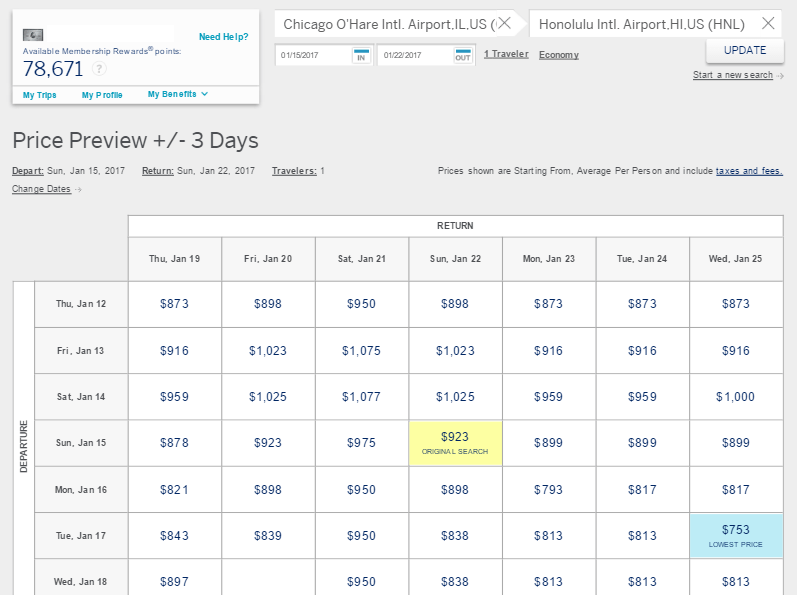
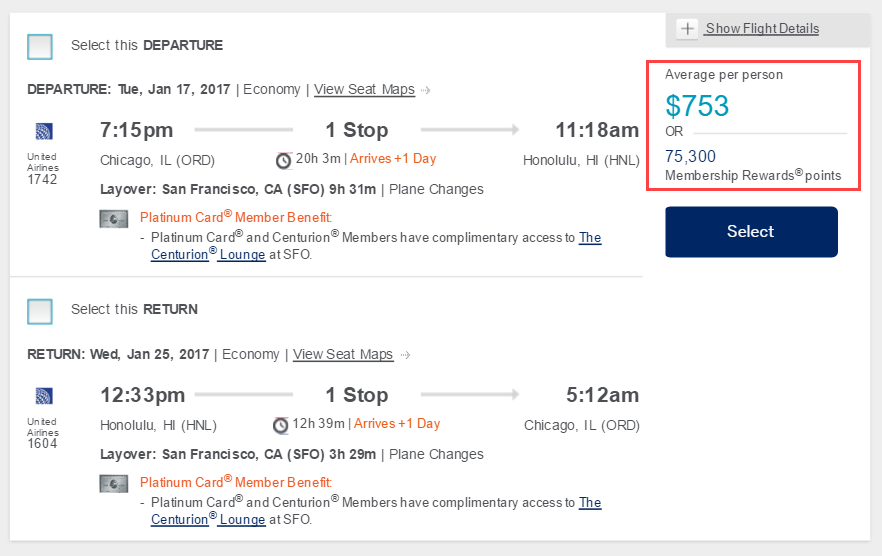
- Flights (1 Cent Per Point Fixed Value): For most Amex cardholders, booking flights through the Amex Travel portal using “Pay with Points” yields a fixed value of 1 cent per point. This is a straightforward option when you can’t find a better deal through airline transfers or prefer the simplicity.
- Amex Business Platinum Card Bonus: Holders of the Amex Business Platinum Card enjoy a 35% rebate on points used for first-class or business-class flights (up to 1 million points back per calendar year), or for economy flights on their chosen qualifying airline. This effectively boosts the value of those redemptions to approximately 1.54 cents per point, making it a very competitive option for business travelers.
The American Express Schwab Platinum Card Cash-Out Option
For those who prioritize cash over travel, the American Express Platinum Card for Charles Schwab offers a unique and valuable redemption.
- Cash into Investment Account: This card allows cardholders to “cash out” their Membership Rewards points directly into a Schwab brokerage account at a fixed rate of 1.1 cents per point. This is a rare and excellent option for a direct cash equivalent, offering a significantly higher value than statement credits and providing ultimate flexibility for investment or any other financial need. It serves as a strong benchmark for the minimum value you should aim for if you prefer cash.
Pitfalls and Suboptimal Redemptions to Avoid
While American Express Membership Rewards points offer incredible flexibility, it’s equally important to be aware of the redemption options that significantly diminish their value. Falling into these traps can effectively erode the financial benefits you’ve diligently earned.
Statement Credits: The Convenience Tax
As mentioned earlier, redeeming your points for a statement credit typically yields a value of around 0.6 cents per point. While undeniably convenient for reducing your current balance, this is one of the lowest possible valuations for MR points. Compared to potential travel redemptions offering 2 cents per point or more, using points for a statement credit means you’re sacrificing over two-thirds of their potential worth. Consider this option only as a last resort or when you absolutely need to offset a charge and have exhausted all other avenues.
Gift Cards: Limited Value and Flexibility
While gift cards might seem appealing, especially for popular retailers or restaurants, their redemption value rarely exceeds 1 cent per point and is often lower (around 0.7 to 0.8 cents). Furthermore, gift cards inherently limit your flexibility. Once you’ve converted your points into a specific store’s gift card, that value is locked into that merchant. You lose the ability to transfer points to an airline for a premium flight or cash them out at a higher rate. Unless there’s a specific, highly discounted gift card promotion that aligns perfectly with your spending needs, this option is generally suboptimal.
Shopping with Points (e.g., Amazon, PayPal): The Lowest of the Low
Perhaps the most egregious misuse of American Express Membership Rewards points is using them to pay for purchases directly at checkout with partners like Amazon or PayPal. These options almost universally offer an abysmal redemption rate, often as low as 0.5 cents per point. This is a staggering loss of value. For every 10,000 points you redeem this way, you’re essentially getting $50 worth of goods when those same points could easily be worth $150 or $200 for a travel redemption. Avoid these “pay with points” options at all costs; you’re better off paying with your card and then using your points for a higher-value redemption elsewhere.
The “Hidden” Costs of Points
Beyond low redemption values, there are other considerations that can subtly impact the perceived worth of your points:
- Annual Fees: Many of the premium Amex cards that earn Membership Rewards points come with substantial annual fees. While these fees are often justified by the benefits (lounge access, travel credits, etc.), they represent a cost that must be factored into your overall points strategy. The value you derive from your points must outweigh the annual fee.
- Taxes and Fees on Award Travel: While you’re saving on the base fare of an award flight, you’ll still be responsible for paying taxes and carrier-imposed fees. These can range from minimal (e.g., domestic flights in the US) to significant (e.g., international flights departing from certain European airports). Always factor these cash outlays into your award travel calculations.
- Point Devaluations: While Amex MR points are generally stable, loyalty programs can and do devalue over time. Airlines might increase the number of points required for award flights, or Amex could adjust transfer ratios. This risk underscores the importance of having a redemption strategy rather than hoarding points indefinitely, especially if you have a specific travel goal in mind.
By consciously avoiding these pitfalls, you safeguard the value of your hard-earned American Express Membership Rewards points and ensure you’re always steering towards optimal returns.
Calculating Your Personal Point Value and Strategic Accumulation
Understanding the average worth of Amex points is a good start, but truly mastering their value involves personalizing that understanding. Your optimal redemption strategy and the resulting “personal point value” are unique to your financial habits, travel aspirations, and tolerance for complexity.
Your Travel Goals Determine Value
The most crucial factor in determining the “best” value for your points is your own travel agenda. Are you a frugal traveler who primarily flies economy and stays in budget hotels? Or do you dream of international first-class flights and luxurious five-star resorts?
- Economy Traveler: If your goal is simply to offset the cost of economy flights, you might find a consistent 1 cent per point value through Amex Travel perfectly acceptable. In this scenario, pushing for 2+ cents might involve more effort than it’s worth to you. The Amex Schwab Platinum card’s 1.1 cent cash-out could even be your highest value.
- Premium Traveler: For those aspiring to premium cabin travel (business or first class), the value derived from airline partner transfers can easily exceed 2 cents per point, making this the unequivocally superior redemption path. This is where the aspirational value truly shines.
It’s vital to sit down and realistically assess your travel desires and how much effort you’re willing to put into researching and booking award travel. The “best” value isn’t just a number; it’s the number that helps you achieve your personal goals most efficiently.
The “Cost” of Acquiring Points
When evaluating the worth of your points, it’s prudent to consider the costs associated with earning them.
- Annual Fees: Premium Amex cards, like the Platinum Card or Gold Card, come with significant annual fees. While these cards offer a plethora of benefits (lounge access, statement credits, status perks), these fees implicitly contribute to the “cost” of your points. Ensure that the value you extract from your Membership Rewards, combined with other card benefits, comfortably outweighs the annual fee.
- Opportunity Cost: While not a direct cost, consider the opportunity cost. If you’re putting significant spending on an Amex card to earn MR points, are you missing out on potentially better rewards (e.g., higher cash back, different airline miles) from another card for specific spending categories? A balanced wallet often yields the best overall returns.
Diversifying Your Points Strategy
While American Express Membership Rewards are incredibly powerful, it’s rarely wise to put all your eggs in one basket.
- Multiple Rewards Programs: Consider diversifying your rewards portfolio across different ecosystems. Holding cards that earn Chase Ultimate Rewards, Capital One Miles, or airline/hotel-specific miles provides flexibility and allows you to capitalize on different transfer partners or redemption sweet spots. This ensures you have options if one program undergoes a devaluation or if a specific travel goal is better served by another points currency.
- Hybrid Approach: Many financially savvy individuals adopt a hybrid approach, using Amex for its strong travel transfer partners, a cash-back card for everyday spending, and perhaps another card for a specific loyalty program (e.g., a hotel co-branded card for elite status benefits).
When to Hold and When to Redeem
Unlike some loyalty programs, American Express Membership Rewards points generally do not expire as long as your account remains open and in good standing. This provides a level of security. However, this doesn’t mean you should hoard them indefinitely.
- Risk of Devaluation: All loyalty programs are subject to devaluations, where the number of points required for an award increases. While Amex MR points themselves are stable, the value of their transfer partners (airlines, hotels) can change. If you have a specific redemption in mind, it’s generally advisable to save up the necessary points and then redeem them once you’ve found availability, rather than waiting too long.
- Immediate Needs vs. Future Goals: If you have an immediate need for cash, and the Schwab Platinum cash-out option is available, that might be a higher-priority redemption than saving for a distant travel goal. Conversely, if you have no immediate cash needs and a clear aspirational travel goal, holding for a premium redemption makes sense.
By thoughtfully evaluating these factors, you can move beyond a generic understanding of point value and develop a personalized strategy that maximizes the utility and financial impact of your American Express Membership Rewards.
The Future of American Express Membership Rewards
The landscape of credit card rewards is in constant evolution. While American Express Membership Rewards has historically maintained its position as one of the most valuable and flexible points currencies, staying informed about potential changes and understanding its enduring value proposition is key for long-term financial planning.
Navigating Devaluations and Program Changes
The reality of any loyalty program is that it is subject to change. Airlines and hotels periodically adjust their award charts, sometimes requiring more points for the same redemption. American Express itself could alter transfer ratios with partners or introduce new redemption options, for better or worse.
- Stay Informed: The best defense against devaluations is proactive engagement. Follow reputable travel blogs and financial news sources that monitor credit card rewards programs. Being aware of impending changes allows you to react strategically, perhaps by transferring points before a devaluation takes effect or shifting your earning strategy.
- Flexibility is Key: The inherent flexibility of Membership Rewards points is its greatest strength in the face of change. Unlike airline-specific miles that can be rendered less valuable if that particular airline devalues its program, MR points can be transferred to multiple partners. If one airline becomes a poor value, you still have numerous other options. This diversification within the Amex ecosystem provides a strong hedge against isolated devaluations.
The Enduring Value Proposition
Despite the potential for shifts and changes, American Express Membership Rewards points are likely to remain a premium points currency for several fundamental reasons:
- Robust Partner Network: Amex has cultivated an extensive and desirable list of airline and hotel transfer partners. This broad appeal ensures that a wide range of travelers can find value, regardless of their preferred airline alliance or hotel chain.
- Premium Cardholder Benefits: The cards that earn MR points (especially the Platinum and Gold varieties) come packed with significant travel, dining, and lifestyle benefits. These perks often justify the annual fees and enhance the overall value proposition, making the points earned an additional, powerful incentive.
- Market Position: American Express caters to a premium market segment, and maintaining a valuable and flexible rewards program is crucial to its brand identity and customer loyalty. Significant, across-the-board devaluations would likely alienate its core customer base.
- Innovation: Amex consistently introduces new features, benefits, and sometimes even new transfer partners or redemption opportunities, adapting to cardholder needs and market trends.
The future of American Express Membership Rewards will undoubtedly involve adjustments, but its foundational strength, built on a diverse partner network and a commitment to premium benefits, suggests that its points will continue to offer exceptional value for those who understand how to wield them effectively.
Conclusion
The question “how much are American Express rewards points worth?” doesn’t have a single, static answer. Instead, it offers a spectrum of possibilities, where the savvy consumer holds the power to unlock extraordinary value. From a disappointing 0.5 cents per point for a thoughtless redemption to an exhilarating 2 cents or more for a strategically planned international business class flight, the true worth of your Membership Rewards points lies squarely in your hands.
By understanding the pitfalls of low-value options like statement credits or shopping with points, and by embracing the lucrative potential of airline and select hotel transfers, you can dramatically amplify the return on your spending. Furthermore, options like the Schwab Platinum Card provide a valuable benchmark for a strong cash-equivalent redemption, offering a robust alternative for those prioritizing financial flexibility.
Ultimately, maximizing the value of your Amex points requires a personalized strategy, aligning your earning and redemption habits with your travel aspirations and financial goals. Stay informed, be strategic, and consistently evaluate your options. When wielded wisely, American Express Membership Rewards points are far more than just a loyalty perk; they are a powerful financial tool capable of transforming everyday expenses into unforgettable experiences and tangible financial benefits. Embrace the art of point maximization, and unlock the true, dynamic worth of your American Express rewards.
aViewFromTheCave is a participant in the Amazon Services LLC Associates Program, an affiliate advertising program designed to provide a means for sites to earn advertising fees by advertising and linking to Amazon.com. Amazon, the Amazon logo, AmazonSupply, and the AmazonSupply logo are trademarks of Amazon.com, Inc. or its affiliates. As an Amazon Associate we earn affiliate commissions from qualifying purchases.