
The evolution of television has moved far beyond the traditional cable box. For fans of the sprawling “The Walking Dead” (TWD) universe, the transition from linear broadcasting to a fragmented digital landscape represents a significant shift in how we consume media. Navigating the myriad of streaming platforms, hardware requirements, and digital security protocols is now a prerequisite for any viewer wishing to experience the full breadth of the franchise—including the original series, its numerous spin-offs, and the latest “The Ones Who Live” or “Daryl Dixon” iterations.
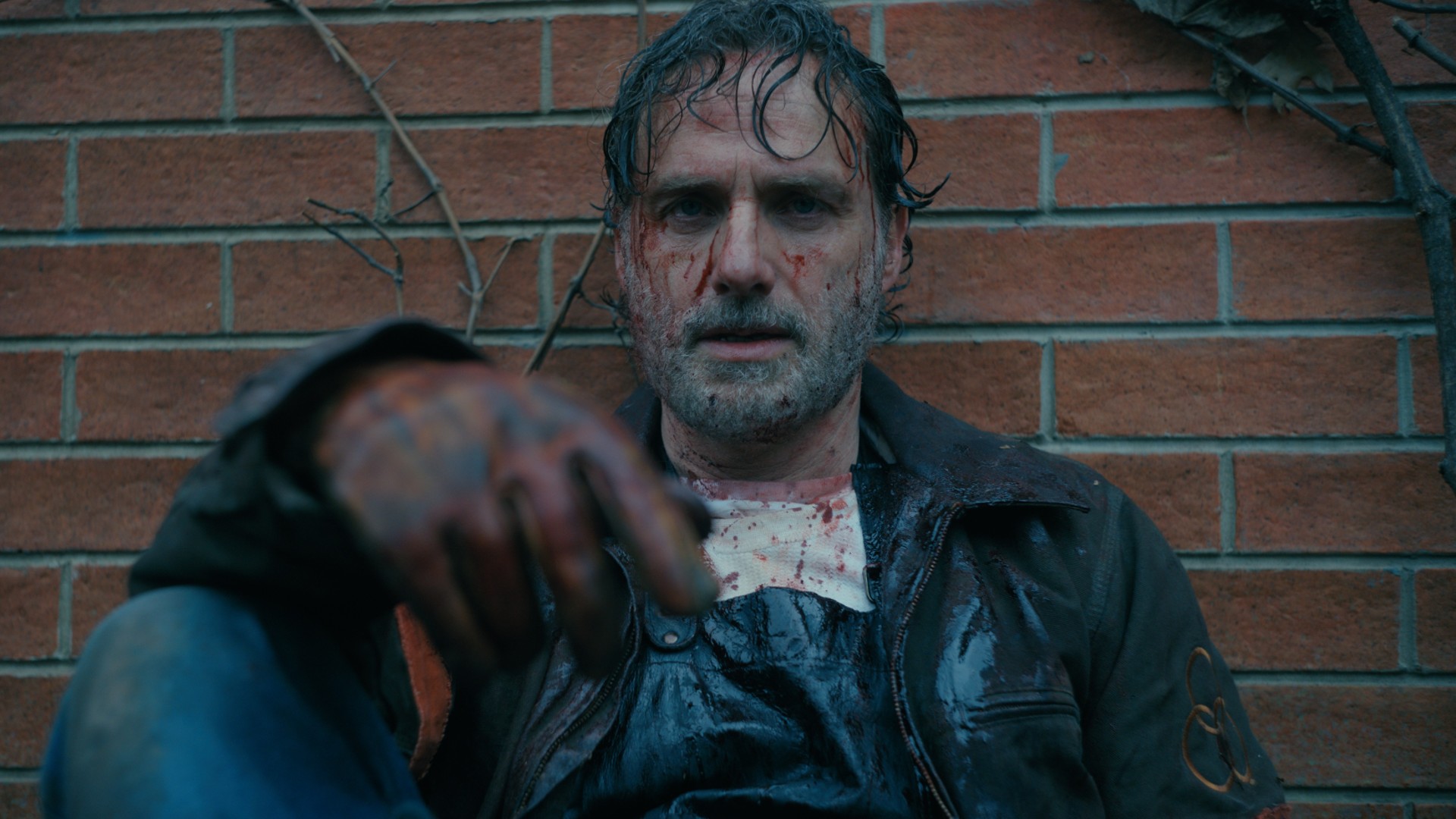
To watch “The Walking Dead” effectively today, one must understand the underlying technology of Content Delivery Networks (CDNs), the specifications of streaming hardware, and the software solutions used to bypass geographical restrictions. This guide provides a technical roadmap for optimizing your viewing experience in the modern digital age.
The Core Infrastructure: Streaming Services and App Ecosystems
The primary challenge in watching “The Walking Dead” is the distribution of licensing rights across various software platforms. Depending on your geographical location and the specific series you are targeting, the technical requirements for your streaming app will vary.
AMC+ and the Proprietary Native Experience
As the home of the franchise, AMC+ is the central hub for TWD content. From a technical standpoint, the AMC+ app is built to support high-bitrate streaming, though its performance can vary across different Operating Systems (OS). The service utilizes an adaptive bitrate streaming protocol, which adjusts video quality in real-time based on your network bandwidth. For the best experience, users should ensure their app is updated to the latest version to benefit from the most recent patches in video decoding and UI responsiveness.
Netflix: The Legacy Library and Global Distribution
While AMC+ hosts the newest content, Netflix remains the primary repository for the original eleven seasons of “The Walking Dead” in many regions. Netflix’s technology is widely considered the gold standard in the industry. Its proprietary Open Connect CDN places content servers physically closer to users, reducing latency and “buffer bloat.” For viewers prioritizing 4K resolution and Dolby Digital audio, Netflix’s infrastructure provides the most stable environment, provided the user has a subscription tier that supports Ultra HD.
International Carriers: Disney+ and StarTech Localization
In various international markets, particularly the UK and parts of Europe, “The Walking Dead” is hosted on Disney+ under the “Star” banner. This platform leverages a different technical architecture, focusing heavily on localization and multi-language audio track synchronization. The Disney+ interface uses a “hub” system, which categorizes content through metadata tagging, making it technically simpler for users to find interconnected spin-offs within a single ecosystem.
Hardware Integration: Optimization for Smart Devices and 4K Playback
Watching “The Walking Dead” is not just about the software; the hardware through which you pipe the data is equally critical. To achieve a cinematic experience that captures the gritty, high-contrast aesthetic of the show, specific technical hardware standards must be met.
Smart TVs and Dedicated Streaming Hardware
While most modern Smart TVs (running webOS, Tizen, or Android TV) have native apps for AMC+ and Netflix, dedicated streaming sticks like the Amazon Fire TV Stick 4K Max, Roku Ultra, or Apple TV 4K often offer superior processing power. These devices feature dedicated GPUs capable of handling HEVC (High-Efficiency Video Coding) and VP9 hardware decoding. This ensures that dark, atmospheric scenes—a staple of the TWD universe—are rendered without the “banding” or “blocking” artifacts common in lower-end hardware.
Gaming Consoles as Media Hubs
The PlayStation 5 and Xbox Series X are often overlooked as high-performance streaming devices. Technically, these consoles offer some of the most robust networking hardware available, including Wi-Fi 6 (802.11ax) support and 1Gbps Ethernet ports. For viewers who experience lag on their TV’s built-in apps, switching to a gaming console can provide a more stable data pipeline, particularly when streaming high-definition content that requires a consistent 25Mbps+ connection.
Audio Tech: Implementation of Surround Sound
To fully immerse oneself in the post-apocalyptic soundscape, understanding audio pass-through technology is essential. Many TWD episodes are mixed in 5.1 surround sound. To watch correctly, your hardware must support bitstream out or PCM (Pulse-Code Modulation) to a compatible AVR (Audio Video Receiver) or soundbar. Ensuring your HDMI cables are at least version 2.0 or 2.1 is necessary to handle the high-bandwidth data required for both 4K video and lossless audio.

Overcoming Geographical Barriers: Using VPN Technology
One of the most significant hurdles in the digital era is geo-blocking—the practice of restricting content based on the user’s IP address. Because “The Walking Dead” is licensed differently in every country, a viewer in Australia may not have the same access as a viewer in the United States.
Understanding Geo-fencing and IP Protocols
Geo-fencing works by identifying the IP (Internet Protocol) address assigned to your router by your ISP (Internet Service Provider). Streaming services check this IP against a database of geographical locations. If you are trying to access AMC+ from a region where they do not have broadcasting rights, the server will return a “Content Not Available” error.
Choosing the Right VPN for High-Bandwidth Streaming
To bypass these restrictions, users employ Virtual Private Networks (VPNs). A VPN creates an encrypted tunnel between your device and a server in another country (e.g., the US). From a tech perspective, not all VPNs are created equal. For streaming TWD, you need a provider that supports high-speed protocols like WireGuard or OpenUDP. These protocols offer the best balance between encryption and data throughput, preventing the significant speed drops that cause buffering.
Setting Up a Secure Connection on Your Router
For those who want to watch “The Walking Dead” on devices that don’t natively support VPN apps (like certain Smart TVs or gaming consoles), the solution lies in router-level implementation. By installing VPN firmware (such as DD-WRT or Tomato) on your router, or using a “Smart DNS” service, you can mask the location of every device on your home network. This technical workaround allows your Apple TV or Roku to appear as if it is located in a different country, granting access to US-exclusive TWD content.
Digital Ownership vs. Subscription Models (VOD Tech)
For viewers who prefer not to deal with the fluctuating libraries of subscription services, Transactional Video On Demand (TVOD) offers a more permanent digital solution.
Transactional Video On Demand (TVOD) Infrastructure
Platforms like Apple TV (formerly iTunes), Amazon Prime Video (Buy/Rent), and Vudu allow users to purchase individual episodes or full seasons of “The Walking Dead.” Technically, this involves the acquisition of a digital license. When you “buy” a season, the platform stores that license in your digital locker, which is accessible via the cloud. This removes the reliance on a single streaming service’s licensing agreement with AMC.
Managing Digital Rights Management (DRM)
A critical technical aspect of digital ownership is DRM (Digital Rights Management). DRM is the software layer that prevents unauthorized copying of the show. When you watch a purchased episode of TWD on Amazon, the app communicates with a DRM server (like Google’s Widevine or Apple’s FairPlay) to verify your license. Understanding DRM is important for mobile viewers; for example, some mobile devices only support “Widevine L3,” which limits playback to 480p, whereas “Widevine L1” is required for Full HD and 4K.
Storage and Offline Viewing Tech
Most modern streaming apps allow for “Offline Viewing,” which involves downloading an encrypted version of the episode to your device’s local storage. This tech is particularly useful for tablets and smartphones. The software manages the “lease” on the file, often requiring the device to ping the home server once every 30 days to ensure the subscription is still active or the license is valid.

Conclusion: The Future of the TWD Digital Ecosystem
Watching “The Walking Dead” in the current era is an exercise in managing a complex digital stack. From selecting the right streaming service and optimizing your hardware for 4K/HDR, to utilizing VPN software to navigate global licensing, the process is deeply rooted in modern technology.
As the franchise continues to expand with new spin-offs, the underlying tech will likely shift toward more integrated “super-apps” and perhaps even virtual reality (VR) viewing experiences, as seen with “The Walking Dead: Saints & Sinners” in the gaming sphere. For now, maintaining a high-bandwidth connection, an updated hardware suite, and a robust understanding of digital security remains the best way to ensure you never miss a moment of the apocalypse.
aViewFromTheCave is a participant in the Amazon Services LLC Associates Program, an affiliate advertising program designed to provide a means for sites to earn advertising fees by advertising and linking to Amazon.com. Amazon, the Amazon logo, AmazonSupply, and the AmazonSupply logo are trademarks of Amazon.com, Inc. or its affiliates. As an Amazon Associate we earn affiliate commissions from qualifying purchases.