
The cost of a cinema ticket has long served as an informal barometer for the health of the consumer economy. For decades, “going to the movies” was considered the gold standard of affordable out-of-the-home entertainment. However, in the current financial climate, the price of admission has evolved from a simple discretionary expense into a complex case study of inflation, dynamic pricing, and shifting corporate revenue models.
Understanding how much a cinema ticket costs today requires more than a look at the marquee. It demands an analysis of the “Money” niche—exploring personal finance management, the business economics of exhibition, and the strategic value of the subscription economy.
The Economic Evolution of Moviegoing
To understand why a cinema ticket feels more expensive today, one must look at the historical trajectory of pricing relative to purchasing power. In the mid-20th century, a movie ticket cost less than a dollar. Adjusted for inflation, that price remains surprisingly consistent with today’s averages in some regions, but the perceived value has shifted dramatically due to the rise of the “Experience Economy.”
Historical Pricing and Inflationary Trends
According to historical data from the National Association of Theatre Owners (NATO), the average ticket price in the United States in 1980 was approximately $2.69. Adjusted for general inflation using the Consumer Price Index (CPI), that would be roughly $10.00 today. However, in major metropolitan hubs like New York, London, or Los Angeles, standard tickets frequently exceed $18.00, with premium formats reaching $25.00 to $30.00.
This discrepancy suggests that cinema pricing has outpaced standard inflation. The cause is twofold: rising operational overhead (real estate and energy costs) and a strategic shift by theaters to prioritize “high-value” screenings over high-volume attendance. From a personal finance perspective, this means the “movie night” must now be budgeted as a premium event rather than a casual whim.
Regional Economic Disparity in Ticket Costs
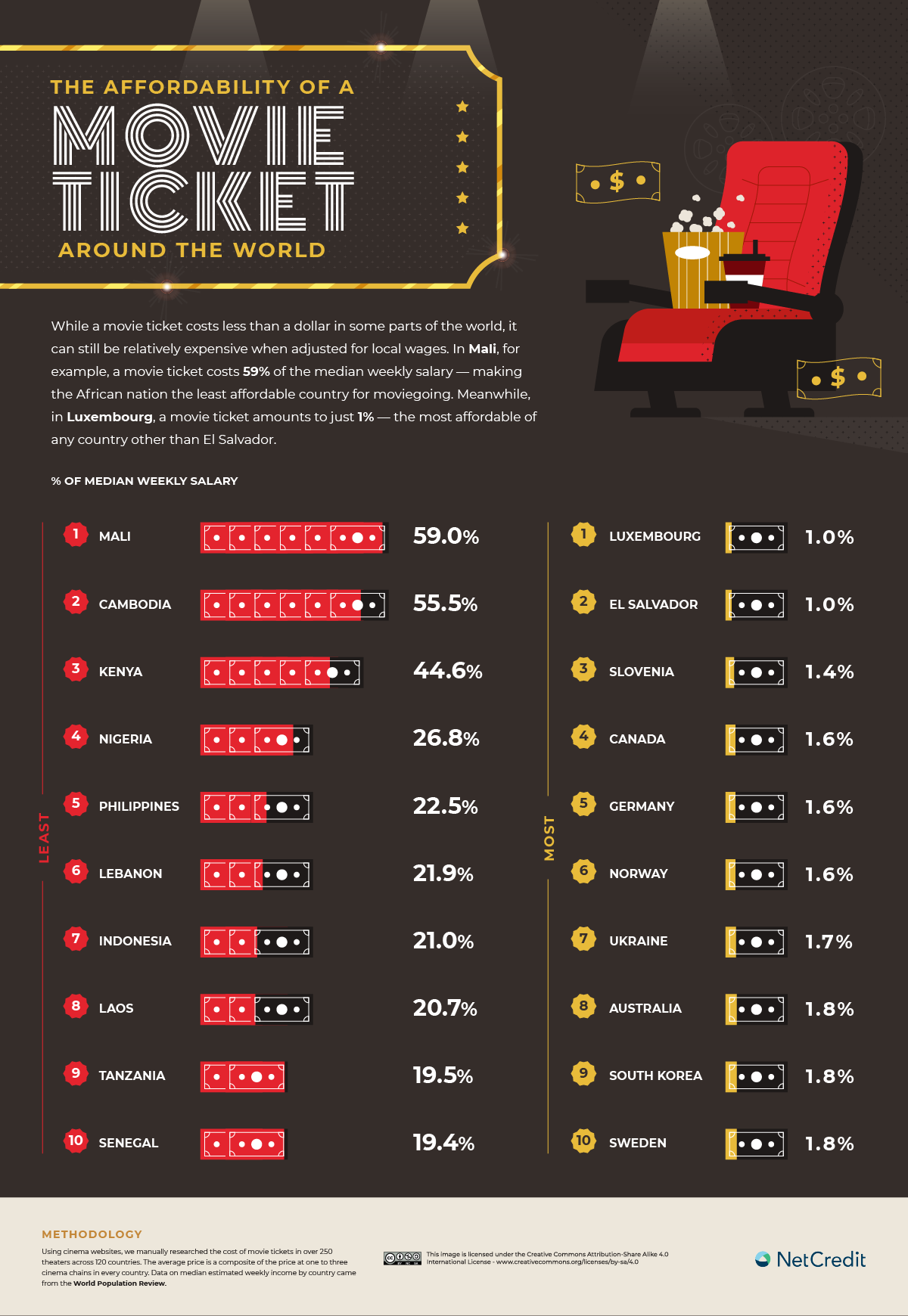
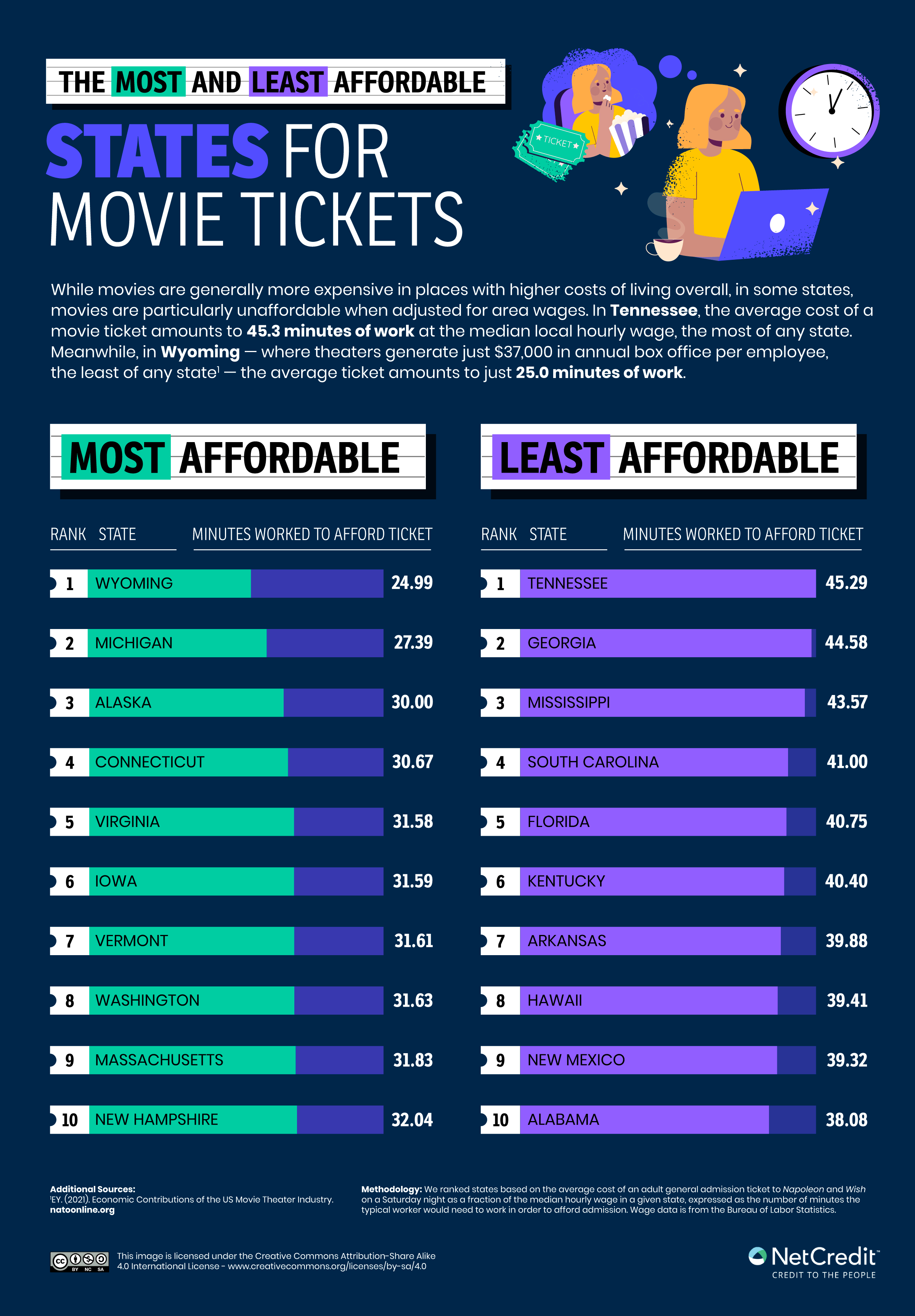
The price of a cinema ticket is a reflection of local real estate and labor markets. In emerging markets, cinema remains a luxury good priced for the growing middle class. In contrast, in saturated Western markets, pricing is dictated by “zip code demographics.” A theater in a high-rent district must charge more not only to cover its lease but because its target demographic has a higher “willingness to pay.” For the savvy consumer, geographic arbitrage—driving fifteen minutes to a suburb with lower overhead—can result in a 20-30% reduction in ticket costs.
The Mechanics of Modern Pricing Strategies
In the realm of business finance, cinema chains have moved away from flat-rate pricing toward sophisticated “yield management” systems similar to those used by airlines and hotels. This shift has significant implications for how consumers allocate their entertainment budgets.
Dynamic Pricing and the “Blockbuster Tax”
Major chains, most notably AMC Theatres, have experimented with tiered pricing models. This involves charging more for seats in the “sweet spot” of the auditorium (the middle rows) and less for the front row. Furthermore, the industry has seen the rise of “event pricing,” where a highly anticipated blockbuster like an Avengers film or an Avatar sequel may carry a surcharge during its opening weekend.
From a financial standpoint, this is a move to capture consumer surplus. If a fan is willing to pay more to see a movie on night one in the best seat, the theater views it as a lost opportunity to charge a flat rate. For the budget-conscious moviegoer, this necessitates a tactical approach: waiting until the second or third week of a film’s release or opting for “off-peak” weekday screenings to avoid the blockbuster premium.
Premium Formats: The ROI of IMAX and Dolby Cinema
One of the most significant drivers of rising ticket averages is the proliferation of PLF (Premium Large Format) screens. IMAX, Dolby Cinema, and 4DX experiences carry a price tag often 50% to 100% higher than a standard 2D screening.
From a “Value for Money” perspective, consumers are increasingly performing a mental ROI (Return on Investment) calculation. If a film is a visual spectacle, the $25 investment is justified as a “unique experience” that cannot be replicated at home. However, for comedies or dramas, the financial utility of a premium ticket diminishes. This consumer behavior is forcing theaters to pivot their business models to focus almost exclusively on “event” cinema.
The Business Finance Behind the Screen
To understand why tickets are priced the way they are, one must look at the balance sheets of the exhibitors. The theater industry operates on razor-thin margins, with a revenue structure that is often misunderstood by the general public.
The Studio vs. Theater Revenue Split
When you pay $15 for a ticket, that money does not go directly into the theater’s pocket. During the opening weeks of a major film, the film studio (the distributor) often takes between 60% and 70% of the ticket revenue. This “film rental” fee is the primary reason ticket prices remain high; theaters are essentially acting as collection agents for Hollywood studios.
As the weeks pass, the percentage of revenue kept by the theater increases. This explains why “second-run” theaters or older films are much cheaper to see—the financial burden of the studio split is lower, allowing for more flexible consumer pricing.
Concessions: The High-Margin Lifeline
If theaters make so little on the ticket, how do they stay in business? The answer lies in the “concession-to-ticket” ratio. From a business finance perspective, a cinema is essentially a high-end snack bar that uses movies as a “loss leader” to get people through the door.
Popcorn has an estimated profit margin of over 900%. A tub of popcorn that costs cents to produce is sold for $8.00 or $9.00. For the personal financier, the “hidden cost” of a cinema ticket isn’t the ticket itself—it’s the ancillary spending. To maintain a healthy entertainment budget, many financial advisors suggest the “Ticket-Only Rule,” where the savings come from avoiding the high-margin hospitality side of the business.
Personal Finance Strategies for the Savvy Moviegoer
In response to rising costs, the industry has birthed new financial products designed to lock in consumer loyalty while offering “predictable” spending patterns.
Subscription Models and Loyalty Programs
The collapse of MoviePass paved the way for more sustainable, corporate-backed subscription models like AMC Stubs A-List, Regal Unlimited, and Cinemark Movie Club. These are classic “SaaS” (Software as a Service) style models applied to physical entertainment.
For a monthly fee (usually the cost of 1.5 to 2 tickets), a consumer can see multiple movies. From a personal finance perspective, these are excellent tools for “power users.” If you see four movies a month, a subscription can reduce your “per-ticket cost” to less than $5.00. However, for the theater, the financial benefit is the “breakage”—the many subscribers who pay the monthly fee but fail to attend, providing the theater with a steady, predictable cash flow.
Credit Card Rewards and Corporate Discounts
A neglected aspect of cinema financing is the use of third-party discounts. Many corporate benefits packages (like those found in insurance or telecommunications) offer “bulk-buy” tickets at 40% off. Additionally, savvy investors use credit cards that categorize cinema as “entertainment,” earning 3-5% cash back. When combined with “Discount Tuesdays”—a industry-wide standard where tickets are often half-price—the effective cost of a movie can be brought back down to 1990s levels.
The Opportunity Cost: Cinema vs. Home Streaming
The final financial consideration is the “opportunity cost” of the cinema experience versus the home streaming environment. As streaming services like Netflix, Disney+, and Max increase their prices, the gap is narrowing, but the calculation remains vital for household budgeting.
Calculating the Total Cost of Attendance
A true financial analysis of a cinema ticket must include:
- Direct Costs: Ticket, booking fees, concessions.
- Indirect Costs: Fuel, parking, or public transit.
- Time Cost: The 30 minutes of trailers and the travel time.
For a family of four, a trip to the cinema can easily top $100. In contrast, a $20 monthly streaming subscription provides hundreds of hours of content. The “Cinema Premium” is therefore the price paid for “immediacy” and “social experience.”

The Value of the “Big Screen” Investment
While the home theater tech has improved, the business of cinema is betting on the fact that humans are willing to pay a premium to escape their homes. From an investment standpoint, cinema chains are reinvesting ticket premiums into “luxury” upgrades—recliner seating, seat-side service, and laser projection. They are moving away from being a “commodity” service toward being a “luxury” service. For the consumer, this means the cinema ticket is no longer a “standard” expense but a “calculated luxury,” requiring a more intentional approach to personal discretionary spending.
In conclusion, the question of “how much a cinema ticket costs” is no longer a simple number. It is a reflection of where you live, when you go, what format you choose, and how you pay. By understanding the underlying business finance and applying personal finance strategies, the modern moviegoer can still enjoy the magic of the silver screen without breaking the bank.
aViewFromTheCave is a participant in the Amazon Services LLC Associates Program, an affiliate advertising program designed to provide a means for sites to earn advertising fees by advertising and linking to Amazon.com. Amazon, the Amazon logo, AmazonSupply, and the AmazonSupply logo are trademarks of Amazon.com, Inc. or its affiliates. As an Amazon Associate we earn affiliate commissions from qualifying purchases.