
The age of the “side hustle” has evolved into something far more substantial: the Maker Economy. No longer restricted to physical crafts or industrial manufacturing, the act of “making” now encompasses a vast spectrum of digital and physical assets that generate significant revenue. Whether you are crafting digital tools, physical goods, or intellectual property, the transition from hobbyist to professional maker requires a strategic approach to finance, market positioning, and scalable business models.
To truly understand how to make money making, one must look past the creative process and focus on the financial mechanics that turn a talent into a sustainable income stream. This guide explores the essential pillars of monetizing your creative output, focusing strictly on the financial and business strategies required to thrive in today’s competitive landscape.
The Foundations of a Profitable Creative Business
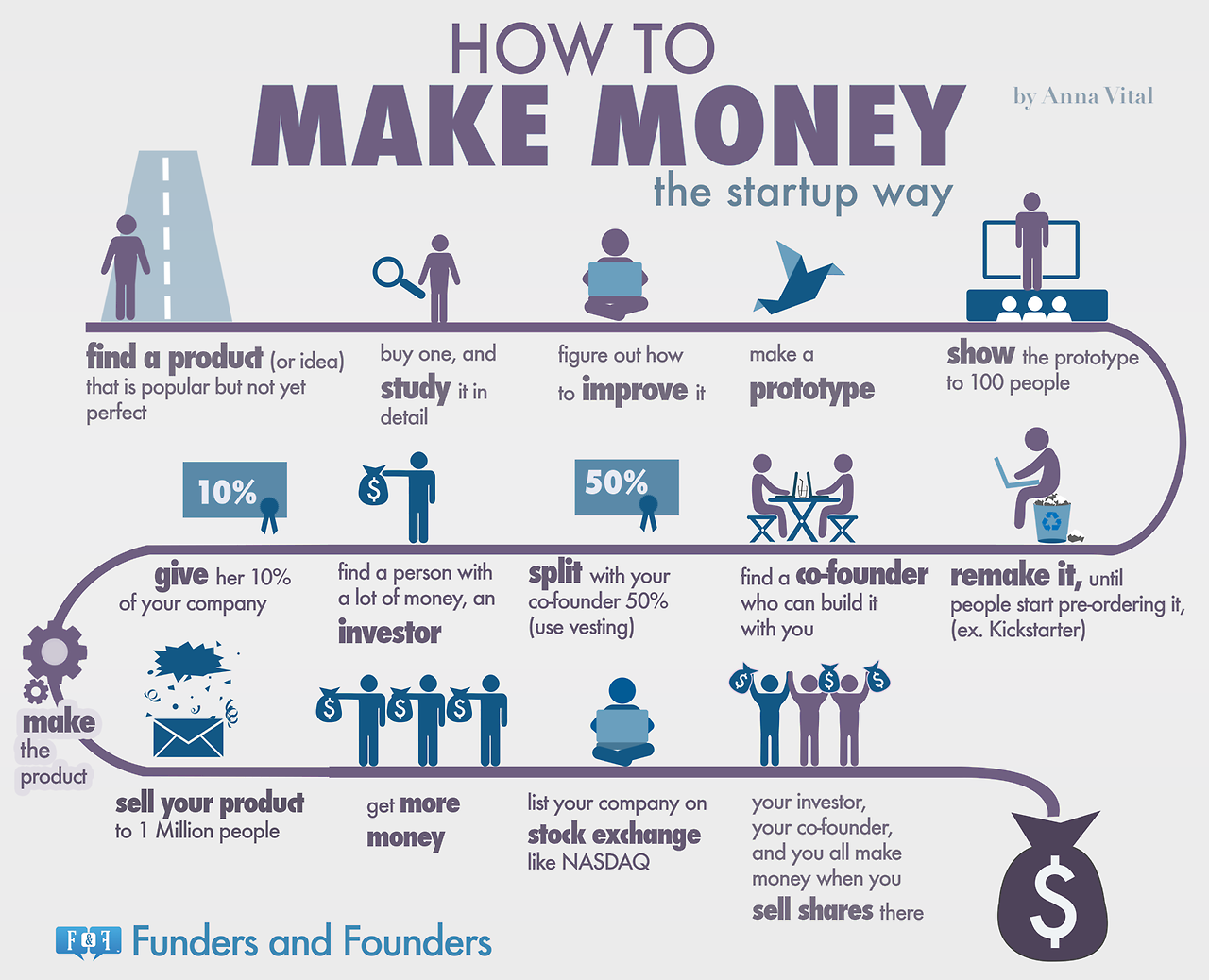
Before a single dollar is earned, a maker must establish a foundation built on market demand and financial viability. The biggest mistake many aspiring entrepreneurs make is creating in a vacuum, focusing on what they like to make rather than what the market is willing to pay for.
Understanding Value Exchange
At its core, making money is an exchange of value. To succeed financially, your “make” must solve a specific problem or fulfill a significant desire for a target demographic. This is the difference between a project and a product. A project is something you do for yourself; a product is something you do for others.
To identify a high-value product, you must conduct a gap analysis. Where is the market underserved? This might involve looking at existing products and identifying common complaints in user reviews or spotting trends in emerging industries where tools and resources are still scarce. By positioning your “making” as a solution, you command a higher price point and ensure a more consistent flow of customers.
Cost Analysis and Resource Allocation
Profit is not just about revenue; it is about what remains after every expense is accounted for. Makers often overlook the “hidden” costs of their business, such as software subscriptions, transaction fees on platforms like Etsy or Shopify, shipping materials, and most importantly, the value of their own time.
To build a professional financial model, you must calculate your Cost of Goods Sold (COGS) with precision. If you are making digital products, your COGS might be low, but your customer acquisition cost (CAC) could be high. If you are making physical goods, you must account for raw materials and storage. A sustainable maker business aims for a healthy margin—typically 50% or higher—to ensure that the business can survive market fluctuations and reinvest in growth.
Monetizing High-Value Digital Products
In the current economic climate, digital products represent one of the most efficient ways to make money. The “build once, sell twice” (or a thousand times) model allows for infinite scalability without the overhead of inventory management.
Selling Expertise Through Information Products
One of the most lucrative “makes” is the information product. This includes e-books, specialized courses, and white papers. The value here lies in the transformation you offer the buyer. If your “make” can teach someone a skill that increases their own earning potential, they will be willing to pay a premium for it.
The financial beauty of information products lies in the profit margin. Once the initial time investment is made to create the content, the cost of delivery is negligible. To maximize income, makers should employ a “value ladder” strategy: offering a low-cost entry point (like a $20 guide) to build trust, followed by high-ticket items (like a $500 comprehensive masterclass) for dedicated customers.
The Economics of Digital Templates and Tools
There is a massive market for “done-for-you” solutions. Professionals and small business owners are often cash-rich but time-poor. They are looking for templates—be it for financial spreadsheets, project management boards, or social media kits—that allow them to skip the “making” process themselves.
When making these tools, focus on “evergreen” utility. A template that helps a business manage its quarterly taxes will be relevant for years, providing a steady stream of passive income. By selling these on marketplaces or through a personal storefront, you tap into a global audience, allowing for a high volume of low-friction sales that accumulate into significant monthly revenue.

Maximizing Revenue Through Recurring Models
The most successful makers realize that chasing new customers every month is an exhausting and expensive way to run a business. The secret to long-term financial stability in the “making” world is the implementation of recurring revenue.
The Shift to Membership-Based Income
Transitioning from a one-time sale to a subscription model changes the financial trajectory of your business. Whether you are providing monthly asset packs, exclusive “maker” insights, or a community-driven platform, memberships provide predictable cash flow.
From a financial planning perspective, recurring revenue allows you to forecast your income with much higher accuracy. This predictability makes it easier to justify business investments, such as hiring a virtual assistant or upgrading your equipment. Platforms like Patreon or specialized WordPress plugins have lowered the barrier to entry, allowing makers to turn a loyal audience into a consistent payroll.
Tiered Pricing Strategies for Scalable Growth
To maximize the “Average Order Value” (AOV), makers should implement tiered pricing. Instead of offering a single version of what you make, offer three:
- The Basic Tier: Essential features at an accessible price.
- The Professional Tier: The “standard” offering that most people will choose, priced to reflect its full value.
- The Enterprise/Premium Tier: Includes additional consultations, customization, or exclusive “making of” content.
This psychological pricing strategy, often called “anchoring,” encourages customers to opt for the middle tier, while still capturing the high-end market that is willing to pay for exclusivity.
Financial Management for the Independent Maker
Generating revenue is only half the battle. To truly “make money making,” you must manage that money with the discipline of a CFO. As your maker business grows, the complexity of your finances will increase.
Reinvesting Profits for Long-Term Sustainability
The temptation when first seeing success is to treat the business revenue as personal disposable income. However, a professional maker treats their business as a separate entity. A portion of every sale—ideally 20-30%—should be set aside for reinvestment.
Reinvestment might mean purchasing more efficient machinery for physical products, investing in paid advertising to reach new audiences, or hiring freelancers to handle tasks that are outside your core competency. By strategically reinvesting, you move from being a “solo-maker” to a “business owner,” where the systems you build start making money for you, even when you aren’t actively creating.
Navigating Taxes and Business Expenses
Finally, an often-overlooked aspect of making money is the fiscal responsibility toward the state. Independent makers are effectively small businesses, which means self-employment taxes and quarterly filings.
Organizing your business as a legal entity (such as an LLC) can provide significant tax advantages and liability protection. Tracking every business expense—from the percentage of your internet bill used for work to the software you use for design—is essential for lowering your taxable income. The more professional your approach to your bookkeeping, the more money you actually keep in your pocket at the end of the year.
Conclusion: Turning the “Make” into a Machine
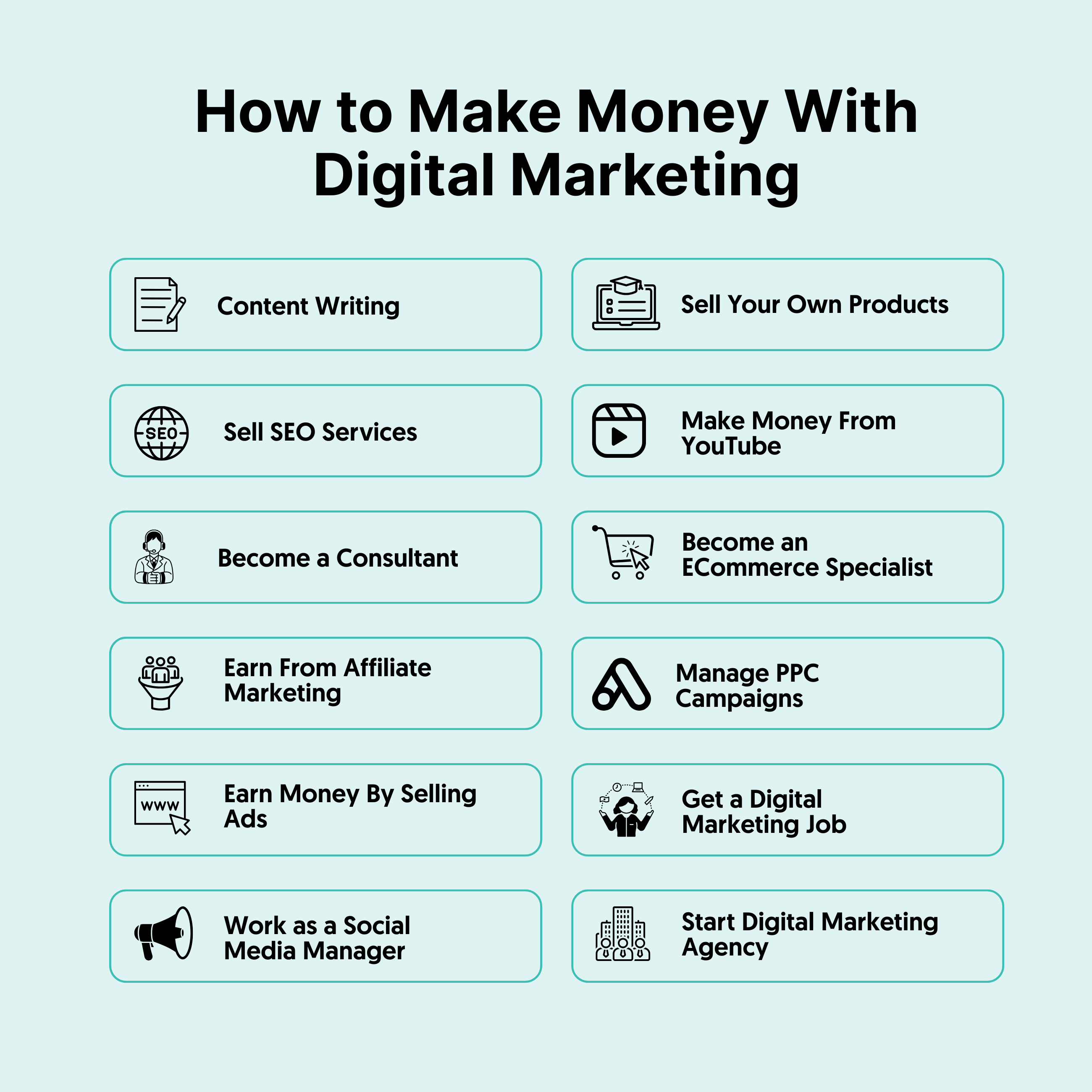
Making money making is about more than just the act of creation; it is about the architecture of a business. By identifying high-demand niches, leveraging the scalability of digital assets, building recurring revenue streams, and maintaining rigorous financial discipline, you can transform your creative output into a robust financial engine.
The modern economy rewards those who can bridge the gap between “creator” and “entrepreneur.” While the thrill of making something new may be what starts the journey, it is the strategic application of business principles that ensures the journey is a profitable one. Start by valuing your time, understanding your margins, and always looking for ways to turn a single “make” into a long-term asset.
aViewFromTheCave is a participant in the Amazon Services LLC Associates Program, an affiliate advertising program designed to provide a means for sites to earn advertising fees by advertising and linking to Amazon.com. Amazon, the Amazon logo, AmazonSupply, and the AmazonSupply logo are trademarks of Amazon.com, Inc. or its affiliates. As an Amazon Associate we earn affiliate commissions from qualifying purchases.