
Securing a car loan is a pivotal financial decision that often carries as much weight as selecting the vehicle itself. For most consumers, a car is the second-largest purchase they will make in their lifetime, trailing only behind a home. However, the sheer variety of lending sources—ranging from century-old banks to cutting-edge FinTech startups—can make the process feel overwhelming. Navigating the landscape of personal finance requires a strategic understanding of where to source capital, how interest rates are determined, and which institutions offer the best terms for your specific financial profile.

Choosing the right lender is not just about finding the lowest monthly payment; it is about minimizing the total cost of ownership over the life of the loan. This guide explores the diverse avenues available for securing an auto loan, helping you make an informed decision that aligns with your long-term financial health.
1. Traditional Banking Institutions and Credit Unions
The most common starting point for many borrowers is a traditional financial institution. These entities offer a sense of stability and a pre-existing relationship that can often be leveraged for better terms.
National and Regional Banks
Large-scale commercial banks, such as Chase, Bank of America, or Wells Fargo, are major players in the auto lending space. The primary advantage of using a national bank is the streamlined digital experience and the ability to manage your loan alongside your checking and savings accounts. If you are an existing customer with a high-tier account, you may be eligible for “relationship discounts,” which can shave a fraction of a percent off your Annual Percentage Rate (APR).
However, traditional banks often have stricter credit requirements. They generally cater to “prime” and “super-prime” borrowers—those with credit scores above 700. If your credit history is less than perfect, a large national bank might offer higher rates or deny the application entirely.
Credit Unions: The Member-Centric Alternative
Credit unions are not-for-profit organizations owned by their members. Because they do not have to answer to shareholders, they frequently return their “profits” to members in the form of lower interest rates and reduced fees. For many personal finance experts, credit unions are the gold standard for car loans.
The interest rates at credit unions are consistently lower than those at commercial banks. Furthermore, credit unions tend to offer a more personalized underwriting process. If you have a unique financial situation or a slightly lower credit score but a long history with the institution, a credit union loan officer may have the flexibility to approve a loan that an automated bank algorithm would reject. The only hurdle is membership eligibility, though many credit unions now have very broad criteria based on geography, profession, or even small donations to affiliated charities.
2. Dealership Financing and Captive Lenders
For many buyers, the convenience of “one-stop shopping” makes dealership financing an attractive option. While convenient, it requires a discerning eye to ensure you aren’t paying a premium for that ease of use.
Manufacturer-Sponsored Loans (Captive Finance)
Captive lenders are the financial arms of the car manufacturers themselves—think Toyota Financial Services, Ford Credit, or GM Financial. These lenders exist primarily to help the manufacturer sell more cars. Consequently, they often offer aggressive promotional rates that traditional banks cannot match, such as 0% APR for 48 to 72 months on specific new models.
To qualify for these “subvented” rates, you typically need an excellent credit score. It is also important to note that taking a 0% APR deal often means forgoing a cash rebate. From a personal finance perspective, you must calculate whether the interest savings over five years outweigh the immediate benefit of a $2,000 or $3,000 cash-back offer.
The Pros and Cons of In-House Dealership Financing
When you finance through a dealership that isn’t using a captive lender, the dealer acts as a middleman. They send your credit profile to a network of banks and then present you with an offer. It is standard practice for dealerships to “mark up” the interest rate. If a bank approves you at 5%, the dealer might present the offer to you at 7%, pocketing the 2% difference as a commission.
While this is often more expensive, dealerships have a high incentive to get the deal done. They have access to a wide array of lenders, including those that specialize in subprime lending. For a buyer with significant credit challenges, a dealership may be the only place capable of securing an approval, albeit at a significantly higher cost.
3. The Rise of Online Lenders and FinTech Platforms
The digital revolution has transformed the lending industry, moving the application process from a desk in a brick-and-mortar office to a smartphone app. Online lenders have introduced a level of transparency and speed previously unseen in auto finance.
Direct Online Lenders
Companies like LightStream (a division of Truist) or SoFi have redefined the borrowing experience. These lenders often cater to borrowers with good to excellent credit and offer a completely paperless process. One of the standout features of certain online lenders is the “unsecured” auto loan. Unlike traditional car loans where the vehicle serves as collateral, some online lenders provide personal loans for vehicle purchases to highly qualified borrowers. This means you hold the title to the car immediately, which simplifies the process of selling the vehicle later.
Loan Aggregators and Comparison Sites
FinTech platforms such as LendingTree or NerdWallet act as marketplaces. By entering your information once, you can receive multiple competing offers from various lenders. This is an excellent tool for “rate shopping.” Since the Consumer Financial Protection Bureau (CFPB) acknowledges that consumers should shop for the best rates, multiple inquiries for a car loan within a 14-to-45-day window are generally treated as a single inquiry on your credit report, minimizing the impact on your score.
Peer-to-Peer (P2P) Lending for Vehicles
While less common than traditional routes, P2P lending platforms like Prosper or LendingClub allow individuals to borrow directly from investors. This can be a viable alternative for specialized vehicle purchases, such as classic cars or older used vehicles that might not meet the age or mileage restrictions of traditional bank loans.
4. Specialized Financing for Different Credit Profiles
Your credit score is the single most influential factor in determining where you should get a car loan. Understanding where you fall on the credit spectrum allows you to target the right lenders and avoid unnecessary rejections.
Options for Subprime Borrowers
If your credit score is below 600, you will likely face challenges with traditional banks. In this scenario, specialized subprime lenders or “Buy Here, Pay Here” (BHPH) dealerships become the primary options. BHPH lots act as both the dealer and the lender. While they provide access to transportation for those who truly need it, they are often considered a last resort. The interest rates are frequently at the state’s legal limit, and the vehicles may be equipped with starter-interrupt devices that prevent the car from running if a payment is missed.
First-Time Buyer Programs
Many manufacturers and local credit unions offer programs specifically designed for individuals with “thin” credit files—those who have never had a loan before. These programs often require a larger down payment or proof of steady employment and a college degree. If you are a recent graduate, looking for “College Grad” rebates and financing programs through captive lenders is a highly effective way to build credit while securing a fair rate.
5. Strategic Steps to Secure the Best Rate
Knowing where to go is only half the battle; knowing how to approach these lenders is what saves you money in the long run.
Pre-Approval vs. Pre-Qualification
Before you ever step foot on a car lot, you should seek a pre-approval from a bank or credit union. A pre-approval is a firm offer of credit based on a hard credit pull. It essentially turns you into a “cash buyer” in the eyes of the dealer. It gives you a ceiling for your budget and a benchmark interest rate. If the dealership wants you to finance through them, they must beat the rate you already have in your pocket.
In contrast, pre-qualification is usually based on a soft credit pull and provides only an estimate. While helpful for budgeting, it does not carry the same negotiating power as a formal pre-approval.
Evaluating Loan Terms and the Fine Print
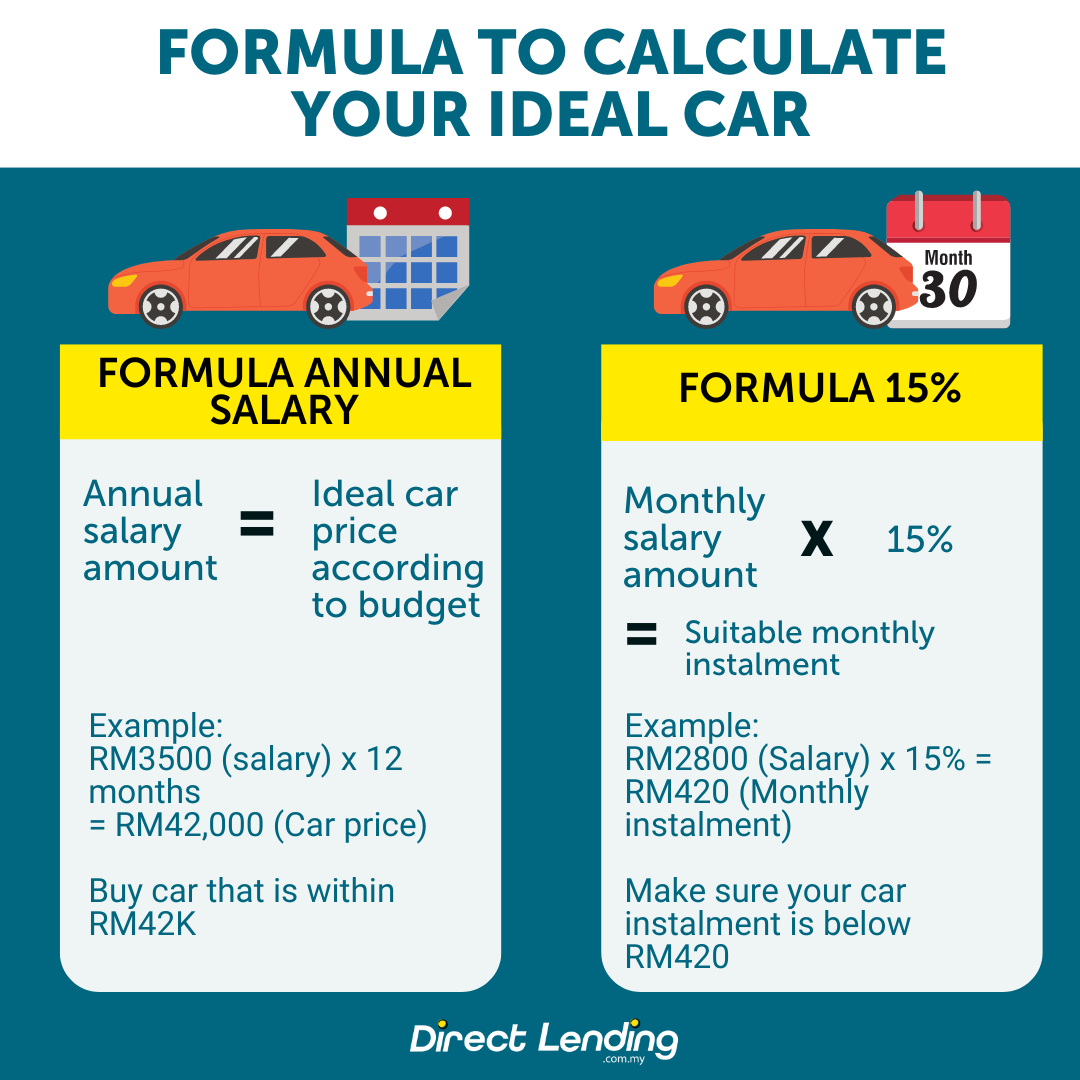
When comparing loans from different sources, look beyond the monthly payment. Pay close attention to the loan term (duration). While an 84-month loan results in a low monthly payment, it often leads to “negative equity,” where you owe more than the car is worth.
Furthermore, ensure there are no “pre-payment penalties.” A hallmark of a good personal finance strategy is the ability to pay off debt early to save on interest. If your lender charges you a fee for doing so, it limits your financial flexibility. Always confirm whether the loan uses simple interest or pre-computed interest; simple interest is the industry standard and the more borrower-friendly option, as interest is calculated based on your remaining balance each day.

Conclusion
Determining where to get a car loan requires a balance of convenience, creditworthiness, and cost-benefit analysis. For those with strong credit, credit unions and captive lenders offering 0% APR deals are often the best choice. For those prioritizing speed and digital ease, FinTech platforms offer a modern solution. Regardless of the path you choose, entering the market with a pre-approval and a clear understanding of the total interest cost ensures that your new car remains a tool for mobility rather than a burden on your financial future. By treating the financing as a separate transaction from the car purchase, you maintain control and maximize your wealth-building potential.
aViewFromTheCave is a participant in the Amazon Services LLC Associates Program, an affiliate advertising program designed to provide a means for sites to earn advertising fees by advertising and linking to Amazon.com. Amazon, the Amazon logo, AmazonSupply, and the AmazonSupply logo are trademarks of Amazon.com, Inc. or its affiliates. As an Amazon Associate we earn affiliate commissions from qualifying purchases.