
The question of when Bitcoin was released is more than a simple date on a calendar; it is the origin story of a fundamental shift in the global financial landscape. While the software was officially launched in early 2009, the conceptual release began months earlier during one of the most tumultuous periods in modern economic history. Understanding the timeline of Bitcoin’s release is essential for any investor or financial enthusiast looking to grasp why this asset holds such a unique position in today’s economy.

The Financial Landscape of 2008-2009: The Catalyst for Bitcoin
To understand when and why Bitcoin was released, one must first look at the wreckage of the 2008 global financial crisis. The traditional banking system was on the verge of collapse, leading to massive government bailouts and a widespread loss of trust in centralized financial institutions. It was against this backdrop of fiscal instability that an anonymous entity known as Satoshi Nakamoto introduced a solution.
The Global Financial Crisis and the Need for Decentralization
In 2008, the collapse of Lehman Brothers and the subsequent subprime mortgage crisis exposed the vulnerabilities of a “too big to fail” banking system. Investors watched as their savings evaporated and currencies were devalued through quantitative easing. This era created a vacuum for a new type of “sound money”—one that did not rely on a central bank or a government to maintain its value. Bitcoin was not merely a technological experiment; it was a financial manifesto.
October 31, 2008: The Whitepaper Announcement
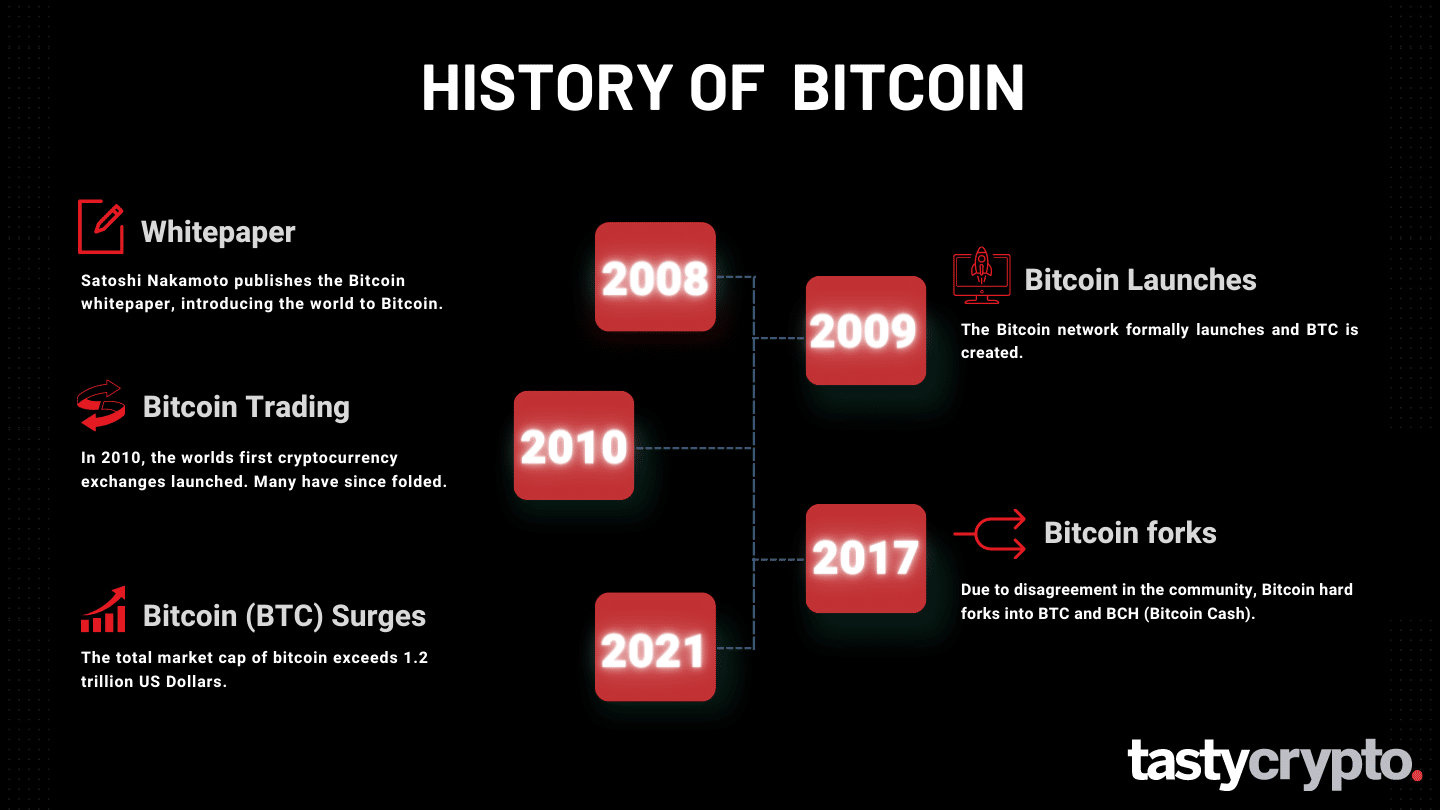
The conceptual release of Bitcoin occurred on October 31, 2008. Satoshi Nakamoto published a paper titled “Bitcoin: A Peer-to-Peer Electronic Cash System” to a cryptography mailing list. This document outlined the framework for a digital currency that solved the “double-spending” problem without the need for a trusted third party. For the financial world, this was the moment the blueprint for decentralized finance (DeFi) was handed to the public. It proposed a system where supply was capped and transactions were immutable, directly challenging the inflationary nature of fiat currency.
January 3, 2009: The Genesis Block and the Birth of Sound Money
While the whitepaper provided the theory, the actual release of the Bitcoin network happened on January 3, 2009. This is the date the “Genesis Block” (Block 0) was mined, marking the official start of the Bitcoin blockchain. This event transformed Bitcoin from a theoretical concept into a living, breathing financial network.
Mining the First 50 BTC
The mining of the Genesis Block resulted in the creation of the first 50 Bitcoins. Unlike modern financial assets that are often launched via Initial Public Offerings (IPOs) or VC-backed rounds, Bitcoin’s release was an “immaculate conception.” There was no pre-mine, no marketing budget, and no corporate hierarchy. The software was released as open-source code, allowing anyone with a computer to participate in the network. This egalitarian release is a primary reason why many institutional investors view Bitcoin as a “neutral” asset today.
The Significance of the “Chancellor on Brink of Second Bailout” Message
Embedded within the hexadecimal code of the Genesis Block was a headline from The Times (London): “The Times 03/Jan/2009 Chancellor on brink of second bailout for banks.” This was not a random choice of text. By including this headline, Nakamoto anchored the birth of Bitcoin to a specific moment of systemic financial failure. It served as a permanent timestamp and a reminder that Bitcoin was designed as an alternative to the fractional reserve banking system that necessitated taxpayer-funded bailouts. For those analyzing Bitcoin from a “Money” niche perspective, this message is the cornerstone of its value proposition as “Digital Gold.”
Early Adoption and the Evolution of Bitcoin as a Financial Asset
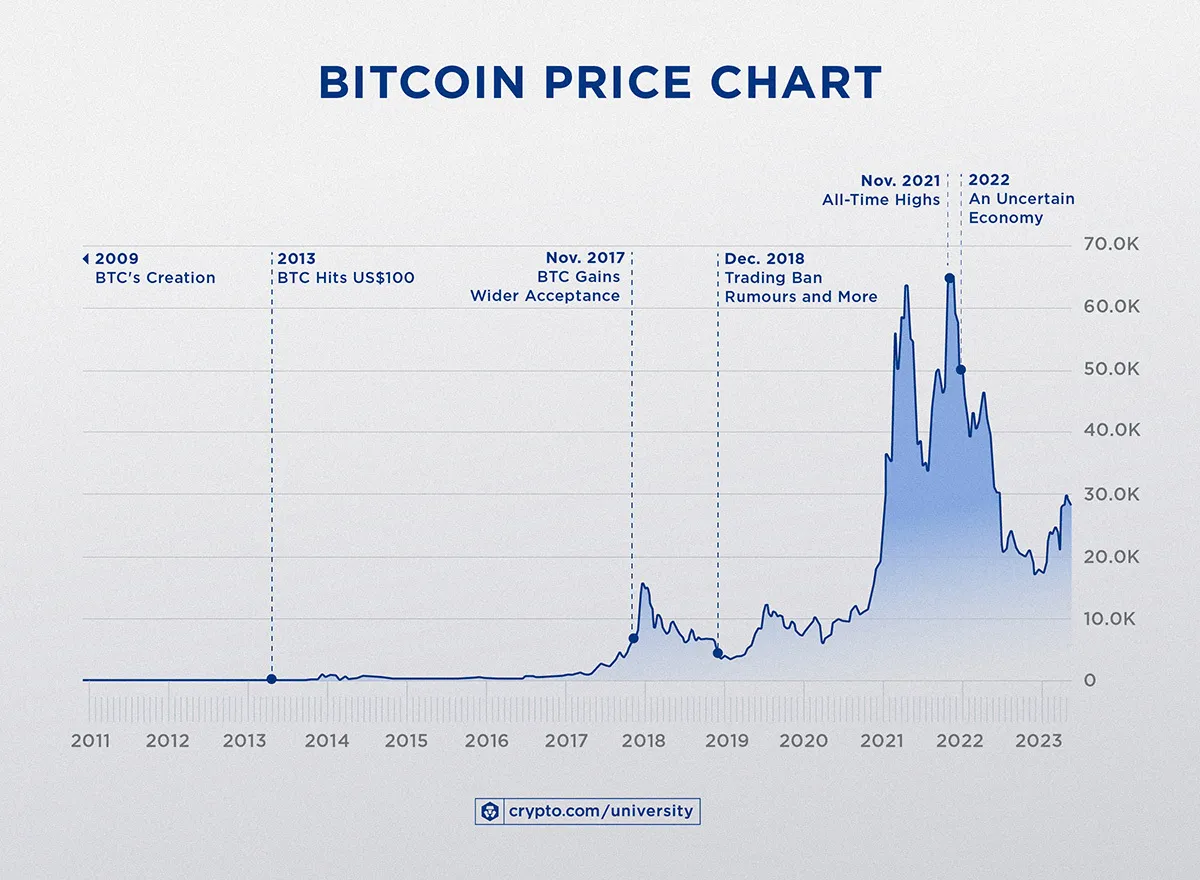
In the months and years following its January 2009 release, Bitcoin had no market price. It was a hobbyist’s currency, traded for nothing or sent between developers to test the network’s resilience. However, the transition from a “worthless” digital token to a multi-trillion-dollar asset class happened through several key milestones in financial history.
2010: From Pizza to the First Exchange Rate
The first real-world financial transaction using Bitcoin occurred on May 22, 2010, now famously known as “Bitcoin Pizza Day.” A programmer named Laszlo Hanyecz traded 10,000 BTC for two Papa John’s pizzas. At the time, those 10,000 Bitcoins were worth roughly $41. This event was pivotal because it established a market price for the asset—proving that Bitcoin could be used to purchase tangible goods. Shortly after, the first exchanges began to emerge, allowing users to trade Bitcoin for U.S. dollars, which laid the groundwork for the modern crypto-trading ecosystem.
The Shift from “Magic Internet Money” to Digital Gold
As the network matured, the financial narrative around Bitcoin shifted. Initially viewed as a medium of exchange (cash), its volatility and the emergence of “HODLing” culture led investors to reclassify it as a store of value. The fixed supply of 21 million coins—a rule established at the 2009 release—mirrored the scarcity of precious metals. This “scarcity by design” became the driving force for its price appreciation, attracting the attention of retail investors looking for a hedge against inflation and the devaluation of the dollar.
Bitcoin’s Role in the Modern Investment Portfolio
Fast forward to the present, and the “release” of Bitcoin has reached its final stage: institutional integration. What started as a niche software project on a mailing list has become a staple in the portfolios of some of the world’s largest financial institutions.
Institutional Adoption and ETFs
The year 2024 marked a massive turning point with the approval of Spot Bitcoin Exchange-Traded Funds (ETFs) by the SEC. Giants like BlackRock and Fidelity now offer Bitcoin to their clients, providing a regulated bridge for traditional capital to enter the space. This institutional release has effectively “de-risked” Bitcoin for many conservative investors. It is no longer a question of if Bitcoin is a valid financial asset, but rather how much exposure an optimized portfolio should have to it.
Risk Management and Long-Term Financial Planning
For those focused on personal finance and side hustles, the historical context of Bitcoin’s release offers a lesson in asymmetric risk. Since its 2009 launch, Bitcoin has been the best-performing asset of the decade, despite numerous “crashes.” Its release taught the financial world about the power of “decentralized trust.” Today, financial advisors increasingly view Bitcoin as a “non-correlated asset,” meaning its price movements often operate independently of the stock or bond markets, providing a diversification benefit that was previously unavailable to the average investor.
The Legacy of the 2009 Release
When we ask “when was Bitcoin released,” we are looking at the birth of a new era of financial sovereignty. On January 3, 2009, the world was given a tool that allowed individuals to “be their own bank.” The release was a direct response to the flaws of the traditional financial system, offering a transparent, capped, and global alternative.
From its humble beginnings as a text-based whitepaper in 2008 to its current status as a trillion-dollar asset class, Bitcoin’s journey is a testament to the power of financial innovation. For the modern investor, the timeline of Bitcoin’s release is not just history—it is a roadmap for the future of money. By understanding its origins in the fires of the 2008 crisis, we can better appreciate its role as a hedge against the uncertainties of the 21st-century economy. Whether you are a retail trader, a long-term “HODLer,” or a curious observer, the release of Bitcoin stands as the most significant event in the history of private money since the end of the gold standard.
aViewFromTheCave is a participant in the Amazon Services LLC Associates Program, an affiliate advertising program designed to provide a means for sites to earn advertising fees by advertising and linking to Amazon.com. Amazon, the Amazon logo, AmazonSupply, and the AmazonSupply logo are trademarks of Amazon.com, Inc. or its affiliates. As an Amazon Associate we earn affiliate commissions from qualifying purchases.