
Tehran, the sprawling capital of Iran, stands as a crucible where geopolitical forces, national policies, and the daily struggles of millions converge. When one asks “what happened in Tehran,” the answer is rarely simple, often referring to a complex tapestry of events and trends. Beyond the headlines, a profound and continuous economic narrative unfolds, shaping the lives of its inhabitants, influencing regional dynamics, and reflecting global financial pressures. This article delves into the financial and economic currents that define contemporary Tehran, offering an insightful look into its macroeconomic landscape, the realities of personal finance, the investment climate, and the potential pathways for its future. By focusing exclusively on the “Money” category, we aim to unravel the intricate financial story of this pivotal Middle Eastern metropolis.
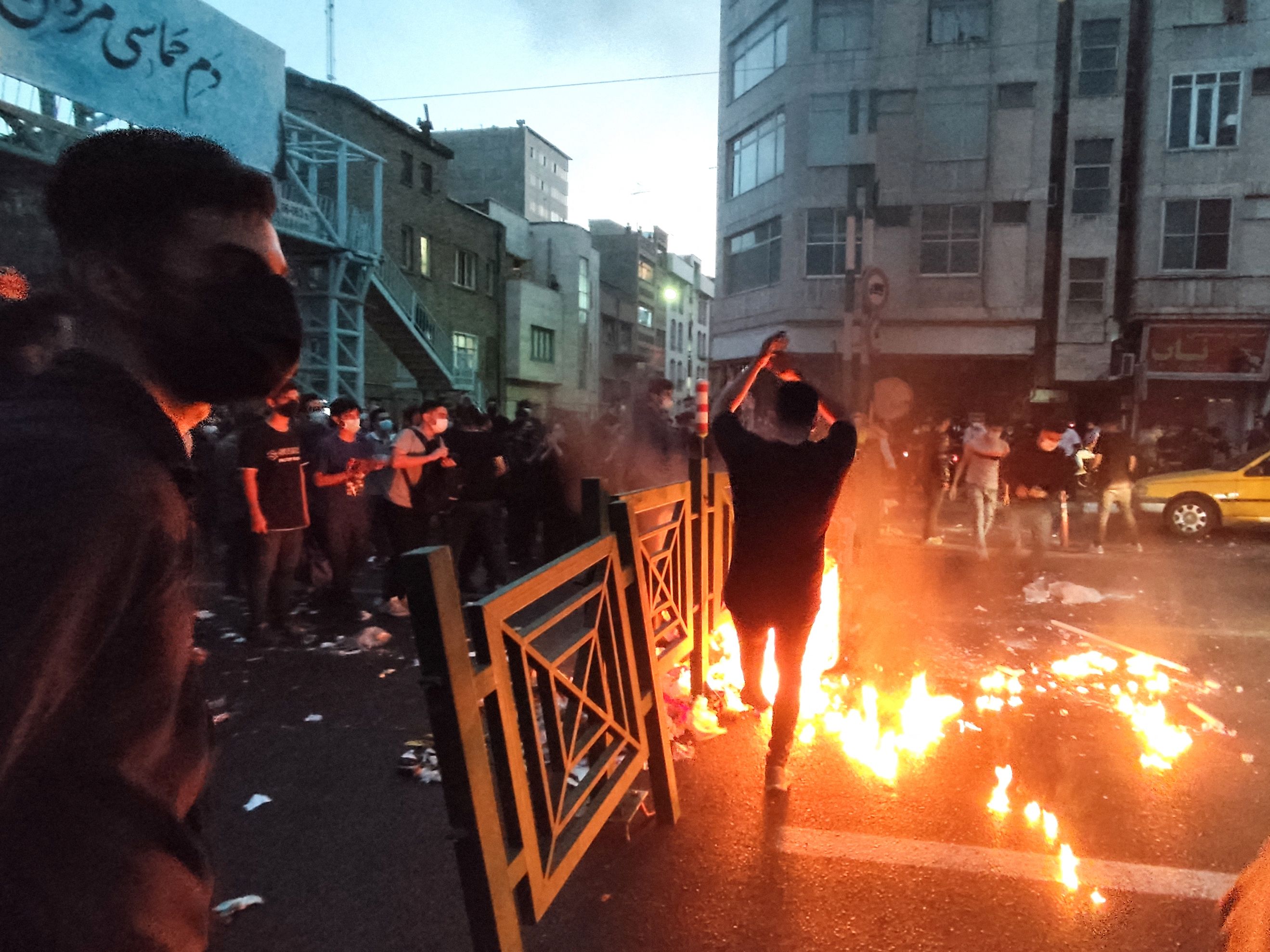
The Macroeconomic Landscape: A Decade of Flux
The economic trajectory of Tehran, and indeed Iran, over the past decade has been characterized by significant volatility and resilience in equal measure. A confluence of international pressures and domestic policies has created a unique and often challenging macroeconomic environment.
Sanctions, Oil, and Currency Devaluation
Perhaps the most defining external factor impacting Tehran’s economy has been the imposition and tightening of international sanctions. Primarily targeting Iran’s oil and gas sector, financial institutions, and shipping, these sanctions have severely constrained the country’s ability to export its primary revenue-generating commodity. The direct consequence has been a drastic reduction in foreign currency earnings, leading to persistent pressure on the Iranian Rial. Over multiple cycles, the Rial has experienced significant devaluation against major international currencies, eroding the purchasing power of citizens and making imports prohibitively expensive. This currency instability fuels rampant inflation, affecting everything from basic foodstuffs to housing and durable goods. Businesses reliant on international trade, particularly those needing imported raw materials or components, have faced immense operational hurdles, often struggling to secure foreign exchange at viable rates or to conduct international transactions through official channels. The official banking system’s isolation from global networks necessitates complex and often costly workarounds, further exacerbating economic inefficiencies.
Government Policies and Economic Resilience
In response to these formidable external pressures, the Iranian government has implemented a range of policies aimed at fostering economic resilience and self-sufficiency. A key strategy has been import substitution, encouraging domestic production across various sectors to reduce reliance on foreign goods. This has led to the growth of certain local industries, albeit often at a higher cost or lower quality than international alternatives. Subsidies, particularly on essential goods and energy, have also been a long-standing feature, intended to cushion the blow of inflation and support low-income households. However, these subsidies place a significant strain on the national budget and can distort market signals. The government has also actively pursued economic engagement with non-Western partners, seeking to diversify trade relationships and establish alternative financial mechanisms that circumvent Western-dominated systems. These efforts have yielded mixed results, demonstrating some success in establishing new trade corridors but failing to fully offset the impact of reduced oil revenues and financial isolation. The focus on a “resistance economy” narrative highlights the nation’s efforts to adapt and survive under sustained economic pressure, prioritizing domestic capacity and strategic autonomy.
The Informal Economy and Parallel Markets
Given the constraints of the formal economy, the informal sector and parallel markets play a crucial role in Tehran’s financial ecosystem. The black market for foreign currency, for instance, often dictates real exchange rates and provides a vital avenue for individuals and businesses to access foreign exchange when official channels are restricted. Similarly, a significant portion of economic activity, from small-scale trade to services, operates informally to avoid taxes, regulations, or simply due to the impracticalities of formal registration. While these parallel markets offer flexibility and often represent a coping mechanism for economic hardship, they also contribute to price volatility, lack transparency, and can be a source of illicit financial flows. Real estate, gold, and other hard assets often serve as preferred stores of value in an environment where trust in the national currency and formal banking system is low. The existence and scale of these parallel economic activities underscore the ingenuity of Tehranis in navigating a challenging financial landscape, but also highlight the structural inefficiencies and distortions within the broader economy.
Personal Finance and Daily Life in Tehran
For the average resident of Tehran, the macroeconomic currents translate directly into tangible impacts on personal finance and daily life, creating a constant challenge of adaptation and financial management.
Navigating Inflation and Cost of Living
The most immediate and pervasive economic reality for Tehranis is rampant inflation and the escalating cost of living. Year after year, the prices of basic necessities – food, housing, transportation, and healthcare – have climbed, often outpacing wage growth. This relentless erosion of purchasing power forces households to constantly adjust their budgets, prioritize spending, and often make difficult choices. Meat, dairy, and fresh produce, once staples, become luxuries for many. Housing costs in Tehran, a city with a high population density and limited developable land, are particularly prohibitive, pushing many into smaller accommodations or to the city’s expanding periphery. Public transportation, while extensive, is often overcrowded, and private vehicle costs are high due to import restrictions and fuel price adjustments. Families often find themselves in a precarious financial situation, with many individuals working multiple jobs or relying on supplementary income from the informal sector to make ends meet. The psychological toll of constantly battling rising prices contributes to widespread economic anxiety and uncertainty about the future.
Income Generation and Employment Challenges
The employment landscape in Tehran reflects both the struggles and the resilience of its economy. Official unemployment figures, particularly for youth and university graduates, remain a persistent concern. The formal job market struggles to create enough high-quality positions, especially in sectors heavily impacted by sanctions or government regulations. This has led to an increased prevalence of underemployment and a push towards the gig economy and various side hustles. From ride-sharing services to online tutoring and artisanal crafts, Tehranis leverage their skills and resources to generate supplementary income. Entrepreneurship, though challenging due to bureaucratic hurdles and limited access to finance, also sees pockets of innovation, especially in the digital space. Women, despite significant societal barriers, increasingly participate in the workforce, often in educational, healthcare, or service sectors, contributing vital income to their households. However, the quality of employment, job security, and benefits often remain significant concerns for many working individuals.
Savings, Investments, and Financial Strategies
In an environment of high inflation and currency depreciation, traditional methods of saving and investment are often viewed with skepticism by Tehranis. Holding large sums in the national currency is perceived as a losing proposition, leading to a strong preference for hard assets. Gold, for its historical stability and portability, remains a popular choice for safeguarding wealth. Real estate, despite its high entry cost, is also considered a secure long-term investment, offering both a hedge against inflation and potential rental income. Foreign currencies, particularly the US dollar and Euro, are actively sought after, often purchased in the parallel market, as a means to protect savings from Rial depreciation. Formal investment options, such as the Tehran Stock Exchange, exist, but participation is often limited to more sophisticated investors or those willing to take on higher risks associated with market volatility and political uncertainties. The banking sector primarily offers interest-bearing accounts, but real returns often fall below inflation, making them unattractive for long-term wealth preservation. Consequently, personal financial strategies are heavily geared towards capital preservation rather than growth, reflecting a deep-seated caution and pragmatism.
Investment Climate and Business Finance
For businesses and potential investors, Tehran presents a paradox: a market with significant untapped potential but also formidable barriers and inherent risks. Understanding this complex landscape is crucial for anyone considering financial engagement.
Foreign Direct Investment (FDI) Hurdles and Opportunities
Foreign Direct Investment (FDI) into Iran has historically been severely hampered by the regime of international sanctions, which deter most major international companies and financial institutions. The risk of secondary sanctions, regulatory complexities, and the perceived political instability act as significant deterrents. However, beneath these hurdles lie substantial opportunities. Iran boasts a large, educated young population, a diverse natural resource base beyond oil (including minerals), and a strategically important geographical location. Sectors less directly impacted by sanctions, such as information technology, e-commerce, certain manufacturing niches, and potentially tourism (when travel conditions allow), have shown resilience and growth potential. Investors from countries less aligned with Western sanctioning powers, particularly from Asia, have shown some willingness to engage, focusing on long-term infrastructure projects or specific resource extraction ventures. Navigating the domestic regulatory environment, understanding local business culture, and finding reliable local partners are paramount for any foreign entity considering entry into this challenging but potentially rewarding market.
Domestic Business Landscape: SMEs and State-Owned Enterprises
The Iranian business landscape is characterized by a dual structure. On one hand, large state-owned enterprises (SOEs) and powerful quasi-governmental foundations (Bonyads) dominate key strategic sectors like oil, gas, petrochemicals, banking, and heavy industry. These entities often operate with considerable influence and benefit from government backing. On the other hand, Small and Medium-sized Enterprises (SMEs) form the backbone of the private sector, contributing significantly to employment and innovation. However, SMEs frequently face an uphill battle. Access to finance is a persistent challenge, with traditional banks often prioritizing larger, less risky clients. High interest rates, collateral requirements, and complex loan application processes create significant barriers. Bureaucracy, corruption, and an unpredictable regulatory environment further complicate operations for private businesses. Despite these difficulties, local entrepreneurs continue to drive innovation, particularly in consumer goods, services, and the burgeoning digital economy, demonstrating remarkable resilience and adaptability. The growth of startups and tech hubs in Tehran indicates a youthful drive to create value despite systemic obstacles.
The Rise of Fintech and Digital Finance
In response to the limitations of the traditional banking system and the need for greater efficiency, Tehran has witnessed a notable rise in financial technology (Fintech) and digital finance. Mobile payment systems, online banking apps, and digital wallets have become increasingly popular, offering convenience and often bypassing the inefficiencies of physical bank branches. These platforms facilitate daily transactions, money transfers, and bill payments, streamlining financial interactions for individuals and businesses alike. Online lending platforms, though still nascent and operating within strict regulatory frameworks, are emerging to address the credit gap for SMEs and individuals. The growth of e-commerce platforms has also necessitated robust digital payment infrastructure, further accelerating the adoption of fintech solutions. This embrace of digital finance not only modernizes aspects of Iran’s financial system but also represents an innovative coping mechanism against international banking restrictions, by creating internal digital economies that are less reliant on SWIFT or other global financial messaging systems. The potential for further expansion in areas like blockchain technology and localized digital currencies remains a topic of considerable interest among Iranian tech innovators.
Future Outlook and Economic Pathways
The economic future of Tehran is inextricably linked to both internal policy decisions and the shifting sands of global geopolitics. Understanding these dynamics is essential for anticipating the city’s financial trajectory.
The Role of Geopolitics in Economic Recovery
The most significant variable in Tehran’s economic future remains the geopolitical context, particularly concerning the status of international sanctions. Any significant easing of sanctions, such as through a revitalized nuclear agreement, could unlock substantial economic potential by allowing greater oil exports, facilitating international trade, and attracting foreign investment. Conversely, further tightening of sanctions or increased regional tensions would exacerbate existing economic woes, intensify inflation, and deepen financial isolation. The political will and capacity of the Iranian government to engage in diplomatic solutions that might lead to sanctions relief are thus paramount. Beyond sanctions, regional stability and Iran’s relationships with neighboring countries also play a crucial role, affecting trade routes, energy markets, and investment confidence. The interplay between domestic politics and international relations will continue to be the primary determinant of Tehran’s economic recovery or continued struggle.
Diversification Beyond Oil
A long-term imperative for Iran’s sustainable economic development, and consequently for Tehran’s prosperity, is diversification away from its heavy reliance on oil revenues. While oil has been a blessing, it has also made the economy vulnerable to price fluctuations and sanctions. Strategic efforts are underway to foster growth in non-oil sectors such as petrochemicals, mining (Iran has vast mineral reserves), agriculture, and crucially, knowledge-based industries. The burgeoning tech sector in Tehran, with its vibrant startup ecosystem, represents a promising avenue for job creation and value addition. Investing in human capital, promoting innovation, and creating a more favorable business environment for these diverse sectors are critical steps. Such diversification would not only provide greater economic stability but also create new export opportunities and reduce the economy’s exposure to external pressures related to energy markets.

Potential for Reform and Economic Growth
Despite the formidable challenges, there remains significant potential for economic reform and growth in Tehran. Policy adjustments aimed at improving the business climate – such as simplifying regulations, enhancing transparency, combating corruption, and ensuring greater legal predictability – could unlock domestic investment and incentivize private sector growth. Market liberalization, particularly in sectors dominated by state-owned enterprises, could foster greater competition and efficiency. Furthermore, harnessing the demographic dividend of a young, educated population by investing in education, job training, and entrepreneurial support is crucial. Should a more stable geopolitical environment emerge, allowing for integration into the global financial system and a revival of foreign trade and investment, Tehran could experience a period of robust economic expansion. The resilience and adaptability demonstrated by its citizens and businesses offer a strong foundation for future development, provided the right internal policies and external conditions converge.
In conclusion, “what happened in Tehran” is an ongoing economic saga of profound complexity and remarkable resilience. It is a story told in the ebb and flow of its currency, the persistent struggle against inflation, the ingenuity of its entrepreneurs, and the strategic decisions of its leaders. From navigating international sanctions to fostering a burgeoning digital economy, Tehran’s financial currents reflect a city perpetually in motion, grappling with global forces while seeking its own path to economic stability and prosperity. The future of this pivotal capital city, and the financial well-being of its millions, will continue to be shaped by the intricate dance between internal reforms and external geopolitical realities.
aViewFromTheCave is a participant in the Amazon Services LLC Associates Program, an affiliate advertising program designed to provide a means for sites to earn advertising fees by advertising and linking to Amazon.com. Amazon, the Amazon logo, AmazonSupply, and the AmazonSupply logo are trademarks of Amazon.com, Inc. or its affiliates. As an Amazon Associate we earn affiliate commissions from qualifying purchases.