
In an era defined by an unprecedented abundance of content, the simple question “What film should I watch right now?” has evolved from a casual query into a complex challenge. Gone are the days of limited television channels or a trip to the video store. Today, we stand at the precipice of a digital deluge, with countless streaming platforms, VOD services, and digital libraries vying for our attention, each housing a seemingly infinite catalog of cinematic wonders. This overwhelming choice, while initially exciting, often leads to decision fatigue, endless scrolling, and the paradoxical feeling that despite having everything, we can find nothing.
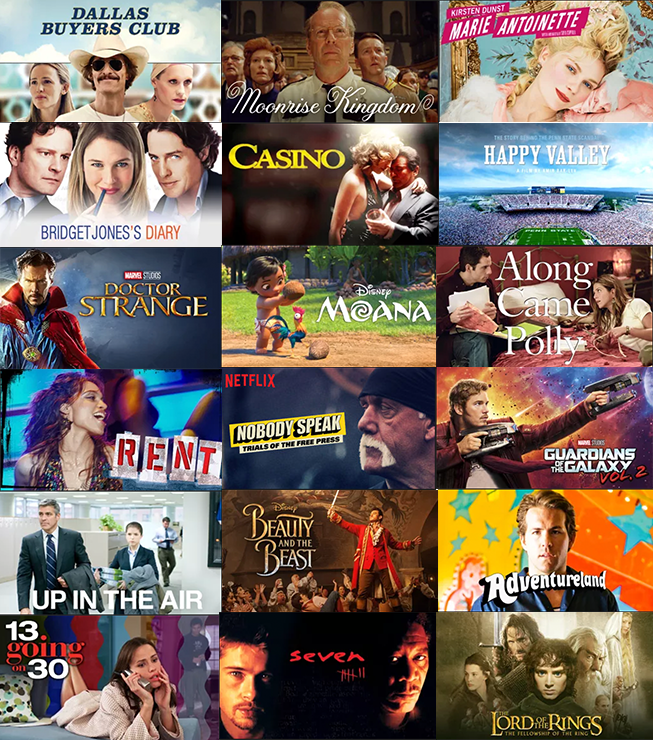
Yet, this very complexity is being systematically addressed and transformed by the relentless march of technology. From sophisticated recommendation algorithms that intuit our preferences to the cutting-edge hardware that brings cinematic quality into our living rooms, technology is not just facilitating access; it’s actively shaping how we discover, consume, and appreciate film. This article delves into the technological innovations that empower us to cut through the noise, make informed choices, and ultimately, elevate our answer to that pressing question: “What film should I watch right now?” It’s a journey through the digital landscape, exploring how software, hardware, and emerging tech converge to make our next great cinematic experience not just possible, but effortlessly tailored.
Navigating the Digital Deluge: The Rise of Recommendation Engines
The primary challenge in answering “What film should I watch right now?” is the sheer volume of available options. This is where recommendation engines, powered by advanced algorithms, step in as our digital guides, attempting to personaliz the vast ocean of content.
Algorithmic Curators: AI’s Role in Personalized Suggestions
At the heart of modern streaming services lies artificial intelligence, tirelessly working to understand our viewing habits and predict our next favorite film. These AI-driven algorithms employ several sophisticated techniques:
- Collaborative Filtering: This method analyzes the viewing behavior of a large group of users to identify patterns. If users A and B have similar viewing histories, and user A watched and enjoyed film X, the algorithm will likely recommend film X to user B. This “people who liked this also liked that” approach forms the bedrock of many recommendation systems.
- Content-Based Filtering: This approach focuses on the attributes of the films themselves. By analyzing metadata such as genre, actors, directors, themes, keywords, and even the emotional tone of a film, the algorithm can recommend titles that share characteristics with films you’ve previously enjoyed. If you watch several sci-fi thrillers, the system learns to suggest similar films regardless of other users’ preferences.
- Hybrid Recommendation Systems: Most sophisticated platforms combine both collaborative and content-based filtering to mitigate the weaknesses of each individual method. This creates a more robust and accurate recommendation engine, capable of suggesting diverse content while remaining highly personalized.
- Deep Learning and Neural Networks: More advanced systems leverage deep learning to uncover subtle, non-obvious connections between films and user preferences. These neural networks can process vast amounts of data, including user interactions (pauses, rewinds, fast-forwards), time of day watching, and even external reviews, to build an incredibly nuanced profile of your taste. This allows for hyper-personalized suggestions that sometimes feel uncannily accurate, making the “what film” question almost obsolete by presenting precisely what you didn’t know you wanted to watch.
The evolution of these algorithms means that the answer to “what film should I watch right now” is increasingly a data-driven one, continuously refined by your interactions, helping you discover hidden gems and revisit beloved genres with unparalleled efficiency.
Beyond the Algorithm: Human Curation and Editorial Picks
While AI excels at pattern recognition, it sometimes lacks the nuanced understanding of culture, critical acclaim, and emerging trends that human experts possess. Many platforms recognize this and integrate human curation alongside their algorithmic suggestions. Editorial teams, film critics, and genre specialists provide hand-picked selections, themed collections, and “must-watch” lists that add a layer of human insight.
This hybrid approach ensures that viewers are not confined to an algorithmic echo chamber but are also exposed to critically acclaimed works, culturally significant films, or indie productions that might not immediately surface through pure data analysis. Services that successfully blend AI efficiency with human artistry offer a more holistic and enriching discovery experience, addressing the “what film” question with both precision and passion.
Optimizing Your Viewing Experience: The Hardware and Software Stack
Once you’ve decided what film to watch, the how becomes equally crucial. Technology doesn’t just help with discovery; it also profoundly impacts the quality of your viewing experience, transforming your living room into a private cinema.
The Home Cinema Revolution: Smart TVs and Projectors
Modern display technology has made monumental leaps, bringing cinematic fidelity into the home.
- 4K Ultra HD and HDR (High Dynamic Range): These technologies offer unparalleled resolution and contrast. 4K quadruples the pixel count of Full HD, revealing intricate details, while HDR expands the range of colors and light, making brights brighter and darks deeper, replicating the dynamic range of the human eye more accurately. Films shot and mastered in 4K HDR truly come alive, offering a visual spectacle far superior to standard definition.
- OLED and QLED Displays: These display technologies provide incredibly vibrant colors and perfect blacks. OLED pixels emit their own light, allowing individual pixels to be turned off completely, resulting in absolute black levels and infinite contrast. QLED uses quantum dots to enhance color and brightness. Both offer stunning picture quality, making films visually immersive and enhancing the director’s intended vision.
- Smart TV Operating Systems: Beyond mere display, smart TVs integrate streaming apps directly, offering intuitive interfaces, voice control, and seamless access to content libraries. Their powerful processors handle high-resolution streaming, while built-in AI upscaling can even enhance older, lower-resolution content to near-4K quality.
- Home Projectors: For those seeking the ultimate immersive experience, modern home projectors can cast massive, cinema-sized images onto a screen or wall. Advances in laser projection and short-throw technology allow for stunning 4K HDR images even in smaller rooms, blurring the line between home viewing and a trip to the multiplex.
Audio Immersion: Soundbars, Surround Sound, and Spatial Audio
A film is only half-experienced without exceptional audio. Technology has revolutionized sound delivery, creating truly immersive sonic landscapes.
- Soundbars: A significant upgrade from built-in TV speakers, soundbars offer clearer dialogue, richer bass, and a wider soundstage. Many include virtual surround sound or even discrete upward-firing speakers for Dolby Atmos effects.
- Surround Sound Systems: For the audiophile, a dedicated 5.1 or 7.1 surround sound system with a receiver and multiple speakers creates a truly enveloping audio experience. Sounds travel around you, accurately placing explosions, dialogue, and musical scores within the virtual space of the film.
- Dolby Atmos and DTS:X (Spatial Audio): These object-based audio technologies represent the pinnacle of home audio. Instead of channels, individual sounds (objects) are placed in a 3D space, including overhead. Compatible soundbars and speaker systems can reproduce this height dimension, making it sound like rain is falling from above or a helicopter is flying directly over your head, dramatically enhancing the film’s atmosphere and realism.
Streaming Platform Tech: Buffering, Bandwidth, and User Interfaces
The seamless delivery of content is paramount. Behind the scenes, sophisticated technology ensures a smooth, uninterrupted viewing experience.
- Adaptive Bitrate Streaming: This technology automatically adjusts the video quality based on your internet connection’s speed and stability. If your bandwidth dips, the stream quality might temporarily reduce to prevent buffering, then ramp back up when conditions improve. This ensures continuous playback, a critical factor for viewer satisfaction.
- Content Delivery Networks (CDNs): Streaming services utilize vast networks of servers distributed globally. When you request a film, it’s served from the closest possible server, minimizing latency and maximizing download speeds, reducing the chance of buffering.
- Efficient Video Codecs: Technologies like H.265 (HEVC) and AV1 compress high-quality video files much more efficiently than older standards, allowing for 4K HDR content to be streamed using less bandwidth, making it accessible to a wider range of internet speeds.
- Intuitive User Interfaces (UIs): Well-designed UIs on streaming platforms are crucial for discovery and ease of use. From personalized carousels to universal search functions and watchlists, the software interface plays a key role in helping you navigate the content and quickly get to “what film should I watch right now.”
The Future of Film Discovery: Interactive and Immersive Technologies
The journey of technology’s influence on film is far from over. Emerging innovations promise to revolutionize how we interact with stories and discover content, pushing the boundaries of traditional cinema.
Virtual Reality and Augmented Reality in Storytelling
VR and AR offer a tantalizing glimpse into a future where films are not just watched, but experienced from within.
- Immersive VR Films: While still nascent, VR filmmaking aims to place the viewer directly into the narrative, allowing them to look around and interact with the environment. This could transform genres like horror or documentaries, providing unparalleled levels of empathy and presence.
- AR Enhancements: Augmented reality could overlay digital information onto the real world, allowing for interactive film posters that reveal trailers, or even characters from a film appearing in your living room via your smartphone or AR glasses.
- Interactive Environments: Imagine not just watching a film but exploring its world, uncovering backstory, or even influencing minor plot points through environmental interaction. This opens up entirely new avenues for storytelling that blur the lines between film and gaming.
Interactive Narratives and Choose-Your-Own-Adventure Films
The passive consumption of linear narratives is being challenged by new forms of interactive storytelling.
- Branching Narratives: Platforms are experimenting with “choose-your-own-adventure” style films where viewer decisions dictate the plot’s progression, leading to multiple endings or significant storyline variations. This empowers the audience, turning passive viewers into active participants in the storytelling process.
- Personalized Storylines: Future AI could potentially adapt elements of a film’s plot, character arcs, or even dialogue based on viewer preferences and past choices, creating a truly unique narrative experience for each individual. The answer to “what film should I watch right now” might eventually be a film that literally adapts to you.
Social Discovery and Collaborative Viewing Apps
Film viewing is often a shared experience, and technology is enhancing this social dimension.
- Watch Party Features: Many streaming services now offer features that allow friends and family to watch a film simultaneously, even if they’re in different locations. Integrated chat, emoji reactions, and synchronized playback recreate a communal viewing experience.
- Dedicated Social Apps: Apps designed specifically for film discovery and discussion allow users to rate, review, create watchlists, and follow friends’ activities. These platforms leverage trusted recommendations from peers and critics, offering a more human-centric approach to discovering new content.
- Gamification of Discovery: Some apps introduce gamified elements, challenging users to watch diverse films, track their progress, and unlock achievements, making the “what film” quest an engaging, ongoing game.
Digital Security and Ethical Considerations in Streaming
As technology integrates deeper into our entertainment, the ethical implications and security considerations become increasingly important.
Protecting Your Data: Privacy on Streaming Platforms
The algorithms that personalize our recommendations rely on vast amounts of personal data. This raises significant privacy concerns.
- Data Collection Practices: Understanding what data is collected (viewing history, search queries, device information, IP address) and how it’s used is crucial. Users should be aware of privacy policies and exercise control over their data where possible.
- Personalized Advertising: The data gathered often informs targeted advertising, both within the platform and across other digital spaces. While this can sometimes lead to relevant ads, it also highlights the commercial value of viewing habits.
- Security of Accounts: Strong, unique passwords and two-factor authentication are essential to protect streaming accounts from unauthorized access, which could expose viewing history and personal information.
Combating Piracy: DRM and Content Protection Technologies
The digital nature of streaming makes films vulnerable to piracy. Technology plays a critical role in protecting intellectual property.
- Digital Rights Management (DRM): This suite of technologies restricts the use, modification, and distribution of copyrighted works. DRM systems encrypt content, control access, and prevent unauthorized copying or screen recording, ensuring creators and distributors are fairly compensated.
- Watermarking and Fingerprinting: Advanced technologies can embed imperceptible digital watermarks into films, making it possible to trace the source of illegal copies. Video fingerprinting creates unique digital identifiers for content, allowing platforms to quickly detect and remove pirated material.
- Secure Streaming Protocols: Data is transmitted using secure protocols (like HTTPS) and encrypted connections, preventing eavesdropping and content interception during streaming.
These technologies, while sometimes seen as inconvenient, are fundamental to the economic model of the film industry, enabling creators to invest in new productions and ensuring the continued availability of high-quality content.
The Evolving Landscape: Subscription Models and Content Aggregation
The proliferation of streaming services, each with its exclusive content library, has introduced a new layer of complexity to the question “what film should I watch right now?”
The Paradox of Choice in Subscription Services
While a wealth of content is available, it’s often fragmented across numerous paid subscriptions (Netflix, Max, Disney+, Hulu, Amazon Prime Video, Apple TV+, Peacock, Paramount+, etc.). This creates a new “paradox of choice,” where finding a specific film might require subscribing to yet another service, leading to subscription fatigue and increased costs. The initial allure of cord-cutting has given way to a new form of content fragmentation.
Aggregation Apps and Universal Search: Solving the Fragmentation Problem
Technology is already providing solutions to this fragmentation.
- Content Aggregation Platforms: Apps and smart TV features like Roku’s “My Feed,” Google TV, Apple TV app, and JustWatch.com act as universal search engines. They index content across multiple streaming services, allowing you to search for a specific film or show and immediately see where it’s available to stream, rent, or buy, and at what cost.
- Personalized Hubs: These aggregators often integrate with your subscribed services, creating a single, personalized dashboard that combines recommendations and new releases from all your platforms, simplifying the discovery process.
- Watchlist Syncing: Advanced aggregation tools allow users to build universal watchlists that pull content from various services, making it easier to track desired films without juggling multiple apps.
By consolidating information and streamlining access, these aggregation technologies are pivotal in helping viewers navigate the fragmented streaming landscape and efficiently answer “what film should I watch right now” without jumping between a dozen different applications.

Conclusion
The question “What film should I watch right now?” is more relevant and complex than ever before, but it is also more solvable, thanks to the relentless march of technological innovation. From the subtle precision of AI-driven recommendation engines guiding our choices, to the breathtaking clarity of 4K HDR displays and the immersive depth of spatial audio that elevate our viewing experience, technology has become an indispensable companion in our cinematic journey.
Moreover, emerging technologies like VR/AR and interactive narratives promise to redefine storytelling itself, offering experiences that transcend traditional viewing. Even the logistical challenges of content fragmentation across numerous platforms are being met with clever aggregation tools, ensuring that convenience keeps pace with content abundance.
In essence, technology transforms the overwhelming choice into a personalized adventure. It empowers us to not only find the perfect film that resonates with our mood and preferences but also to experience it with unparalleled fidelity and immersion. The symbiotic relationship between creative storytelling and technological advancement ensures that as films evolve, so too does our ability to discover, consume, and cherish them, making every “right now” viewing a potentially unforgettable cinematic moment.
aViewFromTheCave is a participant in the Amazon Services LLC Associates Program, an affiliate advertising program designed to provide a means for sites to earn advertising fees by advertising and linking to Amazon.com. Amazon, the Amazon logo, AmazonSupply, and the AmazonSupply logo are trademarks of Amazon.com, Inc. or its affiliates. As an Amazon Associate we earn affiliate commissions from qualifying purchases.