
Attention-Deficit/Hyperactivity Disorder (ADHD) is a complex neurodevelopmental condition affecting millions worldwide, characterized by persistent patterns of inattention, hyperactivity, and impulsivity. For many, pharmaceutical interventions form a cornerstone of treatment, effectively managing symptoms and improving quality of life. However, in an era defined by rapid technological advancement, the approach to understanding, prescribing, and managing these medications is undergoing a significant transformation. This article delves into the primary pharmacological treatments for ADHD, but critically examines them through the lens of technology, exploring how digital tools, AI, and telehealth are not just supporting but revolutionizing the patient journey and the efficacy of these drug regimens. From enhancing medication adherence to personalizing treatment plans, technology is increasingly an indispensable partner in optimizing ADHD drug therapy.
The Evolving Landscape of ADHD Treatment: A Blend of Pharmacology and Digital Innovation
The foundational understanding of what drugs treat ADHD remains rooted in neuropharmacology, primarily focusing on stimulants and non-stimulants that modulate neurotransmitter activity in the brain. Yet, the delivery and management of these established treatments are now deeply influenced by technological breakthroughs. This synergy is creating a more dynamic, responsive, and personalized treatment paradigm.
Traditional Pharmacological Approaches: The Foundation
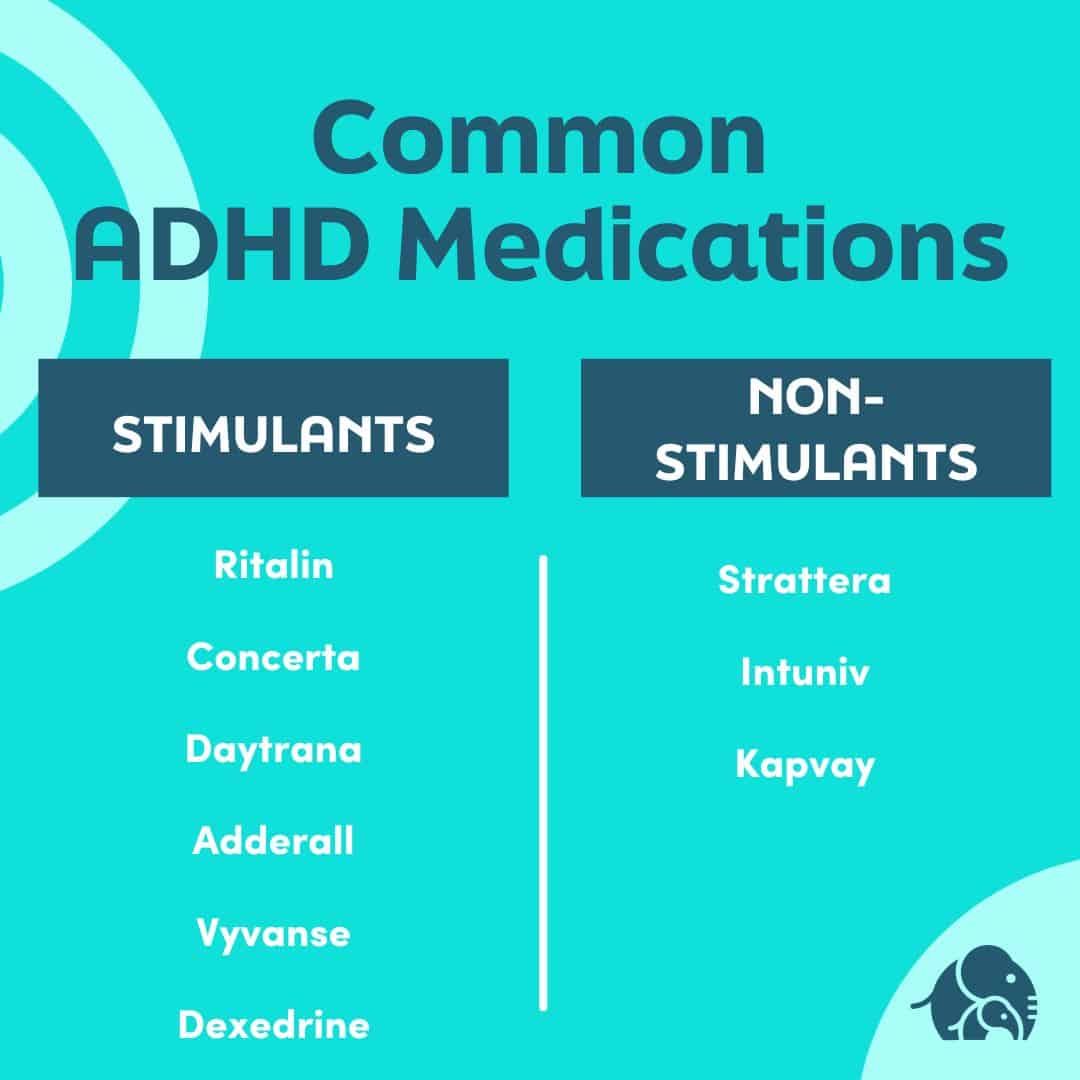
Historically, ADHD treatment has relied heavily on two main classes of medications:
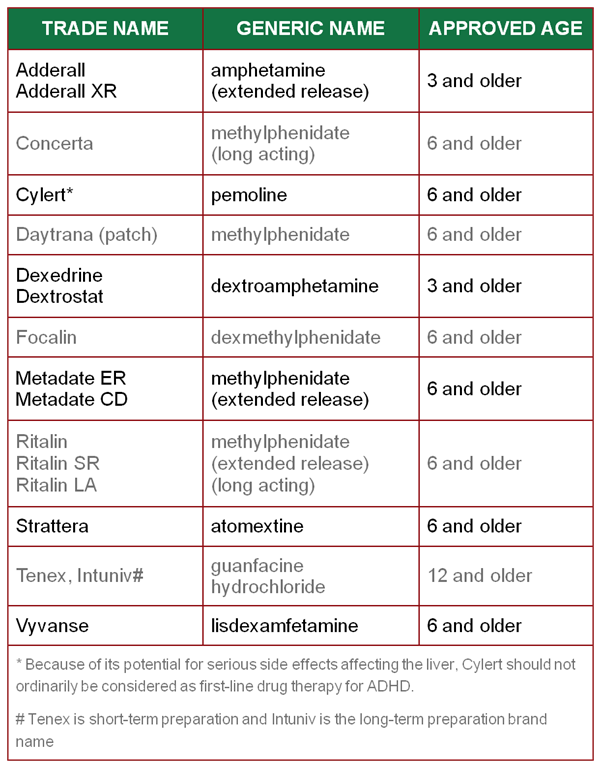
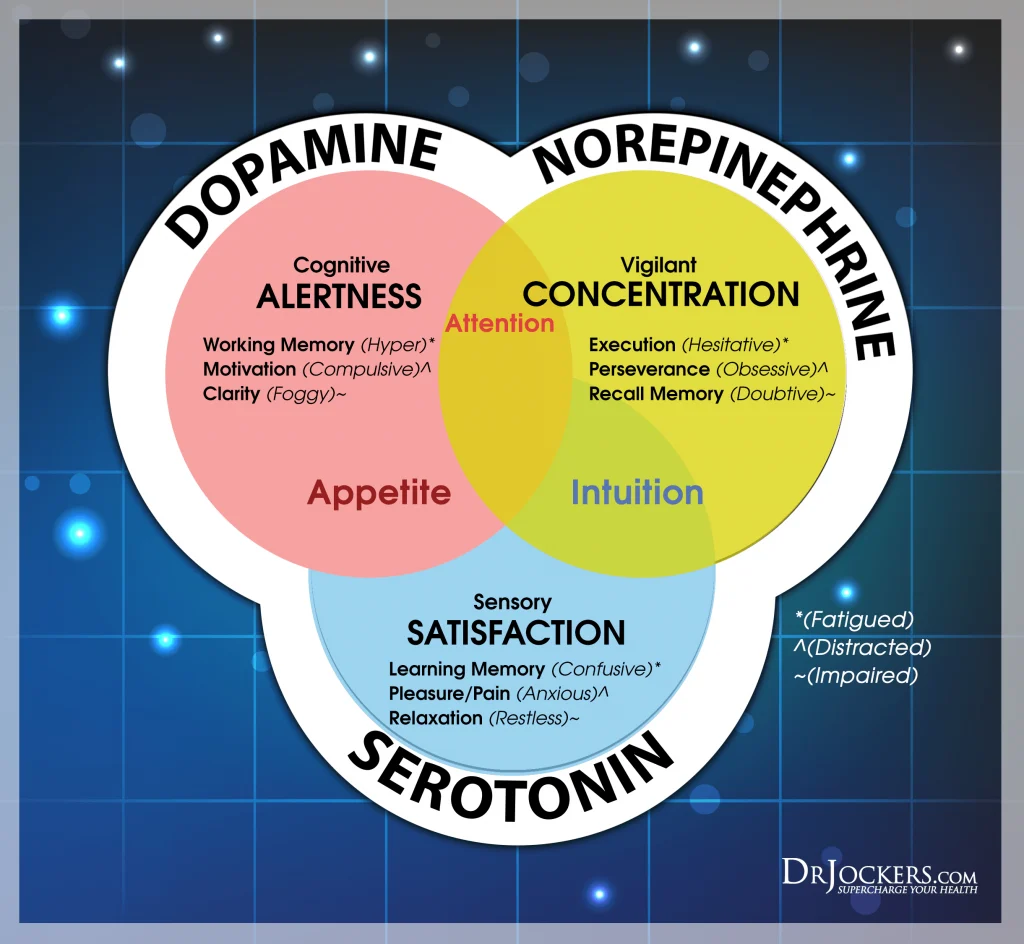
- Stimulants: These are the most commonly prescribed drugs for ADHD, including methylphenidate (e.g., Ritalin, Concerta) and amphetamines (e.g., Adderall, Vyvanse). They work by increasing the levels of dopamine and norepinephrine in the brain, helping to improve focus, reduce impulsivity, and control hyperactivity. Their effectiveness is well-documented, but their precise titration and management are crucial to minimize side effects and optimize benefits.
- Non-Stimulants: For individuals who don’t respond well to stimulants, experience significant side effects, or have co-existing conditions, non-stimulant options such as atomoxetine (Strattera), guanfacine (Intuniv), and clonidine (Kapvay) are available. These drugs work differently, often targeting norepinephrine pathways, and typically have a slower onset of action but offer a non-addictive alternative.
While these drug classes remain central, the clinical journey—from diagnosis to ongoing management—is where technology intercedes, transforming a traditionally analog process into a digitally augmented experience. It’s no longer just about what drugs are prescribed, but how technology helps ensure they work optimally for each individual.
Bridging the Gap: How Tech Supplements Drug Regimens
Technology doesn’t replace medication, but rather acts as a powerful adjunctive tool. Digital platforms and devices are now integral to addressing common challenges associated with ADHD drug therapy, such as forgetfulness, inconsistent dosing, and monitoring treatment response. This integration shifts the focus from a purely biochemical intervention to a holistic, technology-supported strategy that empowers patients and clinicians alike. By offering real-time data and personalized support, technology ensures that the prescribed drugs achieve their maximum therapeutic potential within the patient’s daily life.
Digital Tools Enhancing Medication Adherence and Efficacy
One of the biggest hurdles in ADHD treatment is consistent medication adherence. For individuals struggling with executive function deficits, remembering to take medication at the right time, every day, can be a significant challenge. Technology offers innovative solutions to this problem, leveraging the ubiquity of smartphones and the sophistication of digital health platforms.
Smart Apps for Medication Reminders and Tracking
The market is saturated with mobile applications designed specifically for medication management. These apps go beyond simple alarms; they offer features tailored for ADHD patients:
- Customizable Reminders: Users can set multiple reminders throughout the day for different doses, with options for snooze functionality and visual cues. Some apps even integrate with smart home devices, allowing for audio reminders or visual prompts on screens.
- Dosage Tracking and Logging: Patients can log when they take their medication, track their dosage history, and even record notes about how they felt after taking it. This creates a valuable data log that can be shared with healthcare providers, offering insights into adherence patterns and potential side effects.
- Integration with Calendars and Routines: Many apps allow integration with personal calendars and daily routines, helping patients embed medication taking into existing habits rather than viewing it as a separate chore.
- Educational Content: Some apps provide psychoeducational content about ADHD and its treatment, helping patients understand their medication better, which can further improve adherence and engagement.
Examples like Medisafe, MyTherapy, and specific ADHD management apps (e.g., Trello or Asana adapted for personal use, or dedicated ADHD organizers) are transforming how patients interact with their prescribed drug regimens, turning a potential point of failure into an opportunity for consistent engagement.
Wearable Technology for Symptom Monitoring and Lifestyle Integration
Beyond direct medication management, wearable devices are emerging as powerful tools for monitoring the broader impact of ADHD drugs on daily functioning and lifestyle.
- Activity and Sleep Tracking: Many ADHD medications can affect sleep patterns and energy levels. Wearables like smartwatches and fitness trackers can passively collect data on sleep duration, quality, heart rate variability, and activity levels. This objective data provides a clearer picture of how a medication is impacting a patient’s overall well-being, helping clinicians fine-tune dosages or timing.
- Stress and Focus Indicators: While still evolving, some advanced wearables and companion apps attempt to measure physiological indicators of stress or periods of deep focus. This data, when correlated with medication intake, could provide insights into a drug’s efficacy in different real-world scenarios, moving beyond subjective self-reporting.
- Biofeedback and Neurofeedback Integration: While not directly drug-related, some wearables incorporate biofeedback mechanisms to help individuals regulate their attention and arousal levels, often used in conjunction with medication. This dual approach leverages the pharmacological effects of drugs while empowering patients with self-regulation techniques supported by real-time physiological data.
By providing continuous, passive data collection, wearables help paint a more comprehensive picture of treatment effectiveness, allowing for data-driven adjustments to medication plans that are precisely tailored to an individual’s unique response and lifestyle.
AI and Data Analytics in Personalized ADHD Care
The future of ADHD drug treatment lies in personalization—moving away from a “one-size-fits-all” approach to one that leverages vast datasets and artificial intelligence to predict and optimize individual responses to medication. AI and data analytics are poised to revolutionize how drugs are selected, dosed, and managed for ADHD.
Precision Medicine: Tailoring Drug Selection with AI
The choice of medication for ADHD can often involve a trial-and-error process, which can be frustrating and time-consuming for patients. AI has the potential to dramatically refine this process:
- Predictive Analytics for Treatment Response: By analyzing a patient’s genetic profile, neuroimaging data, demographic information, co-occurring conditions, and previous treatment history, AI algorithms can predict which specific stimulant or non-stimulant drug, and at what dosage, is most likely to be effective. This moves ADHD treatment towards a precision medicine model, where interventions are precisely tailored to an individual’s biological and clinical profile.
- Biomarker Identification: AI can process complex biological data (e.g., genetic markers, proteomic data) to identify specific biomarkers that correlate with a better response to certain drugs. This could lead to diagnostic tests that guide medication choice even before treatment begins, saving valuable time and reducing the burden of ineffective trials.
These AI-driven insights promise to transform initial drug selection from an educated guess into a data-backed decision, leading to faster symptom relief and a more efficient treatment journey.
Predictive Analytics for Treatment Response and Side Effects
Beyond initial selection, AI can continuously monitor and analyze patient data to predict ongoing treatment response and anticipate potential side effects:
- Real-time Efficacy Monitoring: By integrating data from medication adherence apps, wearable devices, and self-reported symptom trackers, AI algorithms can analyze patterns and identify early indicators of dwindling efficacy or the onset of side effects. This allows clinicians to intervene promptly, adjusting dosages or switching medications before problems become entrenched.
- Personalized Side Effect Management: AI can identify specific patient profiles that are more prone to certain side effects with particular drugs. This knowledge empowers clinicians to proactively discuss and prepare for potential adverse reactions, or even recommend alternative medications for those at higher risk. For example, if a patient’s sleep data from a wearable consistently declines after starting a stimulant, AI could flag this for a dosage adjustment or a switch to an extended-release formulation.
By providing continuous, data-driven insights, AI empowers clinicians to manage ADHD drug therapy with unprecedented precision and proactivity, significantly improving patient outcomes and reducing treatment-related burdens.
Telemedicine and Virtual Platforms: Expanding Access to ADHD Management
The COVID-19 pandemic accelerated the adoption of telemedicine, revealing its immense potential to democratize access to healthcare, including ADHD diagnosis and medication management. Virtual platforms have become a critical technological tool in ensuring that patients receive timely and consistent care related to their drug treatments.
Remote Consultations and Prescription Management
Telemedicine platforms allow patients to consult with psychiatrists, neurologists, and primary care physicians from the comfort of their homes. This is particularly beneficial for ADHD patients who may face geographical barriers, transportation issues, or challenges with executive function that make in-person appointments difficult.
- Virtual Diagnostics and Follow-ups: While initial ADHD diagnosis often requires comprehensive in-person evaluation, virtual platforms can facilitate initial screenings and, crucially, ongoing follow-up appointments. These virtual check-ins are essential for monitoring medication effectiveness, assessing side effects, and making necessary dosage adjustments for prescribed drugs.
- E-Prescribing and Pharmacy Integration: Telemedicine platforms seamlessly integrate with e-prescribing systems, allowing clinicians to send prescriptions directly to a patient’s preferred pharmacy. This streamlines the process of obtaining refills, reducing potential delays or administrative hurdles that could lead to medication gaps.
- Digital Health Records: Secure digital health records shared across telemedicine platforms ensure that all patient data, including medication history, treatment plans, and progress notes, are easily accessible to authorized providers, facilitating coordinated care.
By making expert care more accessible, telemedicine ensures that more individuals can access and maintain consistent drug treatment for their ADHD, significantly impacting public health outcomes.
Digital Therapeutics (DTx) as Adjuncts to Medication
Beyond direct consultations, Digital Therapeutics (DTx) are a class of software-driven interventions that deliver evidence-based therapeutic interventions to prevent, manage, or treat a medical disorder or disease. While not drugs themselves, DTx are often used adjunctively with medication to enhance overall treatment efficacy for ADHD.
- Cognitive Training Programs: DTx like EndeavorRx (the first FDA-cleared DTx for ADHD) are designed to improve attention function through engaging digital exercises. When used alongside prescribed medication, these programs can amplify the benefits of drug therapy, targeting cognitive deficits that medication alone might not fully address.
- Behavioral Interventions: Other DTx focus on behavioral modification, helping patients develop coping strategies, organizational skills, and emotional regulation techniques. These digital interventions complement the pharmacological effects of drugs by providing tools for practical daily management, making the overall treatment more comprehensive.
The integration of DTx within a medication regimen represents a sophisticated technological approach to ADHD care, where digital tools work in concert with drugs to produce a more robust and sustainable therapeutic effect.
Future Trends: The Convergence of Neuroscience, Pharma, and AI
The future of what drugs treat ADHD is not just about new molecules, but about how technology will fundamentally alter their discovery, application, and optimization. We are on the cusp of a new era where neuroscience, pharmaceuticals, and AI converge to create unprecedented opportunities for ADHD management.
AI-Driven Drug Discovery for Novel ADHD Treatments
The pharmaceutical industry is increasingly leveraging AI and machine learning to accelerate the discovery of new drugs. For ADHD, this means:
- Target Identification: AI can analyze vast biological datasets to identify novel neurobiological pathways and targets implicated in ADHD pathophysiology, leading to the development of entirely new classes of drugs.
- Molecule Synthesis and Screening: AI algorithms can predict the properties of novel chemical compounds and simulate their interaction with biological targets, significantly reducing the time and cost associated with traditional drug synthesis and in-vitro testing. This could lead to more effective drugs with fewer side effects.
- Repurposing Existing Drugs: AI can identify existing drugs approved for other conditions that might also be effective for ADHD, accelerating their repurposing and getting new treatment options to patients faster.
This AI-driven approach promises to expand the arsenal of pharmacological treatments for ADHD, offering more targeted and effective options in the coming decades.
Brain-Computer Interfaces (BCIs) and Neurofeedback Integration
While currently more experimental, Brain-Computer Interfaces (BCIs) and advanced neurofeedback technologies represent the ultimate convergence of neuroscience and technology in ADHD management.
- Direct Neuro-Modulation: In the distant future, BCIs could potentially offer highly targeted neuro-modulation, directly influencing brain activity patterns associated with ADHD symptoms. This could work either in conjunction with or as an alternative to systemic drug delivery, providing a level of precision currently unimaginable.
- Enhanced Neurofeedback: Advanced neurofeedback systems, often using AI to interpret brain wave patterns, can train individuals to self-regulate brain activity. While not drugs, these technologies could become sophisticated adjuncts, helping patients maximize their cognitive control, thereby potentially reducing the required dosage of medication or enhancing its effects.
These futuristic technologies hint at a paradigm shift where the lines between pharmacological intervention, digital therapy, and direct brain modulation become increasingly blurred, all driven by sophisticated technological advancements.
In conclusion, while the question “what drugs treat ADHD” elicits a direct pharmacological answer, the contemporary and future landscape of ADHD care is inextricably linked to technology. From ubiquitous smartphone apps that ensure medication adherence to sophisticated AI algorithms that personalize drug selection and discovery, technology is transforming every facet of ADHD drug treatment. It’s creating a more intelligent, accessible, and individualized approach to care, ensuring that individuals with ADHD can achieve optimal outcomes through a powerful blend of effective medication and cutting-edge digital innovation.
aViewFromTheCave is a participant in the Amazon Services LLC Associates Program, an affiliate advertising program designed to provide a means for sites to earn advertising fees by advertising and linking to Amazon.com. Amazon, the Amazon logo, AmazonSupply, and the AmazonSupply logo are trademarks of Amazon.com, Inc. or its affiliates. As an Amazon Associate we earn affiliate commissions from qualifying purchases.