
Drug testing has evolved significantly from rudimentary observation to sophisticated laboratory analysis, driven by continuous advancements in technology. At its heart, detecting illicit or unauthorized substances in biological samples is a triumph of scientific engineering, utilizing a range of tools, software, and increasingly, artificial intelligence. Understanding what drugs tests detect is fundamentally about understanding the technological capabilities that enable this detection, from the initial screening to the confirmatory analysis, and the digital infrastructure that secures and manages the sensitive data generated.
This article delves into the technological underpinnings of modern drug testing, exploring the cutting-edge methods and digital solutions that empower laboratories and organizations to accurately identify a wide spectrum of substances. We’ll examine the core technologies, the role of AI and specialized software, and the critical importance of digital security in maintaining the integrity and privacy of drug test results.

The Core Technologies Powering Drug Detection
The ability to detect a diverse array of drugs hinges on a suite of specialized technologies, each playing a distinct role in the detection pipeline. From initial rapid screenings to highly precise confirmatory tests, these technologies are engineered to identify specific molecular signatures within complex biological matrices.
Immunoassay Screening: The First Line of Defense
Immunoassay technology forms the backbone of most initial drug screenings due to its speed, cost-effectiveness, and ability to detect multiple substances simultaneously. This technology relies on the highly specific interaction between antibodies and drug molecules (or their metabolites). In essence, a biological sample (most commonly urine) is introduced to a testing device containing antibodies designed to bind to specific drug compounds.
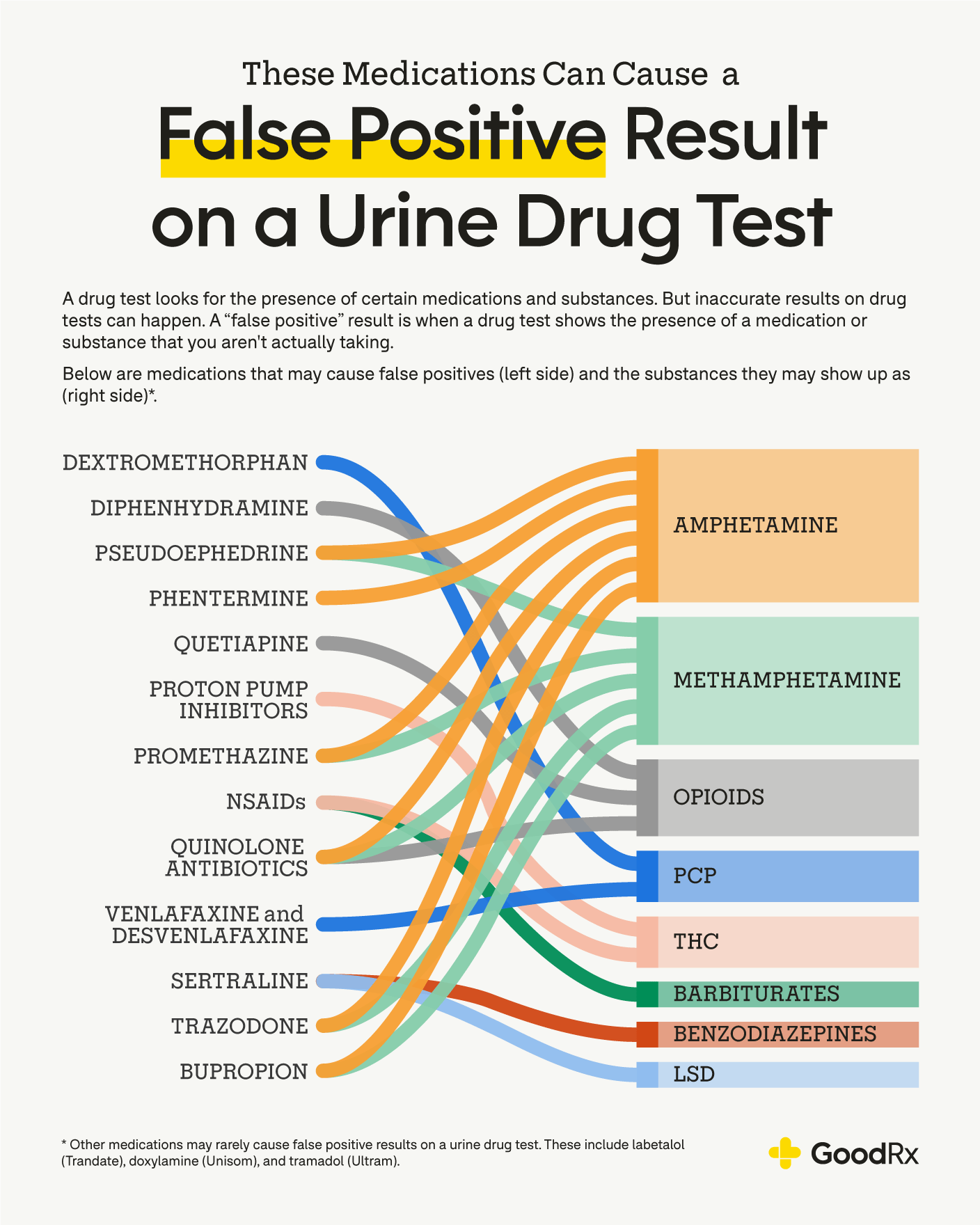
The technological principle involves competitive binding or sandwich assays. If the target drug is present in the sample, it competes with a labeled drug analog for binding sites on the antibodies. The presence or absence of a visual signal (e.g., a colored line, a change in fluorescence) indicates a presumptive positive or negative result. While robust for initial screening, immunoassays are not flawless; they can produce false positives due to cross-reactivity with structurally similar compounds (e.g., certain cold medications reacting as amphetamines). This limitation underscores the need for more advanced confirmatory technologies.
Confirmatory Gas Chromatography-Mass Spectrometry (GC-MS): Precision Engineering
When an immunoassay yields a presumptive positive result, the sample is typically sent for confirmatory testing using highly precise technologies like Gas Chromatography-Mass Spectrometry (GC-MS) or Liquid Chromatography-Mass Spectrometry (LC-MS). These methods represent the gold standard in forensic toxicology due to their unparalleled accuracy and specificity.
GC-MS separates chemical mixtures into individual components and then identifies them based on their unique mass-to-charge ratios.
- Gas Chromatography (GC): The sample is first vaporized and carried by an inert gas through a long, thin capillary column. Different compounds travel at different speeds based on their chemical and physical properties, effectively separating the mixture. This separation capability is a feat of microfluidics and material science, optimizing surface chemistry and column length for maximal resolution.
- Mass Spectrometry (MS): As each separated compound exits the GC column, it enters the mass spectrometer. Here, an electron beam ionizes the molecules, breaking them into characteristic fragments. The mass spectrometer then measures the mass-to-charge ratio of these fragments, generating a unique spectral fingerprint for each compound. This fingerprint is compared against extensive digital libraries of known drug spectra, providing definitive identification and quantification. The precision of MS technology allows for the detection of drugs and metabolites at extremely low concentrations, enhancing the sensitivity of the overall test.
Beyond Urine: Hair Follicle and Oral Fluid Testing Innovations
While urine remains the most common sample type, technological advancements have enabled reliable drug detection in other matrices, each offering unique advantages and detection windows.
- Hair Follicle Testing: This method can detect drug use over a significantly longer period (typically up to 90 days), offering a broader historical picture of drug consumption. The technology involves chemically extracting drug metabolites that become incorporated into the hair shaft through the bloodstream. Specialized liquid chromatography-tandem mass spectrometry (LC-MS/MS) systems are frequently employed due to their high sensitivity and specificity in analyzing these trace amounts of compounds in a complex hair matrix. Sample preparation often includes washing procedures to rule out external contamination.
- Oral Fluid (Saliva) Testing: This non-invasive method is excellent for detecting recent drug use (within hours to a few days). The technology relies on the presence of the parent drug and its metabolites in saliva. Collection devices often incorporate an absorbent pad that is then analyzed using immunoassay screens and confirmed with LC-MS/MS. Oral fluid testing is gaining popularity for its ease of collection and reduced invasiveness, making it suitable for roadside testing or on-site workplace screenings where immediate results are beneficial.
Advancements in Detection: Leveraging AI and Software
The sheer volume of data generated by drug tests, coupled with the increasing complexity of new synthetic drugs, has spurred the integration of advanced computing technologies, including artificial intelligence and sophisticated laboratory software.
AI in Drug Test Analysis: Enhancing Accuracy and Speed

Artificial intelligence, particularly machine learning algorithms, is beginning to revolutionize drug test analysis by enhancing accuracy, speed, and predictive capabilities.
- Automated Data Interpretation: AI algorithms can be trained on vast datasets of GC-MS and LC-MS spectra to identify drug metabolites and flag anomalies more rapidly and consistently than human analysts. This reduces human error and accelerates the turnaround time for results.
- Novel Drug Identification: With the continuous emergence of new psychoactive substances (NPS), AI can play a crucial role in identifying novel compounds. Machine learning models can analyze unknown spectral patterns and compare them against vast databases, even predicting the chemical structure of new drugs based on their fragmentation patterns, thus aiding in the rapid development of new detection assays.
- Quality Control and Anomaly Detection: AI-driven systems can monitor laboratory instrumentation in real-time, detecting subtle shifts or deviations that might indicate calibration issues or sample contamination, thereby maintaining the highest standards of quality control.
Laboratory Information Management Systems (LIMS): Streamlining Data and Security
Modern drug testing laboratories are heavily reliant on Laboratory Information Management Systems (LIMS) – sophisticated software platforms designed to manage and track samples, tests, results, and reporting. LIMS are central to the operational efficiency and data integrity of any high-throughput testing facility.
- Sample Tracking and Chain of Custody: LIMS employs digital tracking systems, often integrated with barcode or RFID technology, to meticulously document the journey of each sample from collection to final disposition. This ensures an unbroken chain of custody, a critical legal requirement for forensic testing.
- Automated Workflow and Instrument Integration: LIMS can integrate directly with analytical instruments (GC-MS, LC-MS, immunoassays), automatically collecting raw data, performing calculations, and flagging results that require further review. This automation significantly reduces manual data entry errors and streamlines the entire testing process.
- Reporting and Archiving: The software facilitates the generation of comprehensive, legally defensible reports, often with digital signatures. All data and reports are securely archived, allowing for easy retrieval and auditing, contributing to transparency and regulatory compliance.
Digital Security and Privacy in Drug Test Data Management
The sensitive nature of drug test results necessitates robust digital security measures to protect individual privacy and maintain the integrity of the data. As more aspects of drug testing become digitized, the focus on cybersecurity intensifies.
Protecting Sensitive Results: Encryption and Access Controls
The digital security framework for drug test data is built on several key technological pillars:
- End-to-End Encryption: All data, from instrument outputs to final reports, must be encrypted both in transit (e.g., using TLS/SSL protocols for data transfer) and at rest (e.g., encrypted databases). This ensures that even if unauthorized access occurs, the data remains unintelligible.
- Role-Based Access Controls (RBAC): Access to drug test results and associated personal information is strictly controlled based on an individual’s role and need-to-know. LIMS and other data management platforms implement granular permissions, ensuring that only authorized personnel can view, edit, or disseminate specific information. This prevents unauthorized browsing or data manipulation.
- Audit Trails: Every interaction with the data—who accessed it, when, and what changes were made—is meticulously logged. These immutable audit trails are crucial for accountability, detecting suspicious activity, and demonstrating compliance with privacy regulations (e.g., HIPAA).
- Secure Infrastructure: Data is typically stored in highly secure, often cloud-based, environments that comply with stringent security standards, featuring firewalls, intrusion detection systems, and regular vulnerability assessments.
Blockchain for Data Integrity: A New Frontier
Emerging technologies like blockchain are being explored to further enhance the security and integrity of drug test data. Blockchain, a distributed ledger technology, offers an immutable and transparent record of transactions.
- Immutable Record Keeping: Each drug test result and associated metadata could be recorded as a block in a secure blockchain. Once a block is added, it cannot be altered or deleted, creating an unchangeable and verifiable history of the data. This could profoundly strengthen the chain of custody and the trustworthiness of results.
- Enhanced Data Sharing with Privacy: Blockchain can facilitate secure and verifiable sharing of drug test results between authorized parties (e.g., laboratories, employers, medical professionals) while maintaining privacy through cryptographic techniques and smart contracts that govern data access. While still largely in the conceptual and pilot stages for sensitive health data, blockchain holds immense promise for the future of digital security in drug testing.
The Spectrum of Detectable Substances Through Technology
The technologies discussed enable the detection of a broad range of drugs and their metabolites. The “what drugs” question is therefore answered by the “how”—how these technological systems are designed to identify specific chemical compounds.
Common Drug Classes and Their Detection Windows
Drug tests are typically designed to detect the following common classes of drugs, with detection windows varying significantly based on the type of test (urine, hair, oral fluid), drug metabolism, dosage, and frequency of use:
- Cannabinoids (e.g., THC): Detected via immunoassay for metabolites like THCCOOH, confirmed by GC-MS/LC-MS. Detection windows can range from a few days to over a month in urine, and up to 90 days in hair.
- Cocaine (and its metabolites): Benzoylecgonine is the primary metabolite tested. Readily detected in urine for 2-4 days, in oral fluid for 1-2 days, and in hair for up to 90 days.
- Amphetamines and Methamphetamines: Detected directly. Common in urine for 2-4 days, oral fluid for 1-2 days, and hair for up to 90 days.
- Opioids (e.g., Morphine, Codeine, Heroin, Oxycodone, Fentanyl): Detection varies by specific opioid and its metabolites. Urine tests typically detect within 1-3 days, oral fluid 1-2 days, and hair up to 90 days. Synthetic opioids like fentanyl require specific, highly sensitive assays.
- Phencyclidine (PCP): Detectable in urine for 1-2 weeks, oral fluid for 1-2 days, and hair for up to 90 days.
Emerging Substances and the Challenge for Detection Tech
The constant evolution of the illicit drug market, particularly the proliferation of New Psychoactive Substances (NPS) and designer drugs (e.g., synthetic cannabinoids, synthetic cathinones, novel benzodiazepines), poses a continuous challenge for detection technologies. Laboratories must constantly update their analytical methods and expand their spectral libraries to keep pace. This often involves:
- Developing new immunoassay panels: Custom antibodies are needed for new compounds.
- Updating GC-MS/LC-MS methodologies: New reference standards and optimized analytical parameters are required to identify these evolving chemical structures.
- Leveraging AI for rapid identification: As mentioned, AI’s ability to analyze novel spectral data is becoming indispensable in this arms race against ever-changing drug compounds.
In conclusion, the question of “what drugs do drug tests detect” is intricately linked to the “how” of detection, which is unequivocally a domain of advanced technology. From the foundational principles of immunoassay and mass spectrometry to the cutting-edge applications of AI, specialized software, and robust digital security frameworks, technology forms the bedrock of accurate, reliable, and secure drug testing. As drug compounds continue to evolve, so too will the technological innovations driving their detection, ensuring that the field remains at the forefront of forensic science and public health.
aViewFromTheCave is a participant in the Amazon Services LLC Associates Program, an affiliate advertising program designed to provide a means for sites to earn advertising fees by advertising and linking to Amazon.com. Amazon, the Amazon logo, AmazonSupply, and the AmazonSupply logo are trademarks of Amazon.com, Inc. or its affiliates. As an Amazon Associate we earn affiliate commissions from qualifying purchases.