
Anaphylaxis is a term that strikes fear into the hearts of many, signifying a severe, potentially life-threatening allergic reaction. In its most basic medical sense, it refers to a rapid-onset, systemic hypersensitivity reaction that can cause death. Understanding its profound implications, both medically and socially, has driven significant research and development. In the modern era, our grasp of anaphylaxis, and our capacity to combat its dangers, is increasingly shaped and amplified by the relentless march of technological innovation. From predictive algorithms that identify at-risk individuals to wearable devices that monitor vital signs and smart auto-injectors that guide emergency response, technology is not just informing us what anaphylaxis means; it’s redefining how we perceive, prevent, and react to it. This article delves into the meaning of anaphylaxis through a technological lens, exploring how digital tools, artificial intelligence, and connected devices are transforming our understanding and approach to this critical medical emergency.

Redefining Anaphylaxis Understanding Through Digital Innovation
The foundational understanding of anaphylaxis, its triggers, symptoms, and mechanisms, has long been the domain of clinical research and medical education. However, in an increasingly digital world, technology is revolutionizing how this core knowledge is disseminated, interpreted, and acted upon. It moves beyond static textbook definitions, imbuing the term with dynamic, actionable insights derived from vast datasets and real-time monitoring.
The Core Medical Definition and Its Digital Translation
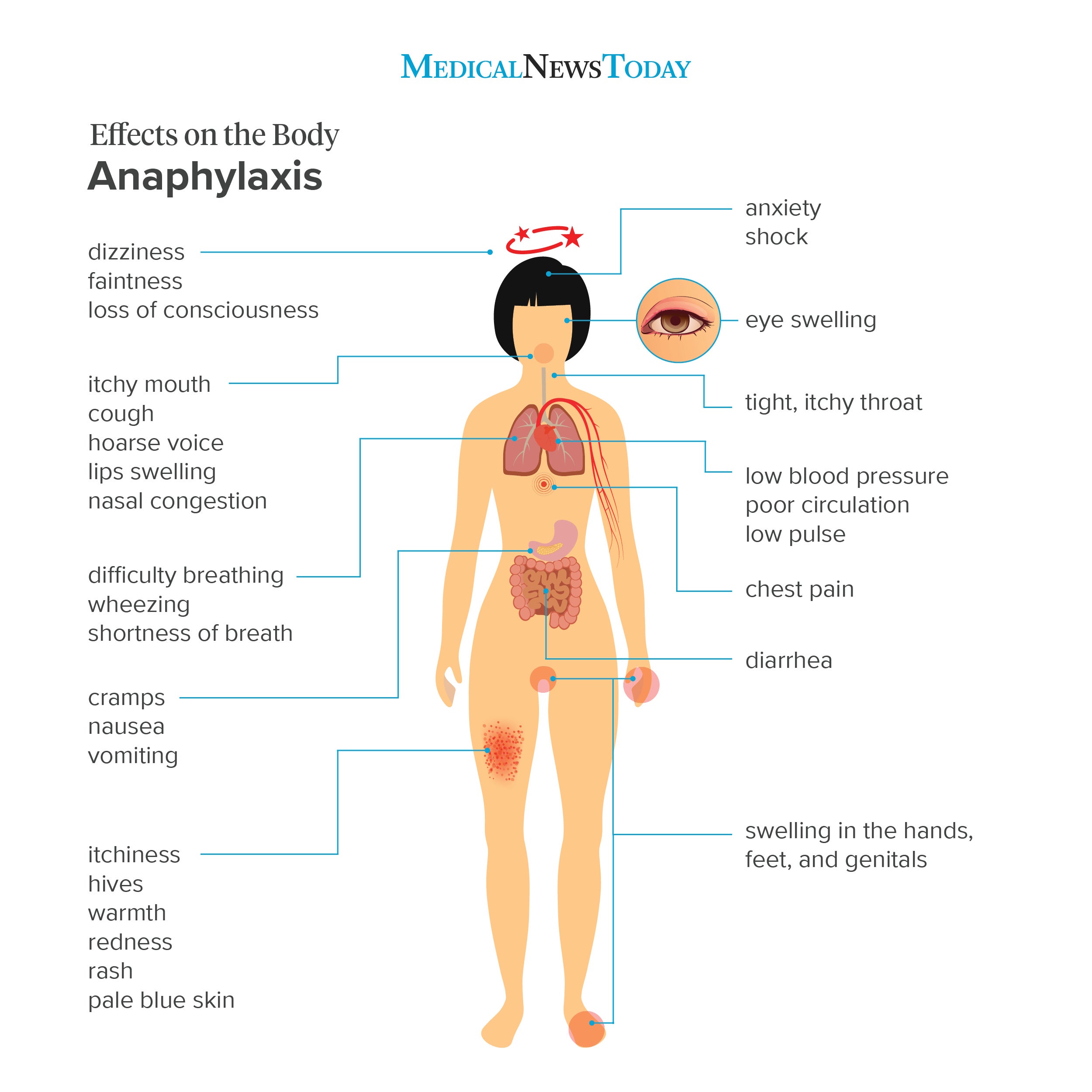
Medically, anaphylaxis is defined by its rapid onset and severe systemic symptoms, often involving multiple organ systems. It’s triggered by an allergen, leading to the sudden release of mediators from mast cells and basophils, causing symptoms like skin rashes, swelling, airway constriction, gastrointestinal issues, and a dangerous drop in blood pressure. Traditionally, this complex information was communicated through lectures, medical journals, and patient brochures. Today, digital platforms transform this. Interactive apps provide visual symptom checkers, animated explanations of physiological processes, and personalized action plans. E-learning modules for healthcare professionals simulate scenarios, enhancing diagnostic accuracy and treatment proficiency. For patients and caregivers, easily accessible, verified online resources and mobile applications distill complex medical information into understandable, actionable content, empowering them with knowledge at their fingertips. This digital translation ensures that the definition of anaphylaxis isn’t just known, but deeply understood and internalized by a broader audience, fostering better preparedness and response.
Why Technological Insight is Crucial for Rapid Response
The essence of managing anaphylaxis lies in speed: rapid recognition, rapid intervention, and rapid administration of epinephrine. Delays can be fatal. Technological insights are crucial because they significantly reduce these critical timeframes. Digital health tools offer immediate access to personalized emergency action plans, guiding individuals step-by-step through a crisis. Wearable sensors can detect subtle physiological changes indicative of an impending reaction, providing earlier warnings than human observation alone. AI-powered diagnostics can process symptoms and patient history at speeds impossible for a human clinician, aiding in quick and accurate differentiation from other conditions. Moreover, integrated systems can automatically alert emergency services, share critical patient data, and even locate the nearest medical facility, streamlining the entire emergency response chain. This technological acceleration of insight and action directly translates into improved patient outcomes, underscoring why innovation is not just beneficial, but essential in the context of anaphylaxis.
AI and Machine Learning: Foresight and Precision in Anaphylaxis Management
The sheer volume of medical data – from patient histories and genetic profiles to environmental factors and drug interactions – makes it a perfect domain for artificial intelligence and machine learning. These advanced technologies are moving beyond reactive treatment, offering unprecedented capabilities for foresight and precision in managing anaphylaxis.
Predictive Analytics for Risk Assessment
One of the most promising applications of AI in anaphylaxis care is predictive analytics. Machine learning algorithms can analyze vast datasets, including electronic health records, genomic data, environmental exposures, and lifestyle factors, to identify patterns and correlations that indicate a heightened risk of anaphylaxis. For instance, AI can process genetic predispositions to certain allergies, historical reaction severity, co-morbidities like asthma, and even geo-location data on allergen prevalence (e.g., pollen counts). This enables healthcare providers to create more accurate individual risk profiles, moving from broad population-level risk assessments to highly personalized predictions. For pharmaceutical companies and public health organizations, predictive analytics can identify at-risk populations, enabling targeted interventions, educational campaigns, and resource allocation, thereby reducing the overall incidence and severity of anaphylactic episodes.
AI-Powered Diagnostic Tools and Clinical Decision Support
When anaphylaxis strikes, accurate and rapid diagnosis is paramount. AI-powered diagnostic tools are emerging as invaluable assets in this critical window. These systems can quickly analyze a patient’s symptoms, vital signs, and medical history against a comprehensive database of clinical knowledge and past cases, helping clinicians differentiate anaphylaxis from conditions with similar symptoms (like asthma attacks, panic attacks, or fainting). Furthermore, AI can provide clinical decision support by recommending optimal treatment protocols based on the patient’s specific profile, current guidelines, and even recent research findings. This ensures that the most effective and up-to-date care is administered, reducing diagnostic errors and improving the speed and efficacy of interventions, especially crucial in high-stress emergency settings where human cognitive load is immense.
The Internet of Medical Things (IoMT) and Wearables in Real-time Anaphylaxis Care
The proliferation of connected devices, collectively known as the Internet of Medical Things (IoMT), is transforming passive health monitoring into proactive, real-time intervention. For anaphylaxis, this means moving beyond a reactive approach to one that constantly monitors, alerts, and assists.

Continuous Monitoring and Early Warning Systems
Wearable technology is evolving rapidly, from smartwatches to advanced biosensors integrated into clothing or patches. These devices can continuously monitor vital signs such as heart rate, respiratory rate, blood pressure, skin temperature, and even oxygen saturation. For individuals with known severe allergies, this capability is revolutionary. Should a person inadvertently encounter an allergen, these wearables could potentially detect subtle physiological changes indicative of an impending anaphylactic reaction—such as a sudden drop in blood pressure or an increase in heart rate—even before overt symptoms appear. An integrated early warning system could then alert the individual, their caregivers, and designated emergency contacts via a smartphone app, providing precious extra minutes for intervention and preparation, turning a potential catastrophe into a managed incident.
Connected Auto-injectors and Emergency Response Facilitation
Epinephrine auto-injectors are the cornerstone of anaphylaxis treatment. The “smart” auto-injector represents a significant leap forward. These devices incorporate Bluetooth connectivity and GPS capabilities. When activated, a smart auto-injector can provide real-time audio and visual instructions on correct usage, a vital feature during high-stress situations. Crucially, upon activation, it can automatically trigger an alert to a pre-programmed network of family members, caregivers, and emergency services, transmitting the user’s precise location. This not only ensures that help is on the way promptly but also provides first responders with critical information about the patient’s condition and the nature of the emergency before they even arrive, streamlining the entire emergency response process and maximizing the chances of a positive outcome.
Digital Health Platforms: Education, Support, and Telemedicine for Allergy Sufferers
Beyond physical devices, the digital realm offers a wealth of platforms designed to educate, support, and connect individuals managing anaphylaxis. These platforms foster a proactive, informed community, making the journey of living with severe allergies less isolating and more manageable.
Empowering Patients Through Dedicated Mobile Applications and Online Resources
Mobile applications tailored for allergy management have become indispensable tools for patients and their families. These apps often feature allergy diaries, allowing users to log food intake, potential exposures, and symptom onset, helping to identify triggers more accurately. They can include comprehensive allergen databases, barcode scanners to check product ingredients, and personalized emergency action plans readily accessible offline. Many apps also offer medication reminders for antihistamines or asthma inhalers and push notifications for allergen alerts (e.g., pollen counts). Online communities and forums within these platforms provide a space for peer support, sharing experiences, and finding verified information, transforming passive recipients of care into empowered, active participants in their health management. This digital empowerment helps demystify anaphylaxis, making its meaning tangible and manageable in daily life.
The Role of Telehealth in Allergy Management and Post-Anaphylaxis Follow-up
Telehealth has rapidly expanded, proving particularly beneficial for chronic condition management, including allergies. For individuals with anaphylaxis, virtual consultations allow for convenient access to allergists and immunologists, especially for those in rural areas or with mobility challenges. Patients can discuss symptoms, review medication regimens, and receive updated action plans without needing an in-person visit. Following an anaphylactic episode, telehealth facilitates crucial follow-up care, allowing healthcare providers to assess recovery, adjust management strategies, and provide psychological support without adding the stress of travel. Remote dieticians and nutritionists can offer guidance on allergen-free meal planning, while virtual support groups can address the anxiety and fear often associated with living with severe allergies. This comprehensive digital support ensures continuous, accessible care, making the management of anaphylaxis more holistic and patient-centric.
Emerging Technologies Paving the Way for Future Anaphylaxis Solutions
The innovation pipeline for anaphylaxis care is continuously evolving, with several cutting-edge technologies holding immense promise for transforming how we understand and mitigate the risks associated with this severe condition. These technologies are poised to create a more integrated, secure, and intuitive future for allergy management.
Blockchain for Secure, Interoperable Allergy Health Records
One of the persistent challenges in emergency medical care is the immediate availability of comprehensive patient information, especially critical details like severe allergies. Blockchain technology offers a robust solution for creating secure, immutable, and interoperable health records. Imagine a global “allergy passport” powered by blockchain: critical information about a patient’s specific allergens, reaction history, and emergency contacts could be stored cryptographically. In an emergency, authorized medical personnel could instantly access this vital data, regardless of where the patient is in the world or which healthcare system they typically use. This not only ensures rapid, informed treatment but also protects patient privacy and data integrity, making critical information about anaphylaxis universally accessible when it matters most, reducing the risk of medical errors due to incomplete information.
Virtual and Augmented Reality for Training and Simulation
The ability to effectively manage an anaphylactic emergency hinges on well-practiced protocols and quick decision-making under pressure. Virtual Reality (VR) and Augmented Reality (AR) are revolutionizing training for this. VR simulations can immerse healthcare professionals, first responders, and even family members in realistic anaphylaxis scenarios, allowing them to practice administering epinephrine, monitoring symptoms, and communicating effectively in a safe, controlled environment. These simulations can expose trainees to various triggers and reaction severities, honing their skills and confidence without any real-world risk. AR applications can overlay digital instructions onto a real-world auto-injector, providing step-by-step guidance in real-time during an actual emergency. This experiential learning approach enhances muscle memory, reduces panic, and ultimately improves response efficacy, ensuring that the critical steps for treating anaphylaxis are deeply ingrained and flawlessly executed when lives are on the line.
Conclusion
The term “anaphylaxis” represents a medical emergency that demands immediate, precise action. While its fundamental biological definition remains constant, our modern understanding and capabilities to address it are undergoing a profound transformation, driven largely by technology. From AI-powered diagnostics that predict risk and inform clinical decisions to IoMT devices that offer real-time monitoring and connected emergency response, and digital platforms that empower patients through education and telehealth, technology is intrinsically woven into the fabric of anaphylaxis management. As emerging innovations like blockchain and virtual reality continue to mature, the future promises even greater foresight, precision, and integration in our fight against this life-threatening condition. The meaning of anaphylaxis, therefore, is no longer just a medical definition; it is a dynamic challenge that technology is helping us overcome, making the world a safer place for those at risk.
aViewFromTheCave is a participant in the Amazon Services LLC Associates Program, an affiliate advertising program designed to provide a means for sites to earn advertising fees by advertising and linking to Amazon.com. Amazon, the Amazon logo, AmazonSupply, and the AmazonSupply logo are trademarks of Amazon.com, Inc. or its affiliates. As an Amazon Associate we earn affiliate commissions from qualifying purchases.