
The enigmatic term “Doge,” often seen alongside a wide-eyed Shiba Inu dog and a flurry of multi-colored, grammatically unconventional text, has transcended its origins as a niche internet joke to become a global cultural touchstone. It represents more than just a meme; it embodies a unique brand identity that has captivated millions, fueled a cryptocurrency, and even influenced the broader landscape of digital marketing and community building. To understand what “Doge” truly stands for is to embark on a journey through the evolution of internet culture, the power of viral branding, and the surprising influence of collective digital identity.
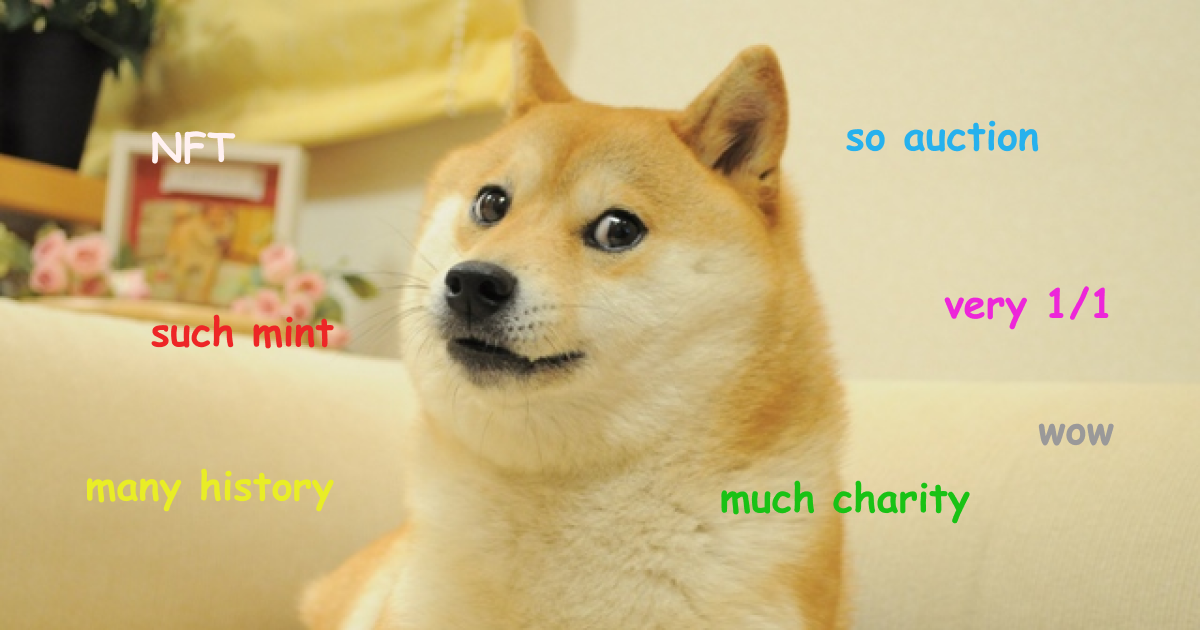
At its core, “Doge” doesn’t stand for an acronym. It’s a deliberate misspelling of the word “dog,” a playful linguistic twist that became the hallmark of a particular internet meme. This seemingly simple origin belies a complex journey that saw a single image and a quirky syntax morph into a symbol of a movement, a currency, and an entire digital persona. It’s a testament to how rapidly and profoundly ideas can spread and acquire new meanings in the interconnected world, creating a brand identity that is both organic and incredibly potent.
The Genesis of a Global Internet Meme
The story of Doge begins not in a boardroom or a tech lab, but in the sprawling, often chaotic, yet endlessly creative realm of the internet. Its initial spark was an image, its fuel was community participation, and its enduring power lies in its adaptability and infectious humor.
From Tumblr to Ubiquity: The Shiba Inu’s Rise
The specific image that launched the Doge phenomenon dates back to 2010 when Japanese kindergarten teacher Atsuko Sato posted photos of her Shiba Inu, Kabosu, on her personal blog. One particular photograph, capturing Kabosu looking sideways with a quizzical, almost knowing expression, quickly gained traction on platforms like Tumblr and Reddit. By late 2013, this image, often paired with comic sans text overlayed in vibrant colors, featuring internal monologues written in broken English, had exploded into a full-fledged meme. Phrases like “such wow,” “very amaze,” “much confuse,” and “so skill” became instantly recognizable. The appeal was multifaceted: the inherent cuteness of the Shiba Inu, the anthropomorphic humor of its imagined thoughts, and the distinct, almost poetic rhythm of the quirky syntax. It was an accessible, shareable, and endlessly customizable format that resonated deeply with internet users, transforming an ordinary pet photo into an extraordinary branding element.
The Linguistic Quirks: “Such Wow,” “Much Amuse”
The unique linguistic style of the Doge meme was not an accidental byproduct; it was a fundamental component of its brand identity. The intentionally broken English, characterized by using adverbs like “much,” “many,” “so,” and “very” with nouns and verbs (“much excite,” “so sad”), created a distinct voice and personality for the meme. This linguistic quirk gave Doge a unique character – an innocent, slightly bewildered, yet endearing persona. It wasn’t just funny; it was charmingly unconventional. This distinct dialect, combined with the playful visual, became an instantly recognizable brand signature. It allowed for creative expression across countless scenarios, making the meme adaptable to a vast array of contexts and ensuring its longevity. This consistency in style, despite varied content, solidified “Doge” as a distinct and memorable brand in the digital lexicon.
Dogecoin: Branding a Cryptocurrency with Culture
The cultural impact of the Doge meme took an unexpected and profound turn in December 2013, when it transitioned from pure internet humor into the world of digital finance. This pivot marked a pivotal moment, showcasing how powerful an established, culturally resonant brand can be, even in an entirely new domain.
A Joke That Became a Digital Asset
Dogecoin was created by software engineers Billy Markus and Jackson Palmer, initially as a lighthearted alternative to Bitcoin. It was conceived as a “joke currency,” a fun, accessible cryptocurrency designed to poke fun at the speculative frenzy surrounding other digital assets. Crucially, they chose the iconic Doge meme as its mascot. This decision was a stroke of branding genius. By adopting an already beloved and widely recognized internet phenomenon, Dogecoin bypassed the traditional challenges of building brand awareness from scratch. It instantly inherited a built-in community, a playful ethos, and a memorable visual identity. The brand was inherently less intimidating and more approachable than its more serious counterparts, which resonated with a segment of the online population seeking something different. Dogecoin didn’t need to explain what it was; its brand, deeply embedded in internet culture, did the heavy lifting.
The Power of Community and Viral Marketing
One of the most defining aspects of Dogecoin’s branding strategy, albeit largely organic, was its reliance on community and viral marketing. Unlike traditional corporate branding, Dogecoin’s growth was fueled by decentralized, grassroots efforts. The Doge community, known for its generosity and humor, engaged in numerous charitable and attention-grabbing stunts. Famously, they raised over $30,000 in Dogecoin to send the Jamaican bobsled team to the 2014 Sochi Winter Olympics, a feat that garnered global media attention. They also sponsored a NASCAR driver, Josh Wise, by featuring the Doge logo on his car, dubbed the “Dogecar.” These initiatives weren’t just about philanthropy; they were brilliant, community-driven marketing campaigns that amplified the Dogecoin brand far beyond what any traditional advertising budget could achieve. They showcased Doge as a currency for good, a symbol of collective action, and a beacon of fun in a often-serious financial world. This ethos became a core part of the Doge brand narrative, distinguishing it from other cryptocurrencies.

Elon Musk and the Celebrity Endorsement Effect
While Dogecoin’s early growth was driven by its community, its later surge in popularity, particularly in 2021, was undeniably amplified by high-profile celebrity endorsements, most notably from Tesla CEO Elon Musk. Musk’s frequent tweets and public comments about Dogecoin, often humorous and meme-driven, catapulted the cryptocurrency into mainstream consciousness. He dubbed himself the “Dogefather,” further cementing his association with the brand. This celebrity endorsement had an immediate and dramatic impact on Dogecoin’s price and market capitalization. It wasn’t just about financial speculation; it was about the validation of a brand by a widely recognized figure. Musk’s alignment with Doge reinforced its image as a currency for the people, a playful challenger to traditional finance, and a symbol of innovation. This phenomenon highlighted how digital brands, especially those with strong cultural ties, can be profoundly influenced by influencers, blurring the lines between finance, technology, and entertainment. The “meme stock” phenomenon of the era further underscored the power of collective digital sentiment and celebrity endorsement in driving brand value.
Beyond the Hype: Doge as a Cultural Touchstone
The enduring appeal of Doge extends far beyond its volatile market performance or the fleeting nature of internet trends. It has cemented its place as a significant cultural touchstone, embodying certain values and illustrating crucial aspects of contemporary digital branding.
Symbol of Decentralization and Playfulness
In a world often dominated by serious corporate entities and complex financial instruments, Doge offers a refreshing contrast. It stands for a spirit of decentralization not just in its blockchain technology, but in its very brand identity. It was born from the collective humor of the internet, not from a marketing department. This origin story imbues Doge with an authentic, grassroots feel that many traditional brands struggle to achieve. Its inherent playfulness acts as a counter-narrative to the often-intense and high-stakes world of cryptocurrency. Doge suggests that finance can be fun, accessible, and community-driven, rather than exclusive and intimidating. This lighthearted approach has allowed it to resonate with a broad audience, appealing to those who might be turned off by the perceived seriousness or complexity of other digital assets. The Doge brand, therefore, signifies a more inclusive and less hierarchical approach to digital culture and finance.
The Evolution of Internet Culture and Branding
The journey of “Doge” is a powerful case study in the evolution of internet culture and its profound impact on branding. It demonstrates how organic, user-generated content can become a formidable brand asset. Unlike traditional branding, which often involves top-down control and extensive advertising campaigns, Doge’s brand was built from the bottom up. It thrived on participation, adaptation, and shared humor. This model of branding is increasingly relevant in the digital age, where authenticity, community engagement, and viral shareability are paramount. Doge taught us that a brand doesn’t always need a multi-million-dollar budget; it needs a compelling narrative, a relatable character, and a community willing to champion it. It showed how a simple, visually distinct meme could transcend language barriers and cultural differences to become universally understood, a truly global brand symbol created by and for the internet.
Brand Legacy: What “Doge” Represents Today
Today, “Doge” continues to hold significant cultural and, for many, financial relevance. Its legacy is a testament to the power of digital communities, the enduring appeal of humor, and the unpredictable nature of internet phenomena.
A Testament to Virality and Adaptability
The fact that “Doge” remains a recognizable and often-referenced meme and cryptocurrency years after its initial explosion speaks volumes about its virality and adaptability. Many memes fade into obscurity as quickly as they emerge, but Doge has persisted, continuously finding new life in various contexts. This resilience is a key characteristic of a strong brand. It has adapted to new platforms, new cultural moments, and new interpretations, all while retaining its core identity of the quirky Shiba Inu and its unique linguistic style. This adaptability has allowed the Doge brand to stay relevant, engaging new generations of internet users and cementing its place in digital history. It’s a powerful illustration that true virality, combined with a flexible identity, can create a brand with remarkable staying power.

The Enduring Appeal of the Underdog
Perhaps what “Doge” stands for most profoundly today is the enduring appeal of the underdog. Born as a joke, dismissed by many as trivial, Dogecoin, fueled by the Doge brand, has consistently defied expectations. Its initial playful creation and community-driven ethos positioned it as an anti-establishment force, a quirky challenger to the serious world of finance. This “underdog” narrative resonates deeply with many, who feel disconnected from traditional power structures. Doge represents a possibility for ordinary people to collectively create value, challenge norms, and participate in a movement that started from a place of pure amusement. It embodies a democratic spirit, a reminder that innovation and influence can emerge from unexpected places, proving that sometimes, the most lighthearted ideas can have the most serious and lasting impact.
In conclusion, “Doge” doesn’t stand for an abbreviation or a technical term. It stands for a meme, a movement, a currency, and a cultural phenomenon. It symbolizes the unexpected power of internet culture to forge a powerful brand identity, built on humor, community, and an enduring spirit of playfulness. It reminds us that in the digital age, a brand’s most valuable asset might just be its authenticity and its ability to connect with people on a deeply human – or rather, canine – level.
aViewFromTheCave is a participant in the Amazon Services LLC Associates Program, an affiliate advertising program designed to provide a means for sites to earn advertising fees by advertising and linking to Amazon.com. Amazon, the Amazon logo, AmazonSupply, and the AmazonSupply logo are trademarks of Amazon.com, Inc. or its affiliates. As an Amazon Associate we earn affiliate commissions from qualifying purchases.