
In an increasingly interconnected world, the landscape of business and consumer interaction has been irrevocably reshaped by digital technologies. For any modern enterprise, from burgeoning startups to established multinational corporations, understanding “what does digital marketing include” is not merely an advantage—it is a fundamental imperative for survival and growth. Digital marketing encompasses a vast and intricate ecosystem of strategies, channels, and tools designed to promote products, services, and ultimately, brands, across digital platforms. Far beyond simple online advertising, it is a holistic discipline that builds brand awareness, fosters customer relationships, drives engagement, and ultimately contributes to the bottom line by leveraging the power of the internet and mobile devices.
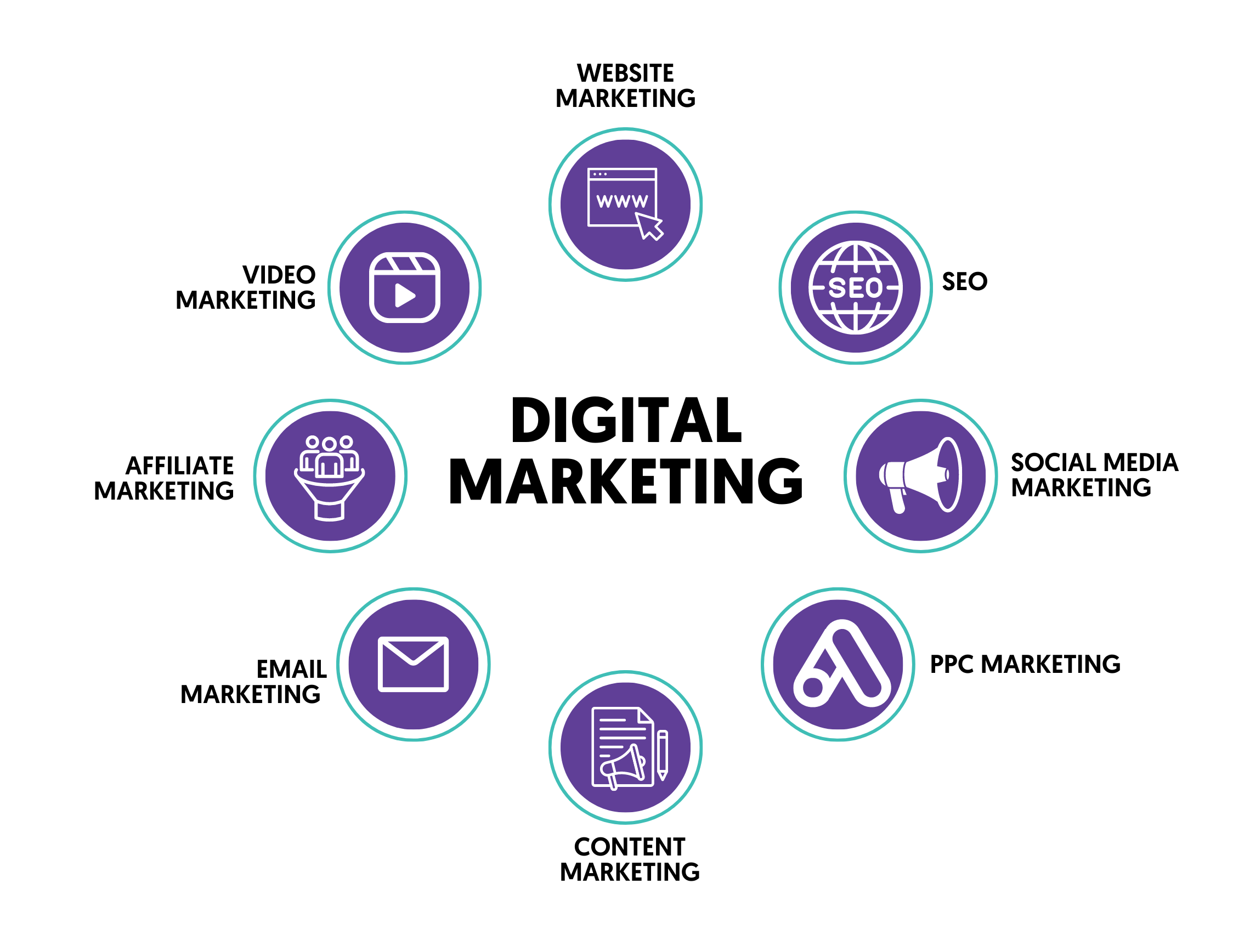
At its core, digital marketing is the application of marketing principles using digital channels to connect with target audiences. This connection is dynamic, measurable, and often highly personalized, allowing brands to tell their stories, understand their customers, and adapt their strategies with unprecedented agility. It’s about creating a cohesive brand experience that resonates with consumers wherever they spend their digital time, transforming casual browsers into loyal brand advocates. As we delve into the multifaceted components of digital marketing, we uncover how each element plays a critical role in shaping a brand’s identity, reach, and success in the digital age.
The Pillars of Digital Marketing Strategy for Brands
Effective digital marketing is built upon several foundational pillars, each contributing uniquely to a brand’s overall online presence and market standing. These components work in synergy, creating a robust framework for brand visibility, engagement, and authority.
Content Marketing: The Foundation of Brand Authority
At the heart of a successful digital marketing strategy lies content marketing – the creation and distribution of valuable, relevant, and consistent content to attract and retain a clearly defined audience, and ultimately, to drive profitable customer action. For brands, content marketing is about much more than just producing articles or videos; it’s about establishing themselves as thought leaders, trusted resources, and valuable partners to their target consumers.
This involves crafting diverse content types such as blog posts, articles, e-books, whitepapers, case studies, infographics, videos, podcasts, and webinars. Each piece of content serves to educate, entertain, or inspire, directly reflecting the brand’s voice, values, and expertise. By consistently delivering high-quality content, brands can build trust and credibility, nurture customer relationships, and subtly guide consumers through their purchase journey. A strong content strategy ensures that a brand’s message is consistent and compelling across all touchpoints, enhancing brand recall and reinforcing its unique value proposition. It’s the engine that fuels other digital marketing efforts, providing the material for social media posts, email campaigns, and SEO initiatives, ultimately solidifying a brand’s position as an authoritative and reliable source in its industry.
Search Engine Optimization (SEO): Enhancing Brand Visibility
In the crowded digital marketplace, a brand’s visibility is paramount. Search Engine Optimization (SEO) is the process of optimizing a brand’s online content and website to rank higher in search engine results pages (SERPs), primarily for relevant keywords and phrases. The goal is to drive organic (unpaid) traffic to a brand’s digital properties, ensuring that when potential customers search for products or services related to the brand, the brand appears prominently.
SEO is a multi-faceted discipline that includes on-page SEO (optimizing website content, meta descriptions, and headings), technical SEO (ensuring website speed, mobile-friendliness, and crawlability), and off-page SEO (building high-quality backlinks from other reputable websites). For brands, effective SEO means increasing their discoverability and establishing authority in their niche. Higher search rankings translate into increased brand recognition, credibility, and traffic, which are all vital for customer acquisition and market share. By understanding what their target audience is searching for and structuring their content and website accordingly, brands can effectively position themselves at the forefront of consumer consciousness at the precise moment of intent. This organic presence not only brings traffic but also reinforces a brand’s perceived reliability and trustworthiness, as users often associate higher rankings with greater authority.
Social Media Marketing: Fostering Brand Engagement and Community
Social Media Marketing (SMM) involves leveraging social media platforms to connect with audiences, build brand awareness, drive website traffic, and increase sales. It’s an indispensable component for brands looking to humanize their image, engage in two-way conversations, and build vibrant communities around their products or values.
This includes creating engaging content tailored to specific platforms (e.g., visual-heavy for Instagram, professional for LinkedIn, short-form video for TikTok), scheduling posts, running paid social media campaigns, and actively engaging with followers through comments, messages, and mentions. For brands, social media is a powerful tool for storytelling, showcasing company culture, launching new products, and directly addressing customer service inquiries. It allows brands to gather real-time feedback, conduct market research, and foster a sense of belonging among their audience. Through consistent interaction and the strategic use of influencer partnerships, brands can cultivate a loyal following, amplify their message, and even leverage user-generated content to build authenticity. A well-executed social media strategy not only expands a brand’s reach but also deepens its relationship with its customers, transforming them into brand advocates who willingly share their experiences and recommendations.
Channeling Brand Messaging: Paid and Earned Media
Beyond organic efforts, digital marketing encompasses various channels that brands utilize to amplify their message, accelerate their reach, and forge deeper connections. These often fall into categories of paid media (where brands pay for exposure) and earned media (where exposure is gained through authentic engagement and influence).
Paid Advertising (PPC & Display): Accelerating Brand Reach
Paid advertising, often referred to as Pay-Per-Click (PPC), is a method of driving traffic to a brand’s website by paying a publisher (like Google or Facebook) every time an ad is clicked. This includes search engine advertising (e.g., Google Ads), where brands bid on keywords to display ads above or alongside organic search results, and social media advertising, which allows for highly targeted campaigns based on demographics, interests, and behaviors across platforms like Facebook, Instagram, LinkedIn, and TikTok.
Display advertising, another form of paid media, involves placing visual ads (banners, images, videos) on websites, apps, and other digital properties within a network. This allows brands to reach audiences as they browse various online content, raising brand awareness and driving consideration. Retargeting campaigns, which show ads to users who have previously interacted with a brand’s website or content, are particularly effective in nurturing leads and increasing conversion rates. For brands, paid advertising offers immediate visibility, precise audience targeting, and measurable results, allowing them to scale campaigns, test messaging, and reach specific customer segments with tailored brand communications, significantly accelerating their market penetration and sales cycles.
Email Marketing: Nurturing Brand Loyalty and Relationships
Email marketing remains one of the most cost-effective and powerful channels for building and nurturing direct relationships with customers. It involves sending targeted emails to a list of subscribers who have opted to receive communications from a brand. This can include newsletters, promotional offers, product updates, personalized recommendations, transactional emails (e.g., order confirmations), and re-engagement campaigns.
The strength of email marketing for brands lies in its ability to personalize communication at scale. Through segmentation and automation, brands can send highly relevant content to different customer groups based on their past behavior, preferences, and demographic information. This personalization fosters a deeper sense of connection and value, strengthening brand loyalty and encouraging repeat purchases. Email marketing allows brands to maintain a consistent presence in their customers’ inboxes, providing a direct line for communicating value, announcing new initiatives, and reinforcing the brand narrative. It’s an invaluable tool for customer retention, cross-selling, up-selling, and building a community of loyal advocates who are genuinely invested in the brand.
Influencer Marketing: Leveraging Trusted Voices for Brand Endorsement
Influencer marketing involves collaborating with individuals who have a dedicated following and credibility within a specific niche to promote a brand’s products or services. These influencers, ranging from micro-influencers to mega-celebrities, act as trusted third-party endorsers, lending their authenticity and reach to a brand’s message.
For brands, influencer marketing offers a powerful way to tap into new audiences, build trust, and drive engagement through authentic recommendations. The key is to identify influencers whose audience demographics and values align closely with the brand’s target market and ethos. Successful campaigns go beyond simple product placement, involving creative collaborations that tell a compelling story about the brand and its offerings. By leveraging the existing trust and rapport influencers have with their followers, brands can effectively overcome skepticism and accelerate the adoption of their products. This approach not only generates leads and sales but also significantly enhances brand credibility and perception, as consumers often trust peer recommendations more than traditional advertising.
Measuring and Optimizing Brand Impact
A crucial aspect of digital marketing is its inherent measurability. Unlike traditional marketing, digital channels provide a wealth of data, allowing brands to continuously track performance, gain insights, and optimize their strategies for maximum impact.
Analytics and Reporting: Understanding Brand Performance
Digital marketing’s greatest strength lies in its ability to provide comprehensive analytics and reporting. Tools like Google Analytics, social media insights, and dedicated marketing platforms allow brands to track a vast array of metrics, including website traffic, user behavior, conversion rates, engagement levels, return on investment (ROI), and customer acquisition costs.
For brands, analyzing this data is critical for understanding what’s working, what’s not, and where opportunities lie. It provides insights into customer journeys, popular content, effective channels, and the overall health of their digital presence. By regularly reviewing reports, brands can make data-driven decisions, refine their messaging, reallocate budgets, and optimize campaigns in real-time. This continuous feedback loop ensures that marketing efforts are always aligned with business objectives, contributing directly to brand growth and profitability. Understanding these metrics enables brands to demonstrate the tangible value of their digital investments and refine their strategies to consistently achieve better results.
Conversion Rate Optimization (CRO): Maximizing Brand Action
Conversion Rate Optimization (CRO) is the systematic process of increasing the percentage of website visitors who complete a desired action – such as making a purchase, filling out a form, or subscribing to a newsletter. For brands, CRO is about ensuring that every digital interaction effectively guides the customer towards a valuable outcome, maximizing the return on investment from traffic generation efforts.
This involves analyzing user behavior on a website, identifying friction points, and implementing changes to improve the user experience (UX) and user interface (UI). Tactics include optimizing landing page designs, refining calls-to-action (CTAs), simplifying forms, improving website speed, and ensuring mobile responsiveness. A/B testing, where different versions of a page or element are shown to different segments of visitors to see which performs better, is a cornerstone of CRO. By continuously optimizing conversion paths, brands can ensure that their website and digital properties are not just attracting visitors, but are effectively converting them into leads, customers, and ultimately, brand loyalists. This leads to increased sales, better lead quality, and a more efficient use of marketing resources.
Brand Reputation Management: Protecting and Enhancing Brand Image
In the digital age, a brand’s reputation can be made or broken online. Brand Reputation Management (BRM) involves actively monitoring, managing, and influencing public perception of a brand on the internet. This includes tracking online mentions, reviews, social media sentiment, and news articles related to the brand.
For brands, BRM is crucial for building and maintaining a positive public image and trust. It involves responding promptly and professionally to customer feedback (both positive and negative), addressing complaints, and proactively generating positive content to counterbalance any negative narratives. Crisis management within BRM focuses on quickly and effectively mitigating the damage from negative publicity or events. By engaging with customers, fostering positive reviews, and demonstrating transparency and accountability, brands can protect their image, build credibility, and solidify customer loyalty. A strong online reputation is an invaluable asset, driving customer confidence and differentiating a brand in a competitive market.
Emerging Trends and the Future of Digital Marketing for Brands
The digital marketing landscape is perpetually evolving, driven by technological advancements and shifting consumer behaviors. For brands to remain competitive, adapting to and embracing these emerging trends is essential.
Personalization at Scale: Deeper Brand Connections
The future of digital marketing for brands is increasingly centered on hyper-personalization, moving beyond basic segmentation to deliver highly customized experiences for individual consumers. Leveraging artificial intelligence (AI) and machine learning, brands can analyze vast amounts of data to understand individual preferences, predict needs, and tailor content, product recommendations, and offers in real-time. This allows for dynamic website content, personalized email campaigns, and customized ad experiences that resonate deeply with each user. For brands, this means creating more meaningful and relevant interactions, fostering stronger emotional connections, and building deeper loyalty that goes beyond transactional relationships. It transforms generic marketing messages into bespoke brand conversations, making each customer feel uniquely valued.
Video Marketing Dominance: Engaging Visual Brand Storytelling
Video content continues its ascent as the most engaging and preferred medium for digital consumption. Short-form video platforms like TikTok, Instagram Reels, and YouTube Shorts have revolutionized how brands connect with audiences, allowing for creative, authentic, and easily digestible storytelling. Live streaming, interactive video, and shoppable videos are also gaining traction, offering brands new ways to showcase products, engage in real-time conversations, and provide immersive brand experiences. For brands, embracing video marketing means developing compelling visual narratives that capture attention quickly, convey brand personality, and demonstrate product value in dynamic ways. It’s an essential tool for building brand awareness, driving product discovery, and fostering community through shared visual experiences.
Voice Search Optimization: Adapting to New Consumer Behaviors
With the proliferation of smart speakers and voice assistants, voice search is rapidly transforming how consumers seek information and interact with brands. Optimizing for voice search involves adapting SEO strategies to cater to more conversational, long-tail keywords and natural language queries. Brands need to ensure their content provides concise, direct answers to common questions and is structured in a way that is easily discoverable by voice algorithms. This also extends to developing a voice presence through branded skills or apps for devices like Amazon Alexa or Google Assistant. For brands, anticipating and adapting to voice search behavior is about ensuring discoverability in a new auditory landscape, making their information accessible and convenient for a growing segment of users, and establishing a presence in this increasingly hands-free interaction channel.
Conclusion
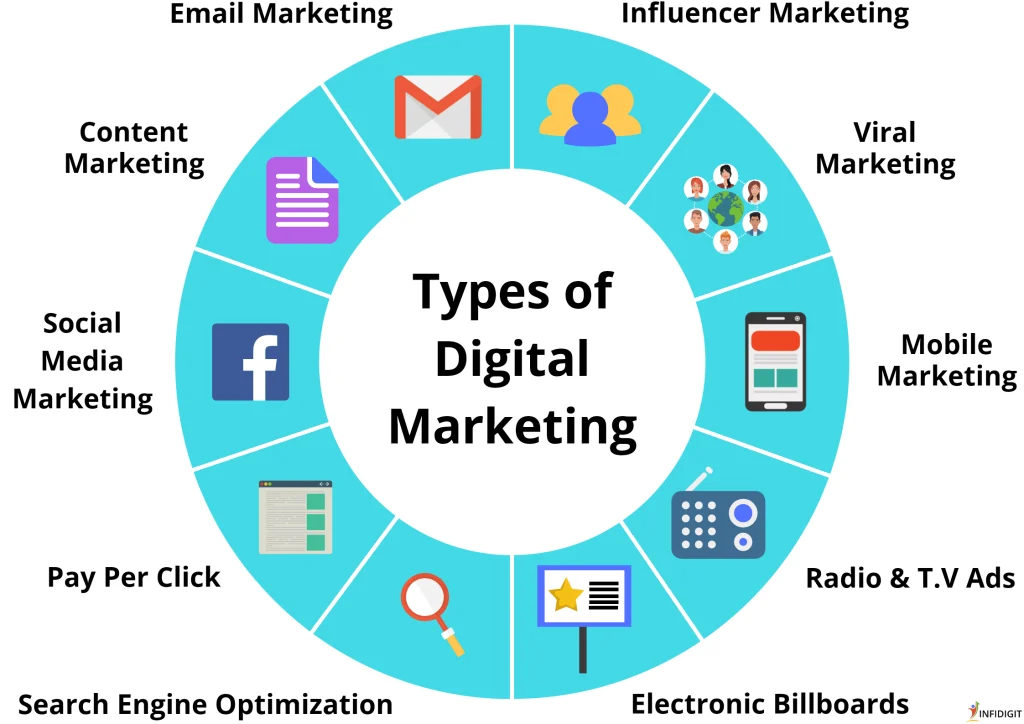
Digital marketing is far from a monolithic entity; it is a dynamic, interconnected ecosystem of strategies and tactics, all converging to achieve a singular objective: to build, promote, and sustain a brand’s success in the digital realm. From establishing foundational authority through compelling content and ensuring discoverability via SEO, to fostering vibrant communities on social media and nurturing relationships through personalized email campaigns, every component plays a vital role. Paid advertising accelerates reach, influencer collaborations amplify trust, and continuous analytics and optimization ensure agility and effectiveness.
Ultimately, “what does digital marketing include” is a comprehensive suite of tools and methodologies that empower brands to tell their story, connect with their audience, drive measurable results, and adapt to an ever-changing technological landscape. It’s about creating a cohesive, engaging, and valuable experience across all digital touchpoints, transforming casual browsers into loyal customers and passionate brand advocates. For any brand aiming to thrive in the 21st century, a deep understanding and strategic implementation of these digital marketing facets are not just beneficial, but absolutely indispensable.
aViewFromTheCave is a participant in the Amazon Services LLC Associates Program, an affiliate advertising program designed to provide a means for sites to earn advertising fees by advertising and linking to Amazon.com. Amazon, the Amazon logo, AmazonSupply, and the AmazonSupply logo are trademarks of Amazon.com, Inc. or its affiliates. As an Amazon Associate we earn affiliate commissions from qualifying purchases.