
In the landscape of modern media and commerce, few figures have navigated the transition from artist to enterprise as aggressively as Sean “Diddy” Combs. When people ask “what did P-Diddy do,” the answer, from a professional branding perspective, is that he revolutionized the concept of the “celebrity mogul.” By moving beyond the traditional boundaries of the music industry, Combs created a multifaceted brand identity that bridged the gap between street culture and high-end luxury. To understand his impact is to study a masterclass—and a cautionary tale—in brand strategy, personal branding, and corporate identity.

The Foundation of Bad Boy: Redefining the Mogul Persona
The initial phase of the “Diddy” brand was rooted in the music industry, but it was never just about the records. Through the launch of Bad Boy Entertainment in 1993, Combs identified a significant gap in the market: the intersection of raw hip-hop energy and polished, aspirational lifestyle marketing.
Redefining the Mogul Persona
Before Combs, music executives were largely behind-the-scenes figures. He pivoted this dynamic by becoming the face of the label. By appearing in music videos, providing ad-libs on tracks, and maintaining a high-profile public life, he turned the “CEO” into a brand itself. This was a strategic move in personal branding; he wasn’t just selling a song; he was selling a lifestyle of success, opulence, and relentless work ethic. The “Puff Daddy” persona was the first iteration of this brand, characterized by shiny suits and champagne—a visual departure from the gritty aesthetics of the era.
The Bad Boy Records Blueprint
The brand strategy of Bad Boy was built on “The Remix.” Combs understood that familiarity breeds comfort, but innovation drives sales. By sampling well-known pop and R&B hits and layering them with hip-hop beats, he created a brand identity that was both accessible and revolutionary. This “Bad Boy Sound” became a corporate identity that guaranteed a specific quality and vibe, allowing the brand to scale across multiple artists including The Notorious B.I.G., Ma$e, and Faith Evans.
Diversification and Lifestyle Marketing: Beyond the Microphone
A core tenet of successful brand strategy is the ability to diversify without losing the core essence of the identity. Combs excelled at “lifestyle marketing,” which is the practice of selling an identity rather than a specific product. He realized early on that if people liked his music, they would likely want to wear his clothes and drink what he drank.
From Apparel to Aspiration: The Sean John Era
In 1998, Combs launched Sean John, a clothing line that aimed to bring “urban” fashion into the mainstream luxury market. This was a pivotal moment in brand evolution. He did not treat the line as mere “merchandise”; he treated it as a high-fashion house. By winning the CFDA Award for Menswear Designer of the Year in 2004, he validated the brand’s corporate identity among the elite fashion circles. Sean John represented the democratization of luxury, proving that a brand born from hip-hop culture could compete with legacy European houses.
The Cîroc Partnership: Mastering Strategic Endorsements
Perhaps the most significant “move” in his brand history was the 2007 partnership with Diageo for Cîroc Vodka. At the time, Cîroc was a struggling brand. Combs did not sign a traditional endorsement deal; he entered into a strategic joint venture where he would lead the brand management and marketing.
What did he do differently? He utilized “influencer marketing” long before it became a digital standard. He integrated the product into the high-society “Diddy” lifestyle, hosting legendary parties and ensuring the blue bottle was synonymous with celebration. This transformed Cîroc from a bottom-tier vodka into a billion-dollar asset, showcasing the power of a personal brand to revitalize a corporate entity.
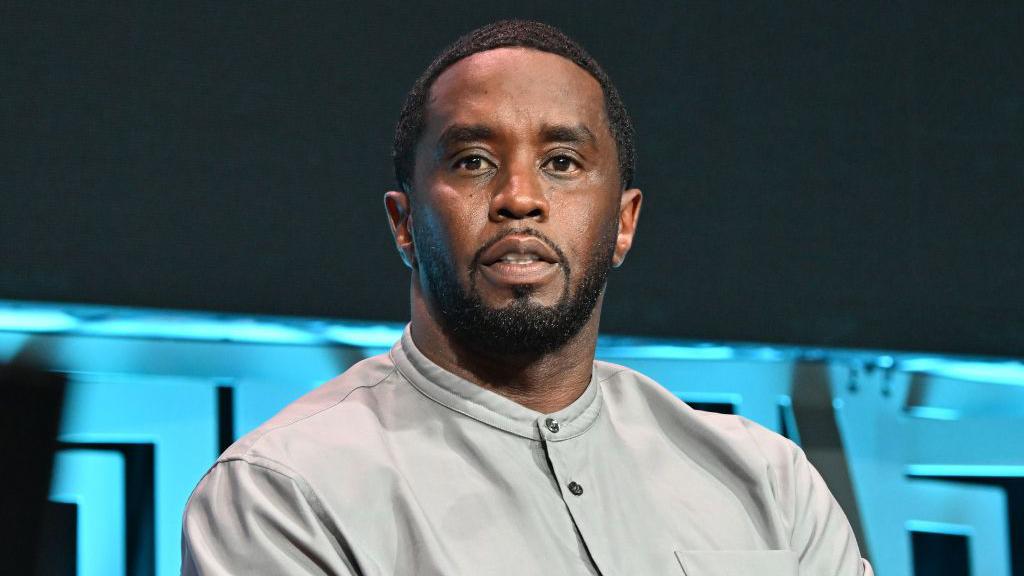
The “Can’t Stop, Won’t Stop” Brand Philosophy
The longevity of the Combs brand can be attributed to a philosophy he coined: “Can’t Stop, Won’t Stop.” From a brand strategy standpoint, this represents a commitment to constant evolution and narrative control.
Leveraging Cultural Capital
Combs mastered the art of leveraging “cultural capital”—the social assets of a person that promote social mobility in a stratified society. He positioned himself as the gatekeeper of “cool.” Whether it was his famous “White Parties” in the Hamptons or his various television ventures like Making the Band, he ensured that his brand was always at the center of the cultural conversation. By associating his brand with exclusivity and “the next big thing,” he maintained a high market value for decades.
Rebranding and Identity Shifts
The frequent name changes—from Puff Daddy to P. Diddy, Diddy, and eventually “Love”—were more than just whims; they were strategic rebrands. Each name change signaled a new chapter in his personal and professional narrative. In the world of branding, a name change can be used to shed old associations or to signal a shift in focus. By constantly evolving his moniker, he kept the media engaged and allowed his brand identity to remain fluid and adaptable to changing market trends.
Modern Implications and the Evolution of the “Diddy” Identity
In recent years, the conversation around “what P-Diddy did” has shifted from business triumphs to legal and ethical scrutiny. In the world of brand management, this represents a “crisis of identity,” where the personal actions of the brand’s figurehead threaten the stability of the entire corporate ecosystem.
Digital Presence and Media Ventures: REVOLT
One of his most strategic moves in the digital age was the launch of REVOLT Media & TV. By owning the platform, Combs sought to control the narrative surrounding Black culture and his own brand. This move into media ownership is a classic corporate strategy intended to ensure brand longevity and vertical integration. By controlling both the content and the distribution, he sought to insulate his brand from the whims of traditional media outlets.
Lessons for Modern Brand Architects
The trajectory of the Combs brand offers several insights for modern marketers and entrepreneurs:
- Identity is the Product: In the modern economy, people don’t buy what you do; they buy why you do it and who you are.
- Cross-Pollination is Key: Success in one vertical (music) should be used as a springboard into others (fashion, spirits, media).
- The Peril of the Personal Brand: When a brand is inextricably linked to an individual, that brand is vulnerable to the personal reputation of that individual. As legal challenges arise, we see the fragility of a “house” built on a single personality. Partners like Diageo and various retail outlets have had to navigate the “de-branding” process, illustrating the risks of high-profile celebrity partnerships.
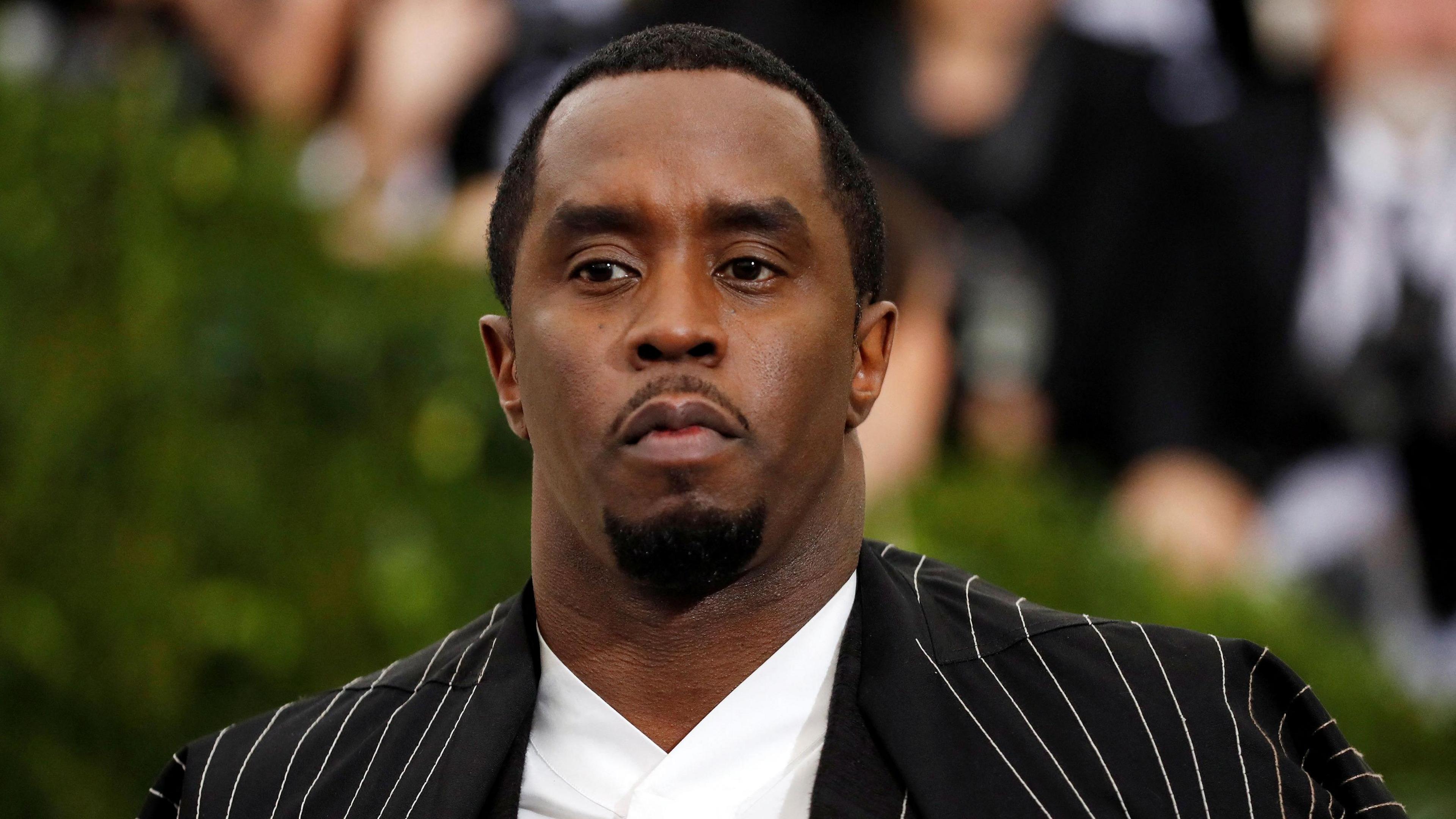
Conclusion: The Legacy of a Brand Mogul
When evaluating “what P-Diddy did,” one must look at the blueprint he created for the modern celebrity-entrepreneur. He was one of the first to prove that a personal brand could be leveraged into a multi-billion dollar corporate empire. He broke barriers in fashion, redefined the business of music, and set a new standard for luxury marketing.
However, the current chapter of his brand story serves as a critical case study in brand equity and risk management. As the public and corporate world reassess his legacy, it highlights the ultimate reality of branding: a brand is a promise of a certain set of values. If those values are called into question, even the most robust architecture of influence can begin to fracture. Whether the brand can survive this period of intense scrutiny remains to be seen, but the strategies he employed to build it remain some of the most influential in the history of modern marketing.
aViewFromTheCave is a participant in the Amazon Services LLC Associates Program, an affiliate advertising program designed to provide a means for sites to earn advertising fees by advertising and linking to Amazon.com. Amazon, the Amazon logo, AmazonSupply, and the AmazonSupply logo are trademarks of Amazon.com, Inc. or its affiliates. As an Amazon Associate we earn affiliate commissions from qualifying purchases.