
The name Jeffrey Epstein evokes a chilling narrative of wealth, power, and unimaginable depravity. While the full extent of his crimes remains a subject of ongoing investigation and societal reckoning, his private island, Little Saint James, located in the U.S. Virgin Islands, stands as a stark monument to his dark empire. Often referred to chillingly as “Pedophile Island,” the true purpose behind its acquisition and operation, when viewed through a financial lens, reveals a calculated deployment of immense wealth to facilitate a deeply disturbing enterprise. This article delves into the financial implications of Epstein’s island, exploring how this significant asset was leveraged, maintained, and ultimately became an indelible part of his tarnished financial legacy, strictly within the framework of financial analysis.

The Ultimate Symbol of Untouchable Wealth: Little Saint James
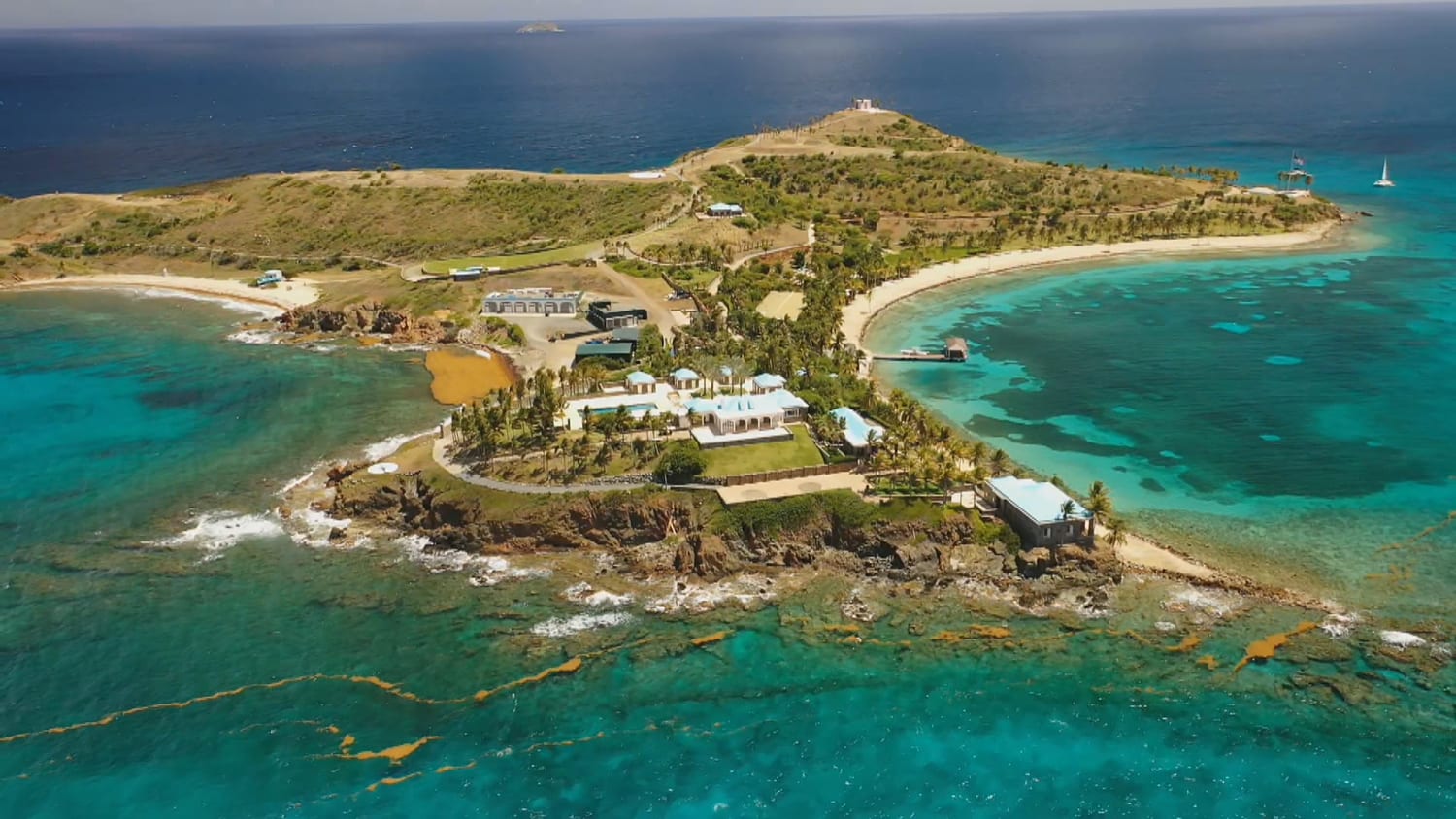
Jeffrey Epstein’s acquisition of Little Saint James wasn’t merely a lifestyle choice; it was a deliberate financial and strategic maneuver by an individual who meticulously managed his vast, often opaque, wealth. The island, a secluded 70-acre parcel of prime Caribbean real estate, epitomized the kind of extreme luxury and isolation that only immense financial resources could command. Its very existence as a private, self-contained dominion underscores the financial power Epstein wielded, allowing him to craft an environment beyond conventional scrutiny.
Acquisition and the Illusion of Privacy
Epstein acquired Little Saint James in 1998 for a reported $7.95 million. At the time, this represented a substantial investment in real estate, particularly for a relatively undeveloped piece of land. However, the true “cost” extended far beyond the initial purchase price. He subsequently invested tens of millions more into developing the island, transforming it into a sprawling compound complete with multiple residences, guest houses, a private dock, helicopter pad, gym, and various other structures. This extensive capital outlay wasn’t just about luxury; it was about creating a highly controlled, discreet, and largely self-sufficient environment.
From a financial perspective, the acquisition of such a private island offered several advantages. It provided an unparalleled level of privacy, shielding activities from public and regulatory oversight. This “privacy premium” justified the significant investment, acting as an intangible but critical asset for someone operating on the fringes of legality. The island also represented a diversification of assets, albeit one with a highly specialized, illicit purpose. For an individual focused on wealth preservation and exploitation, controlling such a distinct geographical asset presented unique opportunities for insulation and operational control that traditional real estate might not.
Operating Costs: A Discreet Financial Black Hole
Maintaining a private island like Little Saint James is an incredibly expensive undertaking, akin to running a small, high-end resort for a single owner. The annual operating costs would have encompassed a vast array of expenditures, including:
- Staff Salaries: A significant retinue of staff would be required for maintenance, hospitality, security, and administrative duties. These included housekeepers, groundskeepers, cooks, boat captains, pilots, and security personnel, all necessitating competitive salaries, benefits, and potentially non-disclosure agreements.
- Infrastructure Maintenance: Utilities (power generation, water purification), telecommunications, transportation (boats, potentially aircraft), and the upkeep of multiple buildings and extensive grounds represent constant, high-dollar expenses. Specialized contractors would frequently be needed for repairs and upgrades.
- Logistics and Procurement: Transporting all necessities – food, supplies, building materials, luxury goods – to a secluded island location incurs substantial logistical costs, often requiring private charters or dedicated supply chains.
- Security: Given the nature of Epstein’s activities and his need for absolute control, significant investments in advanced security systems, personnel, and surveillance infrastructure would have been paramount, adding another layer of recurring financial commitment.
- Legal and Administrative Fees: Managing the corporate entities often used to own such properties, along with navigating international jurisdictions and maintaining secrecy, would have involved ongoing legal and administrative expenses.
These recurring financial outlays highlight that Little Saint James was not just an asset but an extremely costly operational hub. The continuous flow of funds required to sustain it points to a deliberate and substantial allocation of Epstein’s financial resources towards maintaining a private world where his illicit activities could flourish away from prying eyes. This “discreet financial black hole” was a critical component of his operational strategy.
A “Financial Hub” for Illicit Enterprise and Influence Peddling
While the island was a geographical location, it functioned as a strategic financial and operational “hub” for Epstein’s broader criminal enterprise. It was a base from which he cultivated relationships, facilitated illicit activities, and managed a network that extended far beyond the Caribbean. Viewing it as a business headquarters, albeit for an immoral “business,” helps to understand its financial significance.
Cultivating High-Net-Worth Connections
Epstein was known to entertain a vast array of powerful and influential individuals on Little Saint James, including politicians, business magnates, and celebrities. From a transactional perspective, these visits were not merely social gatherings; they were strategic engagements designed to cultivate and leverage high-net-worth connections. Such interactions could have served multiple financial purposes:
- Information Gathering: Access to privileged information or insights that could be used for financial market manipulation or investment opportunities.
- Network Expansion: Expanding his circle of influence, which could be monetized through various means, including facilitating deals or gaining access to exclusive ventures.
- Reputation Management (initially): Projecting an image of a well-connected, sophisticated financier, which was crucial for maintaining his access to wealth and influence, at least before his public downfall.
- Blackmail and Leverage: The true, sinister purpose of many interactions on the island was to gather compromising information, creating leverage over powerful individuals. This “social currency” could then be converted into financial or political favors, allowing Epstein to operate with a degree of impunity.
The investment in lavish hospitality, transportation, and privacy on the island was therefore a calculated expenditure aimed at securing and maintaining these high-value, albeit morally bankrupt, relationships, which were integral to his financial and operational strategy.
The Logistics of a Criminal “Business”
To characterize Epstein’s operations as a “business” is deeply unsettling, yet from a purely logistical and financial standpoint, it shared certain structural elements with enterprise management. The island served as the primary operational base for this “business,” requiring careful financial planning and resource allocation.
- Centralized Control: The island provided a centralized location where Epstein could exercise absolute control over his operations, including communication, transportation, and the management of his victims. This reduced external interference and increased operational efficiency for his illicit activities.
- Resource Management: Managing the individuals involved, the logistics of their transport, housing, and “care” on the island required significant financial resources and detailed planning. This included not just the direct costs associated with victims, but also the expenditures on personnel, travel, and various forms of compensation or coercion.
- Data and Documentation: It is believed that extensive documentation and recordings were maintained on the island, acting as a “client list” or “ledger” of his criminal enterprise. The systems and personnel required to manage such sensitive data would have represented a significant financial investment in secrecy and potential leverage.
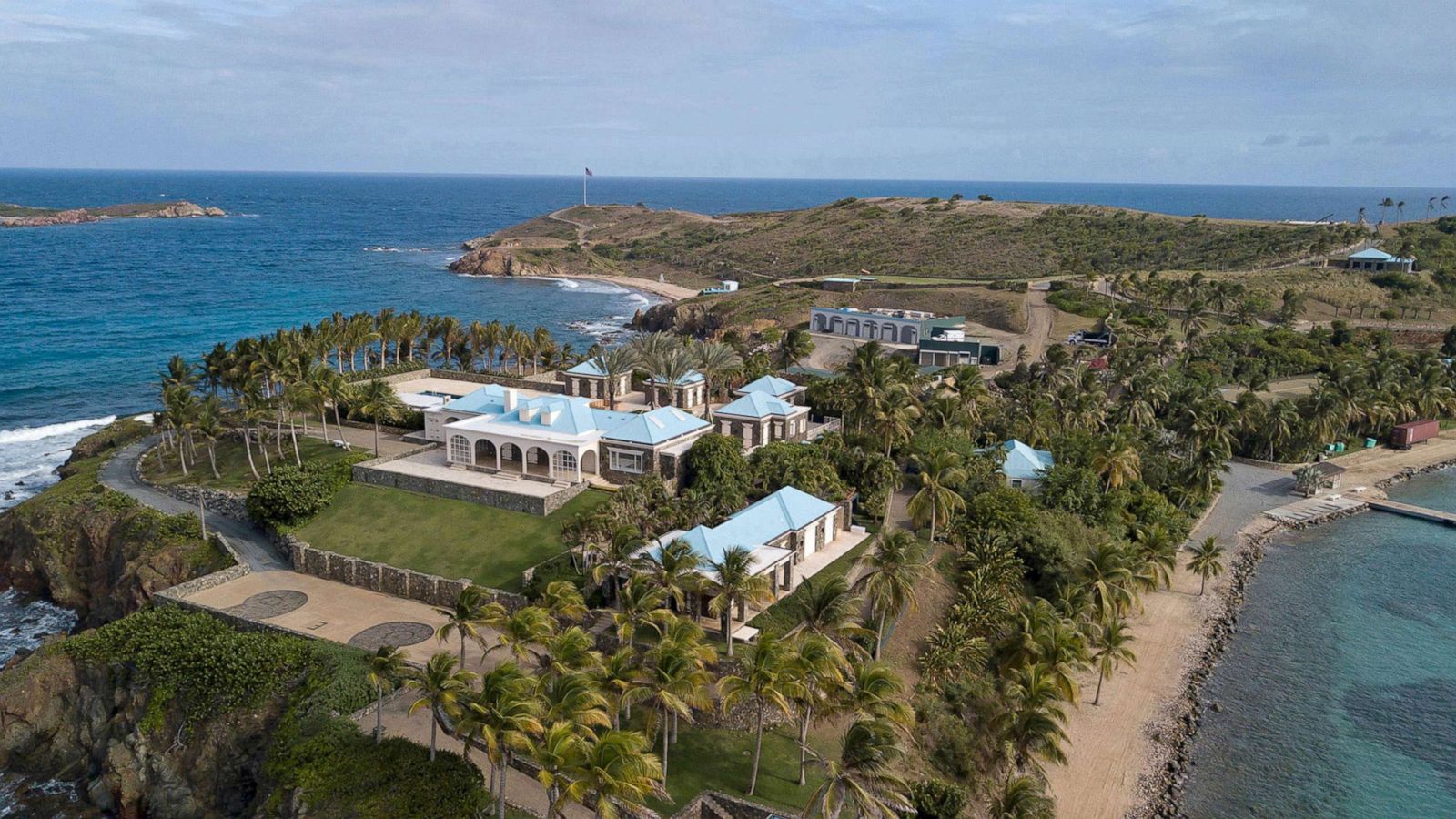
In essence, Little Saint James was the nerve center where the financial investments in privacy, luxury, and control converged to create an environment conducive to his criminal endeavors. The “business model” was horrific, but the operational and financial investments were undeniable.
The Shadow Economy of Exploitation: Financing the Operation
Epstein’s immense personal fortune, estimated in the hundreds of millions, if not billions, was the lifeblood of his shadow economy of exploitation. Little Saint James was not merely a passive asset but an active instrument within this financial ecosystem, absorbing vast sums of money to sustain its role as a sanctuary for his crimes.
Investment in Secrecy and Infrastructure
The most critical financial investment on Little Saint James was in secrecy. Every aspect of the island’s development and operation was designed to minimize external visibility and maximize internal control. This included:
- Physical Security: High walls, surveillance systems, private security personnel, and limited access points were all significant financial outlays.
- Legal Protections: The use of shell corporations, offshore accounts, and a team of lawyers to protect his assets and obscure his activities involved constant and substantial legal fees. The cost of maintaining this legal shield was an indirect but essential operational expense for the island’s activities.
- Transportation Networks: Private jets and boats were not just luxuries; they were vital logistical tools for transporting individuals to and from the island discreetly, circumventing commercial travel scrutiny. The operation and maintenance of these assets represented a considerable ongoing financial commitment.
These expenditures were not about profit in a conventional sense; they were investments in the perpetuation and concealment of his criminal enterprise. They illustrate how a vast fortune was systematically deployed to create and maintain an environment impervious to legal and moral oversight.
The Financial Drain of a Criminal Lifestyle
Beyond the operational costs directly tied to the island’s illicit purpose, maintaining Epstein’s extravagant personal lifestyle, which was intrinsically linked to his island activities, also represented a significant financial drain. This included:
- Luxury Goods and Services: Fine dining, exclusive art, high-end entertainment, and personal services all contributed to the façade of a sophisticated financier, which was crucial for attracting and maintaining his network of powerful associates.
- “Gifts” and Inducements: The financial enticements offered to victims and complicit individuals, whether in cash, luxury items, or other forms, were direct expenditures of his criminal operation.
- Settlements and Legal Fees: Over the years, Epstein faced various allegations and lawsuits. The settlements paid to accusers and the continuous legal expenses to fight charges or negotiate plea deals were substantial financial burdens, yet crucial for buying silence and delaying accountability.
These financial outflows demonstrate that the island was not a self-sustaining entity but a continuous consumer of Epstein’s wealth, essential for supporting both his personal opulence and the infrastructure of his criminal “business.” The financial sustainability of such an operation relied entirely on his ability to generate and maintain a massive, often illicitly acquired, fortune.
Beyond Asset: The Island’s Role in a Tarnished Legacy and Asset Forfeiture
With Epstein’s death and the subsequent unravelling of his empire, Little Saint James transitioned from an active operational hub to a notorious, controversial asset. Its fate and financial disposition now play a significant role in the ongoing legal and moral reckoning of his crimes, moving into the realm of asset forfeiture and victim compensation.
The Valuation of a Notorious Asset
Post-Epstein, the valuation of Little Saint James is complex. While it is an undeniably beautiful piece of real estate in a desirable location, its infamous history irrevocably taints its market appeal. The “Pedophile Island” moniker has created a unique challenge for any potential sale.
- Market Discount: The stigma associated with the island means that its market value is likely significantly discounted compared to similar properties without such a notorious past. Potential buyers might be deterred by the negative publicity, the moral implications, or the sheer difficulty of rebranding such a site.
- Infrastructure Value: Despite the stigma, the extensive infrastructure (residences, utilities, docks, etc.) still holds inherent value, although some structures might be demolished as part of a remediation effort or to erase its past.
- Development Potential: The raw land itself still possesses development potential, but any future development would need to contend with its history, perhaps necessitating a complete overhaul and a new narrative.
The financial valuation of Little Saint James is therefore not just about bricks and mortar or acreage; it’s about grappling with an intangible, but immensely powerful, negative brand association that profoundly impacts its economic potential.
Asset Forfeiture and Victim Compensation
Following Epstein’s death, his vast estate, including Little Saint James, became subject to asset forfeiture proceedings. From a financial perspective, this process is critical for several reasons:
- Justice and Restitution: The sale of assets like the island directly contributes to funds allocated for victim compensation. This represents a crucial mechanism for financial restitution to those harmed by his crimes, attempting to convert his ill-gotten gains into a form of justice.
- Legal Precedent: The handling of Epstein’s estate sets legal precedents for how assets acquired through criminal enterprise, particularly those linked to human trafficking and exploitation, are seized and redistributed. This impacts future financial crime investigations and legal strategies.
- Public Funds: The process involves government agencies and trustees managing the sale and distribution of funds, highlighting the intersection of private wealth, criminal activity, and public accountability. The financial management of such a complex estate is a significant undertaking, involving extensive legal, real estate, and financial expertise.
Ultimately, Jeffrey Epstein’s use of his island was a testament to the dark power of unbridled wealth. It was a sophisticated financial deployment to create a private, unscrutinized domain for criminal enterprise. Now, in its afterlife, the island remains a financial asset, albeit one steeped in infamy, whose ultimate disposition is a critical step in a prolonged and painful process of financial accountability and restitution. The story of Little Saint James, viewed through a financial lens, is a stark reminder of how money, in the wrong hands, can be marshaled not for progress or innovation, but for the most heinous forms of exploitation.
aViewFromTheCave is a participant in the Amazon Services LLC Associates Program, an affiliate advertising program designed to provide a means for sites to earn advertising fees by advertising and linking to Amazon.com. Amazon, the Amazon logo, AmazonSupply, and the AmazonSupply logo are trademarks of Amazon.com, Inc. or its affiliates. As an Amazon Associate we earn affiliate commissions from qualifying purchases.