
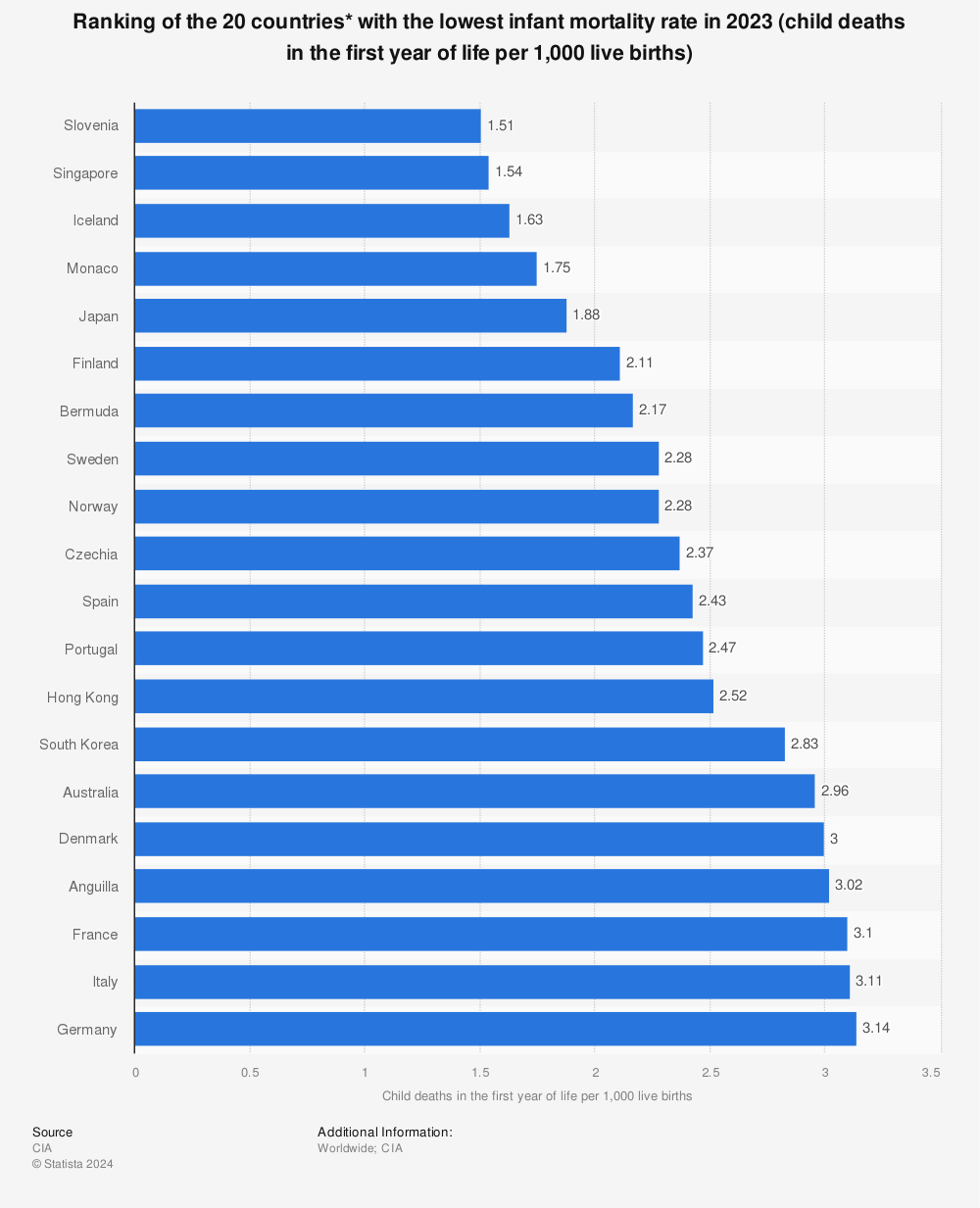
The question of which country boasts the lowest mortality rate extends far beyond a simple demographic statistic. It delves into the very fabric of national prosperity, revealing profound insights into economic investment, resource allocation, and societal priorities. A low mortality rate is not merely a marker of good health; it is a critical indicator of a nation’s financial stability, its commitment to public welfare, and its long-term economic resilience. In the realm of money, understanding the factors behind low mortality rates illuminates how financial health, both individual and governmental, intertwines with human longevity and quality of life. This article will explore the economic underpinnings of low mortality, dissecting how financial decisions, from public health spending to social safety nets, shape a country’s ability to keep its population healthy and thriving.
Defining Mortality Rates and Their Economic Significance
At its core, the mortality rate measures the number of deaths in a given population over a specified period. While various metrics exist – crude mortality rates, infant mortality rates, age-standardized mortality rates – all offer a snapshot of a population’s health status. However, in the context of economic analysis, these figures become powerful diagnostic tools, revealing underlying strengths and weaknesses in a nation’s financial and social infrastructure.
Beyond the Statistic: What Mortality Rates Truly Reveal
A persistently low mortality rate often points to a robust public health system, widespread access to quality medical care, effective disease prevention strategies, and a high standard of living. These are not accidental outcomes; they are the result of deliberate and often substantial financial investments. Countries with low mortality rates typically exhibit:
- Strong Economic Foundations: A stable economy provides the resources necessary to fund advanced healthcare, sanitation, and education.
- Effective Governance and Resource Allocation: Governments must efficiently allocate tax revenues towards initiatives that directly impact public health.
- High Levels of Education: An educated populace is generally more aware of health risks, preventive measures, and the importance of seeking timely medical attention. Education, in turn, is often correlated with higher earning potential and improved financial literacy, allowing individuals to make better health-related choices.
- Reduced Income Inequality: Countries with less pronounced wealth disparities often show better health outcomes across the board. Economic inequality can restrict access to healthcare, nutritious food, and safe living conditions for lower-income groups, directly impacting mortality rates.
- Comprehensive Social Safety Nets: Robust social security, unemployment benefits, and poverty reduction programs shield vulnerable populations from economic shocks that can compromise health.
The mortality rate, therefore, serves as a financial ledger for national well-being. It quantifies the return on investment in human capital and underscores the direct link between a nation’s economic structure and its citizens’ prospects for a long, healthy life.
The Economic Cost of Ill-Health and Early Mortality
Conversely, high mortality rates impose significant economic burdens. Premature deaths mean a loss of productive workers, skilled professionals, and valuable taxpayers. This loss of human capital translates into:
- Reduced Economic Output: Fewer healthy individuals contributing to the workforce lead to lower GDP and slower economic growth.
- Increased Healthcare Expenditures: While seemingly counterintuitive, nations with poorer health outcomes often face higher long-term healthcare costs due to managing chronic diseases and treating preventable conditions.
- Strained Social Security and Pension Systems: A smaller, less healthy working population struggles to support an aging demographic, leading to potential crises in social welfare programs.
- Diminished Foreign Investment: Investors often shy away from countries perceived as unstable or unhealthy, impacting economic development.
From a financial perspective, investing in health to lower mortality rates is not merely a humanitarian endeavor; it is a sound economic strategy. It fosters a more productive workforce, reduces future healthcare liabilities, and creates a more attractive environment for sustained economic growth.
The Financial Pillars of Longevity: Investing in Health and Well-being
Achieving and maintaining a low mortality rate is largely a testament to a country’s financial commitment to its citizens’ health. This commitment manifests through strategic investments in healthcare infrastructure, social welfare, and economic equity.
Healthcare Expenditure as a National Investment
The most direct financial lever for influencing mortality rates is healthcare expenditure. However, it’s not simply about spending more; it’s about spending smarter. Nations with low mortality rates often share common characteristics in their healthcare financing:
- Universal Access: Systems that ensure everyone, regardless of income or employment status, has access to necessary medical care significantly reduce preventable deaths and manage chronic conditions effectively. This typically involves substantial public funding through taxes or social insurance schemes, spreading the financial risk across the entire population.
- Emphasis on Preventative Care: Financially savvy healthcare systems prioritize preventative measures (vaccinations, screenings, public health campaigns) over costly reactive treatments. Investing in prevention yields significant long-term financial returns by reducing the incidence of severe illness and the need for expensive interventions.
- Robust Primary Care: A strong foundation of primary care physicians and community health services ensures early detection and management of health issues, preventing them from escalating. This is a cost-effective approach compared to reliance on expensive emergency room visits and specialist care.
- Investment in Medical Research and Innovation: Funding research leads to new treatments, diagnostics, and cures, directly impacting survival rates for various diseases. While initially costly, these innovations can provide immense societal and economic benefits over time.
- Efficient Pharmaceutical Supply Chains and Affordability: Ensuring that essential medicines are affordable and readily available prevents complications and deaths from treatable conditions. Negotiations for drug prices and generic drug policies play a crucial financial role here.
These expenditures are not merely outlays; they are strategic investments in human capital, yielding returns in productivity, reduced future costs, and overall societal well-being.
Social Safety Nets and Economic Equality: Reducing Health Disparities
Beyond direct healthcare spending, broader economic and social policies play a crucial role in lowering mortality rates. Financial mechanisms that promote equality and provide a safety net are vital:
- Progressive Taxation and Wealth Redistribution: Policies that aim to reduce income and wealth disparities can lead to better health outcomes across all socioeconomic strata. When more people have the financial means to access healthy food, safe housing, and education, overall population health improves.
- Minimum Wage Laws and Living Wages: Ensuring that workers earn a living wage directly impacts their ability to afford basic necessities, including nutritious food and stable housing, which are fundamental to health. Financial stress and poverty are significant determinants of poor health.
- Unemployment Benefits and Disability Support: These financial safety nets prevent individuals from falling into extreme poverty during times of crisis, safeguarding their ability to maintain health and access care.
- Subsidized Education and Childcare: Investing in education and early childhood development has long-term health benefits, breaking cycles of poverty and improving future earning potential, which, in turn, supports better health choices.
- Affordable Housing Initiatives: Stable and safe housing is a foundational determinant of health. Financial programs that ensure access to affordable housing contribute significantly to reducing health disparities.
By addressing the root causes of economic vulnerability, these financial strategies indirectly but powerfully contribute to a lower mortality rate, demonstrating that a healthy population is inextricably linked to a financially secure and equitable society.
Countries Leading the Longevity Index: Case Studies in Financial Prudence
While specific mortality rates fluctuate annually due to various factors (e.g., pandemics), certain countries consistently rank among those with the lowest rates and highest life expectancies, serving as prime examples of effective financial management in health. These nations often blend robust economic performance with strong social welfare systems.
Japan: A Model of Proactive Health Investment and Social Cohesion

Japan consistently boasts one of the lowest mortality rates globally, particularly for its advanced age groups, and the highest life expectancy. Its economic approach to health is multifaceted:
- Universal Health Coverage with Strict Cost Controls: Japan operates a universal health insurance system, predominantly funded through payroll taxes and government subsidies. Patients have freedom to choose doctors and hospitals, and the system ensures high-quality care. Crucially, the government sets standard prices for all medical services and drugs, negotiating regularly with medical associations and pharmaceutical companies to contain costs. This financial control prevents runaway healthcare inflation seen in other high-income nations.
- Emphasis on Preventative Health and Public Health Education: Japan has a strong culture of preventative care, including mandatory annual health check-ups for employees and comprehensive maternal and child health programs. Public health campaigns consistently promote healthy lifestyles, dietary habits, and physical activity. This proactive approach reduces the financial burden of treating advanced diseases.
- Long-Term Care Insurance System: Recognizing its aging population, Japan introduced a universal long-term care insurance system in 2000, funded by premiums and taxes. This financial commitment ensures that elderly citizens receive necessary care without bankrupting families, contributing to their overall well-being and reducing premature deaths linked to inadequate elder care.
- Dietary Habits and Lifestyle: While not a direct financial policy, the traditional Japanese diet (rich in fish, vegetables, and whole grains) and active lifestyles contribute significantly to health outcomes, reducing the incidence of chronic diseases that strain healthcare budgets.
Japan’s model illustrates how strategic financial planning in healthcare, combined with cultural factors and public health initiatives, can lead to exceptional longevity and low mortality rates.
Switzerland & Nordic Nations: High-Value Healthcare and Strong Welfare States
Countries like Switzerland, Iceland, Norway, and Sweden also frequently feature among those with low mortality rates. Their success is rooted in similar principles:
- Switzerland: Mandatory Health Insurance with Competition: Switzerland mandates universal health insurance, but individuals choose their private insurer from a competitive market. While premiums can be high, government subsidies and strict regulatory oversight ensure quality and prevent excessive profits. This blended system, though financially complex for individuals, ensures comprehensive coverage and access to advanced medical technology, funded by a wealthy populace.
- Nordic Nations: Tax-Funded Universal Healthcare and Extensive Social Safety Nets: Iceland, Norway, and Sweden finance their excellent universal healthcare systems primarily through high progressive taxation. This ensures that healthcare is a right, not a privilege. Beyond healthcare, these nations invest heavily in robust social welfare programs, including generous parental leave, affordable childcare, unemployment benefits, and extensive education systems. These comprehensive social safety nets reduce economic stress and inequality, which are powerful determinants of health outcomes and lower mortality. Their strong financial commitment to social equity directly translates into a healthier, longer-living population.
- Focus on Public Health and Environmental Quality: These countries also prioritize public health initiatives, environmental protection, and food safety, recognizing that a clean environment and healthy lifestyle choices are crucial for preventing disease and promoting longevity. These efforts require significant public funding and regulatory enforcement.
These case studies underscore a common theme: countries with the lowest mortality rates demonstrate a willingness to make significant and sustained financial investments in universal healthcare access, preventative care, and broad social welfare programs. These are not expenses but strategic long-term investments in human capital and national economic strength.
The Economic Dividend of a Healthy Population
A low mortality rate is a powerful indicator of a nation’s financial prudence and its ability to foster a thriving society. The economic benefits reaped from a healthy population are substantial and far-reaching.
Increased Productivity and Economic Growth
A population that lives longer and healthier years is inherently more productive.
- Extended Workforce Participation: Individuals can contribute to the economy for longer periods, accumulating more experience and skills. This expands the labor pool, boosts innovation, and drives economic output.
- Reduced Absenteeism and Presenteeism: Healthier workers are less likely to miss work due to illness (absenteeism) and more likely to be fully engaged and productive when they are at work (presenteeism). This directly translates into higher company profits and national GDP.
- Enhanced Human Capital: Investing in health improves cognitive function and overall well-being, leading to a more skilled, adaptable, and innovative workforce. This human capital is a primary driver of long-term economic growth.
The financial outlay required to achieve low mortality rates is repaid many times over through a more dynamic and prosperous economy.
Sustainable Pension Systems and Reduced Healthcare Burdens (in the long run)
While an aging population resulting from lower mortality rates can present challenges to pension systems, a healthy aging population mitigates these concerns.
- Delayed Retirement and Continued Contributions: Healthier individuals can choose to work longer, contributing taxes and social security payments for an extended period, thus easing the financial strain on pension funds.
- Reduced Healthcare Costs in Later Life: While overall healthcare costs for an aging population might increase, a population that ages healthily will have fewer debilitating chronic diseases and less need for expensive intensive care in their final years. Investing in preventative care throughout life can flatten the curve of escalating healthcare costs in old age.
- Greater Independence: Healthy seniors are more independent, reducing the demand for costly institutional care and enabling them to contribute to their communities in various ways, often through volunteering or part-time work, which also has economic value.
Ultimately, a low mortality rate, especially when coupled with healthy aging, positions a country for greater financial stability by optimizing both the revenue side (through productivity) and the expenditure side (through managed healthcare and pension costs).
Navigating the Financial Challenges of Longevity
While low mortality rates bring immense benefits, they also usher in new financial challenges, primarily related to supporting an increasingly aging population.
Funding Extended Lifespans: The Cost of Aging Populations
As people live longer, the demographics of a country shift, leading to a higher proportion of retirees relative to the working-age population. This phenomenon, often called population aging, presents significant financial hurdles:
- Pension System Strain: Public and private pension systems are designed based on certain mortality and longevity assumptions. When people live significantly longer, these systems can become financially unsustainable without adjustments. Governments face difficult choices: raise retirement ages, increase contributions, reduce benefits, or find new revenue sources.
- Increased Healthcare Demands: Even with healthy aging, older populations generally require more medical care, including specialized services, pharmaceuticals, and long-term care. The sheer volume of demand can strain healthcare budgets, requiring continuous financial innovation and investment in elder care infrastructure.
- Labor Force Shortages and Economic Stagnation: If a shrinking working-age population cannot be offset by increased productivity, immigration, or delayed retirement, it can lead to labor shortages and slower economic growth, potentially impacting a nation’s ability to fund its social programs.
Addressing these challenges requires foresight and proactive financial planning, moving beyond simply reducing mortality to managing the economic implications of a longer-lived citizenry.

Future-Proofing Financial Systems for a Healthier World
To sustain the economic benefits of low mortality rates and mitigate the challenges of aging, nations must adopt forward-thinking financial strategies:
- Pension Reform: Continuous reform of pension systems is essential, including measures like dynamic retirement ages linked to life expectancy, diversified investment strategies for pension funds, and encouraging personal savings.
- Investment in Automation and AI: To counteract potential labor shortages, countries can invest in technologies that enhance productivity and allow fewer workers to accomplish more, thereby maintaining economic output.
- Immigration Policies: Strategic immigration policies can help replenish the workforce and contribute to tax bases, supporting social security systems.
- Lifelong Learning and Upskilling: Investing in adult education and vocational training ensures that older workers can remain active in the workforce for longer, adapting to new economic demands.
- Financial Incentives for Healthy Lifestyles: Governments and insurers can offer financial incentives for preventative care and healthy behaviors, further reducing future healthcare costs.
- Innovation in Long-Term Care Financing: Exploring new models for financing long-term care, such as public-private partnerships, specialized insurance products, or dedicated national funds, is crucial.
In conclusion, the country with the lowest mortality rate is not merely the healthiest; it is also, by definition, one that has made astute and sustained financial investments in its human capital. While the specific countries may shift, the underlying economic blueprint remains consistent: a commitment to universal healthcare, robust social safety nets, and proactive preventative care. As global life expectancies continue to rise, the financial imperative to manage and sustain these outcomes will become even more critical, ensuring that longevity translates not just into more years of life, but also into more years of economic prosperity and well-being for all.
aViewFromTheCave is a participant in the Amazon Services LLC Associates Program, an affiliate advertising program designed to provide a means for sites to earn advertising fees by advertising and linking to Amazon.com. Amazon, the Amazon logo, AmazonSupply, and the AmazonSupply logo are trademarks of Amazon.com, Inc. or its affiliates. As an Amazon Associate we earn affiliate commissions from qualifying purchases.