
The term “conspiracy” once conjured images of clandestine meetings in dimly lit rooms, whispered plots, and shadowy figures pulling strings from behind the scenes. In its essence, a conspiracy describes a secret plan by a group of people to do something unlawful or harmful. Historically, such plots have ranged from political assassinations to corporate malfeasance, often uncovered through meticulous investigation and traditional media. However, in the hyper-connected 21st century, the very meaning and manifestation of “conspiracy” have undergone a radical transformation, largely catalyzed and amplified by technological advancements. Today, understanding what conspiracy means is inextricably linked to the digital realm – from the algorithms that shape our information diets to the sophisticated tools used to create and disseminate deceptive narratives.
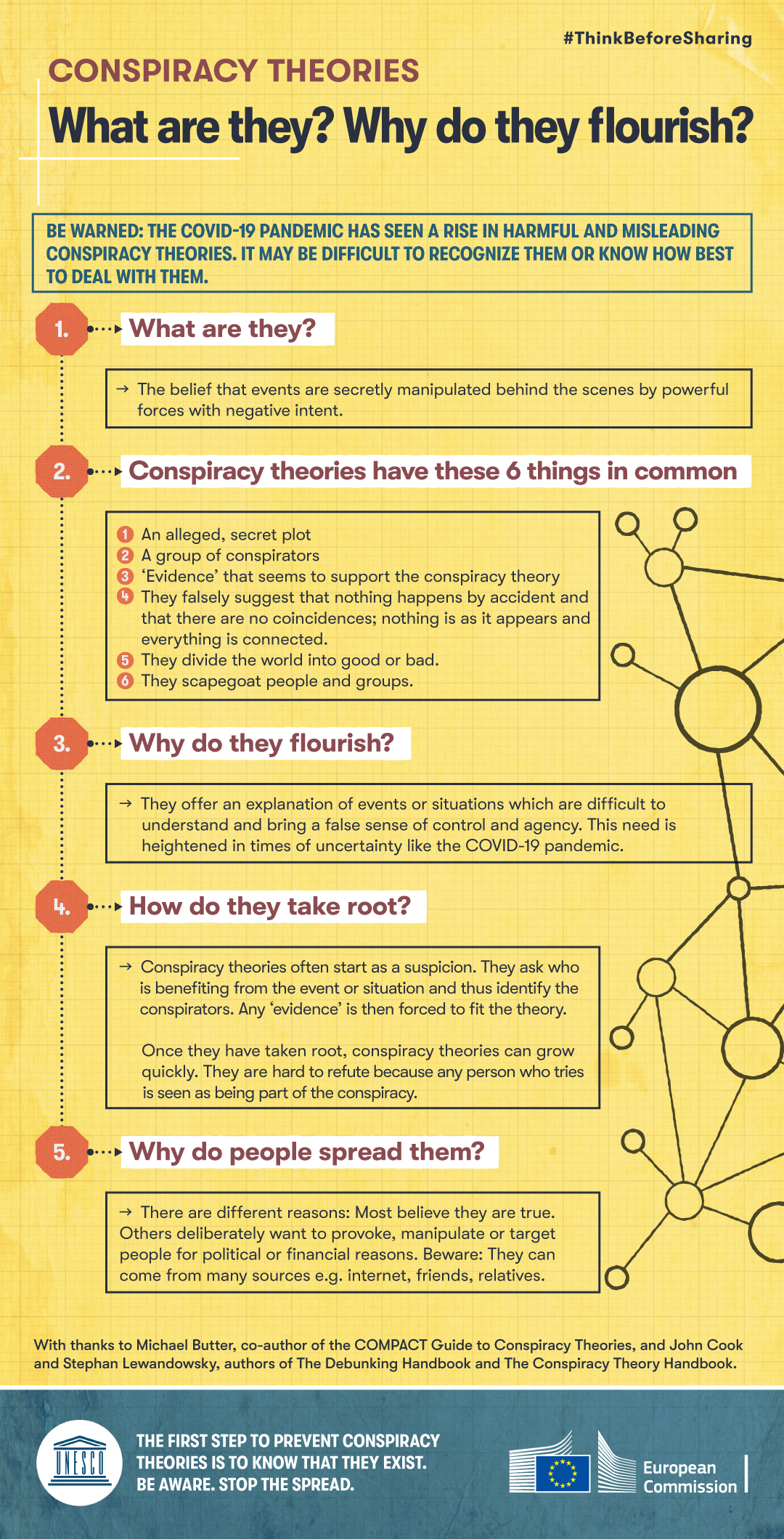
This article will delve into the modern meaning of conspiracy, focusing exclusively on how technology has redefined its nature, propagation, and impact, particularly within the domains of digital security, information integrity, and public trust in tech. We will explore the digital renaissance of conspiracy, the technologies that serve as both its incubator and weapon, its profound impact on our digital lives, and the tech-driven strategies being deployed to combat it.
The Digital Renaissance of Conspiracy
The internet, once heralded as a bastion of free information and democratic discourse, has inadvertently become a potent incubator for conspiratorial thinking. The accessibility of information, the ease of global communication, and the inherent architecture of social platforms have all contributed to a significant shift in how conspiracies are formed, shared, and perceived.
From Secret Meetings to Viral Threads: A Historical Shift
Traditionally, uncovering a conspiracy was a laborious process, often involving leaked documents, whistleblowers, and investigative journalism. The information flow was largely controlled by gatekeepers – established media outlets, government agencies, and academic institutions. While secret plots have always existed, their widespread dissemination relied on slower, more centralized channels.
The digital age shattered these gatekeeping mechanisms. Now, a “conspiracy” can originate from an anonymous online post, morph through shared speculation on forums, and explode into public consciousness via viral social media threads, often bypassing traditional verification entirely. The speed and reach are unprecedented. What used to be localized whispers can now become global movements overnight, drawing in diverse participants who might never have otherwise encountered each other. This shift means that the very act of “conspiring” has evolved from physical gatherings to distributed, asynchronous online collaboration, sometimes without explicit awareness from all participants that they are part of a coordinated effort.
The Anatomy of a Digital Conspiracy
A modern digital conspiracy often begins with a seed of suspicion or a misinterpreted event. This seed is then cultivated within specific online communities – often niche forums, encrypted chat groups, or social media echo chambers – where like-minded individuals can reinforce each other’s beliefs without external challenge. Key characteristics include:
- Decentralized Authorship: No single mastermind is necessarily required. Narratives evolve organically, with countless contributors adding pieces, evidence (real or fabricated), and interpretations.
- Rapid Iteration: Digital platforms allow for quick adjustments and enhancements to the narrative based on new events or counter-arguments.
- Networked Dissemination: Unlike traditional media, which has a broadcast model, digital conspiracies spread through peer-to-peer sharing, making them incredibly resilient to traditional fact-checking efforts. Each share, like, and comment acts as an endorsement, building social proof.
- Appeals to Anti-Establishment Sentiment: Digital conspiracies often thrive on distrust of traditional institutions, including governments, corporations, and mainstream media, portraying them as part of the “system” concealing the “truth.”
The Role of Algorithmic Amplification
Perhaps the most significant technological factor in the digital renaissance of conspiracy is the role of algorithms. Social media feeds, search engine results, and video recommendations are often optimized for engagement – clicks, shares, and watch time. Content that evokes strong emotions, particularly outrage or fear, tends to be highly engaging. Unfortunately, conspiracy theories frequently tap into these primal emotions.
Algorithms, designed to serve users more of what they interact with, can inadvertently create “filter bubbles” and “echo chambers.” If a user engages with conspiratorial content, the algorithm may serve up more of the same, leading them down rabbit holes that progressively reinforce their beliefs. This creates a self-perpetuating cycle where individuals are increasingly exposed to unverified claims, making it harder to discern factual information from elaborate digital fictions. The algorithm doesn’t create the conspiracy, but it acts as a powerful amplifier, ensuring wider reach and deeper entrenchment.
Technologies as Conspiratorial Tools
Beyond simply providing a platform, specific technologies have become integral tools in the creation, manipulation, and dissemination of modern digital conspiracies, raising significant concerns for digital security and information integrity.
Deepfakes, AI, and the Fabrication of Reality
The advent of sophisticated AI tools, particularly those for generating synthetic media like deepfakes (realistic manipulated videos and audio), has opened a new frontier for conspiracy. A deepfake can convincingly portray individuals saying or doing things they never did, blurring the lines between reality and fabrication. This technology is a powerful tool for discrediting opponents, creating false evidence, or entirely fabricating events to support a conspiratorial narrative.
For instance, a deepfake video purporting to show a world leader making compromising statements could be used to fuel a political conspiracy, eroding public trust and potentially inciting real-world unrest. The very existence of deepfakes also creates a “liar’s dividend” – even genuine evidence can be dismissed as fake, further entrenching conspiratorial beliefs. The capacity of AI to generate increasingly convincing synthetic content represents a profound challenge to our ability to verify digital information.
Encrypted Communication and Dark Networks
While essential for privacy and secure communication, end-to-end encrypted messaging apps (e.g., Telegram, Signal, WhatsApp) and the dark web have also become crucial infrastructure for conspiratorial groups. These platforms allow individuals to communicate and organize secretly, beyond the reach of public scrutiny or conventional moderation.
Within these secure environments, conspiratorial theories can be cultivated, new members recruited, and real-world actions coordinated without fear of detection. The dark web, in particular, offers a haven for the exchange of sensitive information, illegal goods, and the planning of illicit activities under the cloak of anonymity, sometimes fueling more extreme forms of conspiracy that involve direct threats or violence. This challenges digital security providers and law enforcement who must balance user privacy with the need to prevent harmful coordination.
Data Manipulation and Cyber Espionage
Conspiracies can also involve highly sophisticated technological plots related to data manipulation and cyber espionage. State-sponsored hacking groups, organized cybercriminals, or even rogue internal actors can engage in “digital conspiracies” to:
- Manipulate Elections: By hacking voter databases, spreading targeted disinformation campaigns, or compromising electoral systems.
- Influence Financial Markets: Through insider trading based on stolen corporate secrets or coordinated market manipulation.
- Undermine National Security: By stealing classified information, disrupting critical infrastructure, or spreading propaganda designed to destabilize society.
These are not merely theories but real-world “digital conspiracies” that leverage technology to achieve secret, often illegal, objectives with significant consequences for global stability and trust in digital systems.
Impact on Digital Security and Trust
The proliferation of digital conspiracies has profound implications for digital security, the integrity of our information ecosystem, and the fundamental trust we place in technology and institutions.

Erosion of Institutional Trust in the Digital Sphere
Digital conspiracies often target institutions – governments, scientific bodies, healthcare organizations, and even tech companies themselves – portraying them as untrustworthy or complicit in grand deceptions. This constant barrage of skepticism, amplified by digital channels, erodes public trust in reliable sources of information and the very frameworks designed to ensure societal stability. When people no longer trust official reports or scientific consensus due to conspiratorial counter-narratives, the ability to address collective challenges, from public health crises to climate change, is severely hampered. This lack of trust is a severe digital security vulnerability, as it makes populations more susceptible to manipulation and less likely to adhere to critical guidance.
Social Engineering and the Human Element in Digital Vulnerability
Conspiracy theories exploit human psychology, appealing to desires for simple explanations, a sense of belonging, and distrust of authority. In the digital realm, this psychological vulnerability is weaponized through sophisticated social engineering tactics. Conspiratorial narratives often serve as pretexts for phishing scams, malware distribution, or recruitment into more dangerous online groups.
Users who are deeply entrenched in conspiratorial thinking may be more likely to click on suspicious links that promise “secret information,” download unverified apps, or share personal data to “join the movement.” This makes them prime targets for cybercriminals who leverage these narratives to gain unauthorized access to systems or spread malicious software. The human element, when compromised by conspiratorial belief, becomes the weakest link in digital security.
The Challenge to Information Integrity and Cybersecurity
At its core, the digital spread of conspiracy theories fundamentally challenges information integrity. When fabricated content, out-of-context facts, and baseless claims are given equal or greater prominence than verified information, the collective ability to distinguish truth from fiction diminishes. This “information pollution” creates a chaotic digital environment where rational discourse struggles to survive.
From a cybersecurity perspective, this lack of information integrity can have direct consequences. It can be used to coordinate distributed denial-of-service (DDoS) attacks by convincing large groups to simultaneously access a target site, or to spread malware through weaponized documents disguised as “evidence.” Furthermore, the sheer volume of misinformation can overwhelm the capacity of security analysts and content moderators to identify and neutralize threats effectively.
Combating Digital Conspiracies: A Tech-Driven Response
The battle against digital conspiracies is, by necessity, a tech-driven one. While human critical thinking and media literacy are crucial, technology itself offers powerful tools to mitigate the threats posed by these evolving narratives.
AI and Machine Learning for Misinformation Detection
AI and machine learning (ML) are at the forefront of efforts to detect and counter digital conspiracies. Algorithms can be trained to identify patterns indicative of misinformation, such as coordinated sharing, anomalous traffic spikes, linguistic cues often found in conspiracy theories, and the propagation of known false narratives.
- Natural Language Processing (NLP): Can analyze text content for characteristics common to conspiracy theories, such as emotionally charged language, appeals to fear, or logical fallacies.
- Image and Video Analysis: AI can detect deepfakes, manipulated images, and out-of-context video usage by analyzing metadata, inconsistencies in lighting, or subtle digital artifacts.
- Network Analysis: ML algorithms can map the spread of content across social networks, identifying coordinated bot activity, troll farms, and influential nodes in misinformation campaigns.
These AI tools, while not foolproof, provide crucial support for human moderators and fact-checkers, helping to scale efforts to combat the overwhelming volume of conspiratorial content.
Platform Responsibility and Content Moderation Technologies
Major tech platforms – social media giants, search engines, and video hosting services – bear a significant responsibility in combating the spread of digital conspiracies. They are investing heavily in content moderation technologies and policies:
- Automated Moderation: AI systems automatically flag or remove content violating platform policies against hate speech, incitement to violence, or severe misinformation.
- Fact-Checking Partnerships: Platforms collaborate with independent fact-checking organizations, integrating their verified information to label or demote conspiratorial content.
- Transparency Tools: Features like “context buttons” or information panels provide users with additional, verified information about topics or sources, helping them critically evaluate content.
- Algorithmic Adjustments: Platforms are exploring ways to adjust algorithms to prioritize credible sources, reduce the amplification of divisive content, and diversify users’ information feeds to break echo chambers.
These measures represent a complex balancing act between free speech and the need to protect users and the information ecosystem from harmful conspiracies.
Digital Literacy and Critical Thinking in the Algorithmic Age
Ultimately, technology alone cannot solve the problem of digital conspiracies. A crucial component of the tech-driven response is empowering users with enhanced digital literacy and critical thinking skills tailored for the algorithmic age. This involves:
- Understanding Algorithms: Educating users on how algorithms shape their online experience and create filter bubbles.
- Source Evaluation: Teaching methods to critically evaluate online sources, look for multiple perspectives, and identify signs of manipulation or propaganda.
- Recognizing Manipulated Media: Training individuals to spot deepfakes, manipulated images, and other synthetic media.
- Emotional Awareness: Helping users recognize how online content targets their emotions and biases, making them more resilient to conspiratorial appeals.
Tech companies, educators, and governments must collaborate to develop and disseminate these vital skills, turning every internet user into a more discerning digital citizen, capable of navigating the complex information landscape.
The Future of Conspiracy in a Hyper-Connected World
The meaning of conspiracy will continue to evolve as technology advances. As we look to the future, new threats and challenges are already emerging.
Emerging Threats: Quantum Computing and Decentralized Web Conspiracies
The rise of quantum computing could potentially break existing encryption standards, creating a new paradigm for digital security and, conversely, new opportunities for sophisticated digital conspiracies involving data breaches and manipulation on an unprecedented scale. Similarly, the movement towards a more decentralized web (Web3) could, paradoxically, make it even harder to track and moderate conspiratorial content if platforms become truly peer-to-peer and ungoverned. While offering decentralization benefits, it also presents challenges for accountability and content integrity.
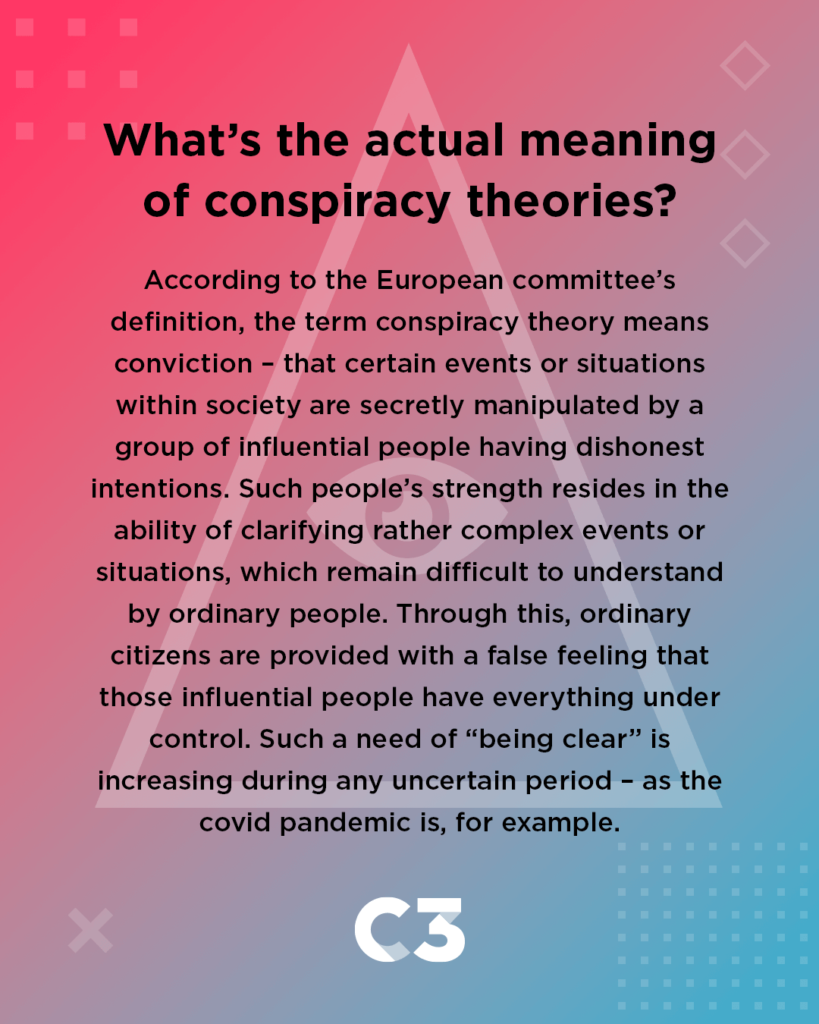
The Perpetual Battle for Digital Truth
What conspiracy means today is a reflection of our digital world: a complex, interconnected web where information, truth, and deception are in a constant, dynamic struggle. The battle against digital conspiracies is not a one-time fight but a perpetual endeavor that requires continuous innovation in technology, adaptable policies, and an ever-vigilant, digitally literate populace. As technology continues to reshape our reality, our understanding of what constitutes a “conspiracy” will adapt in lockstep, demanding ongoing vigilance and sophisticated tech-driven solutions to safeguard our digital trust and security.
aViewFromTheCave is a participant in the Amazon Services LLC Associates Program, an affiliate advertising program designed to provide a means for sites to earn advertising fees by advertising and linking to Amazon.com. Amazon, the Amazon logo, AmazonSupply, and the AmazonSupply logo are trademarks of Amazon.com, Inc. or its affiliates. As an Amazon Associate we earn affiliate commissions from qualifying purchases.