
Hypertension, commonly known as high blood pressure, is a silent epidemic affecting billions worldwide. While its primary classification is as a medical condition, the “risks” associated with hypertension extend far beyond clinical symptoms. For individuals, families, businesses, and even national economies, the financial implications of hypertension are profound, pervasive, and often underestimated. This article delves into the significant financial risks posed by hypertension, exploring how this health condition can erode personal wealth, strain budgets, impact careers, and necessitate strategic financial planning.
The Direct Costs: A Growing Financial Burden
The most immediate and apparent financial risks of hypertension stem from the direct costs associated with its diagnosis, treatment, and management. These expenses can accumulate rapidly, forming a substantial and often unexpected burden.

Medical Consultations and Diagnostics
Regular monitoring is crucial for hypertension management. This translates into recurring doctor visits, which, even with insurance, often incur co-pays, deductibles, or out-of-pocket expenses. Initial diagnoses and ongoing assessments require various diagnostic tests, including blood pressure monitoring devices, blood tests, and potentially more advanced cardiovascular screenings, each adding to the financial outlay. Without adequate insurance, these costs alone can be prohibitive, delaying diagnosis and treatment and exacerbating long-term risks.
Pharmaceutical Expenses and Long-term Medication
Hypertension is frequently a lifelong condition requiring continuous medication. The cost of antihypertensive drugs can vary significantly, but for many, it represents a recurring monthly expenditure. Even generic versions, when taken over decades, can sum up to tens of thousands of dollars. Specialized or newer medications, often prescribed for complex cases or specific patient profiles, can be substantially more expensive. Patients may also require additional medications to manage co-existing conditions often linked to hypertension, such as high cholesterol or diabetes, multiplying pharmaceutical costs.
Emergency Care and Hospitalizations
Untreated or poorly managed hypertension significantly increases the risk of severe cardiovascular events like heart attacks, strokes, and kidney failure. These acute episodes almost invariably lead to emergency room visits and potential hospitalization, which are among the most expensive components of healthcare. A single hospitalization for a stroke or heart attack can easily run into five or even six figures, even with health insurance, leaving patients with substantial out-of-pocket maximums or uncovered expenses. The long-term rehabilitation often required after such events adds another layer of significant financial strain.
Specialized Treatments and Procedures
Beyond medication, some individuals with hypertension or its complications may require specialized medical procedures. This could include angioplasty, stenting, pacemaker implantation, or dialysis for kidney failure. These interventions are complex, resource-intensive, and carry hefty price tags. While insurance may cover a portion, the patient’s share, combined with pre- and post-procedure care, can decimate savings and lead to significant medical debt.
Indirect Financial Fallout: Beyond the Doctor’s Bill
The financial impact of hypertension extends far beyond direct medical expenses. Indirect costs, though often less visible, can be equally devastating, affecting earning potential, insurance accessibility, and family dynamics.
Loss of Income and Productivity
When hypertension leads to complications such as stroke or heart attack, individuals may face periods of incapacitation, temporary disability, or permanent disability. This directly results in lost wages or reduced earning capacity. Even without acute events, chronic hypertension can cause fatigue, dizziness, and other symptoms that impair concentration and productivity at work. For self-employed individuals, any downtime is a direct loss of income. For salaried employees, prolonged absences can lead to reduced bonuses, demotions, or even job loss, severely impacting household income.
Impact on Employment and Career Progression
Employers increasingly recognize the link between employee health and productivity. Individuals with chronic conditions like hypertension, especially if poorly managed, might be perceived as higher-risk for absenteeism or reduced output. This can subtly affect career advancement opportunities, promotions, or even initial hiring decisions in competitive environments. Furthermore, certain physically demanding professions may have stricter health requirements, potentially limiting career choices for those with severe hypertension.
Increased Insurance Premiums and Reduced Coverage
Having a pre-existing condition like hypertension can significantly impact health and life insurance policies. While the Affordable Care Act (ACA) prevents insurers from denying health coverage or charging more based on pre-existing conditions for individual and small group plans, large group plans might still differentiate. For life insurance and disability insurance, hypertension is a major underwriting factor. Individuals with hypertension often face higher premiums, reduced coverage amounts, or even outright denial for certain policies, leaving their dependents financially vulnerable in case of incapacitation or death.
Caregiving Costs and Family Strain
When hypertension leads to severe disability, family members often step in as caregivers. This can be a significant emotional and physical burden, but also a substantial financial one. A caregiver might have to reduce working hours, take unpaid leave, or even quit their job entirely, resulting in a direct loss of household income. Additionally, costs associated with home modifications, specialized equipment, or professional in-home care services can quickly add up, further straining family finances.
Long-Term Financial Planning and Wealth Erosion
The cumulative effect of direct and indirect financial risks associated with hypertension can severely undermine long-term financial planning, erode accumulated wealth, and create cycles of debt.
Retirement Security at Risk
Retirement planning heavily relies on consistent savings and investments over decades. The ongoing medical expenses, lost income, and potential caregiving costs associated with hypertension can significantly derail these plans. Funds earmarked for retirement might be siphoned off to cover immediate medical bills or living expenses, forcing individuals to work longer or accept a reduced quality of life in retirement. The prospect of living on a fixed income during retirement while simultaneously managing chronic health costs is a terrifying reality for many.
Depletion of Savings and Investments
Emergency funds, college savings, and investment portfolios are often the first lines of defense against unforeseen financial shocks. However, the prolonged and substantial financial drain of hypertension-related costs can quickly deplete these reserves. What might have been a nest egg for future goals can be entirely consumed by medical debt, leaving individuals and families without a financial safety net for other life events.
Estate Planning Complications
Chronic illness and associated medical debt can complicate estate planning. Assets that were intended for beneficiaries might be significantly reduced or entirely consumed by outstanding medical bills or long-term care costs. This can create undue stress and financial burden for surviving family members, making the aftermath of a loved one’s passing even more challenging.
Debt Accumulation Due to Medical Bills
Perhaps one of the most insidious financial risks of hypertension is the accumulation of medical debt. Despite having insurance, the gaps in coverage, high deductibles, co-pays, and uncovered services can lead to substantial out-of-pocket expenses. When these cannot be paid promptly, they often transition into medical debt, which can negatively impact credit scores, limit access to loans or mortgages, and create a cycle of financial instability that can take years to overcome.
Mitigating the Financial Impact: Strategic Financial Wellness
Understanding the financial risks of hypertension is the first step; taking proactive measures to mitigate them is the crucial next. A comprehensive approach involves both prudent health management and robust financial planning.
Proactive Health Management as a Financial Strategy
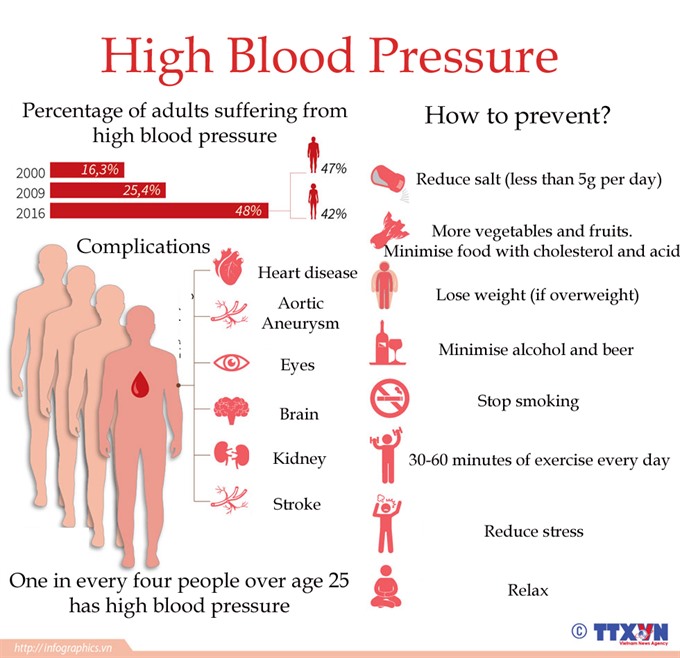
While this article focuses on financial risks, it’s impossible to discuss mitigation without acknowledging the foundational role of health management. Lifestyle modifications such as a balanced diet, regular exercise, weight management, and stress reduction can significantly control blood pressure, reduce medication needs, and prevent complications. From a financial perspective, investing time and effort into preventive health is one of the most cost-effective strategies against future medical expenses and lost income. Regular check-ups, medication adherence, and working closely with healthcare providers are not just good for health; they are sound financial decisions.
Robust Health Insurance and Supplemental Coverage
Having comprehensive health insurance is paramount. Individuals should thoroughly understand their policy’s coverage, deductibles, co-pays, and out-of-pocket maximums. For those with existing hypertension, exploring supplemental insurance options, such as critical illness insurance or disability income insurance, can provide an essential financial buffer in case of severe complications or loss of income. Investing in a good policy should be viewed not as an expense, but as protection for one’s entire financial ecosystem.
Emergency Funds and Health Savings Accounts (HSAs)
Building a robust emergency fund specifically earmarked for health-related contingencies is vital. Aim for at least 3-6 months of living expenses, with an additional buffer for potential medical costs. For those eligible, a Health Savings Account (HSA) is an invaluable financial tool. Contributions are tax-deductible, funds grow tax-free, and withdrawals for qualified medical expenses are tax-free. HSAs can serve as a powerful long-term savings vehicle for healthcare costs, especially during retirement when medical expenses tend to escalate.
Financial Planning and Professional Guidance
Engaging with a financial advisor who understands the complexities of healthcare costs can be immensely beneficial. They can help assess an individual’s financial situation, develop a personalized plan that accounts for potential hypertension-related expenses, explore investment strategies for healthcare savings, and integrate these considerations into overall retirement and estate planning. A proactive financial plan can transform potential crises into manageable challenges.
Conclusion
Hypertension is far more than just a medical diagnosis; it presents a formidable array of financial risks that can undermine an individual’s, family’s, or even a business’s long-term prosperity. From direct medical bills and pharmaceutical costs to the indirect burdens of lost income, increased insurance premiums, and the erosion of retirement savings, the financial shadow cast by high blood pressure is expansive. Recognizing these monetary risks is the critical first step towards financial preparedness. By prioritizing proactive health management and implementing strategic financial planning, individuals can significantly mitigate these risks, safeguarding their financial well-being against the silent but powerful threat of hypertension.
aViewFromTheCave is a participant in the Amazon Services LLC Associates Program, an affiliate advertising program designed to provide a means for sites to earn advertising fees by advertising and linking to Amazon.com. Amazon, the Amazon logo, AmazonSupply, and the AmazonSupply logo are trademarks of Amazon.com, Inc. or its affiliates. As an Amazon Associate we earn affiliate commissions from qualifying purchases.