
The sheer scale of a nation’s population is far more than a mere demographic statistic; it is a fundamental determinant of its economic trajectory, market potential, and global financial influence. In the intricate tapestry of global finance, countries with vast populations often represent both colossal opportunities and complex challenges, shaping everything from consumer markets and labor forces to infrastructure development and investment strategies. Understanding the financial implications of these demographic giants is crucial for investors, businesses, policymakers, and anyone seeking to grasp the undercurrents of the world economy. This article delves into the financial lens through which we can examine the most populated countries, exploring their unique economic attributes and the financial dynamics they unleash.

The Economic Gravitas of Population Giants
At the core of a large population’s financial impact lies its ability to create an immense economic engine. Nations like China and India, the world’s two most populous countries, exemplify how demographic scale translates into significant economic gravitas, influencing global markets and attracting substantial financial flows.
Market Size and Consumer Power
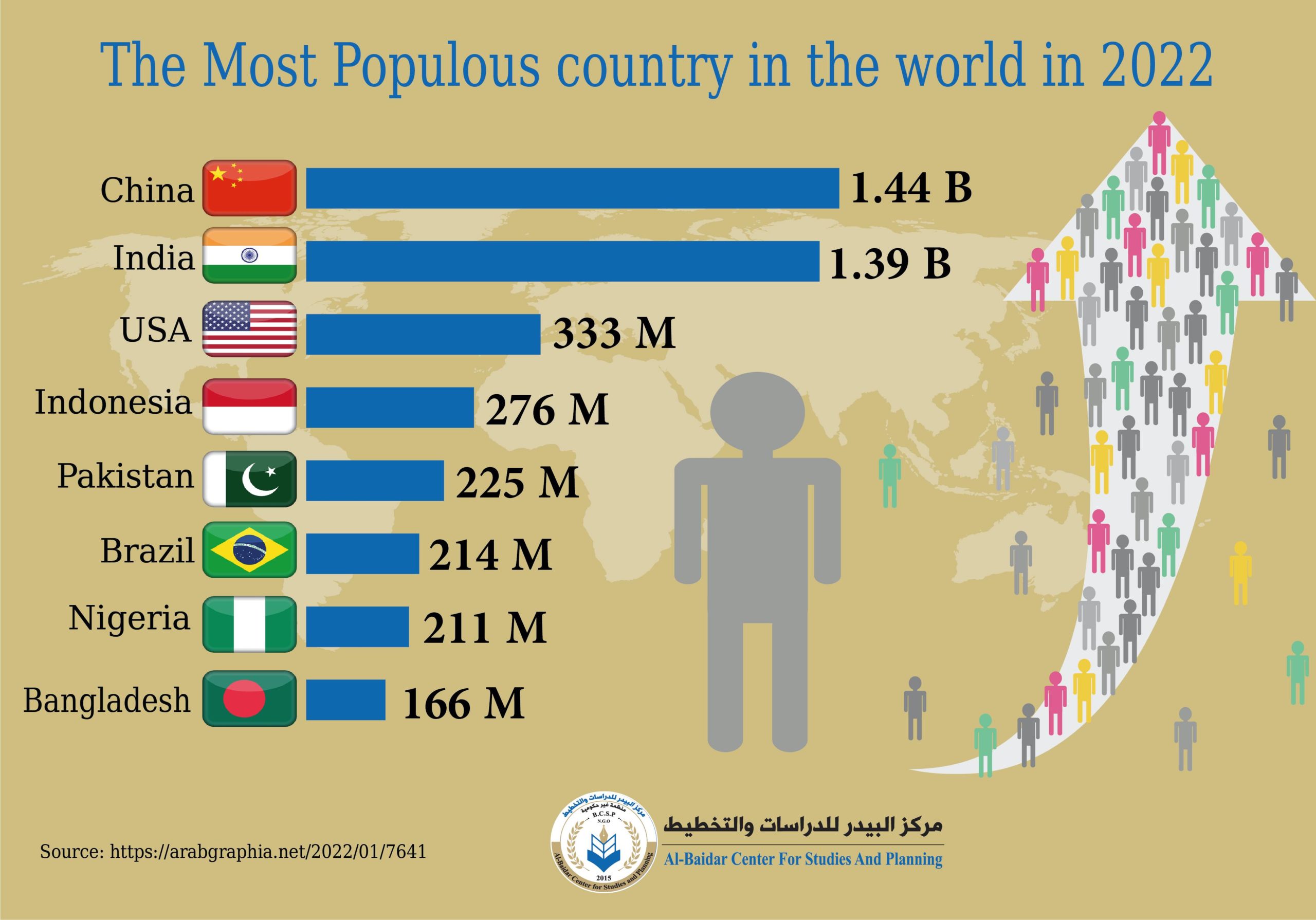
A large population inherently translates into a vast domestic market, presenting an unparalleled opportunity for businesses across almost all sectors. The sheer number of potential consumers in countries such as China, India, the United States, Indonesia, and Pakistan creates a robust internal demand for goods and services. This domestic consumption acts as a powerful buffer against global economic downturns and provides a stable foundation for economic growth. For multinational corporations, these populous nations are not just destinations for exports but critical markets where local production and tailored marketing strategies can yield massive returns. The burgeoning middle classes in these countries, often numbering in the hundreds of millions, represent a particularly attractive segment, driving demand for everything from consumer electronics and automotive to healthcare and luxury goods. Their collective purchasing power can sustain entire industries and even dictate global price trends for certain commodities. From a financial perspective, investing in companies that cater to these massive consumer bases often presents compelling growth prospects, as expansion within such a market can be exponential.
Workforce Dynamics and Labor Supply
Another profound financial implication of a large population is its impact on the labor market. Countries with extensive populations typically boast a substantial workforce, which can be a significant economic asset. A large labor pool, particularly one that is young and increasingly educated, offers competitive advantages in manufacturing and services due to lower labor costs and high availability. This has historically fueled the industrialization and economic growth of many emerging economies, attracting foreign direct investment (FDI) seeking efficient production bases. However, managing such a vast workforce also presents complex financial challenges. Ensuring adequate employment opportunities, investing in skills development to match evolving industrial needs, and managing wage inflation are constant balancing acts for policymakers. While a “demographic dividend” can occur when a large working-age population supports a smaller dependent population, a failure to create sufficient productive jobs can lead to widespread unemployment, social instability, and lost economic potential, directly impacting national income and individual financial well-being. The financial sector plays a critical role here, providing micro-financing, supporting small and medium enterprises (SMEs), and developing innovative financial tools to empower the labor force.
Investment Hotspots and Emerging Markets
For global investors, the most populated countries frequently appear as prime investment destinations. Their demographic scale, combined with varying stages of economic development, creates diverse opportunities ranging from established industries to nascent sectors poised for rapid growth.
Attracting Foreign Direct Investment (FDI)
The allure of massive consumer markets and abundant labor resources makes populous countries magnets for Foreign Direct Investment (FDI). International companies are keen to establish a foothold, either through manufacturing facilities, service centers, or strategic partnerships, to tap into these growing economies. FDI brings not only capital but also technology, management expertise, and access to global supply chains, fostering local economic development and creating jobs. For the host country, FDI is a crucial source of external finance, supplementing domestic savings and enabling large-scale infrastructure projects. From an investor’s perspective, placing capital in these markets allows for diversification and access to higher growth rates often unavailable in more saturated developed economies. However, navigating the investment landscape in these countries requires a deep understanding of local regulations, political stability, currency risks, and cultural nuances, all of which directly impact the financial viability and profitability of ventures.
Domestic Investment and Infrastructure Needs
Supporting a colossal population necessitates colossal investment in infrastructure. Housing, transportation networks, energy grids, water systems, and telecommunications require continuous, substantial capital expenditure. This creates a powerful demand for domestic investment, stimulating local industries and generating financial opportunities for construction firms, engineering companies, and material suppliers. Governments in highly populated countries often embark on ambitious public-private partnerships (PPPs) to finance these projects, blending public funds with private sector capital and expertise. For financial institutions, this translates into significant opportunities for project financing, municipal bond markets, and direct investments. Moreover, as populations grow and urbanize, the demand for social infrastructure – schools, hospitals, recreational facilities – also escalates, presenting further avenues for investment. The scale of these needs means that internal capital generation and efficient allocation of funds are paramount for sustained economic growth and improved living standards, directly impacting the financial health of the nation and its citizens.
Navigating the Financial Challenges of Demographic Scale
While offering immense opportunities, large populations also present significant financial challenges. Managing resources, public finances, and ensuring equitable distribution of wealth become monumental tasks.
Resource Strain and Sustainability Costs
One of the most pressing financial challenges for highly populated countries is the strain on natural resources. Providing sufficient food, clean water, and energy for billions of people requires immense investment and sustainable management strategies. The economic cost of resource depletion, environmental degradation, and climate change adaptation can be staggering, diverting funds from other critical development areas. For instance, countries heavily reliant on agriculture for their large populations face significant financial risks from climate variability, necessitating investments in resilient farming techniques, water management infrastructure, and food security programs. Furthermore, the push towards green energy and sustainable practices in these nations requires massive capital outlays, often in the trillions of dollars, presenting both a financial burden and an investment opportunity in renewable technologies. Businesses and investors focused on sustainable finance, environmental technologies, and resource efficiency will find these markets increasingly important.
Social Welfare and Public Finance
The financial burden of providing comprehensive social welfare programs for a vast population is enormous. Healthcare, education, and social security systems in populous countries demand substantial allocations from national budgets. Financing these essential services often requires a robust tax base, efficient revenue collection, and careful fiscal management to avoid accumulating unsustainable public debt. Demographic shifts, such as an aging population (as seen in some developed populous nations) or a continuously growing young population, can further strain public finances. For example, a rapidly aging population necessitates increased pension and healthcare expenditure, potentially reducing the workforce’s support ratio. Conversely, a large youth bulge requires massive investments in education and job creation. Striking a balance between social provision and fiscal prudence is a constant financial tightrope walk, impacting bond markets, sovereign ratings, and the overall stability of national economies.
The Future Landscape: Demographics, Technology, and Economic Power Shifts
The interplay between demographic trends, technological advancements, and evolving global financial structures will continue to redefine the economic potential of the most populated countries.
Digitalization and Economic Transformation
Technology is emerging as a critical enabler for managing and empowering large populations, leading to significant economic transformation. In populous nations, digital platforms for e-commerce, online education, telemedicine, and financial services (FinTech) are not just conveniences; they are tools for economic inclusion and growth. Digital payment systems, for instance, can bring millions of unbanked individuals into the formal economy, fostering savings, credit access, and new income-generating opportunities. Governments are also leveraging technology for efficient public service delivery and revenue collection, enhancing fiscal management. The rapid adoption of digital solutions in countries like India and China has created new economic sectors, fostered entrepreneurship, and attracted massive venture capital investments, demonstrating how technology can unlock the financial potential of large human capital.

Geopolitical and Economic Influence
As the most populated countries continue to develop their economies, their financial and geopolitical influence on the global stage grows commensurately. Their large domestic markets become leverage points in international trade negotiations, and their growing economic clout gives them greater sway in international financial institutions like the IMF and World Bank. Countries like China are increasingly funding and leading infrastructure development projects globally (e.g., Belt and Road Initiative), shifting the dynamics of international finance. India’s rising economic stature is similarly reshaping global supply chains and attracting unprecedented investment. Understanding these power shifts is vital for investors and businesses, as they impact currency valuations, trade policies, commodity prices, and the overall stability of the global financial system. The financial decisions made in these demographic giants reverberate across continents, making their economic health a critical factor in global financial forecasting.
In conclusion, the question of “what are the most populated countries” extends far beyond mere numbers. It delves deep into the economic fabric of nations, revealing the intricate financial relationships between human capital, market dynamics, investment flows, and public finance. From driving colossal consumer demand and providing vast labor pools to posing complex resource management and social welfare challenges, large populations are inextricably linked to a nation’s financial destiny. As these demographic behemoths navigate the complexities of sustainable growth and technological transformation, their financial trajectories will undoubtedly continue to shape the global economic landscape for decades to come, offering both formidable challenges and unparalleled opportunities for those who understand their profound financial implications.
aViewFromTheCave is a participant in the Amazon Services LLC Associates Program, an affiliate advertising program designed to provide a means for sites to earn advertising fees by advertising and linking to Amazon.com. Amazon, the Amazon logo, AmazonSupply, and the AmazonSupply logo are trademarks of Amazon.com, Inc. or its affiliates. As an Amazon Associate we earn affiliate commissions from qualifying purchases.