
In the increasingly health-conscious global market, the perceived health benefits of a product are no longer mere footnotes but foundational pillars upon which successful brands are built. For coconut juice, often lauded as “nature’s sports drink” or a “superfood elixir,” its array of health benefits form the core of its brand identity and market appeal. Understanding these benefits, not just from a nutritional standpoint but from a strategic branding perspective, is paramount for companies looking to thrive in the competitive beverage landscape. This article will delve into the various health benefits of coconut juice, examining how they are strategically utilized by brands to carve out market share, foster consumer loyalty, and shape a compelling corporate identity.

The Strategic Role of Health Claims in Beverage Brand Positioning
For coconut juice brands, communicating health benefits isn’t just about informing consumers; it’s about crafting a narrative that positions the product as an essential part of a healthy lifestyle. This strategic communication forms the bedrock of brand positioning, helping companies stand out in crowded aisles. Brands leverage specific health claims to target particular demographics, from athletes seeking natural hydration to wellness enthusiasts pursuing natural detoxifiers.
Building Brand Trust Through Authentic Health Messaging
In an era of discerning consumers wary of ‘greenwashing’ and inflated claims, authenticity is currency. Coconut juice brands that genuinely articulate the scientific backing behind their health claims, rather than resorting to vague superlatives, build stronger trust with their audience. This involves transparent ingredient sourcing, clear nutritional labeling, and consistent messaging across all brand touchpoints. For instance, a brand that highlights its commitment to using young, fresh coconuts from specific regions, coupled with scientific explanations of electrolyte content, establishes a perception of purity and efficacy. This authenticity translates into brand equity, as consumers increasingly seek out products from brands they can trust to deliver on their health promises. The credibility derived from honest health messaging not only attracts new customers but also converts them into loyal advocates, sharing their positive experiences within their social circles and further amplifying the brand’s reach.
Navigating Regulatory Compliance and Ethical Marketing Practices
The communication of health benefits is heavily regulated, and brands must navigate a complex landscape of food and beverage laws. Misleading claims can lead to hefty fines, product recalls, and irreparable damage to brand reputation. Ethical marketing practices dictate that brands avoid exaggeration, use clear and unambiguous language, and ensure that all health claims are substantiated by scientific evidence. This compliance isn’t merely a legal obligation; it’s a critical component of ethical brand building. Brands that demonstrate a commitment to regulatory adherence signal responsibility and integrity, reinforcing consumer confidence. For instance, phrases like “a good source of potassium” or “naturally hydrating” are generally acceptable, while unsupported claims of “curing diseases” are not. By investing in thorough research and legal review, brands protect themselves while simultaneously building a responsible and trustworthy image. This meticulous approach to health claims ensures that the brand’s message is not only persuasive but also unimpeachable, forming a solid foundation for long-term market success.
Differentiating Coconut Juice Brands Through Unique Health Value Propositions
While many coconut juice brands share common health benefits, successful brands find ways to differentiate themselves by emphasizing unique aspects or tailoring their messaging to specific consumer needs. This targeted approach allows them to connect with niche markets and establish a distinct identity.
Emphasizing Electrolyte Replenishment for Active Lifestyles
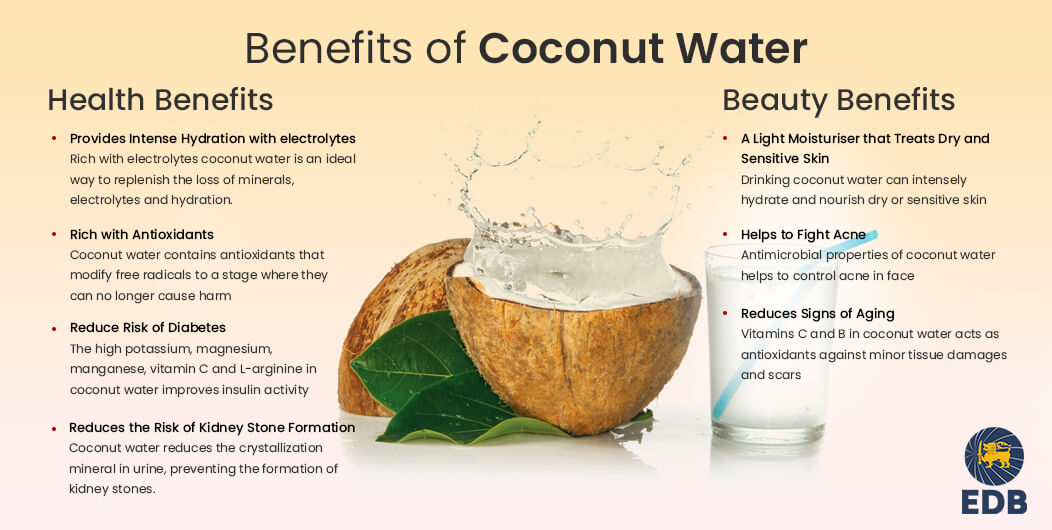
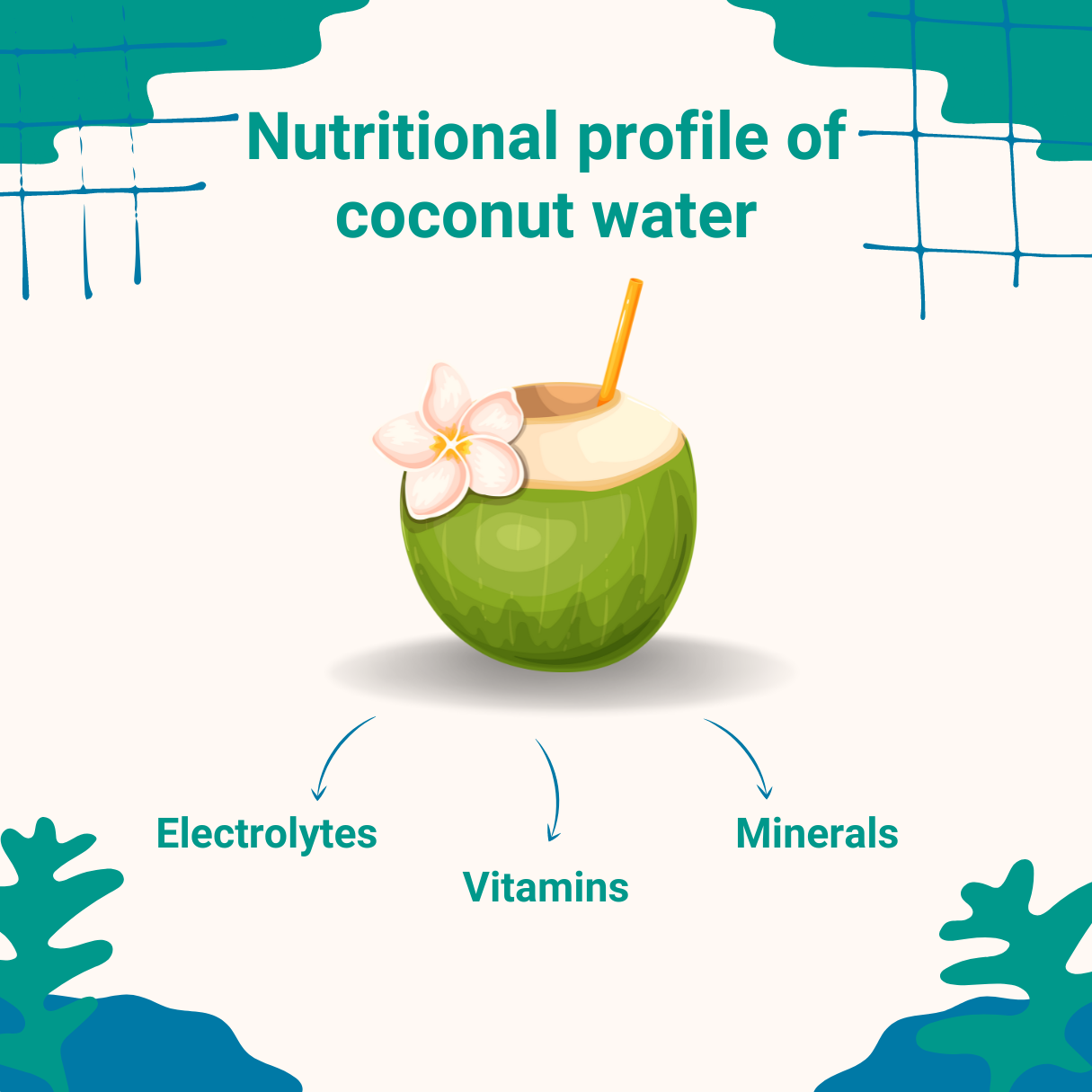
One of the most widely recognized health benefits of coconut juice is its natural electrolyte content, including potassium, sodium, magnesium, and calcium. Brands targeting athletes, fitness enthusiasts, and individuals with active lifestyles heavily lean into this aspect. They position coconut juice as a superior, natural alternative to artificial sports drinks, free from added sugars, colors, and synthetic ingredients. Marketing campaigns often feature testimonials from athletes, imagery of vibrant, active individuals, and direct comparisons to less natural hydration options. This positioning taps into a growing desire for clean-label products that support performance and recovery. For instance, a brand might launch a “post-workout recovery” line, highlighting its specific electrolyte balance designed to replenish fluids faster. This strategic focus creates a clear value proposition for a segment of consumers who prioritize natural, effective hydration for their physical endeavors.
Highlighting Antioxidant Properties and Natural Hydration
Beyond electrolytes, coconut juice boasts antioxidant properties and exceptional hydrating capabilities. Brands targeting general wellness, beauty-conscious consumers, or those seeking digestive health often highlight these benefits. Antioxidants help combat oxidative stress, contributing to overall health and potentially anti-aging effects, while superior hydration is fundamental for skin health, metabolism, and organ function. Messaging might focus on the “radiant glow” associated with proper hydration or the “detoxifying” qualities of antioxidants. This broad appeal allows brands to reach a wider audience than just the sports segment. For example, a brand could partner with dermatologists or wellness influencers to promote coconut juice as a daily ritual for inner and outer well-being. By diversifying the emphasis on health benefits, brands can create a multi-faceted appeal, positioning coconut juice not just as a beverage but as a holistic wellness tool.
Case Studies: Successful Brand Narratives Leveraging Coconut Juice’s Wellness Appeal
Examining successful coconut juice brands reveals common threads in how they translate health benefits into compelling brand narratives. These case studies offer valuable insights into effective branding strategies.
Transforming a Niche Ingredient into a Mainstream Health Beverage
A significant challenge for early coconut juice brands was introducing a relatively unfamiliar product to Western markets. Early success stories often involved educating consumers about the product’s origin, purity, and natural benefits. Brands like Vita Coco and Zico played a pivotal role in this transformation. They invested heavily in marketing that demystified coconut juice, highlighting its natural source and the intrinsic hydration benefits. Their campaigns initially focused on positioning it as a refreshing, healthy alternative to sugary sodas and artificial sports drinks. By emphasizing its natural electrolytes and low calorie count, they successfully shifted consumer perception from an exotic novelty to an everyday health staple. This transformation wasn’t solely about product availability; it was a masterful exercise in consumer education and perception management, turning a niche ingredient into a household name synonymous with wellness. Their branding focused on lifestyle, making coconut juice a symbol of active, health-conscious living.
Design and Packaging as Communicators of Purity and Wellness
The visual identity of a coconut juice brand is as crucial as its messaging. Packaging design, color palettes, and typography all contribute to how consumers perceive the product’s health attributes. Brands often opt for minimalist designs, natural hues (greens, whites, blues), and imagery that evokes tropical freshness and purity. Transparent packaging, for instance, visually communicates the product’s natural state and clarity. Labels often highlight key benefits like “100% pure,” “no added sugar,” or “natural electrolytes” with prominent placement. For example, brands often use illustrations of fresh coconuts or tropical landscapes to reinforce the natural origin and unprocessed quality of their juice. This visual storytelling reinforces the health narrative, instantly conveying the brand’s commitment to natural ingredients and wellness. The sensory experience begins before the first sip, with packaging serving as the silent, yet powerful, ambassador for the brand’s health promise.
Cultivating Consumer Loyalty via Health-Conscious Brand Engagement
Beyond initial sales, fostering long-term consumer loyalty is critical for sustainable brand growth. For coconut juice brands, this often involves engaging with the health-conscious community and aligning the brand with broader wellness movements.
Fostering Community and Lifestyle Alignment
Successful coconut juice brands don’t just sell a product; they sell a lifestyle. They build communities around shared values of health, sustainability, and well-being. This can involve sponsoring fitness events, partnering with yoga studios, or promoting healthy recipes online. By integrating themselves into the health and wellness ecosystem, brands create a sense of belonging and relevance for their consumers. Online platforms, particularly social media, are instrumental in this, allowing brands to interact directly with their audience, share user-generated content, and cultivate a loyal following. For instance, a brand might host a “30-day hydration challenge” or share tips for mindful living, positioning coconut juice as an enabler of these aspirational lifestyles. This approach transforms the brand from a mere beverage provider into a lifestyle partner, deepening consumer engagement and loyalty far beyond transactional relationships.
The Impact of Influencer Marketing and Health Endorsements
In the digital age, influencer marketing has become a powerful tool for promoting health products. Coconut juice brands frequently collaborate with fitness gurus, nutritionists, wellness bloggers, and celebrities who embody a healthy lifestyle. These endorsements lend credibility and authenticity to the brand’s health claims, reaching a wide, engaged audience. When a trusted influencer shares their positive experience with a coconut juice brand, it resonates deeply with their followers, often leading to significant shifts in purchasing behavior. However, the key is to choose influencers whose personal brand genuinely aligns with the values and perceived health benefits of the coconut juice. Discrepancies can quickly undermine credibility. Brands must ensure that such partnerships feel organic and genuine, rather than purely transactional, reinforcing the authentic health message they aim to convey.
Future Directions: Evolving Brand Strategies for Coconut Juice’s Health Perception
The market for health and wellness products is constantly evolving, requiring coconut juice brands to innovate and adapt their strategies to maintain relevance and competitive advantage. Future branding efforts will likely focus on deeper integration of ethical practices and product innovation.
Integrating Sustainability and Ethical Sourcing into Brand Identity
As consumers become more environmentally and socially conscious, sustainability and ethical sourcing are becoming non-negotiable brand values. For coconut juice, this means highlighting responsible farming practices, fair trade certifications, and efforts to reduce environmental impact, such as eco-friendly packaging. Brands that can authentically demonstrate their commitment to the planet and the communities that grow their coconuts will gain a significant competitive edge. This isn’t just about marketing; it’s about embedding sustainability into the brand’s DNA. For example, a brand might highlight its initiatives to support local farmers, reduce water waste, or use recyclable materials. This approach appeals to the holistic health seeker who views personal well-being as interconnected with planetary health, thereby expanding the brand’s appeal beyond just nutritional benefits to encompass a broader ethical positioning.
Innovating Product Lines and Expanding Health-Focused Claims
To stay ahead, brands must continuously innovate their product lines and explore new ways to enhance or combine coconut juice’s health benefits. This could involve creating functional blends with other superfoods, adding probiotics for gut health, or developing specialized formulations for specific needs (e.g., enhanced recovery, immune support). Such innovations allow brands to expand their health-focused claims and appeal to an even wider range of consumer preferences and health goals. For instance, a brand could introduce a coconut juice infused with turmeric for anti-inflammatory benefits or with chia seeds for added fiber. By constantly researching and developing products that align with emerging health trends, coconut juice brands can maintain their dynamic edge, ensuring they remain at the forefront of the natural health beverage market. This continuous evolution in product offerings and benefit articulation is crucial for long-term brand vitality and market leadership.
In conclusion, the perceived health benefits of coconut juice are far more than just nutritional facts; they are powerful strategic assets that shape brand identity, drive marketing initiatives, and cultivate deep consumer connections. By authentically communicating these benefits, adhering to ethical practices, innovating product offerings, and engaging with their target audience on a lifestyle level, coconut juice brands can ensure their continued success in the ever-evolving landscape of health and wellness. The question “What are the health benefits of coconut juice?” thus transforms from a simple inquiry into a cornerstone of effective brand strategy.
aViewFromTheCave is a participant in the Amazon Services LLC Associates Program, an affiliate advertising program designed to provide a means for sites to earn advertising fees by advertising and linking to Amazon.com. Amazon, the Amazon logo, AmazonSupply, and the AmazonSupply logo are trademarks of Amazon.com, Inc. or its affiliates. As an Amazon Associate we earn affiliate commissions from qualifying purchases.