
Government holidays are more than just calendar markers; they are economic events with far-reaching financial implications for individuals, businesses, and the national economy. From impacting personal budgets and income streams to shaping corporate payrolls and market trends, understanding these holidays through a financial lens is crucial for effective planning and decision-making. This article delves into the multifaceted financial aspects of government holidays, offering insights for both employees and employers.
Understanding Government Holidays: More Than Just a Day Off
At their core, government holidays represent designated days when federal offices are closed, and most federal employees receive paid time off. However, the ripple effect extends much further, influencing state and local governments, the private sector, and consumer behavior. Recognizing the distinction and breadth of these observances is the first step in assessing their financial footprint.
The Basics of Federal Holidays and Their Origin
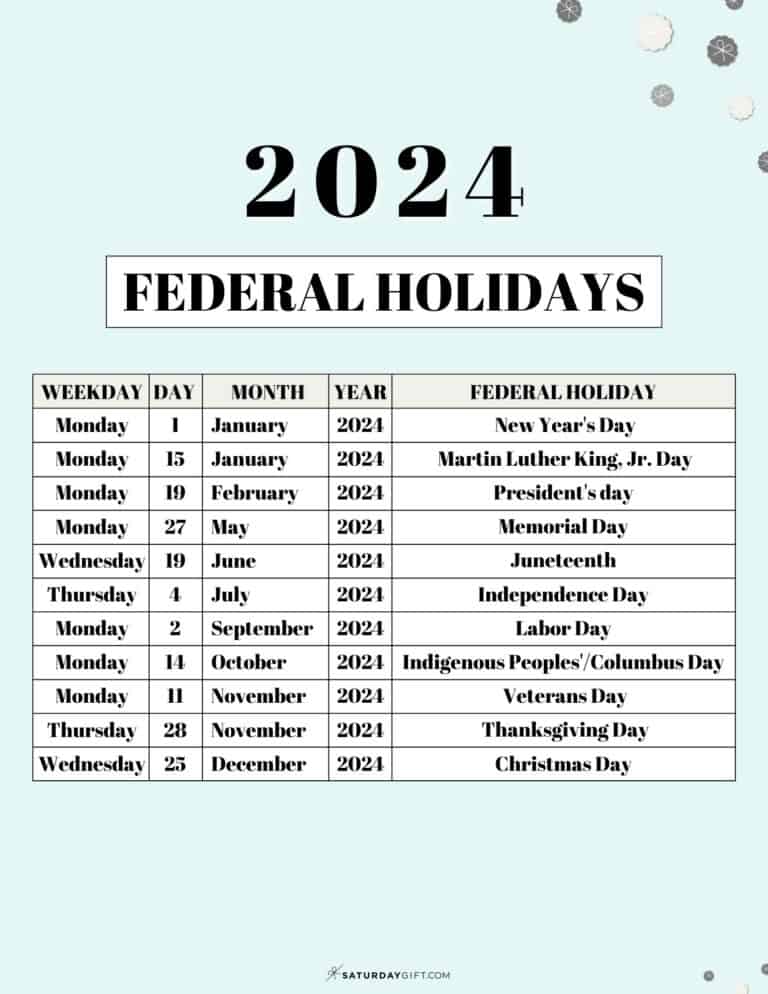
In the United States, federal holidays are established by law and typically commemorate significant historical events or cultural traditions. Examples include New Year’s Day, Martin Luther King, Jr.’s Birthday, Memorial Day, Independence Day, Labor Day, Thanksgiving Day, and Christmas Day, among others. While these holidays are mandated for federal employees, their observance by state and local governments, as well as private businesses, is often voluntary or determined by collective bargaining agreements and company policy.
Historically, these holidays emerged to provide respite and acknowledge important milestones, evolving into a fundamental aspect of employee benefits. The financial underpinning of these days off, specifically the concept of “paid time,” highlights their value as an employee benefit and a cost for employers. The economic rationale for these holidays often includes boosting morale, reducing burnout, and fostering a sense of national unity, all of which indirectly contribute to economic productivity and stability in the long run.
Distinguishing Between Public and Private Sector Financial Impact
The financial implications of government holidays differ markedly between the public and private sectors. For federal employees, a government holiday almost invariably means a paid day off, representing a direct financial benefit in the form of continued income without requiring labor. This guaranteed income allows for financial planning, whether for leisure, personal projects, or simply maintaining a stable budget.
In the private sector, the situation is more varied. While many private companies opt to observe federal holidays, offering paid time off to their employees, this is not legally mandated for most businesses. For some, particularly hourly workers, a holiday may mean unpaid time off, leading to a direct loss of income. Other companies might require employees to work on holidays, often compensating them with holiday pay (e.g., time-and-a-half or double pay), which becomes an increased labor cost for the business but an income opportunity for the employee. The decision to grant paid holidays in the private sector is often a strategic financial choice, weighing employee retention and morale against direct payroll costs and operational continuity. This distinction underscores the varying financial experiences individuals and businesses encounter during government holidays.
Financial Impact for Individuals: Navigating Your Paycheck and Budget
For individuals, government holidays are not just about rest and relaxation; they have tangible effects on personal finance, from the consistency of one’s paycheck to the patterns of holiday spending. Understanding these dynamics is key to effective personal financial management.
Paid Leave and Its Intrinsic Financial Value
The most direct financial benefit of government holidays for many employees is paid leave. For salaried individuals in roles that observe these holidays, it means receiving a full day’s wage without performing work. This translates into stable income, which is foundational for budgeting, savings, and debt management. It’s a valuable component of compensation packages, effectively increasing the hourly rate of pay over the year when factored in.
For hourly employees, the financial landscape can be more complex. If their employer observes the holiday without pay, it could result in a direct reduction in their weekly or bi-weekly income, necessitating careful budgeting to absorb the shortfall. Conversely, if an hourly employee is required to work on a holiday and receives premium pay (such as overtime or holiday bonuses), this can represent a significant boost to their earnings. Strategically choosing to work or take unpaid leave, therefore, becomes a crucial financial decision for these individuals. Understanding one’s company policy regarding holiday pay is paramount for predicting and managing one’s income stream.
Budgeting for Holiday Seasons: Managing Increased Spending
Government holidays frequently coalesce around peak consumer spending periods, such as the end-of-year holiday season (Thanksgiving, Christmas, New Year’s) or summer travel (Memorial Day, Independence Day, Labor Day). These periods are often associated with increased expenditures on travel, gifts, entertainment, and dining out. Without proper financial planning, these surges in spending can strain personal budgets, leading to debt accumulation or depletion of savings.
Effective budgeting for holiday seasons involves setting aside funds throughout the year, utilizing sinking funds for specific holiday expenses (e.g., a “Christmas fund” or “vacation fund”). Planning travel expenses well in advance, taking advantage of early bird discounts, and being mindful of peak season price hikes can mitigate costs. Furthermore, distinguishing between needs and wants during these celebratory times and prioritizing spending can prevent financial regret. By treating holidays as predictable financial events rather than unexpected windfalls or drains, individuals can maintain control over their finances.
Maximizing Time Off as a Financial Asset
Beyond direct income and expenditure, paid holidays offer a unique opportunity to generate or save money. For some, these extra days off can be leveraged for side hustles or gig economy work, turning leisure time into additional income streams. This might involve freelancing, driving for ride-sharing apps, or pursuing passion projects that have monetizing potential. This strategic use of “free” time can accelerate financial goals, whether it’s paying down debt, boosting savings, or investing.
Additionally, using holidays for self-improvement, professional development, or personal well-being can have indirect but significant financial benefits. Rest and rejuvenation can lead to increased productivity and focus upon returning to work, potentially enhancing career prospects and earning potential. Investing in learning new skills during these breaks can also open doors to higher-paying opportunities. Thus, government holidays, when viewed strategically, are not just moments of pause but potential catalysts for financial advancement and holistic personal growth.
Business Finance and Operational Considerations During Holidays
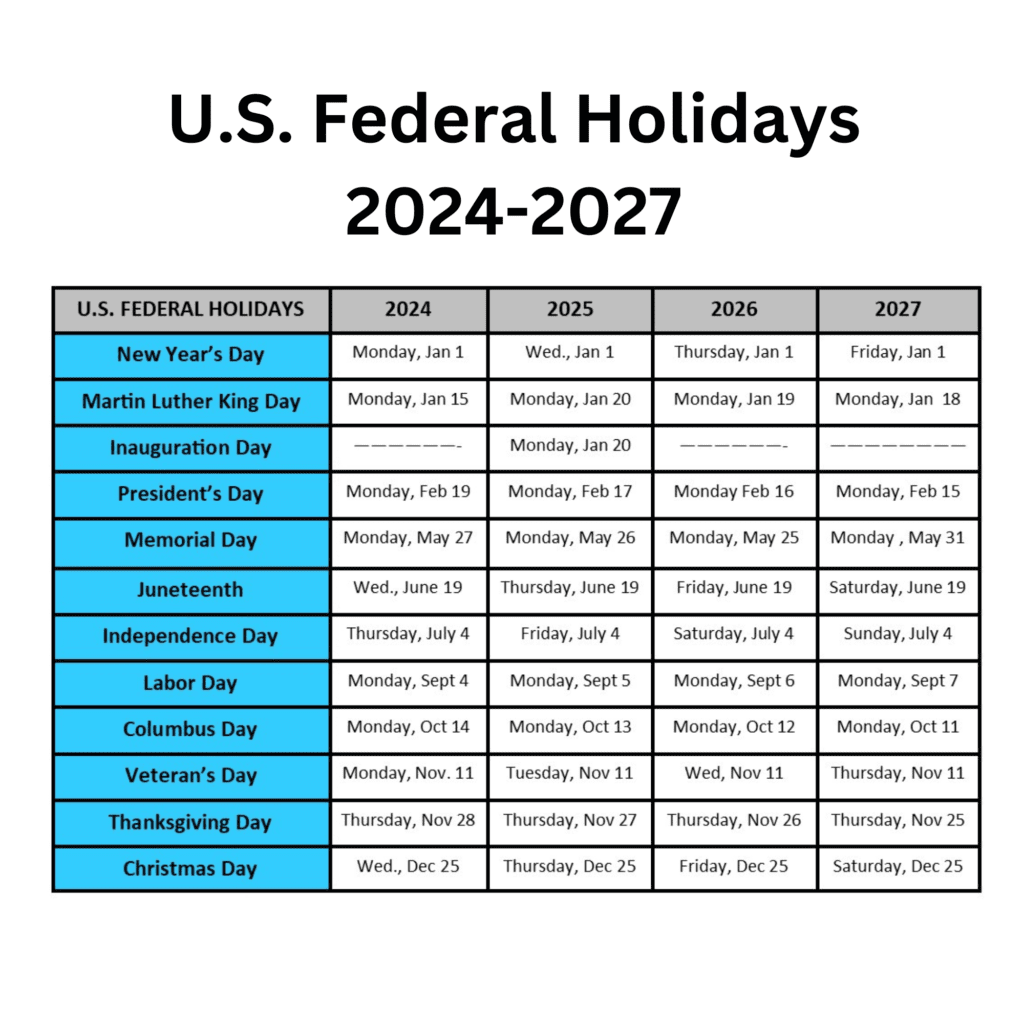
For businesses, government holidays present a complex interplay of costs, opportunities, and operational adjustments. From managing payroll to forecasting revenue, companies must skillfully navigate these periods to maintain financial health and achieve strategic objectives.
Payroll and Staffing Challenges: Balancing Cost and Coverage
One of the most immediate financial impacts for businesses observing government holidays is on payroll. Paying employees for non-working days represents a direct labor cost that must be absorbed. For large corporations with thousands of employees, this can amount to substantial sums, impacting quarterly earnings. Businesses that operate on holidays, such as retail, hospitality, or essential services, face the additional cost of premium pay (overtime, holiday pay) for employees who work these shifts. This necessitates careful scheduling and budgeting to ensure adequate staffing without incurring excessive labor expenses.
Moreover, managing staffing levels during holidays can be a delicate balance. Too many staff on a slow holiday can lead to inefficient spending, while too few can result in lost sales or reduced customer satisfaction during busy periods. Many businesses develop sophisticated labor forecasting models to predict demand and staff accordingly, optimizing for both cost efficiency and service quality. This involves evaluating historical sales data, understanding consumer behavior patterns around specific holidays, and adjusting staffing levels dynamically.
Revenue Fluctuations and Strategic Planning
Government holidays profoundly influence consumer behavior, leading to significant fluctuations in revenue for various industries. Retail sectors often experience massive spikes in sales before and during certain holidays (e.g., Black Friday, Christmas), while others might see a dip as consumers prioritize leisure over routine purchases. The travel and hospitality industries thrive during long weekends and extended holiday periods, benefiting from increased demand for flights, accommodation, and dining.
Businesses must engage in robust financial planning to capitalize on these opportunities and mitigate potential slowdowns. This includes:
- Inventory Management: Stocking up on popular items before holiday rushes and managing perishable goods carefully.
- Marketing and Sales Promotions: Launching targeted campaigns to attract holiday shoppers.
- Pricing Strategies: Adjusting prices to maximize revenue during peak demand or stimulate sales during slower periods.
- Forecasting: Using historical data and market trends to accurately predict sales volumes and cash flow, ensuring sufficient liquidity to cover expenses during variable revenue periods.
For service-based businesses or B2B companies, holidays can sometimes lead to reduced activity as clients and partners take time off, impacting revenue streams. Strategic planning here might involve scheduling maintenance, training, or internal projects during these slower times to optimize productivity.
Compliance and Employee Benefits: Financial Obligations
Beyond the direct costs, businesses also face financial obligations related to compliance with labor laws and managing employee benefits surrounding holidays. While federal law generally does not mandate private employers to offer paid holidays, state laws or collective bargaining agreements might impose such requirements. Companies must ensure their holiday pay policies are clear, consistent, and legally compliant to avoid potential penalties or disputes.
The provision of paid holidays is also a significant component of an overall employee benefits package, which plays a crucial role in talent acquisition and retention. From a financial perspective, investing in competitive holiday benefits can reduce turnover costs (recruitment, training) and enhance employee morale and productivity, indirectly contributing to the company’s bottom line. Therefore, the financial decision to offer paid holidays is often a strategic investment in human capital, weighing the direct payroll cost against the long-term benefits of a satisfied and stable workforce.
The Broader Economic Ripple: Holidays as Financial Drivers
Government holidays extend their financial influence far beyond individual paychecks and business ledgers, creating a significant ripple effect across the national economy. They are not merely interruptions to productivity but can act as powerful economic stimuli, shaping patterns of consumption, investment, and even social well-being.
Consumer Spending and Economic Stimulus
The aggregate effect of millions of individuals having time off, often with disposable income, culminates in massive surges in consumer spending during holiday periods. Retail sales, hospitality services, travel, and entertainment sectors consistently report peak activity around government holidays. For instance, the “holiday shopping season” that spans from Thanksgiving to Christmas is a critical period for retailers, often determining a substantial portion of their annual revenue. Similarly, long weekends associated with Memorial Day or Labor Day spur travel and leisure activities, boosting local economies dependent on tourism.
This concentrated consumer spending acts as a significant economic stimulus. It drives demand, encourages production, creates temporary and permanent jobs in various sectors, and contributes substantially to the Gross Domestic Product (GDP). Governments and economists closely monitor holiday spending trends as an indicator of consumer confidence and overall economic health. Promotional events, sales, and special offers strategically timed around these holidays further amplify their economic impact, creating a cyclical relationship between leisure, spending, and economic growth.
Productivity vs. Well-being Trade-off: An Economic Argument
The economic impact of government holidays also involves a nuanced discussion around productivity. On one hand, non-working days represent a direct loss of immediate productivity. Businesses that close or operate with reduced staff may experience a dip in output, potentially delaying projects or services. From a purely utilitarian economic perspective, every non-working day can be seen as a cost in terms of lost potential output.
However, a growing body of economic and psychological research supports the notion that holidays and time off are not just costs but essential investments in human capital and long-term productivity. Providing employees with paid time off for holidays can significantly reduce burnout, improve mental and physical health, boost morale, and enhance job satisfaction. These factors often lead to increased efficiency, creativity, and engagement upon an employee’s return to work. A well-rested and motivated workforce is generally more productive, innovative, and less prone to absenteeism or errors, ultimately benefiting the economy.
Therefore, the economic argument for government holidays transcends a simple cost-benefit analysis. It incorporates the value of employee well-being, which indirectly contributes to sustained productivity and innovation. Countries with robust holiday schedules often argue that the benefits of a refreshed workforce, coupled with the economic stimulus from holiday spending, outweigh the short-term productivity losses.

Conclusion
Government holidays are much more than designated days of rest; they are intricate financial phenomena with profound implications for individuals, businesses, and the broader economy. For individuals, they influence income stability, budgeting strategies, and opportunities for financial growth. For businesses, holidays necessitate careful financial planning for payroll, staffing, and revenue generation, while also presenting strategic opportunities for market engagement. Economically, they act as significant drivers of consumer spending and catalysts for long-term productivity through enhanced employee well-being.
Navigating the financial landscape of government holidays requires foresight, strategic planning, and an understanding of their multifaceted impact. Whether you’re an employee budgeting for holiday expenses, a business owner optimizing operations, or an economist analyzing market trends, recognizing the financial weight of these calendar dates is essential for informed decision-making and sustainable financial health. As societies continue to evolve, the economic significance of government holidays will undoubtedly remain a crucial area of focus for financial planning and policy.
aViewFromTheCave is a participant in the Amazon Services LLC Associates Program, an affiliate advertising program designed to provide a means for sites to earn advertising fees by advertising and linking to Amazon.com. Amazon, the Amazon logo, AmazonSupply, and the AmazonSupply logo are trademarks of Amazon.com, Inc. or its affiliates. As an Amazon Associate we earn affiliate commissions from qualifying purchases.