
In the intricate dance of global commerce, few instruments hold as much power and provoke as much debate as tariffs. Often misunderstood or oversimplified, tariffs are far more than just a tax on imported goods; they are potent economic and political tools with far-reaching consequences that ripple through economies, influence industries, and affect the everyday lives of consumers. From ancient trade routes to modern digital marketplaces, tariffs have shaped international relations, protected nascent industries, and, at times, ignited costly trade wars. To truly grasp the dynamics of global finance and trade, a deep dive into the nature, function, and impact of tariffs is essential. This article aims to demystify tariffs, exploring their fundamental definitions, how they operate, their multifaceted economic effects, and their enduring relevance in the 21st century.
The Fundamentals of Tariffs: Definition and Purpose
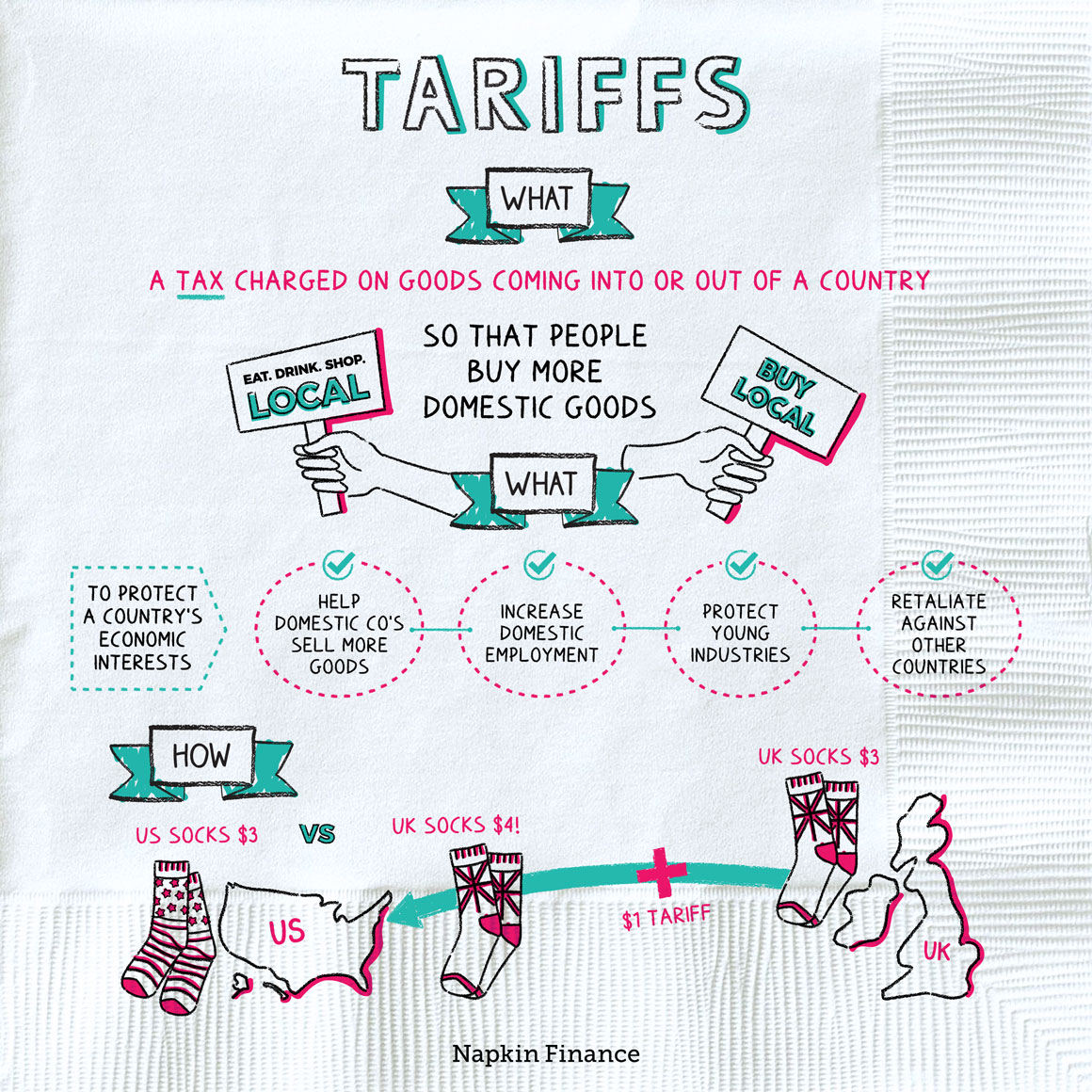
At its core, a tariff is a tax levied by a government on goods and services imported from another country. While seemingly straightforward, the implications of this simple definition are profound, influencing everything from the price of your morning coffee to the strategic decisions of multinational corporations.
Defining Tariffs: More Than Just a Tax
To elaborate, a tariff is a financial charge imposed on goods when they cross national borders. It is typically applied by the importing country’s government, making imported goods more expensive in the domestic market. Unlike domestic sales taxes or income taxes, tariffs specifically target international transactions. The term “tarrifa,” as it might be colloquially or mistakenly rendered, invariably points to this core concept of a “tariff” – a fiscal barrier designed to alter the economic landscape of trade.
The Rationale Behind Tariffs: Protectionism vs. Revenue Generation
Governments impose tariffs for a variety of reasons, which generally fall into two primary categories:
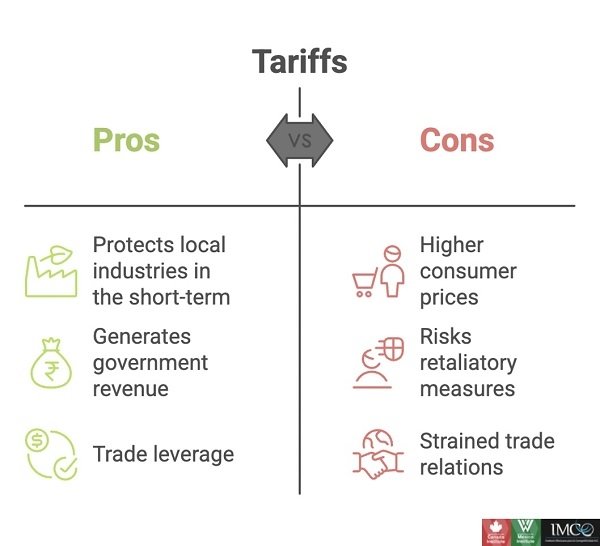
- Protectionism: This is arguably the most common and historically significant reason. By increasing the cost of imported goods, tariffs make domestically produced goods more competitive. This strategy aims to shield domestic industries from foreign competition, allowing them to grow, create jobs, and maintain national security in critical sectors. For instance, a country might impose tariffs on imported steel to protect its domestic steel industry, arguing it’s vital for national infrastructure and defense.
- Revenue Generation: Historically, tariffs were a significant source of government revenue, particularly before the widespread adoption of income and sales taxes. While their role as a primary revenue generator has diminished in developed economies, tariffs still contribute to government coffers, especially in developing nations.
Beyond these two, tariffs can also be used as a political bargaining chip in international negotiations, as a punitive measure against countries engaging in unfair trade practices, or to address balance of payments issues.
Types of Tariffs: Specific, Ad Valorem, and Compound
Tariffs come in several forms, each calculated differently:
- Specific Tariffs: These are fixed fees levied on a per-unit basis, regardless of the good’s value. For example, a country might impose a tariff of $2 per imported shoe, irrespective of whether the shoe is a basic sneaker or a luxury designer item. This simplicity makes them easy to administer but can disproportionately affect lower-value goods.
- Ad Valorem Tariffs: This type of tariff is levied as a percentage of the imported good’s value. For instance, a 10% ad valorem tariff on a car valued at $30,000 would result in a $3,000 tariff. This method is more common as it maintains a consistent level of protection across different price points within a product category.
- Compound Tariffs: These combine elements of both specific and ad valorem tariffs. An example might be a tariff of $1 per kilogram plus 5% of the value on imported cheese. This provides both a minimum protective barrier and an additional levy based on the product’s quality or value.
Understanding these distinctions is crucial for businesses engaged in international trade and for policymakers crafting trade strategies.
How Tariffs Function in International Trade
The practical application of tariffs involves a complex interplay of customs regulations, international agreements, and economic principles that determine who ultimately bears the cost and how goods flow across borders.
The Mechanics of Tariff Implementation
When goods are imported into a country, they must pass through customs. At this point, customs officials assess the goods to determine their classification, origin, and value. Based on pre-established tariff schedules – often detailed in national legislation and international commitments – the appropriate tariff is calculated and collected. Importers are typically responsible for paying these duties before their goods are cleared for entry into the domestic market. This process requires meticulous documentation, adherence to specific labeling standards, and often involves customs brokers who specialize in navigating these complex procedures.
Who Pays the Tariff? Unpacking the Burden
While the importer pays the tariff directly to the government, the economic burden doesn’t necessarily stop there. The cost of the tariff is usually passed down the supply chain. Importers often raise the wholesale price of the imported goods to recoup their tariff expenses. This increase is then passed on to retailers, and ultimately, to consumers in the form of higher retail prices.
However, the degree to which the cost is passed on depends on several factors, including the elasticity of demand for the product, the competitiveness of the market, and the profit margins of the various intermediaries. In some cases, foreign exporters might absorb part of the tariff by lowering their prices to remain competitive, or domestic producers might decide not to raise their prices as much as the tariff suggests to maintain market share. Ultimately, the burden is often shared, but consumers typically bear a significant portion through increased costs or reduced purchasing power.
Tariff Codes and Classification Systems (e.g., HS Codes)
To ensure consistency and clarity in international trade, goods are classified using standardized systems. The most widely adopted is the Harmonized System (HS) developed by the World Customs Organization (WCO). The HS assigns a unique six-digit code to virtually every traded product. Countries then expand on this six-digit code with additional digits to create their national tariff schedules. For example, the U.S. uses a 10-digit Harmonized Tariff Schedule (HTS) code. These codes are critical for identifying the correct tariff rates, gathering trade statistics, and ensuring compliance with trade regulations. Businesses must accurately classify their goods to avoid delays, penalties, or overpayment of duties.
Economic Implications and Consequences of Tariffs
The imposition of tariffs sets off a chain reaction throughout the economy, affecting various stakeholders differently and often leading to both intended and unintended consequences.
Impact on Domestic Industries: Protection and Competitiveness
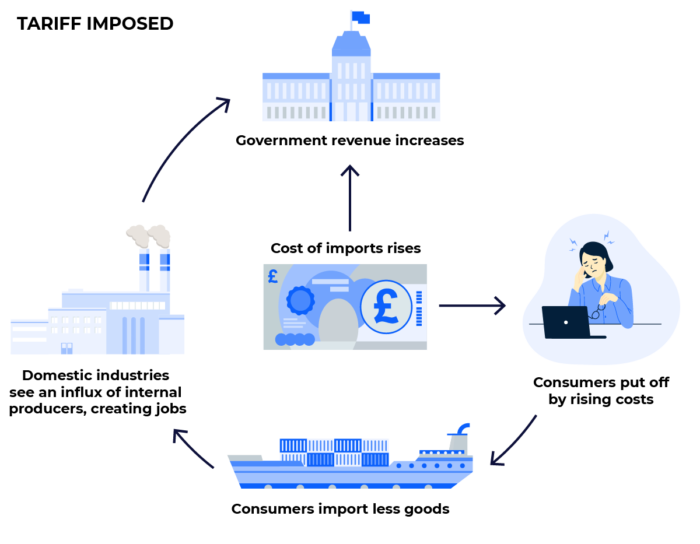
The primary objective of protectionist tariffs is to boost domestic industries. By making imported goods more expensive, domestic products become relatively more attractive. This can lead to increased sales, production, and employment within the protected industry. It can also encourage domestic investment in manufacturing and innovation. For emerging industries, tariffs can act as a crucial ‘infant industry’ protection, allowing them to mature before facing the full brunt of global competition.
However, protectionism comes with caveats. Protected industries may become less efficient and innovative over time due to reduced competitive pressure. They might also face higher input costs if tariffs are imposed on raw materials or intermediate goods they rely on.
Effects on Consumers: Prices, Choices, and Real Income
Consumers typically bear a significant portion of the tariff burden. Tariffs lead to higher prices for imported goods. If domestic producers respond by also raising their prices (since their foreign competitors are now more expensive), consumers face higher prices across the board for that product category. This reduces their purchasing power and, consequently, their real income.
Furthermore, tariffs can limit consumer choice by making certain imported goods prohibitively expensive or by causing foreign suppliers to withdraw from the market altogether. While the intention might be to encourage consumption of domestic goods, the reality can be reduced variety and quality in the market.
Repercussions for Importing and Exporting Nations
For importing nations, beyond the consumer impact, tariffs can strain diplomatic relations and invite retaliation. For exporting nations, tariffs imposed by their trading partners mean reduced market access, lower export volumes, and potentially job losses in their export-oriented industries. This can lead to decreased economic growth and increased domestic pressure on their governments.
The Risk of Trade Wars and Retaliation
Perhaps the most significant and disruptive consequence of tariffs is the risk of igniting a “trade war.” When one country imposes tariffs on another, the affected country often retaliates with its own tariffs on the first country’s exports. This escalating cycle of tariffs can severely disrupt global supply chains, reduce international trade volumes, and harm economic growth worldwide. The tit-for-tat tariff exchanges between major economies in recent years serve as a stark reminder of this potential.
Historical Context and Modern Applications of Tariffs
Tariffs are not a new phenomenon; they have been a staple of international economic policy for centuries, evolving with global trade structures.
A Brief History of Tariff Use: From Mercantilism to Globalization
Historically, tariffs played a central role in mercantilist economic policies from the 16th to 18th centuries, where nations sought to maximize exports and minimize imports to accumulate wealth (gold and silver). In the 19th and early 20th centuries, tariffs were widely used to protect developing national industries. The infamous Smoot-Hawley Tariff Act of 1930, which raised U.S. tariffs on over 20,000 imported goods, is widely cited as having exacerbated the Great Depression by triggering widespread international retaliation and a collapse in global trade.
Post-World War II, there was a concerted international effort to reduce tariffs and promote free trade, spearheaded by agreements like the General Agreement on Tariffs and Trade (GATT) and its successor, the World Trade Organization (WTO). These efforts led to a significant reduction in average tariff rates globally, fostering an era of unprecedented globalization.
Contemporary Examples: High-Profile Tariff Disputes
Despite the general trend towards lower tariffs, they remain a potent tool in modern trade disputes. Recent years have seen major economies imposing tariffs on each other over issues ranging from intellectual property theft and state subsidies to national security concerns and trade imbalances. These contemporary disputes highlight how tariffs are still actively used as leverage in geopolitical competition and to address perceived unfair trade practices, often with significant implications for global supply chains and financial markets.
The Role of International Organizations (WTO) in Tariff Regulation
The World Trade Organization (WTO) plays a critical role in regulating tariffs among its member countries. It provides a forum for trade negotiations, establishes rules for international trade (including commitments on maximum tariff rates), and offers a mechanism for resolving trade disputes. WTO principles aim for non-discrimination (most-favored-nation treatment), transparency, and the progressive reduction of trade barriers, including tariffs. While its effectiveness can be challenged during intense trade conflicts, the WTO remains the cornerstone of the multilateral trading system, striving to prevent unilateral tariff actions from spiraling out of control.
Navigating the Tariff Landscape: Strategies and Outlook
In an era characterized by intermittent trade tensions and shifting geopolitical alliances, understanding and adapting to tariffs is crucial for businesses, policymakers, and investors alike.
For Businesses: Adapting to Tariff Changes
Businesses involved in international trade must adopt robust strategies to mitigate tariff risks. This includes:
- Supply Chain Diversification: Reducing reliance on single-country suppliers or markets that are prone to tariff disputes.
- Re-evaluating Sourcing Locations: Considering manufacturing or sourcing goods in countries with favorable trade agreements or lower tariff exposure.
- Product Reclassification: Ensuring goods are accurately classified to avoid higher, incorrect tariff rates.
- Tariff Engineering: Modifying products slightly to fall into a different classification with a lower tariff.
- Cost Absorption or Price Adjustments: Strategically deciding whether to absorb tariff costs, pass them on to consumers, or negotiate with suppliers/customers.
- Engaging in Advocacy: Working with industry associations to lobby governments on trade policy.
For Policymakers: Balancing Protection with Free Trade
Policymakers face the delicate task of balancing the desire to protect domestic industries and generate revenue with the broader benefits of free trade, such as increased consumer choice, lower prices, and economic efficiency. Decisions around tariffs require careful consideration of economic models, geopolitical realities, and the potential for domestic and international backlash. A nuanced approach often involves targeted tariffs, temporary measures, and active participation in multilateral trade negotiations to find common ground and promote a stable global trading environment.
The Future of Tariffs in a Globalized Economy
While the long-term trend has been towards tariff reduction, recent events suggest that tariffs will continue to be a tool, albeit a controversial one, in the arsenal of national economic policy. As global supply chains become more complex and digital trade grows, new challenges emerge in how tariffs are applied and enforced. Debates around environmental tariffs, digital services taxes, and carbon border adjustment mechanisms indicate that the concept of “tarrifa” will continue to evolve, reflecting new economic priorities and global challenges. Navigating this dynamic landscape requires constant vigilance, adaptability, and a deep understanding of the intricate financial and political forces at play.
aViewFromTheCave is a participant in the Amazon Services LLC Associates Program, an affiliate advertising program designed to provide a means for sites to earn advertising fees by advertising and linking to Amazon.com. Amazon, the Amazon logo, AmazonSupply, and the AmazonSupply logo are trademarks of Amazon.com, Inc. or its affiliates. As an Amazon Associate we earn affiliate commissions from qualifying purchases.