
The term “personality disorder” conjures images of complex psychological conditions, and rightly so. These are, in a clinical sense, deeply ingrained and enduring patterns of thinking, feeling, and behaving that deviate significantly from cultural expectations, causing distress or impairment in social, occupational, or other important areas of functioning. However, for the purpose of understanding their broad relevance within the realm of personal finance and economic behavior, we can examine how various traits or patterns of behavior—some of which might, in their extreme forms, be indicative of clinical disorders—can dramatically shape an individual’s financial trajectory. This article will not delve into clinical diagnosis or treatment, which requires qualified mental health professionals. Instead, it will explore how common maladaptive personality traits and behaviors, broadly conceptualized, manifest in financial decisions, jeopardize wealth, and hinder long-term financial well-being from a personal finance perspective.
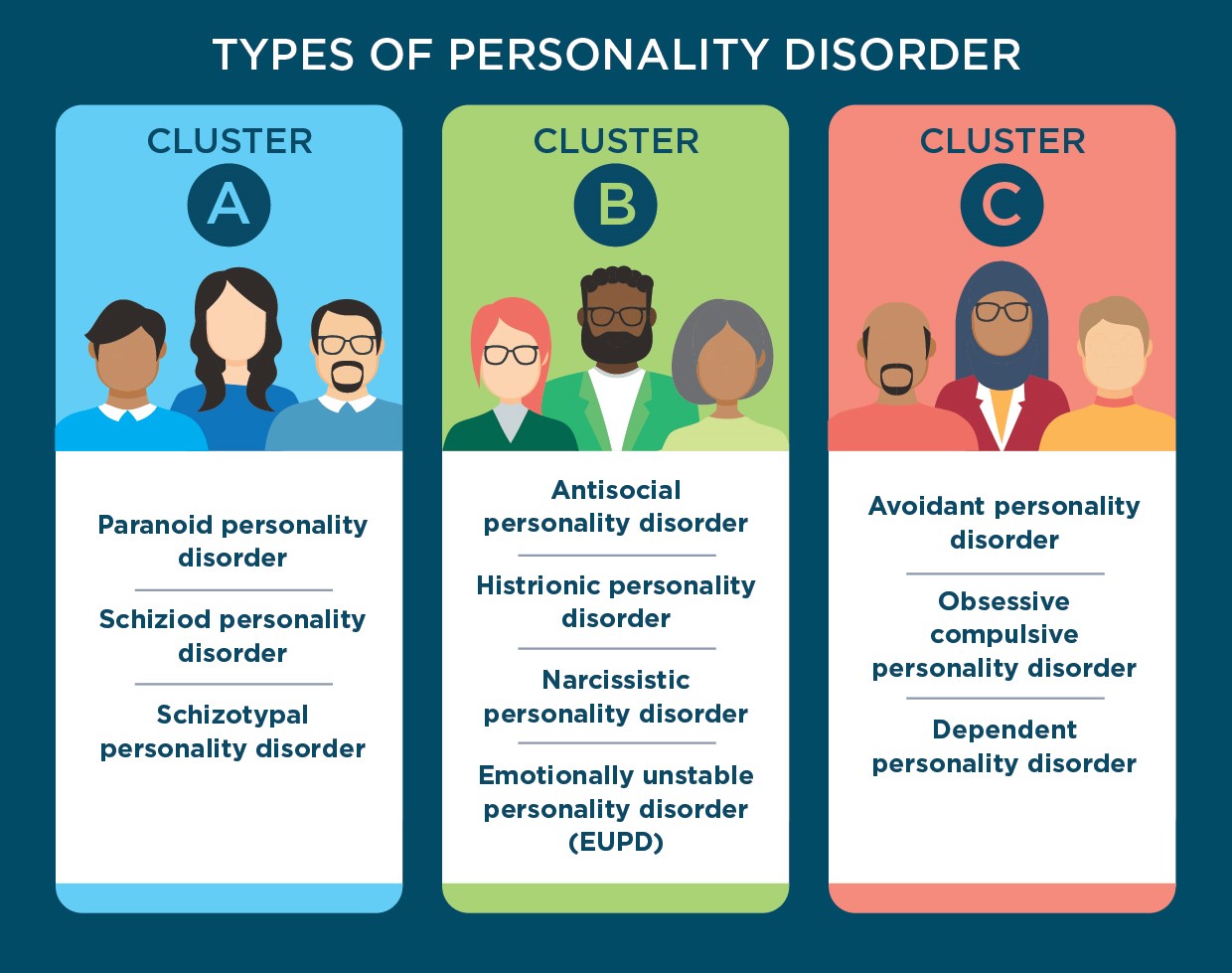
The Spectrum of Financial Behavior: Beyond Rational Choices
Human financial behavior is rarely purely rational. Our psychological makeup, including our inherent personality traits, plays a colossal role in how we earn, save, spend, and invest. When certain traits become rigid, extreme, or lead to significant functional impairment in financial matters, they can be likened to “disordered” financial behaviors, even if they don’t meet clinical diagnostic criteria. Understanding these patterns is the first step toward mitigating their financial risks.
Impulsivity and Reckless Spending
One of the most common and financially detrimental behavioral patterns is impulsivity. Individuals who struggle with impulse control often find themselves making spontaneous financial decisions without adequately considering the long-term consequences. This can manifest as:
- Compulsive Shopping: Irresistible urges to buy items, often unnecessary or unaffordable, leading to accumulating debt and feeling regret. This is particularly relevant in the age of online shopping, where instant gratification is just a click away.
- Gambling Addiction: A severe form of impulsivity where the thrill of potential gain overrides rational assessment of risk, leading to devastating financial losses.
- Poor Investment Decisions: Quickly jumping into speculative investments based on a whim or a hot tip, rather than thorough research and strategic planning, often resulting in significant capital loss.
These behaviors, while not exclusive to any single personality disorder, are prominent features in conditions like Borderline Personality Disorder and Antisocial Personality Disorder, where immediate gratification often overrides future planning and consequences. From a financial standpoint, managing impulsivity requires strict budgeting, automated savings, and creating friction points in spending habits (e.g., delaying purchases, unsubscribing from marketing emails).
Disregard for Consequences and Exploitation
A lack of empathy, foresight, or a general disregard for rules and consequences can have severe financial repercussions, both for the individual and those around them. This behavioral pattern can lead to:
- Financial Exploitation: Manipulating or defrauding others for personal financial gain, ranging from borrowing money with no intention of repayment to engaging in elaborate scams. This behavior is strongly associated with traits seen in Antisocial Personality Disorder and Narcissistic Personality Disorder.
- Excessive Risk-Taking: Engaging in highly speculative business ventures or investments without proper due diligence, believing that one is immune to failure or that rules don’t apply to them.
- Unpaid Debts and Bankruptcies: A consistent pattern of failing to meet financial obligations, perhaps due to a lack of concern for creditors or the legal system.
Addressing these issues in a financial context involves recognizing patterns of exploitation, establishing clear boundaries, and seeking legal counsel where necessary. For the individual exhibiting such traits, developing a deeper understanding of the impact of their actions and engaging in ethical financial planning is paramount.
Anxiety, Avoidance, and Financial Paralysis
While some personality traits lead to reckless financial behaviors, others can lead to inaction, avoidance, and paralysis, which are equally damaging to long-term financial health. Anxiety and fear can prevent individuals from making necessary financial decisions, leading to stagnation and missed opportunities.
Chronic Indecision and Missed Opportunities
Extreme indecisiveness and a fear of making the “wrong” choice can paralyze individuals when it comes to financial planning. This often results in:
- Procrastination in Financial Planning: Delaying critical tasks like creating a budget, opening investment accounts, planning for retirement, or even paying bills on time, leading to penalties and missed growth.
- Avoiding Investments: The fear of losing money, however small, can prevent individuals from investing at all, leaving their savings vulnerable to inflation and missing out on compound interest. This can be seen in traits associated with Avoidant Personality Disorder.
- Ignoring Urgent Financial Matters: Not opening bills, avoiding calls from creditors, or ignoring tax documents, hoping the problem will somehow resolve itself, which only exacerbates the issue.
Overcoming financial paralysis requires breaking down large tasks into smaller, manageable steps, setting realistic goals, and seeking external guidance from financial advisors who can provide structure and reassurance. Automated systems for saving and investing can also help bypass the need for constant decision-making.
Perfectionism and Hoarding
While diligence can be a positive trait, extreme perfectionism and an overwhelming need for control can transform into maladaptive financial behaviors.
- Excessive Financial Scrutiny: Spending inordinate amounts of time analyzing every tiny financial detail, leading to “analysis paralysis” and an inability to make decisions. This is characteristic of Obsessive-Compulsive Personality Disorder (OCPD).
- Hoarding Money (Financial Conservatism to an Extreme): An inability to spend or invest money, even when prudent, due to an intense fear of future uncertainty or loss. While saving is good, extreme hoarding prevents wealth growth and enjoyment.
- Inability to Delegate Financial Tasks: Refusing to trust financial professionals or even family members with managing aspects of one’s finances, leading to burnout and suboptimal outcomes.
For those struggling with financial perfectionism, learning to embrace “good enough” rather than “perfect” is crucial. Seeking professional advice can help provide external validation and reduce the burden of individual decision-making.
Grandiosity, Entitlement, and Financial Downfall
An inflated sense of self-importance and a belief in one’s own superiority can lead to highly risky and unsustainable financial practices. Traits often seen in Narcissistic Personality Disorder can manifest as significant financial challenges.
Unrealistic Expectations and Risky Ventures
Individuals with grandiosity may operate under the belief that they are uniquely talented or destined for greatness, leading them to:
- Overspending on Status Symbols: Purchasing expensive cars, luxury items, or designer goods to project an image of success, often beyond their means, to fuel their self-importance. This is about maintaining an image rather than genuine financial stability.
- Belief in Immunity to Failure: Entering into highly speculative investments or business ventures without adequate research or due diligence, convinced that their inherent brilliance will guarantee success where others fail. This can lead to significant financial losses.
- Neglecting Budgeting and Planning: Viewing traditional financial planning as beneath them or unnecessary, believing that wealth will simply materialize.
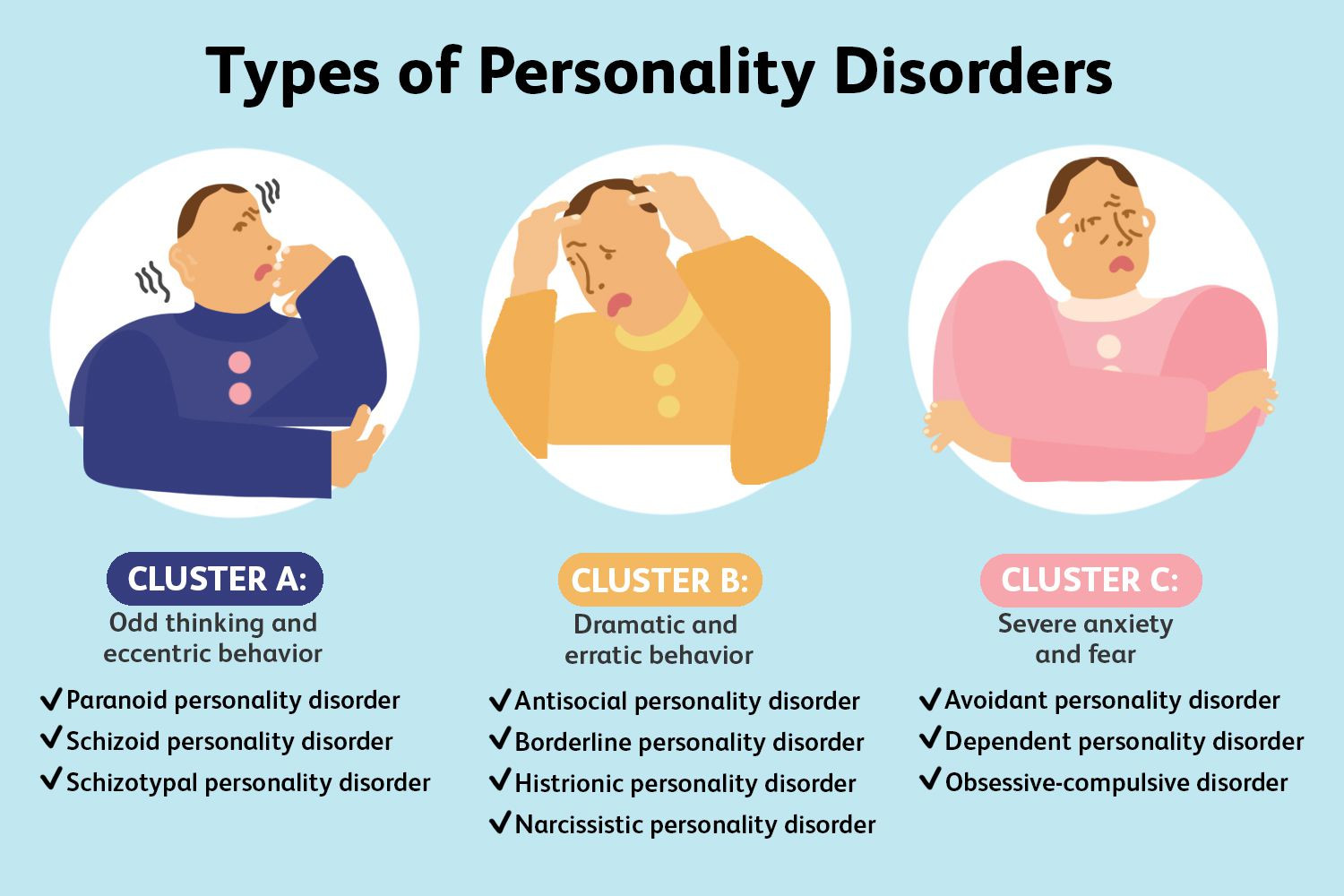
Cultivating humility, seeking objective financial advice, and focusing on realistic, long-term financial goals rather than instant gratification or image projection are vital countermeasures.
Blaming Others and Avoiding Accountability
A core aspect of grandiose or entitled personality traits is a pervasive inability or unwillingness to take responsibility for one’s own mistakes. In a financial context, this translates to:
- Externalizing Financial Problems: Always blaming the economy, the market, a spouse, or bad luck for financial difficulties, rather than acknowledging one’s own poor decisions.
- Refusal to Learn from Mistakes: Without accountability, there’s no learning. This leads to repeating the same financially damaging patterns over and over.
- Resistance to Financial Guidance: Dismissing advice from financial experts, viewing it as a challenge to their superior judgment.
Developing self-awareness and a willingness to accept responsibility are fundamental to improving financial behavior. This often requires deep introspection and, sometimes, professional support to address underlying psychological patterns.
Dependence and Financial Vulnerability
Conversely, an excessive need for reassurance, guidance, or reliance on others can lead to financial vulnerability and a lack of independence. Traits associated with Dependent Personality Disorder can significantly impact an individual’s financial autonomy.
Passive Financial Management
Individuals with dependent traits may find it difficult to make financial decisions on their own, leading to:
- Relinquishing Financial Control: Handing over all financial decision-making to a partner, parent, or even a friend, without understanding or questioning the choices being made. This puts them at significant risk of financial abuse or mismanagement.
- Inability to Develop Financial Skills: Never learning how to budget, pay bills, or manage investments because someone else always does it, leaving them unprepared for financial independence.
- Fear of Independence: Staying in financially detrimental relationships or jobs out of fear of having to manage their finances alone.
Building financial literacy and gradually taking on more financial responsibilities, perhaps with the guidance of a trusted, unbiased financial advisor, is crucial for developing financial independence.
Fear of Independence and Stagnation
The fear of being alone or solely responsible can lead to a state of financial stagnation:
- Underemployment: Staying in low-paying or unsatisfying jobs because the thought of seeking new opportunities or taking on more responsibility is too daunting.
- Avoiding Career Growth: Shying away from promotions or training that would lead to increased income and financial independence.
- Staying in Financially Abusive Situations: Enduring exploitation because the alternative of being financially autonomous feels too overwhelming.
Empowerment through education and gradual steps toward financial autonomy, coupled with building a support system that fosters independence rather than dependence, is key to breaking these cycles.
Strategies for Mitigating Financial Risks Associated with Challenging Behaviors
Regardless of whether one’s behavioral patterns meet clinical criteria for a personality disorder, recognizing these challenging traits and their financial impact is the first step toward improving financial health.
Self-Awareness and Behavioral Recognition
The most critical strategy is to develop a deep understanding of one’s own financial habits, triggers, and reactions. This involves:
- Journaling: Tracking spending, emotions, and decisions to identify recurring patterns.
- Seeking Feedback: Asking trusted friends, family, or a financial mentor for honest observations about financial behavior.
- Identifying Triggers: Understanding what situations or emotions lead to impulsive spending, avoidance, or other maladaptive financial actions.
Structured Financial Planning and Professional Guidance
Implementing external structures can help override problematic internal tendencies:
- Automated Savings and Investments: Setting up automatic transfers to savings accounts and investment portfolios removes the need for constant decision-making and reduces impulsivity.
- Strict Budgeting: Creating and adhering to a budget provides clear boundaries for spending and helps prioritize financial goals.
- Working with a Financial Advisor: A professional can provide objective advice, create structured plans, and act as an accountability partner, especially one specializing in behavioral finance.
- Utilizing Financial Tools: Apps for budgeting, debt management, and investment tracking can provide real-time insights and promote healthier habits.
Building a Supportive Network and Accountability
Connecting with others can provide invaluable support and motivation:
- Trusted Accountability Partners: Having a friend or family member with whom you can discuss financial goals and challenges can provide motivation and a sense of responsibility.
- Support Groups: For specific issues like compulsive spending or gambling, groups like Debtors Anonymous or Gamblers Anonymous offer structured support and shared experiences.
- Therapy or Counseling: For individuals whose behavioral patterns are significantly impacting their life and finances, professional mental health support can address the root causes and provide coping mechanisms.

Conclusion
While clinical personality disorders require specialized psychological intervention, understanding the spectrum of human behavior reveals how certain deeply ingrained personality traits—especially when extreme or maladaptive—can profoundly affect financial decisions and outcomes. From impulsivity and grandiosity to avoidance and dependence, these behavioral patterns can lead to debt, missed opportunities, and financial instability. By cultivating self-awareness, implementing structured financial planning, seeking professional guidance, and building a supportive network, individuals can mitigate these risks, adopt healthier financial habits, and work towards greater financial well-being, enhancing their overall quality of life. The journey to financial health is often as much about understanding ourselves as it is about understanding markets and money.
aViewFromTheCave is a participant in the Amazon Services LLC Associates Program, an affiliate advertising program designed to provide a means for sites to earn advertising fees by advertising and linking to Amazon.com. Amazon, the Amazon logo, AmazonSupply, and the AmazonSupply logo are trademarks of Amazon.com, Inc. or its affiliates. As an Amazon Associate we earn affiliate commissions from qualifying purchases.