
In the landscape of modern consumer electronics, few gadgets have sparked as much debate and regulatory scrutiny as vaping devices, also known as Electronic Nicotine Delivery Systems (ENDS). Initially marketed as a potentially safer alternative to traditional cigarettes or as a cessation aid, the rapid proliferation of these devices has brought to light a complex array of “side effects” that extend far beyond simple health warnings. For a tech-savvy audience, understanding these consequences requires examining the technology itself, the unregulated market dynamics, and the inherent user safety challenges posed by these innovative yet controversial gadgets. This article delves into the technological underpinnings of vaping and unpacks the diverse risks associated with their design, use, and widespread adoption, framing these side effects primarily as issues of gadget safety, chemical interaction, and the broader digital health implications of an evolving tech product.
The Technology Behind Vaping: A Double-Edged Sword of Innovation and Risk
At its core, a vaping device is a sophisticated piece of personal electronics designed to heat a liquid solution to produce an aerosol that can be inhaled. This seemingly straightforward process involves intricate engineering, chemical formulation, and user interface design—all contributing factors to both its appeal and its associated risks.
How Vaping Devices Work: Components and Mechanisms
Every vaping device, from compact pod systems to advanced mod setups, operates on a similar principle. It comprises a battery, a heating element (coil), a reservoir for e-liquid, and a mouthpiece. The battery powers the coil, which atomizes the e-liquid, transforming it into an inhalable vapor. The sophistication lies in the power management systems, temperature controls, and increasingly, smart features that allow users to customize their vaping experience. However, the very mechanisms designed for efficient vapor production—high-wattage batteries, rapid heating coils, and the delivery of highly concentrated substances—also introduce inherent risks related to thermal hazards and efficient delivery of potentially harmful chemicals.
Evolution of Vaping Tech: From Ciga-likes to Advanced Mods
The evolution of vaping technology has been rapid and transformative. Early “ciga-likes” mimicked traditional cigarettes, offering limited battery life and vapor production. The advent of “vape pens” and subsequently “mods” (modifiable electronic devices) introduced larger batteries, customizable power settings, and sub-ohm coils capable of producing massive vapor clouds. Most recently, “pod systems” have gained popularity for their discreet design, ease of use, and efficient nicotine delivery, often utilizing nicotine salts for a smoother, higher-concentration experience. Each technological leap, while enhancing the user experience or device performance, has simultaneously altered the risk profile. For instance, higher power output can lead to greater exposure to e-liquid constituents, while sleek, compact designs might inadvertently make devices more appealing and accessible to younger, less informed users.
The Chemical Cocktail: E-liquids and Their Ingredients
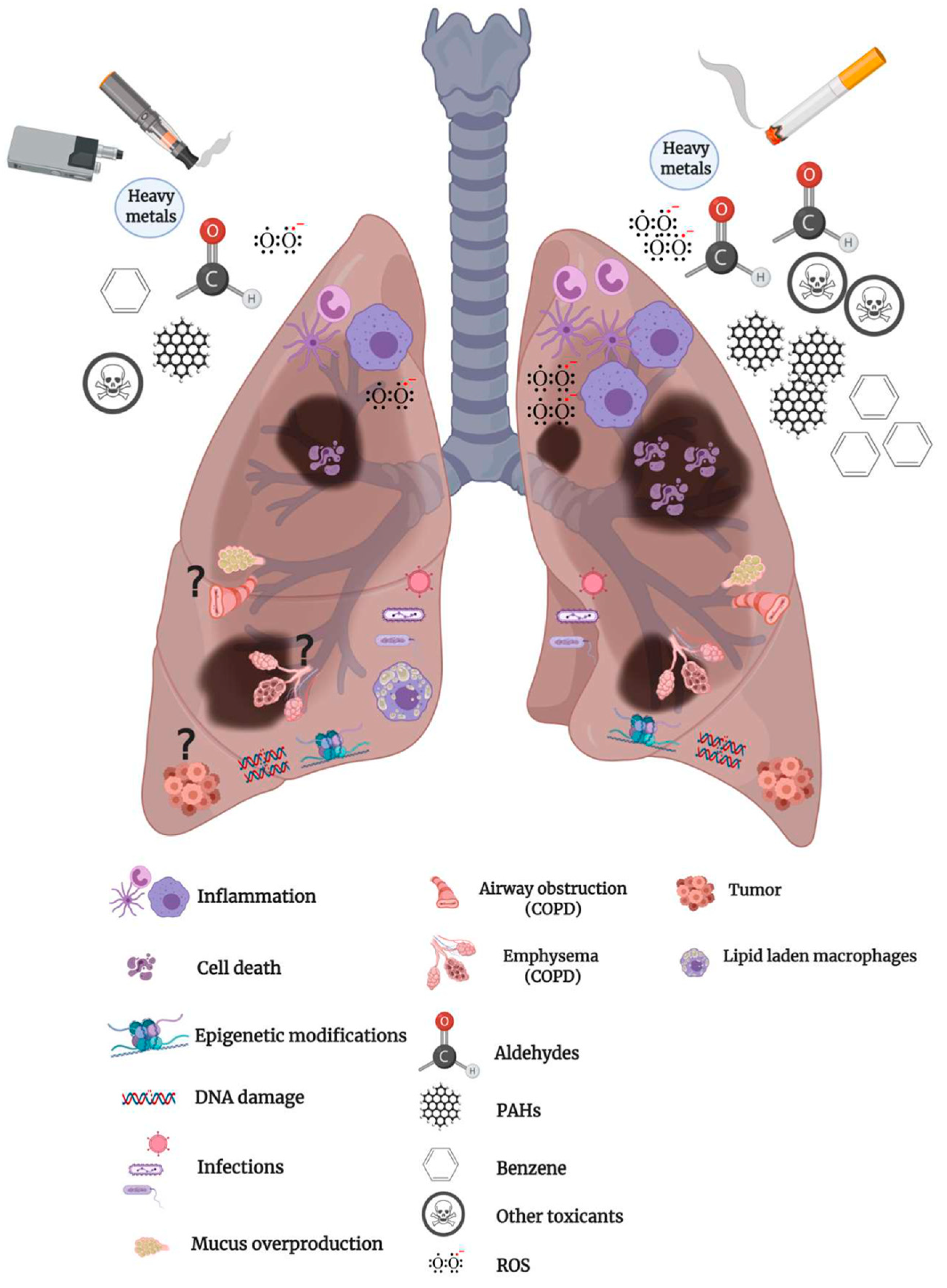
The “fuel” for vaping devices is the e-liquid, a complex solution typically containing propylene glycol (PG), vegetable glycerin (VG), flavorings, and often nicotine. While PG and VG are generally recognized as safe for ingestion, their long-term effects when heated and inhaled into the lungs are not fully understood. Furthermore, the vast array of flavorings, some numbering in the thousands, introduces a “chemical cocktail” into the inhalation process. Many food-grade flavorings, safe for consumption, may become toxic or irritating when heated and aerosolized. Diacetyl, for example, a flavoring once common in e-liquids, is linked to bronchiolitis obliterans (“popcorn lung”) when inhaled. The technological aspect here is the challenge of understanding the thermochemical reactions that occur when these liquids are heated by device coils, and how these reactions produce novel compounds that might pose health risks.
User Safety Concerns and Digital Health Implications of Vaping Gadgets
Beyond the chemical composition, the interaction of these tech gadgets with the human body presents a range of user safety concerns that fall squarely within a digital health context, highlighting the adverse “side effects” of integrating this technology into daily life.
Respiratory System Compromises: Beyond Nicotine
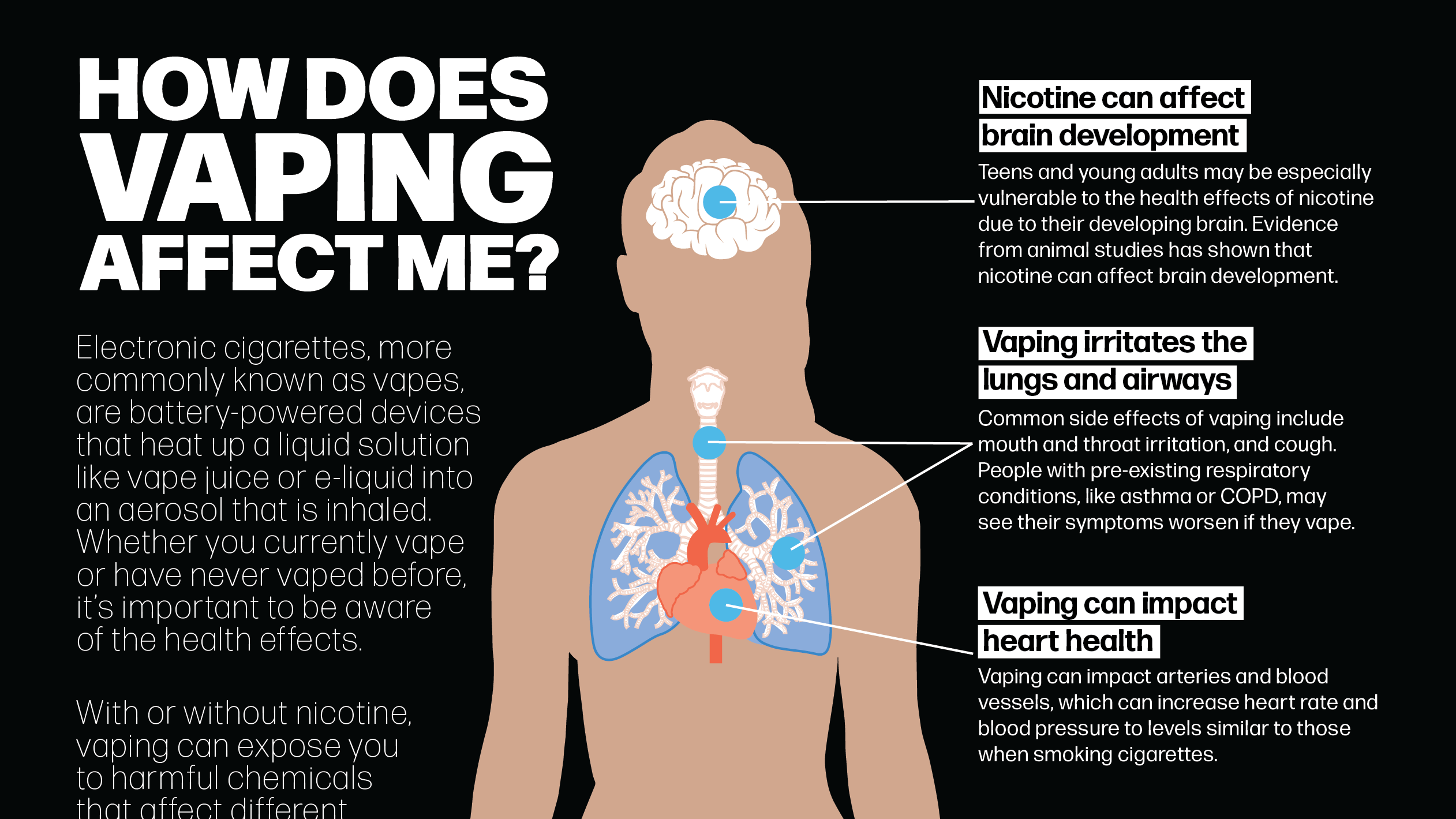
The primary point of interaction for vaping devices is the respiratory system. While proponents argue that vaping eliminates many combustion byproducts found in traditional cigarettes, the inhaled aerosol itself is not benign. Ultrafine particles, heavy metals (such as lead, nickel, and chromium leached from heating coils), and volatile organic compounds (VOCs) like benzene are commonly found in vape emissions. These substances can irritate and damage lung tissue, leading to conditions such as “vape-associated lung injury” (VALI), characterized by severe respiratory symptoms. The efficiency with which these advanced gadgets deliver a high volume of aerosol containing such compounds directly contributes to the potential for lung damage.
Cardiovascular Strain: The Heart of the Matter
Nicotine, a primary component in most e-liquids, is a potent vasoconstrictor and stimulant. Delivered efficiently by vaping devices, it significantly impacts the cardiovascular system. Regular vaping can lead to increased heart rate, elevated blood pressure, and arterial stiffness, all factors that raise the risk of heart attack and stroke. Even nicotine-free e-liquids have been shown to induce adverse cardiovascular effects, suggesting that other components of the aerosol, facilitated by the device’s delivery mechanism, play a role in cardiovascular strain. The rapid and efficient delivery of nicotine, particularly with high-concentration nicotine salt formulations in pod systems, means users can achieve significant nicotine intake quickly, leading to greater physiological impact.
Oral and Dental Health: Gateway to Wider Issues
The mouth is the initial point of contact for the vapor produced by these devices. Vaping can lead to a range of oral health issues, including gum inflammation, increased bacterial growth, dry mouth, and an elevated risk of tooth decay. The propylene glycol in e-liquids is hygroscopic, meaning it absorbs moisture, contributing to dry mouth, which in turn reduces saliva production and increases the risk of cavities and gum disease. The heat generated by the device and the chemical composition of the aerosol can also alter the oral microbiome, creating an environment conducive to harmful bacteria. These effects are direct consequences of the physical interaction with the gadget and its emitted substances.

Neurological and Mental Health Dimensions
Nicotine, regardless of its delivery method, is highly addictive. Vaping devices, especially those with high nicotine concentrations, can lead to rapid and intense nicotine dependence. For adolescents, whose brains are still developing, nicotine exposure through vaping can impair brain development, affecting attention, learning, mood, and impulse control. Beyond addiction, some studies suggest a link between vaping and increased anxiety, depression, and stress, particularly in young users. The design of these gadgets, often featuring appealing flavors and discreet forms, can make them particularly attractive to young people, inadvertently exposing them to neurological risks. The side effect here is not just physical addiction, but the broader cognitive and psychological impacts amplified by effective nicotine delivery technology.
Device Malfunctions and Physical Safety Risks: The Hardware Perspective
Beyond the chemical and physiological side effects, the physical hardware of vaping devices themselves poses tangible safety risks, echoing broader concerns within the consumer electronics industry regarding product safety and manufacturing standards.
Battery Explosions and Fires: A Critical Hardware Flaw
One of the most dramatic “side effects” associated with vaping devices is the risk of battery explosions and fires. These incidents, though relatively rare, can cause severe injuries, including burns, facial trauma, and property damage. The vast majority of these cases involve lithium-ion batteries, which are powerful but require careful handling. Poor quality control in manufacturing, use of incompatible chargers, user damage to batteries, or improper storage can all lead to thermal runaway, resulting in explosions. This is a direct hardware safety concern, highlighting the importance of robust battery management systems and user education regarding electronic device safety protocols.
E-liquid Ingestion and Poisoning: User Error and Design Flaws
E-liquids, particularly those containing high concentrations of nicotine, are toxic if ingested, absorbed through the skin, or splashed into the eyes. Small children are especially vulnerable to nicotine poisoning, which can cause nausea, vomiting, seizures, and even death. While many e-liquids now come with child-resistant packaging, accidental ingestions still occur, often due to user error or inadequate safety features in older or unregulated products. The design of tanks and refill mechanisms can also contribute to spills and accidental exposure, underscoring the need for safer dispensing technologies and clearer hazard warnings.
Contamination and Counterfeit Products: The Unregulated Market
The relatively unregulated nature of the vaping market, especially for e-liquids and certain devices, opens the door to contamination and counterfeit products. Some e-liquids have been found to contain illegal additives (like Vitamin E acetate, linked to severe lung injury), pesticides, or other harmful substances not listed on the label. Counterfeit devices may use substandard components, leading to increased risks of battery failure, overheating, or inefficient operation. The lack of stringent manufacturing and quality control standards, prevalent in rapidly evolving tech markets, directly contributes to these side effects, posing significant challenges for consumer safety.
Regulatory Landscape and Consumer Protection in the Vaping Tech Space
The dynamic nature of vaping technology, coupled with its associated health and safety risks, has created a complex regulatory environment that struggles to keep pace with innovation.
The Challenge of Regulation: Keeping Pace with Innovation
Regulating vaping devices presents a unique challenge for authorities worldwide. The rapid evolution of device technology, the introduction of new e-liquid formulations, and aggressive marketing strategies often outpace the development of effective regulatory frameworks. This gap means that new products can enter the market without extensive pre-market review for safety or efficacy, leaving consumers vulnerable to untested technologies and unassessed side effects. The regulatory lag in the tech sector, particularly for health-adjacent gadgets, is a significant systemic “side effect” that impacts public health.
Manufacturer Accountability and Design Standards
As with any consumer electronic product, holding manufacturers accountable for the safety and design of vaping devices is crucial. Establishing industry-wide design standards for batteries, heating elements, and e-liquid formulations could mitigate many of the identified physical and chemical risks. Clear labeling requirements, ingredient transparency, and robust testing protocols should be mandated to ensure that products meet minimum safety benchmarks before reaching consumers. Without such standards, the burden of understanding and mitigating “side effects” falls disproportionately on the end-user.
Empowering Users: Education and Informed Choices
Ultimately, equipping users with comprehensive, accurate information about the “side effects” of vaping technology is paramount. Educational campaigns must highlight not only the risks of nicotine addiction but also the physical safety hazards of the devices, the potential for lung and cardiovascular damage from aerosol components, and the dangers of counterfeit products. Promoting digital wellness means encouraging informed decision-making regarding the adoption and use of technology, especially when it involves direct physiological interaction.
Conclusion: Navigating the Complex Side Effects of Vaping Tech
The “side effects of vaping” extend far beyond simple physiological responses; they encompass a intricate web of technological design choices, chemical interactions, manufacturing standards, and regulatory challenges. As a rapidly evolving category of consumer electronics, vaping devices embody the double-edged sword of innovation: offering new experiences while simultaneously introducing novel risks. From battery explosions to compromised lung function and nicotine addiction, these are not just health issues but digital health and gadget safety concerns. For consumers, the tech industry, and regulators, a comprehensive understanding of these multifaceted “side effects” is crucial to fostering safer products, making informed choices, and navigating the complex landscape of Electronic Nicotine Delivery Systems in the digital age.
aViewFromTheCave is a participant in the Amazon Services LLC Associates Program, an affiliate advertising program designed to provide a means for sites to earn advertising fees by advertising and linking to Amazon.com. Amazon, the Amazon logo, AmazonSupply, and the AmazonSupply logo are trademarks of Amazon.com, Inc. or its affiliates. As an Amazon Associate we earn affiliate commissions from qualifying purchases.