
Blackjack, a game synonymous with strategic decision-making and a relatively low house edge when played optimally, has long been a staple of casinos worldwide. For decades, players have engaged in a battle of wits with the dealer, aiming to hit 21 without busting, all while adhering to established basic strategy. However, the modern blackjack table often presents an additional layer of complexity and potential financial consequence: side bets. These optional wagers, distinct from the main game, promise enhanced payouts and a dash of extra excitement, but they come with their own unique set of financial implications that every player, from casual enthusiast to seasoned high-roller, should thoroughly understand.
This article delves into the world of blackjack side bets from a purely financial perspective, exploring their mechanics, their inherent risks, and their impact on a player’s bankroll and overall monetary strategy. While they can add an engaging twist to the classic game, their true cost and potential for profit – or more often, loss – are critical considerations for anyone looking to manage their personal finances responsibly at the gaming table.
Understanding the Allure and Risk of Blackjack Side Bets
Side bets are, at their core, supplementary wagers placed in conjunction with a player’s main blackjack hand. They are designed to offer a different kind of thrill, often with higher potential payouts than the standard 1:1 or 3:2 offered by the main game. Yet, this allure often masks a significant financial trade-off.
The Mechanics of Side Bets
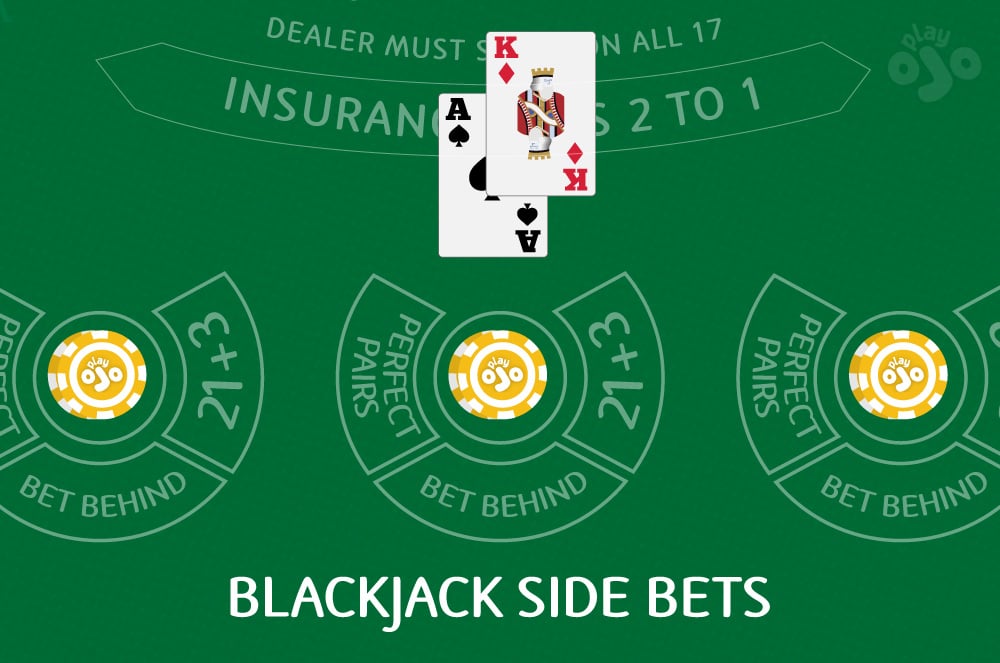
Typically, side bets are placed on a designated area of the blackjack felt before any cards are dealt. The outcome of the side bet is usually determined by the first two cards dealt to the player, or sometimes by a combination of the player’s and the dealer’s initial cards. Critically, winning or losing a side bet does not affect the main blackjack hand, nor does the outcome of the main hand typically influence the side bet, though there are exceptions like “Insurance.”
There’s a dizzying array of side bets available across different casinos and online platforms. Common examples include:
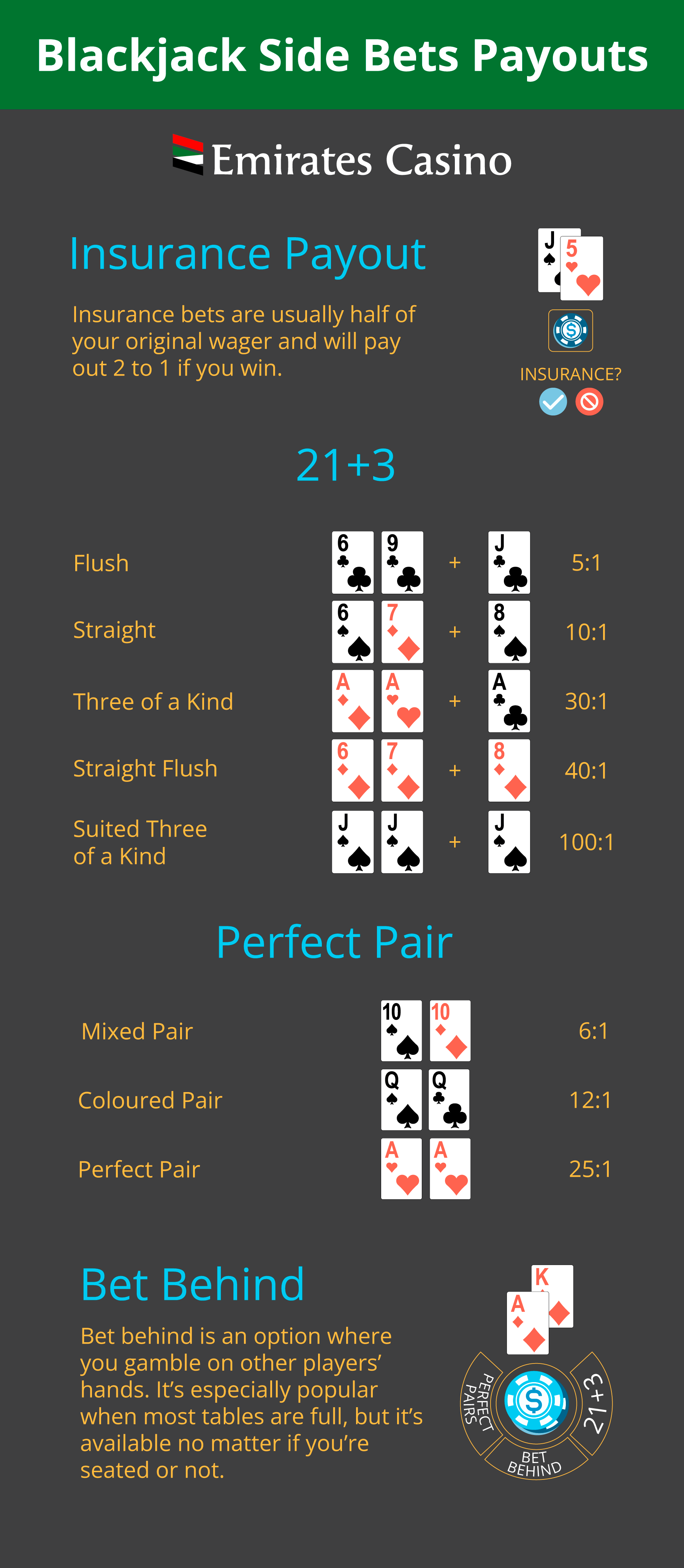
- 21+3: Based on the player’s two cards and the dealer’s up-card forming a poker-style hand (e.g., Flush, Straight, Three-of-a-Kind).
- Perfect Pairs: Wagers on whether the player’s first two cards will be a pair (mixed, colored, or perfect pair of the same suit).
- Lucky Ladies: Bets on the player’s first two cards totaling 20, especially two Queens.
- Insurance: A bet that the dealer has blackjack when their up-card is an Ace (this is somewhat unique as it’s offered mid-hand and relates directly to the dealer’s potential hand).
- Bust It!: A wager on the dealer busting with a specific number of cards.
Each of these side bets has its own set of rules, probabilities, and payout structures. The payouts for these bets can range significantly, from 5:1 for a simple pair to 100:1 or even higher for very specific, rare combinations. This prospect of a large multiplier on a small wager is undeniably appealing.
Why Players Are Drawn to Side Bets
The primary draw of side bets is undoubtedly the enhanced excitement and the promise of a substantial win from a relatively small stake. In a game like blackjack, where the maximum payout is typically 3:2 for a natural blackjack, the prospect of hitting 9:1 for a 21+3 flush or 25:1 for a Perfect Pair of the same color can be incredibly tempting. This adds a layer of novelty and breaks the potential monotony of playing countless hands of basic strategy blackjack.
For many, side bets are seen as a form of entertainment, a way to add a bit more “action” to their gaming session. The small initial outlay often makes them seem like a low-risk proposition, a minor addition to their overall gambling budget. However, this perception can be misleading. While the individual wager may be small, the cumulative effect over many hands, coupled with the higher house edge inherent in most side bets, can significantly impact a player’s financial outcome over time. This leads to a critical examination of the true financial landscape.
The Financial Landscape of Side Bets
The core principle governing any casino game, and particularly side bets, is the house edge. Understanding this concept is paramount for any financially savvy individual engaging in gambling as an entertainment expense.
House Edge: The Undeniable Reality
The house edge represents the casino’s mathematical advantage over the player, expressed as a percentage of the total amount wagered over the long run. For the main blackjack game, when played with optimal basic strategy, the house edge can be as low as 0.5% to 1%. This means that, theoretically, for every $100 wagered, the player can expect to lose $0.50 to $1 over an extended period. This makes blackjack one of the more favorable casino games from a player’s perspective.
However, the financial reality of side bets is starkly different. Almost without exception, blackjack side bets carry a significantly higher house edge, often ranging from 2% to a staggering 15% or even higher. For instance, a common 21+3 side bet might have a house edge of 3% to 7%, while “Perfect Pairs” can range from 4% to 11%. Some novelty bets can climb into the double digits.
What does this mean for your money? A 10% house edge on a side bet means that for every $100 you wager on that bet, you are statistically expected to lose $10. If you consistently place a $5 side bet on every hand, and you play 100 hands in an hour, you’ve wagered $500 on the side bet alone. With a 10% edge, you’re theoretically losing $50 per hour just on the side bet, in addition to any losses from the main game. This dramatically accelerates the rate at which your bankroll will deplete, turning a potentially slow bleed into a faster drain. For someone managing their personal finances, recognizing this amplified cost is crucial.
Variance and Volatility
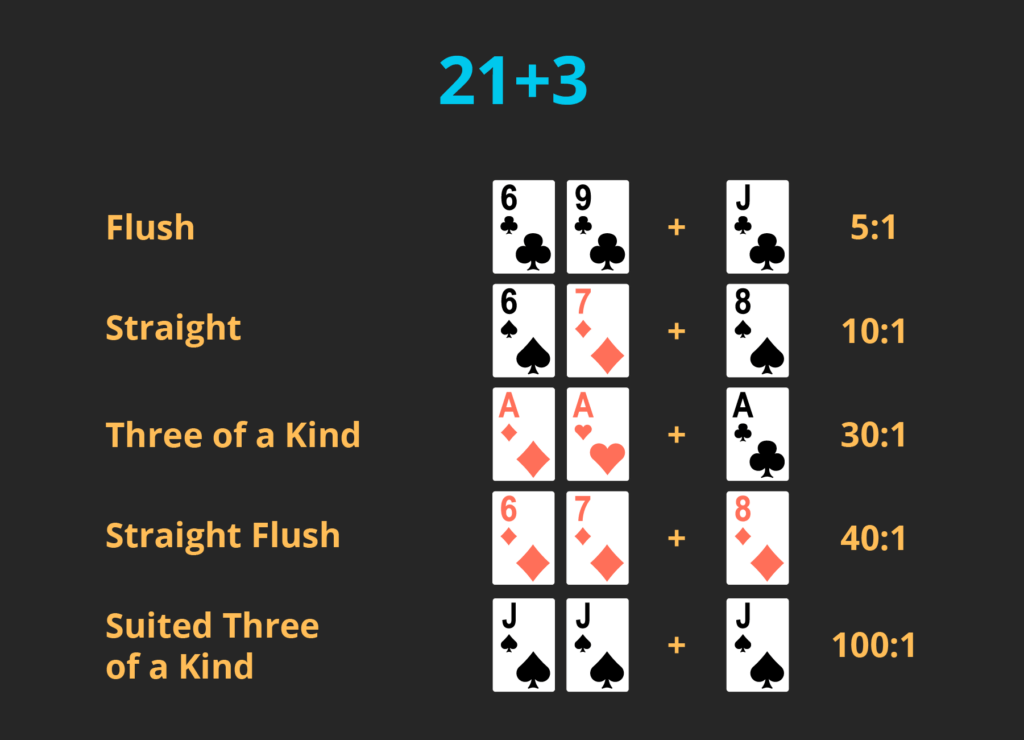
Higher house edge often goes hand-in-hand with higher variance and volatility. Side bets typically offer larger payouts because the probability of hitting the specific combinations required to win is much lower. For example, hitting a suited three-of-a-kind on a 21+3 bet might pay 100:1, but it’s an extremely rare occurrence.
This volatility means that while you can experience short-term wins and even significant payouts, these wins are infrequent. The vast majority of side bets will result in a loss. This creates a pattern where players might experience long losing streaks interspersed with occasional big wins. Psychologically, these big wins can reinforce the belief that the side bet is “winnable” or “due,” obscuring the fact that the vast number of small losses are cumulatively much greater. From a financial planning perspective, relying on such high-variance outcomes for entertainment means accepting a much higher risk of rapid capital depreciation. It’s akin to investing in highly speculative stocks with the hope of a moonshot, rather than more stable, long-term growth assets.
Impact on Bankroll Management
The heightened house edge and volatility of side bets have a direct and often detrimental impact on a player’s bankroll management.
- Faster Depletion: Side bets significantly increase the total amount of money you are putting into action per hand. If you bet $10 on the main game and an additional $2 on a side bet, you are effectively risking $12 per hand. This 20% increase in total wager translates directly into a 20% increase in your expected hourly loss, assuming the side bet’s house edge is comparable (though it’s usually higher, making the actual expected loss even greater). This speeds up the rate at which your allocated gambling funds are consumed.
- Increased Required Bankroll: To weather the higher variance of side bets and still enjoy a reasonable playing session, a player would theoretically need a much larger bankroll. However, most players do not adjust their bankroll for side bets, leading to shorter playing times and more frequent instances of running out of money.
- Opportunity Cost: Every dollar wagered on a high house edge side bet is a dollar that could have been wagered on the main blackjack game, where the house edge is much lower. From a financial efficiency standpoint, dedicating funds to side bets is almost always an inefficient allocation of capital if the goal is to maximize playing time or minimize expected losses. It’s paying a premium for a fleeting moment of heightened excitement.
Strategic Considerations for the Financially Prudent Player
For individuals who approach their recreational gambling with a mindset of financial prudence, side bets require careful consideration and a clear understanding of their place within a broader money management strategy.
Calculating the True Cost
The most critical step is to understand the specific house edge for each side bet you might consider playing. This information is not always readily available on the felt but can often be found online for popular side bets. Once you know the house edge, you can calculate the expected hourly loss for a given average bet size and hands per hour. For example, a $5 side bet with a 7% house edge played 70 hands an hour represents an expected loss of $24.50 per hour (70 hands * $5/hand * 0.07). This is a direct addition to your expected losses from the main game.
Comparing this “true cost” to the entertainment value received is essential. Is the added excitement of potentially winning a larger payout worth an additional $25, $50, or even $100+ per hour in expected losses? For some, it might be; for others, the price is too steep. This exercise transforms the seemingly small side bet into a tangible, ongoing expense within one’s entertainment budget.
When to (and When Not to) Engage
Given their financial characteristics, side bets should primarily be viewed as an entertainment expense, not an investment or a strategy to increase overall winnings.
- Engage with caution: If you choose to play side bets, allocate a separate, small portion of your gambling budget specifically for them. Treat it as a fixed cost for added fun, much like buying a premium ticket for a concert.
- Never chase losses: A common financial pitfall in gambling is attempting to recover losses by placing larger or riskier bets. Side bets, with their high house edge, are the absolute worst tool for this. Increasing your side bet wager in an attempt to “get even” will only accelerate your losses.
- Avoid if seeking profit: If your goal at the blackjack table is to maximize your chances of winning or minimize your losses over time, you should strictly avoid side bets. They fundamentally work against these financial objectives.
- Only when affordable: Only play side bets if the potential expected loss from them is genuinely within your comfortable entertainment budget and does not jeopardize other financial responsibilities.
Alternative Approaches to Enhancing Blackjack Experience
Instead of relying on side bets for added excitement, financially savvy players can enhance their blackjack experience in ways that are either cost-neutral or even beneficial:
- Master Basic Strategy: Focusing on impeccable basic strategy in the main game significantly reduces the house edge to its lowest possible point, making your money last longer and offering a better return on your entertainment dollar. Investing time in learning and perfecting basic strategy is a financially sound “skill” acquisition for blackjack players.
- Manage Your Bet Sizing: Varying your main game bets judiciously (not through “system” but based on comfort level and bankroll) can add a dynamic element without the punishing house edge of side bets.
- Responsible Gambling Practices: Implement strict budgeting, set loss limits, and take breaks. These are fundamental personal finance practices that apply directly to gambling. They ensure that gambling remains a form of entertainment and does not spiral into a financial burden.
- Seek Out Favorable Rules: Different blackjack tables and casinos offer varying rules (e.g., 3:2 vs. 6:5 payouts for natural blackjack, dealer stands/hits on soft 17, surrender options). Seeking out tables with more favorable rules is a far more effective way to improve your financial outlook than playing side bets.
Side Bets in the Digital Age: Online Casinos and Financial Accessibility
The proliferation of online casinos has dramatically expanded the accessibility and variety of blackjack side bets, presenting both convenience and new financial challenges.
The Proliferation of Online Side Bets
Online platforms are not constrained by physical table space, allowing them to offer an even wider and more imaginative array of side bets. Many online blackjack variants come with multiple side bet options concurrently, tempting players with a constant stream of “bonus” opportunities. The ease of clicking a button to place an extra wager, combined with the often rapid pace of online play, can lead to players placing side bets more frequently and for higher cumulative amounts than they might in a physical casino. This digital environment can blur the lines of financial expenditure.
Responsible Online Gaming and Financial Safeguards
The increased accessibility of side bets online necessitates an even stronger emphasis on responsible financial management.
- Utilize Platform Tools: Most reputable online casinos offer tools like deposit limits, session time limits, and self-exclusion options. These are crucial financial safeguards that players should actively employ to prevent overspending on side bets and the main game alike.
- Understand Terms and Conditions: Be wary of bonuses or promotions that might implicitly encourage side bet play. Always read the fine print, especially regarding wagering requirements, which can often be disproportionately high for side bets due to their house edge.
- The Psychological Aspect of Digital Money: Playing with digital credits or virtual chips can make the financial stakes feel less real than handling physical cash or chips. It’s vital to mentally convert these digital figures back into their real-world monetary value to maintain financial awareness.
In conclusion, blackjack side bets offer an appealing diversion and the thrill of higher payouts, but they are, from a financial standpoint, a significant premium for entertainment. They consistently carry a much higher house edge than the main game, leading to faster bankroll depletion and a greater expected loss over time. While they can be enjoyed responsibly as a minor, budgeted expense, anyone serious about managing their personal finances and minimizing their recreational gambling costs should approach side bets with extreme caution, fully understanding their inherent financial disadvantages and opting for more strategic and cost-effective ways to enjoy the classic game of blackjack.
aViewFromTheCave is a participant in the Amazon Services LLC Associates Program, an affiliate advertising program designed to provide a means for sites to earn advertising fees by advertising and linking to Amazon.com. Amazon, the Amazon logo, AmazonSupply, and the AmazonSupply logo are trademarks of Amazon.com, Inc. or its affiliates. As an Amazon Associate we earn affiliate commissions from qualifying purchases.