
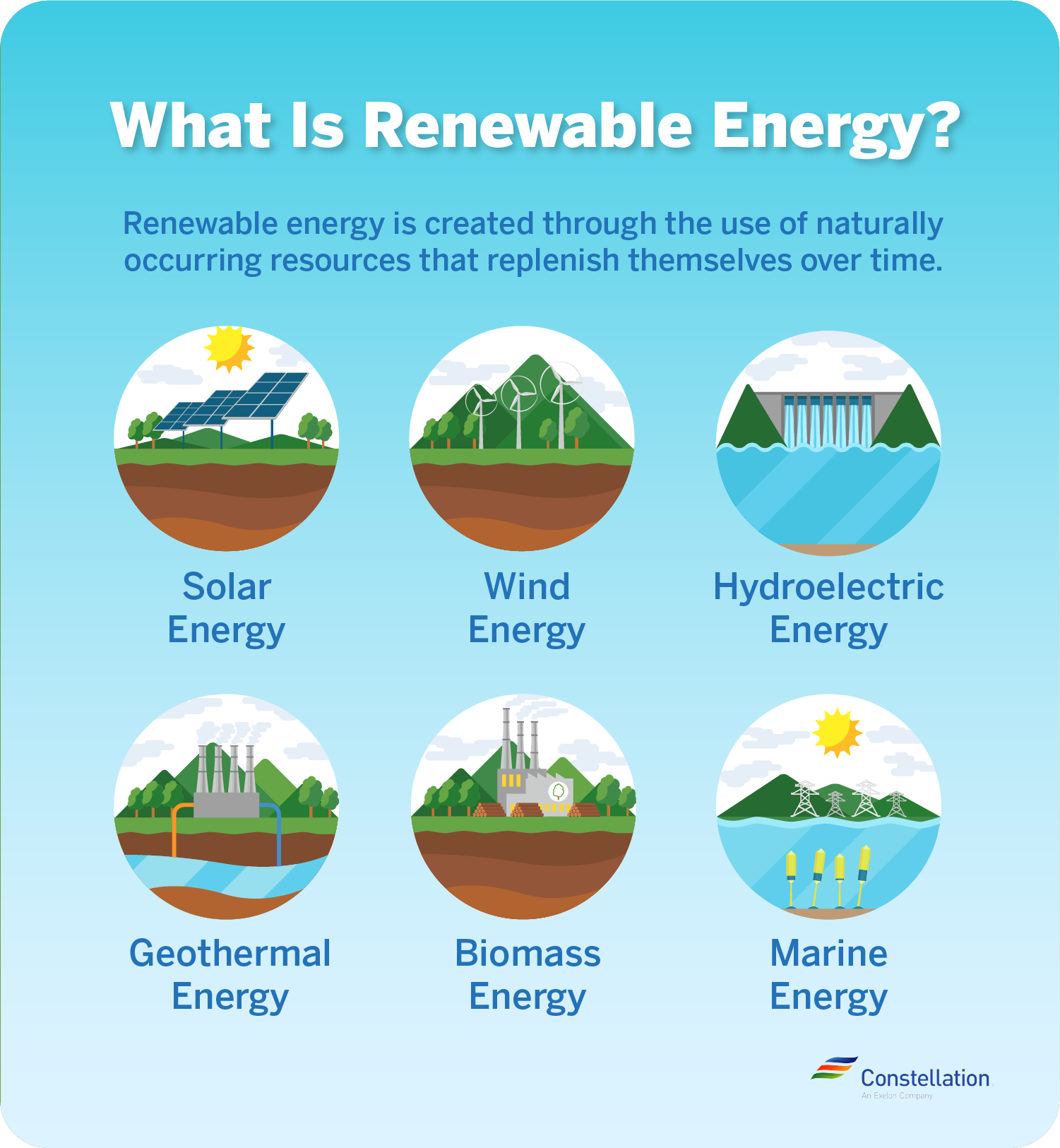
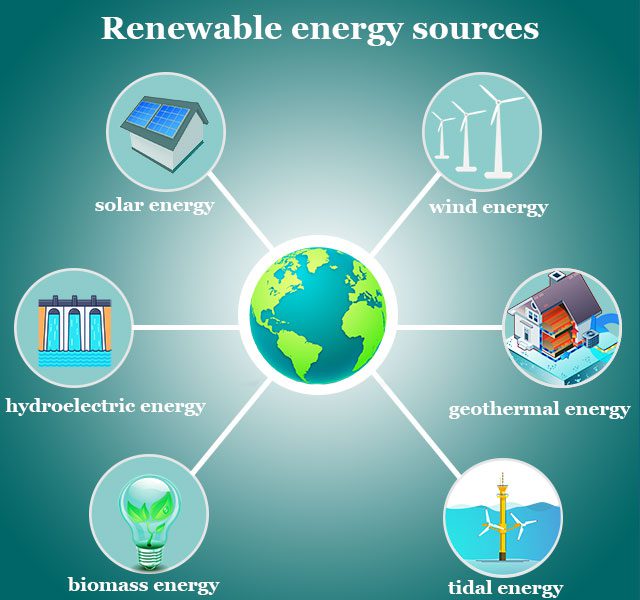
The global energy landscape is undergoing a paradigm shift that is as much about digital bits as it is about physical atoms. When we ask, “What are renewable sources?” we are no longer just discussing the sun, the wind, and the water in a vacuum. In the contemporary era, renewable sources represent a sophisticated convergence of hardware engineering, artificial intelligence (AI), and advanced materials science. This transition from fossil fuels to renewables is essentially a transition from a fuel-based economy to a technology-based economy.
In this deep dive, we explore the primary renewable sources through a technological lens, analyzing the innovations that are making these energy forms more efficient, reliable, and scalable than ever before.
The Digital Revolution of Renewable Energy
For decades, the primary argument against renewable energy was intermittency—the sun doesn’t always shine, and the wind doesn’t always blow. However, modern technology is solving this problem not through the energy sources themselves, but through the digital infrastructure that manages them.
Smart Grids and AI-Driven Distribution
The traditional power grid was built for one-way traffic: from a central power plant to the consumer. Renewables require a “Smart Grid.” This is a tech-heavy network that utilizes IoT (Internet of Things) devices to monitor energy flow in real-time. By leveraging machine learning algorithms, utilities can now predict spikes in demand and dips in supply. AI models analyze weather patterns with hyper-local precision, allowing the grid to “prepare” for a cloud bank or a sudden gust of wind, shifting energy loads automatically to maintain stability.
IoT Sensors and Predictive Maintenance
In the tech world, downtime is the enemy of ROI. Renewable energy infrastructure—such as massive offshore wind farms or sprawling solar arrays—is often located in harsh, inaccessible environments. Technology has introduced high-fidelity IoT sensors that monitor the structural integrity and mechanical performance of these assets. Using predictive analytics, software can identify a failing bearing in a turbine or a micro-crack in a solar panel weeks before a breakdown occurs. This “digital twin” technology—creating a virtual replica of a physical asset—allows engineers to run simulations and optimize performance without ever leaving the control room.
Solar Tech: Beyond the Standard Photovoltaic Panel
Solar energy is perhaps the most recognizable renewable source, but the technology behind it has moved far beyond the rigid blue panels of the 1990s. The tech industry is currently obsessed with “efficiency ratings”—the percentage of sunlight that a cell can convert into usable electricity.
Photovoltaic Advancements and Perovskite Cells
Standard silicon-based photovoltaic (PV) cells are nearing their theoretical efficiency limits. Enter Perovskite: a class of materials with a specific crystalline structure that has revolutionized solar research. In lab settings, “tandem cells” (combining silicon and Perovskite) have shattered efficiency records. This technological leap allows for smaller, more powerful panels that can generate more wattage per square inch. Furthermore, software-driven manufacturing processes are allowing for the creation of “thin-film” solar, which can be printed onto flexible surfaces, potentially turning every window and building facade into a power generator.
Floating Solar and Software Optimization
Innovation isn’t just about the cells; it’s about where you put them. “Floatovoltaics”—solar arrays mounted on bodies of water—are a rising trend in Green Tech. These systems solve two problems: they don’t use valuable land, and the water provides a natural cooling effect that improves electrical efficiency. Managing these arrays requires specialized tracking software that uses GPS and sensors to tilt the panels toward the sun with robotic precision, maximizing “irradiance” throughout the day.
Wind Power and the Rise of Aerodynamic Software
Wind energy has evolved from simple windmills to massive, data-driven structures that stand taller than skyscrapers. The “tech” in wind power is a blend of advanced materials and computational fluid dynamics.
Digital Twins in Turbine Management
A modern wind turbine is essentially a giant computer. Every blade is equipped with sensors that adjust its pitch (the angle at which it hits the wind) hundreds of times per second. This is managed by sophisticated onboard controllers that use real-time data to prevent damage during high winds while capturing the maximum amount of kinetic energy during low winds. Software platforms now allow operators to view a “Digital Twin” of an entire wind farm, seeing exactly how the wake from one turbine might be affecting the efficiency of the one behind it, and adjusting the entire fleet’s orientation to optimize the “harvest.”
Offshore Innovations and Floating Foundations
The most consistent wind is found far out at sea, where the water is too deep for traditional fixed-bottom turbines. This has led to the development of floating wind turbine technology. These are engineering marvels that use complex stabilization software to keep the turbine upright amidst ocean swells. This tech opens up vast new areas of the ocean for energy production, utilizing deep-sea cabling technology and high-voltage direct current (HVDC) software to transport electricity back to land with minimal loss.
Energy Storage: The Critical Tech Link
The “Holy Grail” of the renewable tech sector is energy storage. Because renewable sources are variable, we need high-tech ways to store that power for use at night or during calm weather. This is where chemical engineering meets software management.
Next-Gen Battery Chemistry: Solid-State and Flow
While Lithium-ion batteries (the tech in your smartphone) currently dominate the market, the tech industry is racing toward “Solid-State” batteries. These replace the liquid electrolyte with a solid material, making them safer, more energy-dense, and faster to charge. For grid-scale storage, “Flow Batteries” are the emerging tech. These use tanks of liquid electrolytes to store energy for long durations—potentially days or weeks. This allows for a “buffer” that makes renewable energy as reliable as coal or gas.
Software for Grid-Scale Storage Management
Hardware is nothing without the software to manage it. Battery Management Systems (BMS) are the brains of energy storage. These software suites monitor the “state of health” and “state of charge” of thousands of individual cells. On a larger scale, Energy Management Systems (EMS) act as an automated trading platform, deciding in milliseconds whether to store energy in the batteries, sell it to the grid, or use it to power a local facility, based on real-time electricity prices and demand forecasts.
Emerging Tech: Green Hydrogen and Enhanced Geothermal
As we look toward the future of “what are renewable sources,” we must include the frontier technologies that are currently transitioning from the lab to the field.
Electrolyzer Technology for Green Hydrogen
Green hydrogen is often called the “Swiss Army Knife” of the energy transition. It involves using renewable electricity to power an “electrolyzer”—a device that splits water into hydrogen and oxygen. The technology behind membranes and catalysts in these electrolyzers is a major focus for tech R&D. Once produced, this hydrogen can be used to fuel heavy industry or shipping, sectors where batteries are currently too heavy or inefficient.
Advanced Geothermal Systems (EGS)
Geothermal energy—tapping into the heat of the Earth—has traditionally been limited to volcanic regions. However, new “Enhanced Geothermal Systems” (EGS) are borrowing technology from the oil and gas industry to create reservoirs anywhere. This involves precision drilling and “closed-loop” software systems that circulate fluids deep underground to harvest thermal energy. Unlike solar and wind, geothermal is “baseload,” meaning it provides power 24/7, making it a vital component of a tech-driven carbon-free grid.
Conclusion: The Convergence of Tech and Nature
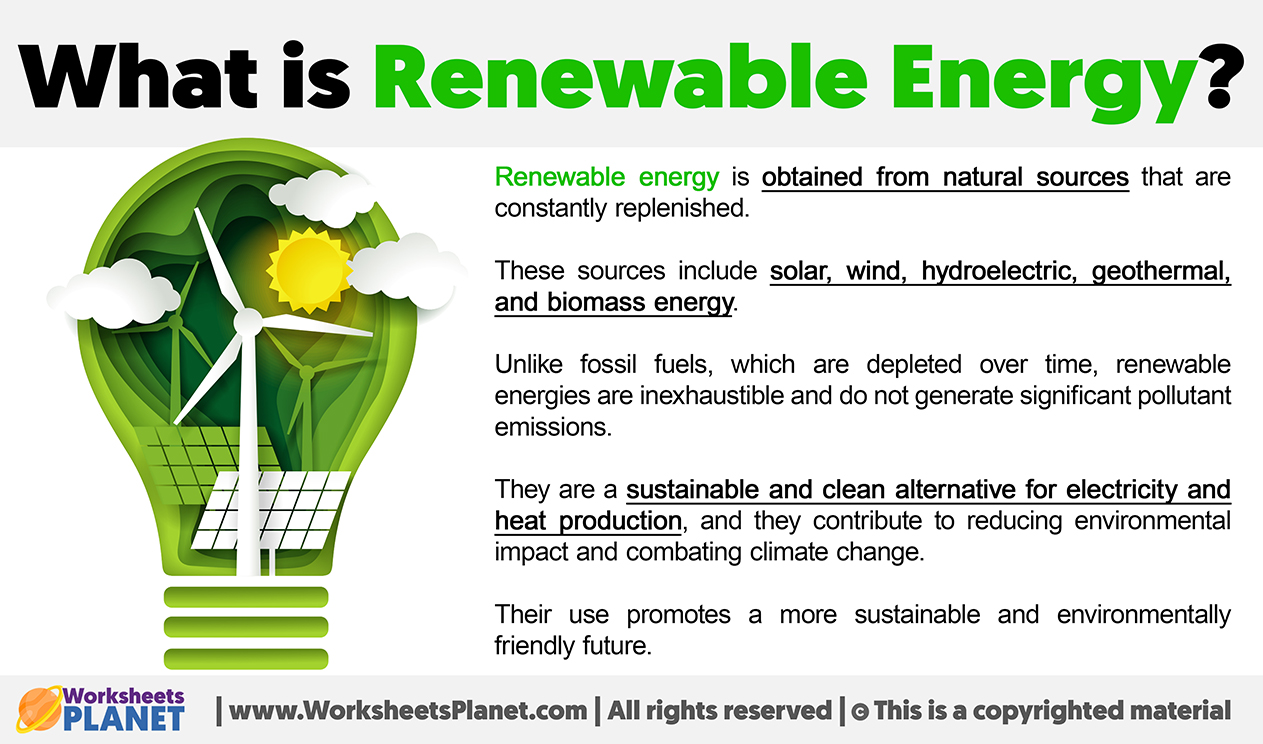
When we define “what are renewable sources” in the modern context, we are defining a tech-centric ecosystem. It is no longer just about the raw power of nature; it is about our ability to capture, manage, and store that power using the most advanced tools at our disposal.
The transition to renewables is a massive hardware upgrade for the planet. It requires thousands of miles of new fiber-optic cables, millions of IoT sensors, and quintillions of lines of code. As AI continues to optimize these systems and as material science uncovers more efficient ways to capture energy, the distinction between “energy” and “technology” will continue to blur. Renewable sources are the hardware of the future, and the software to run them is being written today.
aViewFromTheCave is a participant in the Amazon Services LLC Associates Program, an affiliate advertising program designed to provide a means for sites to earn advertising fees by advertising and linking to Amazon.com. Amazon, the Amazon logo, AmazonSupply, and the AmazonSupply logo are trademarks of Amazon.com, Inc. or its affiliates. As an Amazon Associate we earn affiliate commissions from qualifying purchases.