
In the last decade, the global financial landscape has witnessed the rise of unconventional asset classes, from cryptocurrency to legal cannabis. However, a new frontier is emerging that promises to disrupt the healthcare, wellness, and pharmaceutical industries: the psychedelic market. Often referred to by investors as the “Shroom Boom,” the commercialization of psilocybin—the active compound in “magic mushrooms”—has shifted from a counter-culture curiosity to a multibillion-dollar investment opportunity.
Understanding “what mushrooms are used for” in a modern economic context requires looking past the historical stigma. Today, mushrooms are used as the foundation for a burgeoning sector of biotech innovation, mental health infrastructure, and high-growth consumer packaged goods (CPG). For investors and entrepreneurs, this sector represents a rare “ground floor” opportunity to capitalize on a fundamental shift in how society treats mental health and neurological disorders.
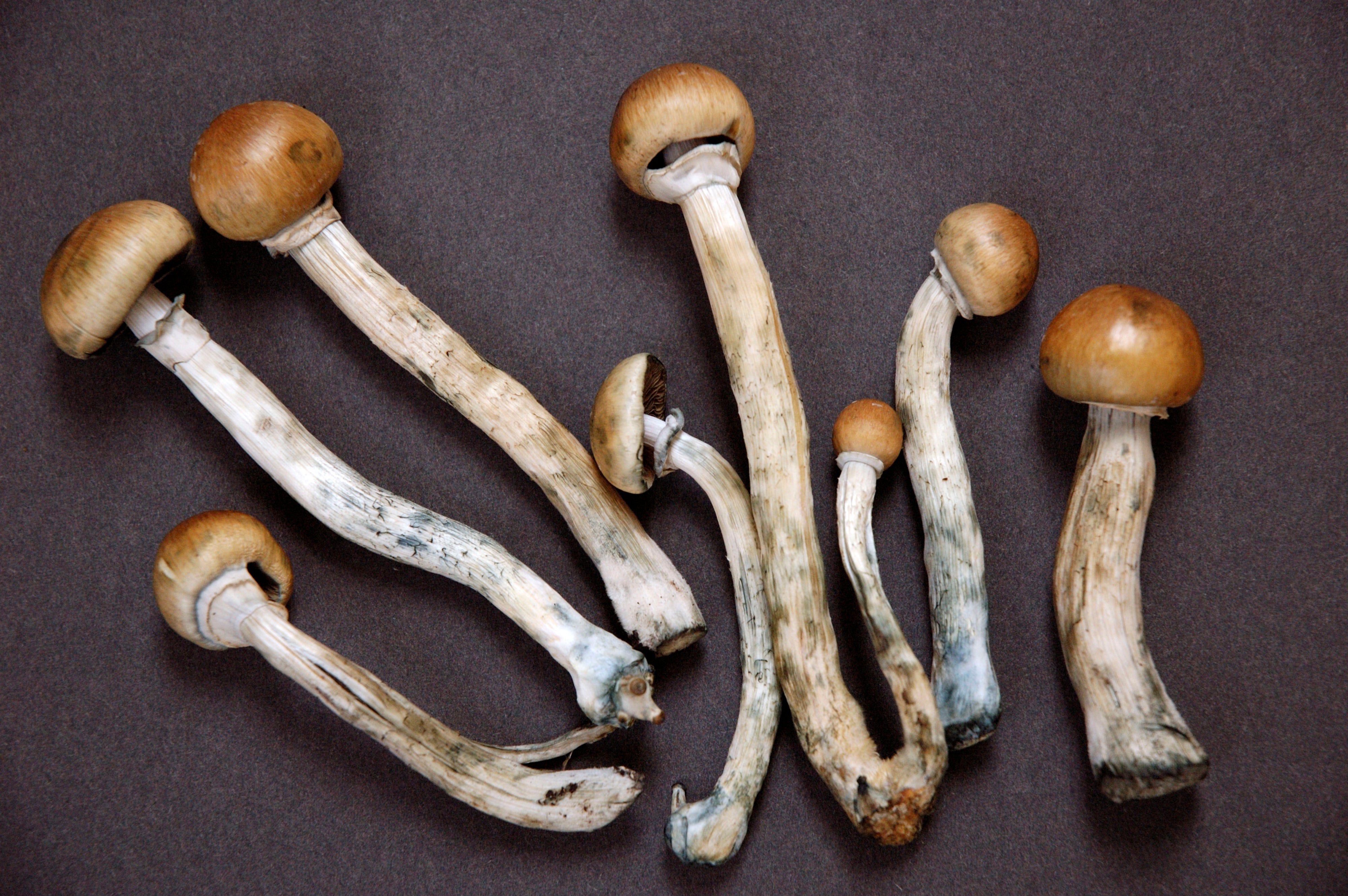
The Commercialization of Psilocybin: Understanding the High-Growth Potential
The primary driver behind the financial interest in mushrooms is their application in clinical medicine. As traditional antidepressants and mental health treatments face criticism for limited efficacy and side effects, psilocybin has emerged as a disruptive force.
From Subculture to Wall Street: The Shift in Regulation
The transition of psilocybin from a “drug” to a “drug candidate” is the most significant factor in its market valuation. For decades, psilocybin was classified under Schedule I of the Controlled Substances Act, effectively halting any commercial exploration. However, the FDA’s designation of psilocybin as a “Breakthrough Therapy” for treatment-resistant depression has changed the math for venture capitalists.
This regulatory softening has led to the public listing of companies like Compass Pathways and Atai Life Sciences on major stock exchanges. When we ask what these drugs are used for in a business sense, the answer is “market disruption.” Investors are betting on a future where psilocybin-assisted therapy becomes a standard of care, potentially capturing a significant share of the $15 billion global antidepressant market.
Therapeutic Use as a Catalyst for Market Expansion
The economic value of mushrooms lies in their unique mechanism of action. Unlike daily pills, psilocybin treatments often involve a limited number of high-impact sessions. This creates a specialized service-based revenue model. From an investment perspective, the “use” of these drugs creates a secondary market in specialized clinics, training for facilitators, and proprietary digital health platforms designed to track patient progress. The revenue potential isn’t just in the molecule; it is in the entire ecosystem required to deliver the treatment safely and legally.
Navigating the Investment Landscape: Top Sectors in the “Shroom Boom”
To profit from the psychedelic movement, one must distinguish between the different business models currently vying for dominance. The market is broadly divided into pharmaceutical drug development and the broader wellness industry.
Biotechnology and Clinical Trials: The Pharmaceutical Path
The highest potential for ROI (Return on Investment) lies in the biotech sector. Here, companies are focused on isolating psilocybin or creating synthetic analogs to treat specific conditions such as PTSD, addiction, and anxiety. This path follows the traditional pharmaceutical model: heavy R&D investment followed by clinical trials, with the goal of securing patents.
For the savvy investor, the “use” of mushrooms in this sector is as a template for drug discovery. By modifying the psilocybin molecule, companies can create “second-generation” compounds that act faster or have fewer side effects, allowing them to secure intellectual property (IP) rights. In the world of finance, IP is the primary driver of valuation, making these biotech firms the most attractive, albeit high-risk, targets for capital.
Psychedelic-Assisted Therapy Clinics: The Service-Based Model
While biotech focuses on the “what,” the clinic model focuses on the “how.” As psilocybin becomes legal in specific jurisdictions (like Oregon and Colorado in the US, or parts of Canada), a new industry of brick-and-mortar clinics is emerging. These facilities are used for administered doses under medical supervision.
This model is reminiscent of the urgent care or dialysis center franchises. The financial allure here is recurring service revenue. Rather than selling a product, these companies sell an experience and a health outcome. For those looking for “side hustles” or business opportunities in the space, becoming a certified facilitator or investing in the real estate dedicated to these healing centers represents a tangible entry point.
Risk Management and Regulatory Hurdles for Investors

While the “Shroom Boom” offers immense upside, it is fraught with financial risks that are unique to the intersection of controlled substances and high finance.
Legal Volatility: Navigating Federal vs. State Jurisdictions
One of the greatest challenges in the psychedelic business is the “Green Rush” paradox. Just as with the cannabis industry, there is a significant discrepancy between federal law and state-level decriminalization. This creates a complex tax and banking environment.
Investors must be aware that “what mushrooms are used for” depends heavily on geography. In a “gray market” environment, businesses often struggle to secure traditional bank loans or process credit card payments. This necessitates a more sophisticated approach to business finance, often relying on private equity and specialized fintech solutions to manage cash flow.
Capital Intensity and the Long Horizon of Drug Development
The “drug” aspect of mushrooms means that many of the leading companies are years away from profitability. Clinical trials are notoriously expensive, often costing hundreds of millions of dollars. For an investor, this means the risk of “capital dilution” is high. Companies may need to issue more stock to fund their operations, potentially lowering the value of existing shares.
To mitigate this, financial analysts recommend a diversified approach. Instead of betting on a single “magic bullet” molecule, investors are looking at Exchange Traded Funds (ETFs) that track the entire psychedelic sector. This spreads the risk across multiple companies, ensuring that even if one clinical trial fails, the overall portfolio can still benefit from the industry’s upward trajectory.
Monetizing the Non-Psychoactive Trend: Functional Mushrooms
It is a common misconception that the mushroom market is solely about hallucinogenic drugs. In fact, some of the most stable and immediate financial gains are being made in the “functional mushroom” sector—mushrooms used for health benefits without the “trip.”
The CPG (Consumer Packaged Goods) Revolution
The use of mushrooms like Lion’s Mane, Cordyceps, and Reishi has exploded in the wellness market. These are being marketed as “nootropics” (cognitive enhancers) and “adaptogens” (stress relievers). For entrepreneurs, this is a much lower-barrier entry point than the pharmaceutical route.
The financial strength of the functional mushroom market lies in its accessibility. Products can be sold in mainstream retailers like Whole Foods or via e-commerce platforms. This sector is less about “drugs” and more about “biohacking.” With the global functional food market projected to reach over $500 billion by 2030, the “mushroom” component of this trend is a high-growth niche that offers immediate cash flow opportunities without the regulatory headaches of psilocybin.
Scalability and Supply Chain Optimization
The industrialization of mushroom cultivation is a burgeoning business in its own right. As demand for both medicinal and functional mushrooms grows, the infrastructure for vertical farming and substrate production becomes a vital B2B opportunity.
From a “Money” perspective, the supply chain is where the most consistent profits are often found. Investing in the technology that allows for the mass-scale, sterile production of fungi is a “picks and shovels” strategy. Just as the most reliable money during the California Gold Rush was made selling shovels, the most reliable money in the mushroom revolution may be made by the companies providing the laboratory equipment and cultivation technology to the biotech and CPG firms.

Conclusion: The Strategic Outlook for the Fungal Frontier
The question of “what are mushrooms drug used for” has evolved from a medical query into a foundational question for the future of the wellness economy. Whether through the high-stakes world of pharmaceutical drug development or the fast-moving market of functional wellness products, mushrooms have become a serious asset class.
For the professional investor or entrepreneur, success in this space requires a bifurcated strategy:
- High-Risk, High-Reward: Supporting biotech firms that are navigating the FDA pipeline to turn psilocybin into a patented, prescription medicine.
- Stable, Scalable Growth: Capitalizing on the consumer demand for functional mushrooms through CPG brands and cultivation infrastructure.
As regulation continues to shift and public perception aligns with scientific reality, the psychedelic and medicinal mushroom market is poised to become a cornerstone of the 21st-century healthcare economy. The “Shroom Boom” is no longer a fringe movement; it is a sophisticated financial evolution that rewards those who understand the unique intersection of biology, law, and capital.
aViewFromTheCave is a participant in the Amazon Services LLC Associates Program, an affiliate advertising program designed to provide a means for sites to earn advertising fees by advertising and linking to Amazon.com. Amazon, the Amazon logo, AmazonSupply, and the AmazonSupply logo are trademarks of Amazon.com, Inc. or its affiliates. As an Amazon Associate we earn affiliate commissions from qualifying purchases.