
For the past several years, the global financial landscape has been dominated by a single narrative: the fight against inflation through aggressive interest rate hikes. From the Federal Reserve in the United States to the European Central Bank and the Bank of England, the era of “easy money” came to a screeching halt as central banks sought to cool overheating economies. Now, as inflation begins to show signs of stabilizing, the million-dollar question for investors, homeowners, and business owners alike is: When will interest rates finally go down?
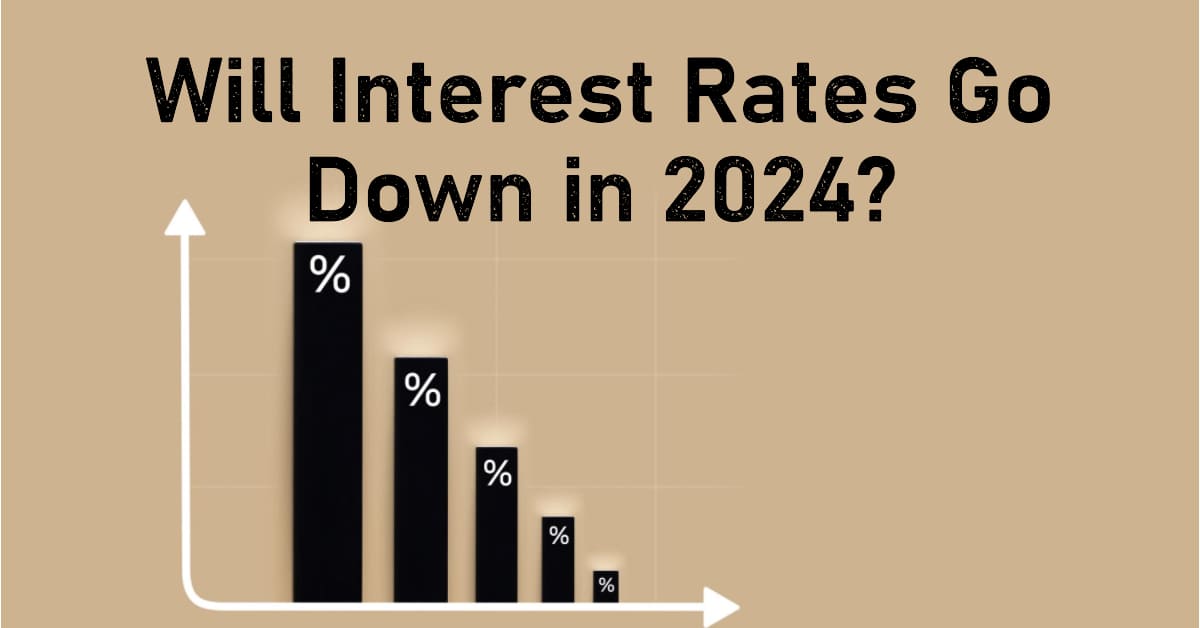
Understanding the trajectory of interest rates requires more than just a calendar; it requires a deep dive into the economic indicators that drive central bank decisions and a strategic outlook on how to position your finances for the eventual pivot.
The Mechanics of Monetary Policy: Why Rates Are High and What Needs to Change
To predict the decline of interest rates, one must first understand why they were raised in the first place. Interest rates are the primary tool used by central banks to manage economic stability. When inflation—the rate at which the prices of goods and services rise—exceeds the typical 2% target, central banks raise the federal funds rate. This increases the cost of borrowing for everything from credit cards to business loans, effectively slowing down consumer spending and corporate expansion.
The Dual Mandate: Balancing Inflation and Employment
The Federal Reserve, for instance, operates under a “dual mandate”: to promote maximum employment and maintain stable prices. Since 2022, the focus has been almost exclusively on the latter. Because the labor market remained historically resilient despite high rates, the Fed felt they had “room” to keep rates high without triggering a massive recession. For rates to go down, the Fed needs to see “convincing evidence” that inflation is not just slowing down, but is on a sustainable path toward that 2% goal.
The “Higher for Longer” Sentiment
Throughout the last fiscal year, “higher for longer” became the mantra of central bankers. This sentiment suggests that even if inflation drops, the era of near-zero interest rates seen during the 2010s is likely over. The pivot to lower rates will not be a plunge, but rather a series of measured steps. The transition occurs when the risk of keeping rates high (causing a recession) outweighs the risk of cutting rates too early (causing inflation to roar back).
Economic Indicators to Watch: The Signs of a Potential Rate Cut
Market analysts and economists don’t have a crystal ball, but they do have data. If you are looking for the “when,” you must monitor three specific economic pillars.
The Consumer Price Index (CPI) and PCE Inflation
The Consumer Price Index (CPI) is the most widely watched measure of inflation. However, the Fed prefers the Personal Consumption Expenditures (PCE) price index, which accounts for changes in consumer behavior. When these figures consistently show “disinflation”—a slowing in the rate of price increases—the pressure to maintain high rates eases. Specifically, “Core Inflation,” which strips out volatile food and energy prices, must show a downward trend before a rate cut becomes a reality.
Labor Market Softening: Unemployment and Wage Growth
As long as the job market is “tight” (meaning there are more jobs than workers), wages tend to rise as companies compete for talent. While good for the worker, this can lead to a “wage-price spiral” where companies raise prices to cover higher labor costs. If the unemployment rate begins to tick upward or if the monthly “non-farm payrolls” report shows a significant slowdown in hiring, central banks may cut rates to prevent a full-scale economic contraction.
GDP Trends: Avoiding a Hard Landing
Gross Domestic Product (GDP) measures the total value of goods and services produced. If GDP growth stalls or turns negative, the economy enters a recession. The goal of the current monetary policy is a “soft landing”—slowing the economy enough to kill inflation but not so much that it causes a deep recession. If the data suggests the “landing” is becoming too “hard,” interest rate cuts will be used as an emergency brake to stimulate activity.
Predictions and Timelines: When Experts Expect the Shift
While official dates are never set in stone, the consensus among financial institutions and the “Dot Plot” (a chart that summarizes the Federal Open Market Committee’s outlook on interest rates) provides a roadmap.
Central Bank Projections and the “Dot Plot”
The Federal Reserve releases quarterly summaries of economic projections. Recently, these projections have suggested that the peak of the rate-hiking cycle has been reached. Most analysts anticipate that the first series of rate cuts will occur in the latter half of the year, provided inflation data remains cooperative. The “pivot” is expected to be gradual, perhaps 25 basis points (0.25%) at a time, to test the waters of the economy’s reaction.
Global Influences: Is the US Leading or Following?
The U.S. economy does not exist in a vacuum. If the European Central Bank (ECB) or the Bank of Canada begins cutting rates first due to weaker growth in those regions, it puts pressure on the U.S. dollar. A very strong dollar can hurt U.S. exports. Therefore, the timeline for interest rate cuts is often a coordinated, albeit staggered, dance between the world’s major economies. Current market swaps suggest a high probability of a rate-cutting cycle beginning in late Q3 or early Q4, though “black swan” events—such as geopolitical conflicts—could delay this.
Strategic Financial Moves Before Rates Drop
For the savvy investor or homeowner, the period before rates go down is actually a window of opportunity. Once rates drop, the financial landscape changes rapidly.
Locking in High Yields on Fixed-Income Assets
We are currently in a golden age for savers. High-yield savings accounts (HYSAs), Certificates of Deposit (CDs), and Treasury bonds are offering returns not seen in decades.
- CD Ladders: Now is the time to consider “locking in” current high rates with long-term CDs. If you wait until rates go down, the yield on new CDs will plummet.
- Bonds: Bond prices move inversely to interest rates. When rates go down, the value of existing bonds with higher coupons goes up. Investors often buy long-term bonds now to benefit from capital appreciation later.
Debt Management: To Refinance Now or Later?
For those with variable-rate debt, such as HELOCs or certain credit cards, a rate drop will provide immediate relief. However, for those looking to refinance a mortgage, the timing is trickier.
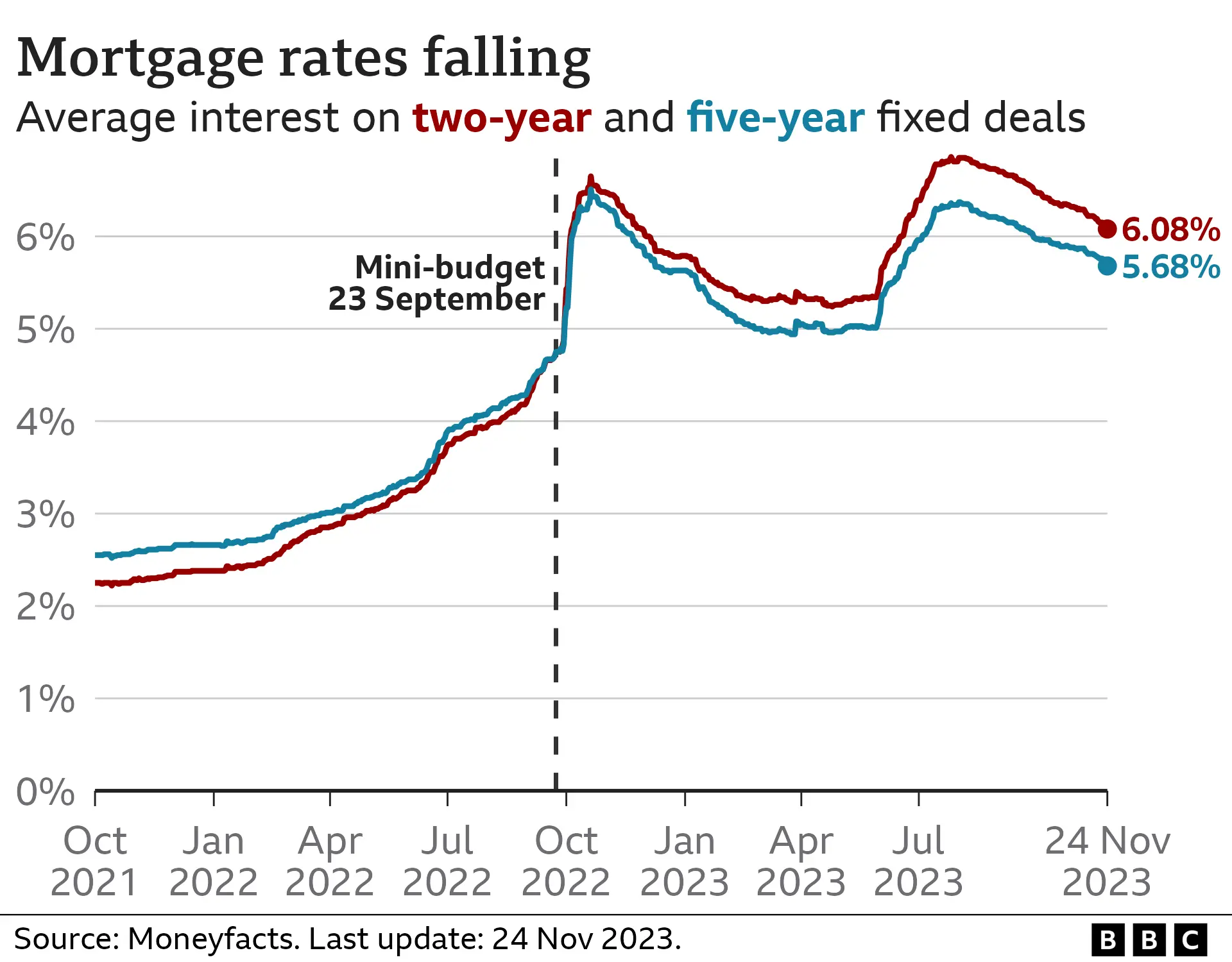
- The Mortgage Catch-22: Many prospective homebuyers are waiting for rates to drop to 5% or 4% before buying. The risk is that once rates drop, a flood of buyers will enter the market, driving home prices significantly higher. In many cases, it may be better to “marry the house and date the rate”—buy the property now at a higher rate and refinance once the Fed begins its cutting cycle.
Real Estate and Business Expansion
For business owners, high interest rates have made capital expenditures expensive. Planning for expansion now, while scouting for deals, allows you to be “first in line” for financing when the cost of capital decreases. In the real estate sector, lower rates typically lead to increased liquidity and higher valuations, making the pre-cut period an ideal time for due diligence and acquisition.
Conclusion: Preparing for the New Normal
The question of “when” interest rates will go down is ultimately a question of “when” the economy reaches a sustainable equilibrium. While the peak of the hiking cycle appears to be behind us, the descent will likely be slower than many hope. We are transitioning from a period of high volatility to a “new normal” where money has a distinct cost, and “zero-percent” environments remain a relic of the past.
For individuals and businesses, the strategy should not be to wait idly for a rate cut, but to optimize current holdings. High yields on savings should be harvested, and debt should be structured to allow for future refinancing. By understanding the indicators—inflation, labor, and GDP—you can stay ahead of the curve, ensuring that when the central banks finally hit the “down” button, your financial house is already in order. The pivot is coming; the key is being prepared for the landscape it creates.
aViewFromTheCave is a participant in the Amazon Services LLC Associates Program, an affiliate advertising program designed to provide a means for sites to earn advertising fees by advertising and linking to Amazon.com. Amazon, the Amazon logo, AmazonSupply, and the AmazonSupply logo are trademarks of Amazon.com, Inc. or its affiliates. As an Amazon Associate we earn affiliate commissions from qualifying purchases.