
The housing market is a cornerstone of the global economy and a primary driver of personal wealth for many. Understanding “home rates” is paramount for anyone considering buying a home, refinancing an existing mortgage, or simply managing their household budget. When people refer to “home rates,” they are predominantly speaking about mortgage interest rates—the cost of borrowing money to purchase a property. However, the term can also encompass other significant financial aspects such as property tax rates, homeowner’s insurance premiums, and even the rates associated with home equity products.
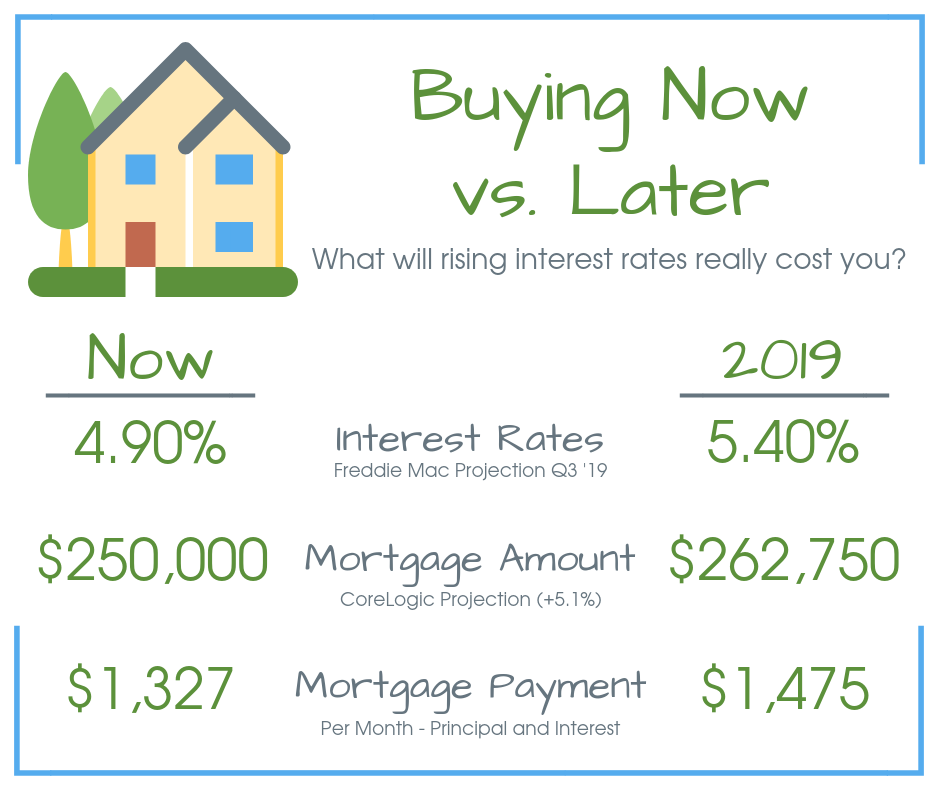
Right now, the financial landscape surrounding homeownership is marked by volatility and a dynamic interplay of economic forces. Interest rates have undergone significant shifts in recent times, influenced by central bank policies, inflation concerns, and broader economic indicators. This article will dissect the current state of these crucial rates, explore the factors driving them, and provide insights for navigating the contemporary housing finance environment. Whether you’re a prospective first-time buyer, a seasoned homeowner, or an investor, comprehending these rates is the first step towards making informed financial decisions that align with your long-term goals.
Decoding Current Mortgage Rate Trends and Their Drivers
Mortgage rates are arguably the most impactful “home rate” for the majority of individuals. They dictate the monthly cost of homeownership and significantly influence affordability and market activity. As of late, these rates have been on a roller coaster, creating both challenges and opportunities for consumers. Understanding the underlying mechanisms that move these rates is key to anticipating future shifts and planning accordingly.
Key Factors Influencing Mortgage Rates
Several powerful forces conspire to shape mortgage rates, often creating a complex web of cause and effect. The most prominent among these include:
- Federal Reserve Policy and the Federal Funds Rate: While the Fed does not directly set mortgage rates, its actions have a profound indirect impact. When the Federal Reserve raises or lowers the federal funds rate, it influences the broader interest rate environment, including the rates on short-term loans. Mortgage rates, especially fixed-rate mortgages, are more closely tied to the yield on 10-year Treasury bonds, which in turn are influenced by expectations about the Fed’s future actions and inflation.
- Inflation Expectations: Lenders factor in inflation when setting rates. If inflation is expected to rise, lenders demand a higher interest rate to ensure that the purchasing power of the money they are repaid isn’t eroded over time. Conversely, a slowdown in inflation can lead to downward pressure on rates.
- Economic Growth and Employment Data: A strong economy, characterized by robust GDP growth and low unemployment, often signals higher inflation and a more aggressive stance from the Fed, which can push rates up. Conversely, signs of economic slowdown or recession tend to lead to lower rates as investors seek safe havens like bonds, driving down their yields.
- Housing Market Dynamics: Supply and demand within the housing market can also play a role. A highly competitive market with strong demand can sometimes support higher rates, while an oversupply or sluggish demand might encourage lenders to offer more competitive rates.
- Global Economic Conditions: International events, geopolitical tensions, and global economic trends can spill over into the U.S. financial markets, influencing bond yields and, subsequently, mortgage rates.
Historical Context and Recent Volatility
The past few years have been particularly notable for mortgage rate fluctuations. Following a period of historically low rates during the pandemic, driven by expansionary monetary policies, we have witnessed a sharp ascent. This upward trajectory was largely a response to persistent inflation and the Federal Reserve’s aggressive rate-hiking cycle aimed at cooling the economy. These rapid changes have created significant challenges for homebuyers, drastically altering affordability equations almost in real-time. Historically, rates have ebbed and flowed, but the speed and magnitude of recent shifts have been particularly impactful, prompting many to re-evaluate their homeownership timelines and financial strategies. This volatility underscores the importance of staying informed and agile in the current market.
Fixed-Rate vs. Adjustable-Rate Mortgages: Which to Choose Now?
The choice between a fixed-rate mortgage (FRM) and an adjustable-rate mortgage (ARM) is always a critical decision, but it becomes even more pronounced in a dynamic rate environment.
- Fixed-Rate Mortgages (FRMs): With an FRM, your interest rate remains the same for the entire life of the loan, providing predictable monthly payments. In times of high or uncertain rates, an FRM can offer stability and peace of mind, locking in a rate even if market rates continue to climb. However, if rates are expected to fall significantly in the future, you might miss out on potential savings without refinancing.
- Adjustable-Rate Mortgages (ARMs): ARMs typically offer a lower initial interest rate for a set period (e.g., 5, 7, or 10 years), after which the rate adjusts periodically based on a benchmark index plus a margin. In a declining rate environment, an ARM can be advantageous, allowing borrowers to benefit from lower rates without refinancing. However, in a rising rate environment, ARMs can lead to significantly higher monthly payments once the fixed period expires. Given the current uncertainty, ARMs require a careful assessment of one’s risk tolerance, financial stability, and expected future housing tenure. Some borrowers might consider an ARM if they plan to sell or refinance before the fixed period ends, or if they believe rates will decline over the long term.
The Broad Impact on Homebuyers, Homeowners, and the Market
The current state of home rates, particularly mortgage rates, sends ripples throughout the housing ecosystem, affecting potential buyers, existing homeowners, and the broader real estate market. Its influence stretches from individual affordability to broader economic stability.
Affordability Challenges for New Buyers
For first-time homebuyers and those looking to upgrade, elevated mortgage rates translate directly into reduced purchasing power and increased monthly payments. A modest increase in interest rates can add hundreds of dollars to a monthly mortgage payment, effectively pricing out a segment of potential buyers or forcing others to look for less expensive homes. This challenge is compounded by high home prices that have persisted in many markets. As a result, many aspiring homeowners are facing a difficult equation, requiring larger down payments, extended savings periods, or a re-evaluation of their homeownership dreams. The “stress test” for affordability has become more stringent, highlighting the importance of robust financial planning and realistic expectations.
Refinancing Decisions in a High-Rate Environment
Existing homeowners who secured mortgages during periods of historically low rates are largely insulated from the immediate impact of rising rates. However, those contemplating refinancing face a very different scenario. For most, refinancing into a higher rate simply doesn’t make financial sense unless they are looking to tap into home equity, consolidate high-interest debt, or remove a borrower from the loan. The golden era of easily accessible, low-cost refinancing has largely passed for now. Homeowners must carefully weigh the costs of refinancing (origination fees, closing costs) against any potential benefits, which are significantly diminished in a high-rate environment.
The Equity Dilemma: Maximizing Your Home’s Value
Despite higher mortgage rates, many homeowners have seen significant appreciation in their home’s value over recent years. This accumulated equity presents both opportunities and considerations. While it offers a substantial financial cushion, tapping into it through cash-out refinances or Home Equity Lines of Credit (HELOCs) now comes at a higher cost. The interest rates on HELOCs, being adjustable, are particularly sensitive to the Federal Reserve’s actions. Homeowners must carefully evaluate their need for liquidity against the increased cost of borrowing, ensuring that any leverage taken on is for sound financial reasons and does not overextend their household budget. Maximizing your home’s value now often means strategic renovations, careful maintenance, and understanding the local market nuances rather than relying on rate-driven financing strategies.
Beyond Mortgage Rates: Other Critical Home-Related Costs
While mortgage rates dominate the conversation, a holistic understanding of “home rates” necessitates looking at other significant costs that contribute to the overall financial burden of homeownership. These can add thousands of dollars annually to expenses and are also subject to their own set of economic and regional influences.
Property Taxes: Local Assessments and Trends
Property taxes are a recurring and often substantial cost for homeowners, paid to local governments to fund public services like schools, infrastructure, and emergency services. These taxes are typically assessed as a percentage of your home’s appraised value. Key trends to monitor include:

- Rising Home Values: In markets where home values have appreciated significantly, property tax assessments often follow suit, leading to higher tax bills even if the tax rate itself remains constant.
- Local Government Budgets: Local government funding needs can lead to changes in property tax rates. Increases in local spending or deficits can trigger rate hikes, directly impacting homeowners.
- Assessment Appeals: Homeowners have the right to appeal their property tax assessment if they believe it is inaccurate. Understanding the local assessment process and appealing when appropriate can be a vital strategy for managing this cost.
- Tax Relief Programs: Some jurisdictions offer property tax relief programs for seniors, veterans, or low-income households, which can provide significant savings.
Staying informed about local government finance and property tax cycles is essential for budgeting and potentially mitigating these costs.
Homeowner’s Insurance Premiums: Rising Costs and Coverage Tips
Homeowner’s insurance is a non-negotiable expense, protecting your most valuable asset from perils like fire, theft, and natural disasters. Unfortunately, premiums have been on a consistent upward trend in many regions due to several factors:
- Increased Frequency and Severity of Natural Disasters: Climate change is contributing to more frequent and intense weather events (hurricanes, wildfires, floods), leading to higher claims payouts for insurers, which are then passed on to policyholders.
- Rising Repair and Rebuilding Costs: Inflation in construction materials and labor costs directly impacts the cost of repairing or rebuilding a home after damage, pushing up premium prices.
- Supply Chain Issues: Persistent supply chain disruptions can delay repairs and increase costs, further pressuring insurance rates.
- Actuarial Risk Assessments: Insurers are constantly re-evaluating risk in specific geographic areas, and new data can lead to significant premium adjustments for regions deemed high-risk.
To manage rising insurance costs, homeowners should:
- Shop Around Annually: Compare quotes from multiple providers.
- Bundle Policies: Many insurers offer discounts for bundling home and auto insurance.
- Increase Deductibles: A higher deductible typically lowers your premium, but ensure you can afford it in an emergency.
- Improve Home Security/Safety: Installing alarm systems, smoke detectors, and making your home more resistant to specific perils (e.g., hurricane shutters) can sometimes qualify for discounts.
- Review Your Coverage: Ensure you’re not over-insured or under-insured.
Home Equity Lines of Credit (HELOCs) and Second Mortgages
For homeowners with substantial equity, HELOCs and second mortgages offer ways to borrow against their home’s value. However, the rates on these products are also influenced by the current financial climate.
- HELOCs: These are typically variable-rate products, meaning their interest rate fluctuates based on a benchmark index (often the prime rate). In a rising interest rate environment, HELOC rates will increase, leading to higher monthly payments. While offering flexibility, their variable nature makes them riskier when rates are unpredictable.
- Second Mortgages: These are often fixed-rate loans for a lump sum, similar to a traditional mortgage but subordinate to your primary mortgage. Their rates are higher than first mortgages due to the increased risk for the lender.
Both options have higher rates now than in the recent past. Homeowners considering these products must carefully assess their repayment capacity, the purpose of the loan, and the potential impact of rate fluctuations on their budget. They can be excellent tools for home improvements or debt consolidation, but only if used responsibly with a clear repayment strategy.
Navigating the Market: Strategies for Financial Wellness
In a rapidly evolving housing finance landscape, proactive planning and informed decision-making are paramount. Homeowners and prospective buyers need robust strategies to navigate the current environment effectively and maintain financial wellness.
Preparing Your Finances for Homeownership
For those looking to buy, the current rate environment demands even greater financial preparedness:
- Strengthen Your Credit Score: A higher credit score (typically 740+) can qualify you for the most competitive mortgage rates. Focus on paying bills on time, reducing debt, and monitoring your credit report for errors.
- Maximize Your Down Payment: A larger down payment reduces the amount you need to borrow, thereby lowering your monthly payments and potentially helping you avoid private mortgage insurance (PMI). In a high-rate environment, every dollar less borrowed translates to significant long-term savings.
- Build a Robust Emergency Fund: Unexpected home repairs or job loss can quickly derail finances. A substantial emergency fund (3-6 months of living expenses) is crucial for financial resilience.
- Get Pre-Approved, Not Just Pre-Qualified: A pre-approval involves a thorough review of your finances by a lender and gives you a clear understanding of what you can truly afford, making you a more attractive buyer in a competitive market.
- Budget Beyond the Mortgage Payment: Account for property taxes, insurance, utilities, maintenance, and potential HOA fees. These can add significantly to your monthly housing costs.
Leveraging Financial Tools and Professional Advice
The complexity of current home rates makes expert guidance more valuable than ever.
- Mortgage Brokers and Lenders: Work with reputable mortgage professionals who can shop around for the best rates and loan products tailored to your situation. They can also explain the nuances of different loan types and help you understand closing costs.
- Financial Advisors: A certified financial planner can help you integrate your homeownership goals into a broader financial plan, considering your investments, retirement, and other long-term objectives.
- Online Calculators and Tools: Utilize online mortgage calculators, affordability tools, and refinance break-even calculators to run various scenarios and understand the financial implications of different decisions.
- Market Research: Stay updated on economic news, interest rate forecasts from reputable sources, and local housing market trends. Knowledge is power in a dynamic market.
Long-Term Financial Planning in a Dynamic Housing Market
Homeownership is typically a long-term commitment, and your financial strategy should reflect this.
- Regularly Review Your Mortgage: Even if you have a fixed-rate mortgage, it’s wise to periodically review the market. If rates drop significantly in the future, refinancing might become a viable option again. For ARM holders, closely monitor the adjustment schedule and plan for potential payment increases.
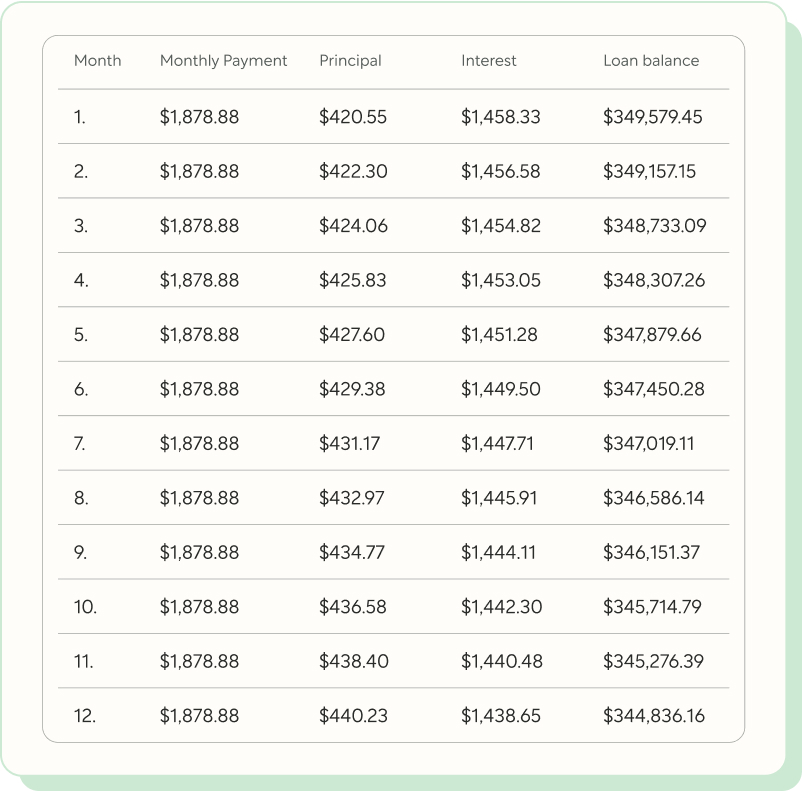
- Build Equity Strategically: Beyond making regular payments, consider making extra principal payments when financially feasible. This reduces the total interest paid over the life of the loan and builds equity faster.
- Diversify Your Investments: While your home is a significant asset, it’s crucial not to put all your financial eggs in one basket. Maintain a diversified investment portfolio alongside your home equity.
- Plan for Major Home Expenses: Factor in future home improvement projects, potential major repairs (e.g., roof replacement, HVAC system), and increasing property taxes or insurance premiums into your long-term budget. A separate sinking fund for home maintenance can be highly beneficial.
Conclusion
Understanding “what are home rates right now” is far more than just knowing a number; it’s about grasping the intricate financial ecosystem that shapes one of life’s most significant investments. The current environment is characterized by elevated and fluctuating mortgage rates, rising property taxes, and increasing insurance premiums, all of which demand a sophisticated approach from both prospective buyers and current homeowners.
The days of exceptionally low interest rates appear to be behind us for now, necessitating a more rigorous financial assessment for anyone engaging with the housing market. Affordability has become a major hurdle for new buyers, while existing homeowners must think strategically about refinancing and leveraging their home equity. Beyond mortgages, the consistent rise in property taxes and homeowner’s insurance premiums highlights the growing complexity of ongoing homeownership costs.
Navigating this dynamic landscape successfully requires vigilance, education, and proactive financial planning. By understanding the forces driving these rates, leveraging professional advice, and adopting prudent financial strategies, individuals can make informed decisions that safeguard their financial well-being and align with their long-term housing goals, even in the face of ongoing market shifts. Staying informed is not just recommended; it’s essential for thriving in today’s housing finance world.
aViewFromTheCave is a participant in the Amazon Services LLC Associates Program, an affiliate advertising program designed to provide a means for sites to earn advertising fees by advertising and linking to Amazon.com. Amazon, the Amazon logo, AmazonSupply, and the AmazonSupply logo are trademarks of Amazon.com, Inc. or its affiliates. As an Amazon Associate we earn affiliate commissions from qualifying purchases.