
The human eye is an extraordinary organ, a delicate marvel of biology that grants us the gift of sight – arguably our most dominant sense. When this intricate system falters, the impact on quality of life can be profound. While the question “what are diseases of the eyes?” might traditionally lead to a purely medical discussion, in the 21st century, it’s impossible to address the topic comprehensively without acknowledging the pervasive and transformative role of technology. From advanced diagnostics that reveal ocular pathology at its earliest stages to groundbreaking therapies that restore vision, and even the digital environments that challenge our eye health, technology is inextricably linked to the entire spectrum of eye diseases. This article will delve into various ocular conditions through the prism of technology, exploring how innovation is reshaping ophthalmology and eye care, and conversely, how our digital lives are influencing the prevalence and nature of eye-related ailments.
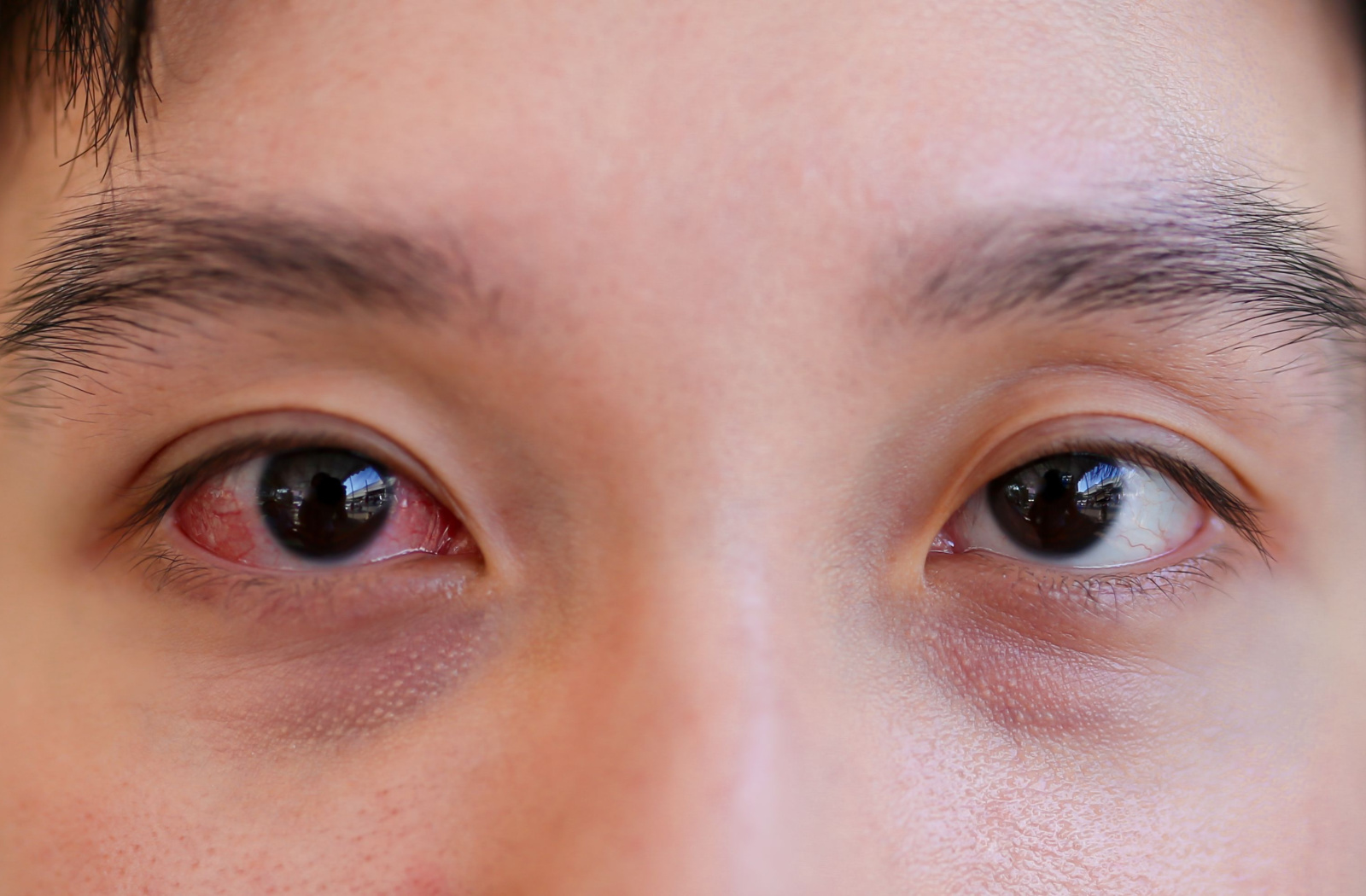
The Technological Frontier in Eye Disease Diagnosis
The ability to accurately and early diagnose eye diseases is paramount for effective treatment and preventing irreversible vision loss. Modern ophthalmology has been revolutionized by an array of sophisticated technological tools that allow clinicians to peer into the eye with unprecedented clarity and detail, detecting conditions that were once challenging to identify.
Advanced Imaging Modalities: OCT, Fundus Photography, and AI Integration
Optical Coherence Tomography (OCT) stands as one of the most significant advancements in diagnostic ophthalmology. Utilizing light waves to capture cross-sectional images of the retina, optic nerve head, and anterior segment, OCT provides micron-level resolution, allowing for the precise detection and monitoring of conditions like glaucoma, age-related macular degeneration (AMD), and diabetic retinopathy. Its ability to quantify retinal thickness and optic nerve fiber layers offers objective data for disease progression.
Fundus photography, often enhanced with digital capture and wide-field imaging, provides high-resolution images of the retina, optic disc, and macula. These images are crucial for documenting changes over time, especially in systemic diseases affecting the eye. The integration of Artificial Intelligence (AI) and machine learning algorithms with these imaging modalities represents the next leap forward. AI can now analyze OCT scans and fundus photographs to identify subtle patterns indicative of disease, often even before human experts can. For instance, AI algorithms are being trained to automatically detect signs of diabetic retinopathy, glaucoma, and AMD, potentially enabling mass screening programs and reducing the burden on ophthalmologists. This synergy of imaging tech and AI promises earlier detection, more accurate prognoses, and personalized treatment pathways.
Teleophthalmology: Expanding Access and Early Detection
Geographic and economic barriers often prevent individuals from accessing timely eye care. Teleophthalmology, a subset of telemedicine, leverages digital communication technologies to bridge this gap. Patients in remote areas can undergo initial screenings, such as digital fundus photography or automated visual field tests, which are then transmitted to ophthalmologists for remote interpretation. This model is particularly effective for large-scale screening programs for conditions like diabetic retinopathy, a leading cause of preventable blindness.
AI-powered diagnostic tools are especially impactful in teleophthalmology, allowing for automated triage and rapid identification of high-risk cases that require immediate specialist attention. This not only expands access to care but also streamlines the referral process, ensuring that limited specialist resources are directed where they are most needed. The ongoing development of user-friendly mobile apps and portable diagnostic devices further empowers primary care providers and even patients to participate in early detection efforts, democratizing access to critical eye health information.
Digital Tools for Screening and Monitoring
Beyond complex imaging, a myriad of simpler digital tools are emerging for eye health screening and monitoring. Smartphone apps can now conduct basic vision tests, detect color blindness, or even assist in managing amblyopia (“lazy eye”) through engaging games. Digital perimeters and visual field analyzers offer computerized assessments for conditions like glaucoma, while smart devices can track eye movements or pupillary responses. These tools, while not replacing comprehensive ophthalmic exams, serve as valuable adjuncts for preliminary screening, self-monitoring, and patient education, fostering greater awareness and proactive engagement in eye health management.
Innovative Treatments and Surgical Technologies
Once an eye disease is diagnosed, technology continues to play a pivotal role in its treatment. From precision surgeries to novel drug delivery systems and futuristic vision restoration, innovation is continually pushing the boundaries of what’s possible.
Laser Eye Surgery and Refractive Correction Innovations
Laser eye surgery, particularly LASIK (Laser-Assisted In Situ Keratomileusis) and PRK (Photorefractive Keratectomy), has been a transformative technology for correcting refractive errors like myopia (nearsightedness), hyperopia (farsightedness), and astigmatism. These procedures use excimer lasers to precisely reshape the cornea, altering its curvature to improve light focus on the retina. Newer techniques like SMILE (Small Incision Lenticule Extraction) offer less invasive alternatives, further expanding the accessibility and safety of vision correction surgery.
Beyond refractive surgery, lasers are indispensable in treating various retinal diseases. Argon lasers are used for photocoagulation to seal leaking blood vessels in diabetic retinopathy or to prevent retinal tears from progressing to detachments. YAG lasers are employed to treat posterior capsular opacification (a common complication after cataract surgery) and certain types of glaucoma. The precision and minimal invasiveness of laser technology have profoundly improved outcomes for millions.
AI-Assisted Drug Discovery and Personalized Medicine
The development of new pharmaceuticals for eye diseases, such as advanced treatments for wet AMD or glaucoma, is increasingly benefiting from AI. Machine learning algorithms can analyze vast datasets of genetic information, molecular structures, and patient responses to identify potential drug targets and accelerate the drug discovery process. This leads to more efficient development of targeted therapies.
Furthermore, AI is paving the way for personalized medicine in ophthalmology. By analyzing a patient’s genetic profile, lifestyle factors, and specific disease characteristics (derived from high-resolution imaging), AI can help clinicians predict disease progression more accurately and tailor treatment regimens for optimal efficacy. This shift from a one-size-fits-all approach to highly individualized care promises better outcomes and reduced side effects for patients battling complex eye diseases.
Bionic Eyes and Gene Therapies: The Future of Vision Restoration
For individuals with severe vision loss or blindness due to conditions like retinitis pigmentosa or severe macular degeneration, groundbreaking technologies are offering a glimmer of hope. Bionic eyes, or retinal prostheses, such as the Argus II system, use miniature cameras and electrode arrays implanted in or on the retina to stimulate remaining retinal cells, allowing patients to perceive light, shapes, and movement. While not restoring full vision, these devices significantly enhance independence and quality of life.
Gene therapy represents another revolutionary frontier. Conditions caused by specific genetic mutations, such as Leber congenital amaurosis, are now being treated by introducing healthy genes into retinal cells using viral vectors. Luxturna, for example, is an FDA-approved gene therapy that restores vision in certain patients with biallelic RPE65 mutation-associated retinal dystrophy. The potential for gene editing technologies like CRISPR to correct genetic defects in the eye holds immense promise for a wide range of inherited retinal diseases, offering the prospect of treating the root cause of blindness.
Wearable Tech and Smart Devices for Eye Health Management
The integration of technology into our daily lives extends to proactive eye health management, with smart devices offering innovative ways to monitor, protect, and even augment vision.
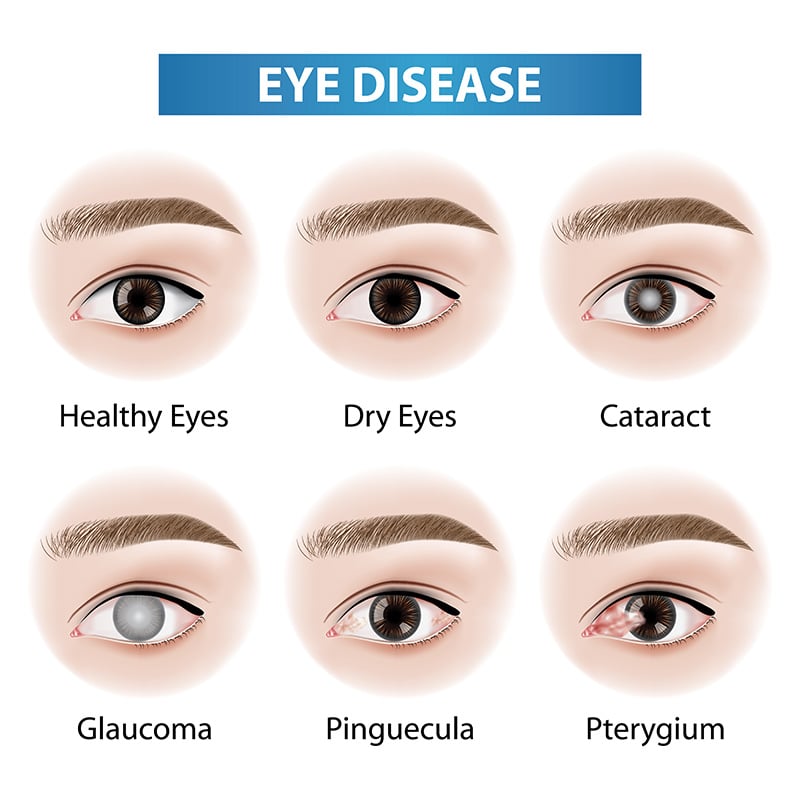
Smart Contact Lenses and Glucose Monitoring
Beyond correcting vision, research is advancing rapidly in smart contact lenses that can do much more. These lenses incorporate micro-electronics and sensors to perform various functions. One promising application is non-invasive glucose monitoring for diabetics, allowing continuous tracking of blood sugar levels without finger pricks. Given that diabetic retinopathy is a major cause of blindness, such technology could provide earlier warnings and better management of the underlying condition. Other prototypes are designed to monitor intraocular pressure for glaucoma patients, potentially providing continuous data that is superior to intermittent office visits.
VR/AR for Vision Rehabilitation and Training
Virtual Reality (VR) and Augmented Reality (AR) technologies are emerging as powerful tools in vision rehabilitation and training. For individuals with low vision, VR headsets can be programmed to enhance contrast, magnify specific areas, or filter out glare, making everyday tasks more manageable. AR glasses can superimpose digital information onto the real world, assisting individuals with visual field defects to navigate their environment more safely. Beyond rehabilitation, VR environments are used for training eye muscles in conditions like amblyopia or strabismus, offering engaging and customizable exercises that improve visual acuity and coordination.
Ergonomic Gadgets and Digital Eye Strain Prevention
As digital screens become ubiquitous, concerns about their impact on eye health have grown. Ergonomic gadgets and smart accessories are designed to mitigate digital eye strain (also known as computer vision syndrome). These include monitors with built-in blue light filters, e-readers with paper-like displays, and even smart lighting systems that adapt to ambient light conditions to reduce glare and optimize visual comfort. Apps and software exist to remind users to take breaks, follow the 20-20-20 rule (look at something 20 feet away for 20 seconds every 20 minutes), and adjust screen brightness and contrast. These technological solutions are becoming essential tools in preventing modern-day eye ailments associated with prolonged screen exposure.
The Impact of Screen Time and Digital Lifestyles on Eye Health
While technology offers incredible advancements in eye care, it also presents challenges. Our increasing reliance on digital screens has introduced a new set of concerns regarding ocular health, impacting how we understand and prevent certain eye conditions.
Understanding Digital Eye Strain (Asthenopia)
Digital eye strain, or asthenopia, is a collective term for the discomfort and vision problems experienced after prolonged use of digital devices. Symptoms include dry eyes, blurred vision, headaches, neck and shoulder pain, and eye fatigue. This condition is a direct consequence of technology usage, driven by factors like reduced blink rates, constant refocusing at close distances, exposure to blue light, and glare from screens. While not causing permanent damage, it significantly impacts productivity and comfort. Technological solutions, such as blue light filtering glasses, screen protectors, and software that adjusts screen color temperature, aim to alleviate these symptoms by modifying the user’s interaction with digital interfaces.
Myopia Progression in a Digital Age
Myopia, or nearsightedness, is reaching epidemic proportions globally, particularly among children and young adults. While genetics play a role, environmental factors, especially extensive near-work activities (like reading on screens) and insufficient outdoor time, are strongly implicated. The constant accommodation required for close-up viewing on digital devices is believed to contribute to the elongation of the eyeball, leading to myopia progression.
Technology is not only a potential contributor but also part of the solution. Specialized contact lenses and eyeglasses (e.g., multifocal lenses, DIMS lens technology) are designed to slow myopia progression. Furthermore, apps and wearable devices can encourage children to spend more time outdoors, which has been shown to reduce the risk of myopia development and progression. Research into the precise mechanisms and technological interventions continues to be a critical area of study.
Best Practices for Screen Use and Eye Care Apps
To mitigate the negative impacts of digital lifestyles, technology also provides tools for promoting healthy screen habits. Numerous eye care apps offer features like blue light filters, dark modes, screen brightness adjustments, and timed reminders to take breaks. Operating systems on computers and smartphones increasingly include “night shift” or “reading mode” features that automatically adjust screen color temperature to reduce blue light emission, particularly in the evening. Adopting the 20-20-20 rule, ensuring proper ergonomics (screen at arm’s length, slightly below eye level), and maintaining good indoor lighting are crucial practices. Regular check-ups with an ophthalmologist remain vital, especially given the evolving nature of digital environments and their impact on eye health.
Cybersecurity and Data Privacy in Ophthalmic Health Tech
As ophthalmic care becomes increasingly digitized, integrating electronic health records, AI diagnostics, and connected devices, the importance of cybersecurity and data privacy cannot be overstated. Protecting sensitive patient information and ensuring the integrity of medical technology is paramount.
Protecting Sensitive Patient Data
The shift to electronic health records (EHRs) and cloud-based systems for storing patient data offers numerous advantages in terms of accessibility and efficiency. However, it also creates significant vulnerabilities. Ophthalmic patient data, which often includes highly personal genetic information, detailed diagnostic images (like OCT scans), and treatment histories, is a prime target for cyberattacks. Robust encryption, multi-factor authentication, secure network infrastructures, and strict adherence to regulations like HIPAA (Health Insurance Portability and Accountability Act) are critical to safeguarding this sensitive information from breaches, unauthorized access, and identity theft.
Ensuring Device Security in Connected Eye Care
The proliferation of connected medical devices, from smart contact lenses to AI-powered diagnostic machines, introduces new cybersecurity challenges. These devices, if not adequately secured, can be entry points for hackers to access patient networks, compromise data, or even interfere with device functionality, potentially impacting patient safety. Manufacturers must prioritize “security by design” in their development processes, ensuring that devices are resistant to tampering and equipped with secure communication protocols. Regular software updates and patch management are also essential to address emerging vulnerabilities.
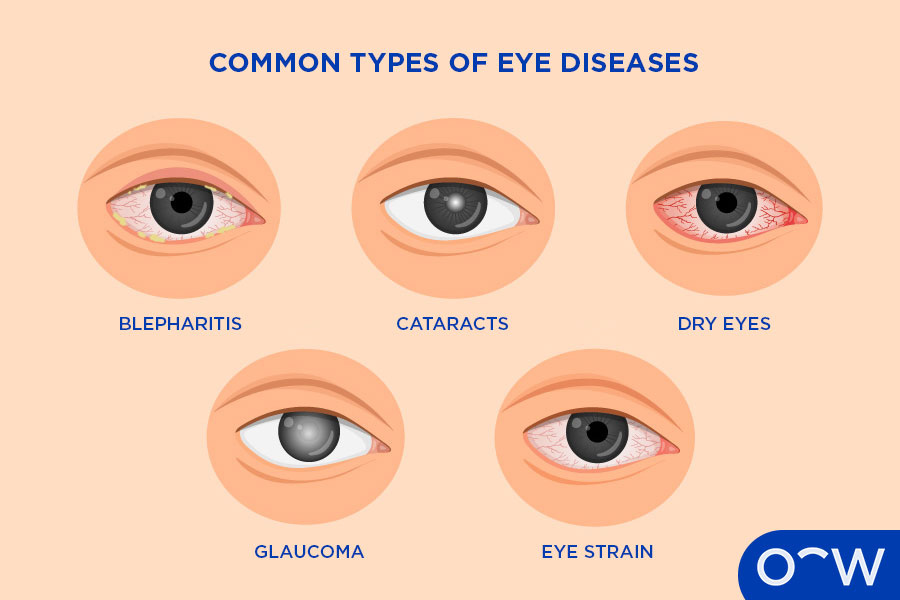
Regulatory Challenges in Digital Eye Health
The rapid pace of technological innovation in ophthalmology often outstrips the development of regulatory frameworks. Governments and healthcare bodies face the complex task of establishing clear guidelines for the development, deployment, and security of AI diagnostics, telehealth platforms, and connected eye care devices. This includes ensuring data interoperability, setting standards for AI algorithm validation, defining liability in cases of software error, and protecting patient consent in data usage. Navigating these regulatory complexities is crucial for fostering innovation responsibly while ensuring patient trust and safety in the evolving landscape of digital eye health.
In conclusion, understanding “what are diseases of the eyes” in the modern era means recognizing the profound influence of technology at every juncture. From the sophisticated tools that diagnose conditions like glaucoma and diabetic retinopathy with incredible precision, to the groundbreaking therapies that restore sight, and the smart devices that empower individuals to manage their own ocular health, technology is an indispensable ally. Yet, we must also acknowledge the challenges posed by our digital lifestyles, such as digital eye strain and myopia progression, and prioritize robust cybersecurity measures to protect patient data. The symbiotic relationship between eye health and technology will continue to evolve, promising a future where eye diseases are not only better understood and treated but potentially even prevented, ensuring the precious gift of sight for generations to come.
aViewFromTheCave is a participant in the Amazon Services LLC Associates Program, an affiliate advertising program designed to provide a means for sites to earn advertising fees by advertising and linking to Amazon.com. Amazon, the Amazon logo, AmazonSupply, and the AmazonSupply logo are trademarks of Amazon.com, Inc. or its affiliates. As an Amazon Associate we earn affiliate commissions from qualifying purchases.